Brand Name

Lomaira

Generic Name
Phentermine
View Brand Information
FDA approval date: July 01, 1976
Classification: Sympathomimetic Amine Anorectic
Form: Tablet, Capsule

What is Lomaira (Phentermine)?

Weight loss can be a difficult and emotional journey, especially when lifestyle changes alone don’t bring the desired results. For some individuals struggling with obesity or weight-related health problems, certain prescription medications can provide an extra level of support. One such medication is Phentermine, a well-established prescription drug that has been used for decades to assist with weight management under medical supervision.

Phentermine belongs to a class of drugs known as sympathomimetic amines, which act as appetite suppressants. It is typically prescribed as part of a short-term treatment plan alongside a reduced-calorie diet, exercise, and behavioral modifications.

What does Phentermine do?

Phentermine is primarily used for short-term weight reduction in adults with obesity (BMI ≥30) or those who are overweight (BMI ≥27) with associated health conditions such as high blood pressure, diabetes or high cholesterol.

By reducing appetite and increasing energy expenditure, Phentermine helps patients eat less and make healthier food choices while staying motivated in their weight-loss journey. Clinical studies and real-world use have shown that when combined with lifestyle interventions, Phentermine can lead to significant short-term weight loss, typically over a few weeks to months (Mayo Clinic, 2024; MedlinePlus, 2024).

Beyond the physical benefits, patients often report feeling more in control of their eating habits, which can improve self-confidence and overall quality of life.

How does Phentermine work?

Phentermine works by stimulating the central nervous system (CNS) specifically targeting regions of the brain that control appetite. It increases the release of certain neurotransmitters, including norepinephrine, dopamine and serotonin. These chemicals help suppress hunger signals and increase alertness and energy levels.

This mechanism mimics the body’s natural “fight or flight” response, which temporarily reduces appetite. Clinically, this helps patients feel full longer and consume fewer calories throughout the day.

The mechanism matters because sustained calorie reduction, even modest, can trigger meaningful weight loss when combined with consistent lifestyle changes. However, since Phentermine acts on the CNS, it should always be taken under close medical supervision to minimize potential side effects or dependency risks (FDA, 2024).

Phentermine side effects

Like all prescription medications, Phentermine can cause side effects. Most are mild and improve as the body adjusts, but some may require medical attention.

Common side effects include:

  • Dry mouth
  • Trouble sleeping (insomnia)
  • Restlessness or nervousness
  • Increased heart rate or blood pressure
  • Constipation

Less common or serious side effects:

  • Chest pain or shortness of breath
  • Severe headache or dizziness
  • Mood changes (e.g., irritability, agitation)
  • Allergic reactions such as rash or swelling

Patients with a history of heart disease, uncontrolled high blood pressure, hyperthyroidism, glaucoma or substance misuse should generally avoid Phentermine. It is also not recommended during pregnancy or breastfeeding.

If symptoms such as chest pain, irregular heartbeat, or severe mood changes occur, immediate medical attention is necessary (NIH, 2024).

Phentermine dosage

Phentermine is available in several oral forms, including tablets, capsules, and orally disintegrating tablets. It is typically taken once daily, preferably in the morning before breakfast or a few hours after, to avoid insomnia.

Because Phentermine is a short-term medication (usually up to 12 weeks), healthcare providers will monitor patients’ blood pressure, heart rate and weight progress during treatment. In some cases, additional lab tests may be ordered to ensure safety and effectiveness.

Older adults or patients with kidney, liver, or cardiovascular disease may require closer monitoring or an alternative approach. It is crucial to follow the doctor’s instructions carefully and never increase the dose independently, as higher doses do not enhance effectiveness and may raise health risks (FDA, 2024).

Does Phentermine have a generic version?

Yes, Phentermine is available in generic form, which is FDA-approved and considered equally effective and safe as brand-name products. Common brand names include Adipex-P and Lomaira.

Generic Phentermine offers the same active ingredient and therapeutic benefits at a typically lower cost, making it more accessible for patients. However, as with all medications, the choice between brand-name and generic versions should be made in consultation with a healthcare provider or pharmacist.

Conclusion

Phentermine can be a valuable tool for adults struggling with obesity when used responsibly under medical supervision. By reducing appetite and supporting healthy lifestyle changes, it helps patients achieve meaningful weight loss that can improve both physical health and emotional well-being.

While it is not a magic solution, when paired with sustained diet and exercise habits, Phentermine can play a key role in long-term weight management. Patients should maintain open communication with their healthcare providers to monitor progress, manage side effects, and adjust treatment as needed.

Phentermine is safe and effective when prescribed and monitored by a qualified healthcare provider. With medical guidance and lifestyle commitment, it can serve as a stepping stone toward a healthier and more confident future.

References

  1. U.S. Food and Drug Administration (FDA). (2024). Phentermine Label Information. https://www.fda.gov/
  2. Mayo Clinic. (2024). Phentermine for Weight Loss. https://www.mayoclinic.org/
  3. MedlinePlus. (2024). Phentermine: Drug Information. https://medlineplus.gov/
  4. National Institutes of Health (NIH). (2024). Obesity and Pharmacologic Management. https://www.nih.gov/

Top Global Experts

There are no experts for this drug

Save this treatment for later
Sign Up
Not sure about your diagnosis?
Check Your Symptoms

Related Clinical Trials

There is no clinical trials being done for this treatment

Related Latest Advances

There is no latest advances for this treatment

Brand Information
LOMAIRA (PHENTERMINE HYDROCHLORIDE)
1DESCRIPTION
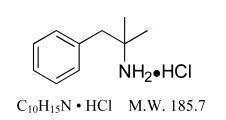
Phentermine hydrochloride is a sympathomimetic amine anorectic. Its chemical name is α,α,-dimethylphenethylamine hydrochloride. The structural formula is as follows:
chemical-structure
Phentermine hydrochloride is a white, odorless, hygroscopic, crystalline powder which is soluble in water and lower alcohols, slightly soluble in chloroform and insoluble in ether.
LOMAIRA™ tablet is available as an oral tablet containing 8 mg of phentermine hydrochloride (equivalent to 6.4 mg of phentermine base). Each LOMAIRA™ tablet also contains the following inactive ingredients: Corn Starch, Magnesium Stearate, NF, Microcrystalline Cellulose 102, NF, Stearic Acid, NF, FD&C Blue #1, Sucrose and Pharmaceutical Glaze.
2CLINICAL STUDIES
In relatively short-term clinical trials, adult obese subjects instructed in dietary management and treated with “anorectic” drugs lost more weight on the average than those treated with placebo and diet.
The magnitude of increased weight loss of drug-treated patients over placebo-treated patients is only a fraction of a pound a week. The rate of weight loss is greatest in the first weeks of therapy for both drug and placebo subjects and tends to decrease in succeeding weeks. The possible origins of the increased weight loss due to the various drug effects are not established. The amount of weight loss associated with the use of an “anorectic” drug varies from trial to trial, and the increased weight loss appears to be related in part to variables other than the drugs prescribed, such as the physician-investigator, the population treated and the diet prescribed. Studies do not permit conclusions as to the relative importance of the drug and non-drug factors on weight loss.
The natural history of obesity is measured over several years, whereas the studies cited are restricted to a few weeks’ duration; thus, the total impact of drug-induced weight loss over that of diet alone must be considered clinically limited.
3INDICATIONS AND USAGE
LOMAIRA™ tablets are indicated as a short-term (a few weeks) adjunct in a regimen of weight reduction based on exercise, behavioral modification and caloric restriction in the management of exogenous obesity in patients with an initial body mass index greater than or equal to 30 kg/m
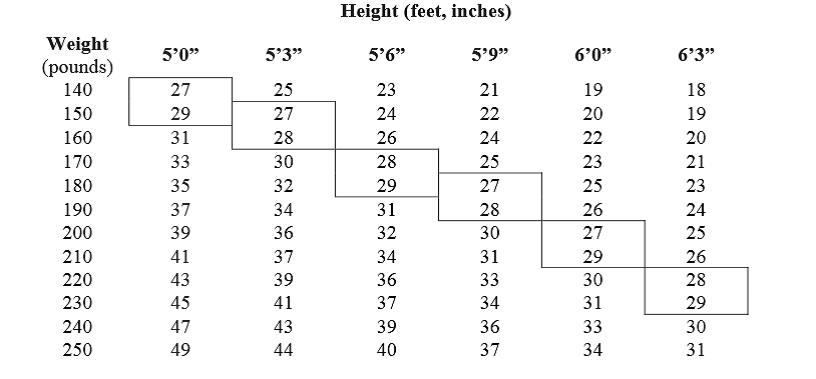
Below is a chart of body mass index (BMI) based on various heights and weights.
BMI is calculated by taking the patient’s weight, in kilograms (kg), divided by the patient’s height, in meters (m), squared. Metric conversions are as follows: pounds ÷ 2.2 = kg; inches x 0.0254 = meters.
BODY MASS INDEX (BMI), kg/m
table
The limited usefulness of agents of this class, including phentermine (see
4CONTRAINDICATIONS
• History of cardiovascular disease (e.g., coronary artery disease, stroke, arrhythmias, congestive heart failure, uncontrolled hypertension)
5ADVERSE REACTIONS
The following adverse reactions are described, or described in greater detail, in other sections:
- Primary pulmonary hypertension (see
- Valvular heart disease (see
- Effect on the ability to engage in potentially hazardous tasks (see
- Withdrawal effects following prolonged high dosage administration (see
The following adverse reactions to phentermine have been identified:
5.1Cardiovascular
Primary pulmonary hypertension and/or regurgitant cardiac valvular disease, palpitation, tachycardia, elevation of blood pressure, ischemic events.
5.2Central Nervous System
Overstimulation, restlessness, dizziness, insomnia, euphoria, dysphoria, tremor, headache, psychosis.
5.3Gastrointestinal
Dryness of the mouth, unpleasant taste, diarrhea, constipation, other gastrointestinal disturbances.
5.4Allergic
Urticaria.
5.5Endocrine
Impotence, changes in libido.
6OVERDOSAGE
The least amount feasible should be prescribed or dispensed at one time in order to minimize the possibility of overdosage.
6.1Acute Overdosage
Manifestations of acute overdosage include restlessness, tremor, hyperreflexia, rapid respiration, confusion, assaultiveness, hallucinations, and panic states. Fatigue and depression usually follow the central stimulation. Cardiovascular effects include arrhythmia, hypertension or hypotension, and circulatory collapse. Gastrointestinal symptoms include nausea, vomiting, diarrhea and abdominal cramps. Overdosage of pharmacologically similar compounds has resulted in fatal poisoning usually terminates in convulsions and coma.
Management of acute phentermine hydrochloride intoxication is largely symptomatic and includes lavage and sedation with a barbiturate. Experience with hemodialysis or peritoneal dialysis is inadequate to permit recommendations in this regard. Acidification of the urine increases phentermine excretion. Intravenous phentolamine (Regitine
6.2Chronic Intoxication
Manifestations of chronic intoxication with anorectic drugs include severe dermatoses, marked insomnia, irritability, hyperactivity and personality changes. The most severe manifestation of chronic intoxications is psychosis, often clinically indistinguishable from schizophrenia. See
7DOSAGE AND ADMINISTRATION
Dosage should be individualized to obtain an adequate response with the lowest effective dose.
Late evening medication should be avoided because of the possibility of resulting insomnia.
8HOW SUPPLIED/STORAGE AND HANDLING
LOMAIRA™ is available as follows:
LOMAIRA™ 8 mg is supplied as white butterfly shaped tablets with blue speckles, debossed “K1” on one side and bisected on the other side.
Bottles of 30, NDC 10702-001-03
Bottles of 60, NDC 10702-001-06
Bottles of 90, NDC 10702-001-09
Bottles of 250, NDC 10702-001-25
Bottles of 500, NDC 10702-001-50
Bottles of 1000, NDC 10702-001-10
Store at 20° to 25°C (68° to 77°F) [See USP Controlled Room Temperature].
Dispense in a tight container as defined in the USP, with a child-resistant closure (as required).
Keep out of the reach of children.
Manufactured by:
company-logo
Item ID# 006178/07
Manufacturer’s Code: 10702 09/16
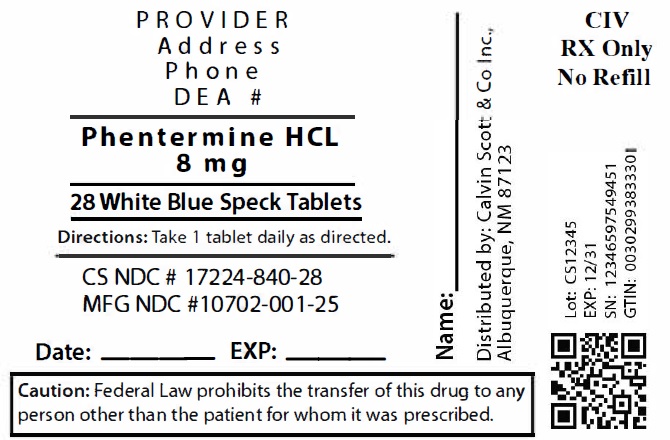
9Package Labeling:17224-840-28
17224-840-28
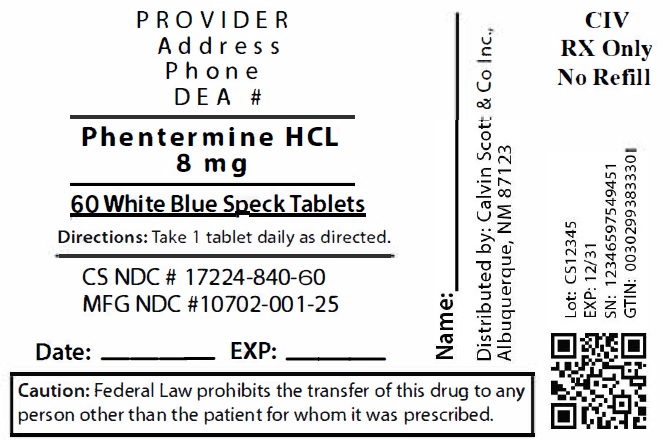
10Package Labeling:17224-840-60
17224-840-60
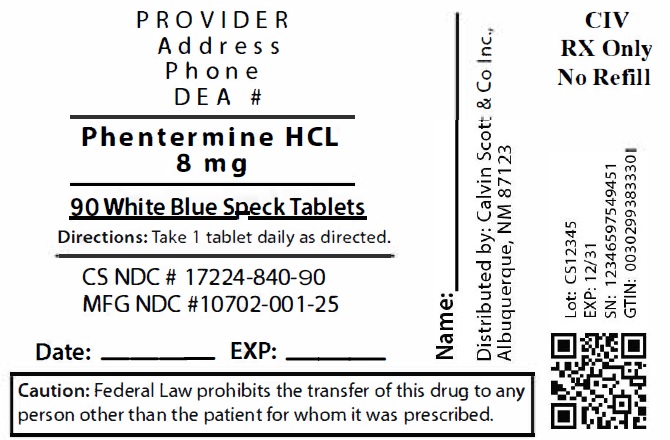
11Package Labeling:17224-840-90
17224-840-90
12Package Labeling:17224-840-30
17224-840-30