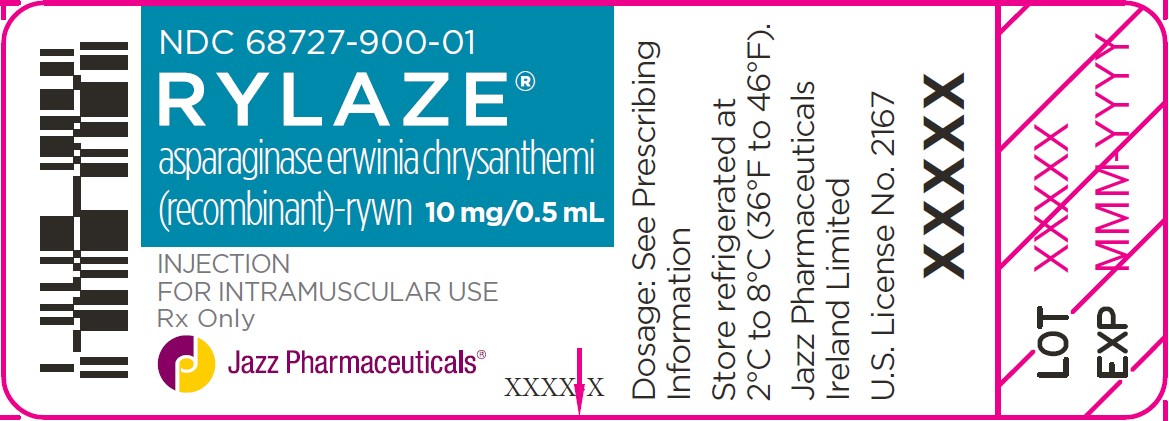
Rylaze
What is Rylaze (Asparaginase)?
Approved To Treat
Top Global Experts


Related Clinical Trials
Summary: This phase III trial compares standard chemotherapy to therapy with liposome-encapsulated daunorubicin-cytarabine (CPX-351) and/or gilteritinib for patients with newly diagnosed acute myeloid leukemia with or without FLT3 mutations. Drugs used in chemotherapy, such as daunorubicin, cytarabine, and gemtuzumab ozogamicin, work in different ways to stop the growth of cancer cells, either by killing t...
Summary: This phase III trial studies whether inotuzumab ozogamicin added to post-induction chemotherapy and immunotherapy (chemo-immunotherapy) for patients with High-Risk B-cell Acute Lymphoblastic Leukemia (B-ALL) improves outcomes. Inotuzumab ozogamicin is a monoclonal antibody, which is a type of protein that can bind to certain targets on the surface of cells. Inotuzumab ozogamicin is a monoclonal an...
Summary: This phase II trial studies the effect of nivolumab in combination with blinatumomab compared to blinatumomab alone in treating patients with B-cell acute lymphoblastic leukemia (B-ALL) that has come back (relapsed). Down syndrome patients with relapsed B-ALL are included in this study. Blinatumomab is an antibody, which is a protein that identifies and targets specific molecules in the body. Blin...
Related Latest Advances
Brand Information
- History of serious hypersensitivity reactions to
- History of serious pancreatitis during previous asparaginase therapy
- History of serious thrombosis during previous asparaginase therapy
- History of serious hemorrhagic events during previous asparaginase therapy
- Severe hepatic impairment [
- Hypersensitivity Reactions
- Pancreatic Toxicity
- Thrombosis
- Hemorrhage
- Hepatotoxicity, including VOD
b Does not include the following fatal adverse reactions: infection (N=1).
b Based on maximum interval of 58 hours between the Wednesday morning and Friday afternoon doses.
c Based on maximum interval of 67 hours between the Friday afternoon and Monday morning doses.
- HypersensitivityInform patients of the risk of allergic reactions, including anaphylaxis. Instruct the patient on the symptoms of allergic reactions and to seek medical advice immediately if they experience such symptoms [see Warnings and Precautions (.
- PancreatitisInstruct patients on signs and symptoms of pancreatitis and to seek medical attention if they experience severe abdominal pain [see Warnings and Precautions (.
- ThrombosisInstruct patients on the risk of thrombosis and to seek medical advice immediately if they experience headache, arm or leg swelling, shortness of breath, and chest pain [see Warnings and Precautions (.
- HemorrhageAdvise patients to report any unusual bleeding or bruising to their healthcare provider [see Warnings and Precautions (.
- Hepatotoxicity, including Veno-Occlusive Liver DiseaseInform patients that liver problems, including severe, life-threatening, or fatal VOD and abnormalities in liver tests, may develop during RYLAZE treatment. Advise patients to report any jaundice, severe nausea or vomiting, or easy bleeding or bruising to their healthcare provider [see Warnings and Precautions (.
- PregnancyAdvise pregnant women of the potential risk to a fetus. Advise females of reproductive potential to inform their healthcare provider of a known or suspected pregnancy [see Use in Specific Populations (.
- Advise females of reproductive potential to use effective non-hormonal contraception during treatment with RYLAZE and for 3 months after the last dose
- LactationAdvise women not to breastfeed during treatment with RYLAZE and for 1 week after the last dose [see Use in Specific Populations (.