Ketoprofen
View Brand InformationWhat is Ketoprofen?
Approved To Treat
Top Global Experts


Related Clinical Trials
Summary: Total knee arthroplasty is a surgical treatment which involves replacing the damaged articular cartilage of the knee joint with an artificial prosthetic in end-stage knee osteoarthritis. Although total knee arthroplasties are mostly successful, approximately 1 in 5 patients are unsatisfied with their outcomes with 16-33% of patients of patients experiencing lasting pain following total knee arthro...
Summary: To find out if adding medication can help treat or prevent lymphedema and/or fibrosis related to radiation therapy, in survivors of head and neck cancer. Researchers will compare these drugs to find the most effective therapy for preventing or limiting these side effects.
Summary: This study is conducted to evaluate the effectiveness and safety of ketamine infusion for pain relief after knee replacement surgery. Adult patients who have undergone knee arthroplasty will be randomly assigned to one of two groups. The study group will receive standard pain management plus a continuous infusion of ketamine using patient-controlled analgesia (PCA), while the control group will on...
Related Latest Advances
Brand Information
- Nonsteroidal anti-inflammatory drugs (NSAIDs) cause an increased risk of serious cardiovascular thrombotic events, including myocardial infarction and stroke, which can be fatal. This risk may occur early in treatment and may increase with duration of use.
- Ketoprofen capsules are contraindicated in the setting of coronary artery bypass graft (CABG) surgery.
Gastrointestinal Risk
- NSAIDs cause an increased risk of serious gastrointestinal adverse events including bleeding, ulceration, and perforation of the stomach or intestines, which can be fatal. These events can occur at any time during use and without warning symptoms. Elderly patients are at greater risk for serious gastrointestinal (GI) events.
Capsule Shell Constituents
25 mg: D&C yellow 10, edible printing ink, FD&C blue 1, FD&C yellow 6, gelatin, sodium lauryl
sulfate, and titanium dioxide.
50 mg: D&C yellow 10, edible printing ink, FD&C green 3, gelatin, sodium lauryl sulfate, and
titanium dioxide.
75 mg: Edible printing ink, gelatin, sodium lauryl sulfate and titanium dioxide.
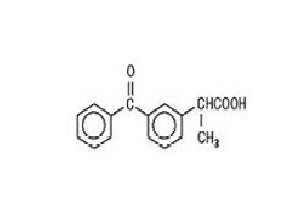
Ketoprofen is a racemate with only the S enantiomer possessing pharmacological activity. The enantiomers have similar concentration time curves and do not appear to interact with one another.
An analgesic effect-concentration relationship for ketoprofen was established in an oral surgery pain study with immediate-release ketoprofen capsules. The effect-site rate constant (k e0) was estimated to be 0.9 hour (95% confidence limits: 0 to 2.1), and the concentration (C e50) of ketoprofen that produced one-half the maximum PID (pain intensity difference) was 0.3 mcg/mL (95% confidence limits: 0.1 to 0.5). Thirty-three (33) to 68% of patients had an onset of action (as measured by reporting some pain relief) within 30 minutes following a single oral dose in postoperative pain and dysmenorrhea studies. Pain relief (as measured by remedication) persisted for up to 6 hours in 26 to 72% of patients in these studies.
General
The systemic availability (FS) when the oral formulation is compared with IV administration is approximately 90% in humans. For 75 to 200 mg single doses, the area under the curve has been shown to be dose proportional.
Ketoprofen is > 99% bound to plasma proteins, mainly to albumin.
Elderly
Clearance and unbound fraction
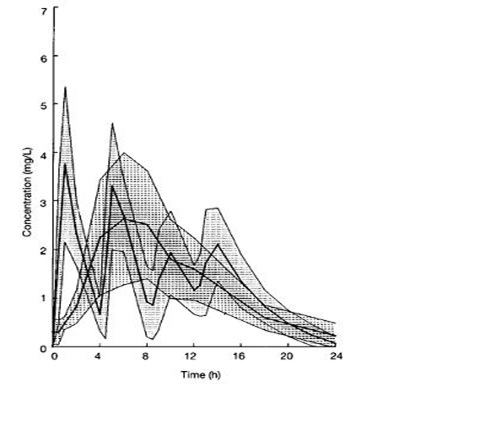
The plasma and renal clearance of ketoprofen is reduced in the elderly (mean age, 73 years) compared to a younger normal population (mean age, 27 years). Hence, ketoprofen peak concentration and AUC increase with increasing age. In addition, there is a corresponding increase in unbound fraction with increasing age. Data from one trial suggest that the increase is greater in women than in men. It has not been determined whether age-related changes in absorption among the elderly contribute to the changes in bioavailability of ketoprofen.
In a study conducted with young and elderly men and women, results for subjects older than 75 years of age showed that free drug AUC increased by 40% and Cmax increased by 60% as compared with estimates of the same parameters in young subjects (those younger than 35 years of age;.
Also in the elderly, the ratio of intrinsic clearance/availability decreased by 35% and plasma half-life was prolonged by 26%. This reduction is thought to be due to a decrease in hepatic extraction associated with aging.
Renally Impaired
Studies of the effects of renal-function impairment have been small. They indicate a decrease in clearance in patients with impaired renal function. In 23 patients with renal impairment, free ketoprofen peak concentration was not significantly elevated, but free ketoprofen clearance was reduced from 15 L/kg/h for normal subjects to 7 L/kg/h in patients with mildly impaired renal function, and to 4 L/kg/h in patients with moderately to severely impaired renal function. The elimination t1/2 was prolonged from 1.6 hours in normal subjects to approximately 3 hours in patients with mild renal impairment, and to approximately 5 to 9 hours in patients with moderately to severely impaired renal function.
Hepatically Impaired
For patients with alcoholic cirrhosis, no significant changes in the kinetic disposition of immediate-release ketoprofen capsules were observed relative to age-matched normal subjects: the plasma clearance of drug was 0.07 L/kg/h in 26 hepatically impaired patients. The elimination half-life was comparable to that observed for normal subjects. However, the unbound (biologically active) fraction was approximately doubled, probably due to hypoalbuminemia and high variability which was observed in the pharmacokinetics for cirrhotic patients. Therefore, these patients should be carefully monitored and daily doses of ketoprofen kept at the minimum providing the desired therapeutic effect.
Rheumatoid Arthritis and Osteoarthritis
The efficacy of ketoprofen has been demonstrated in patients with rheumatoid arthritis and osteoarthritis. In other trials, ketoprofen demonstrated effectiveness comparable to aspirin, ibuprofen, naproxen, piroxicam, diclofenac, and indomethacin. In some of these studies there were more dropouts due to gastrointestinal side effects among patients on ketoprofen than among patients on other NSAIDs.
In studies with patients with rheumatoid arthritis, ketoprofen was administered in combination with gold salts, antimalarials, low-dose methotrexate, d-penicillamine, and/or corticosteroids with results comparable to those seen with control non-steroidal drugs.
Cardiovascular Thrombotic Events
Clinical trials of several COX-2 selective and nonselective NSAIDs of up to three years duration have shown an increased risk of serious cardiovascular (CV) thrombotic events, including myocardial infarction (MI) and stroke, which can be fatal. Based on available data, it is unclear that the risk for CV thrombotic events is similar for all NSAIDs. The relative increase in serious CV thrombotic events over baseline conferred by NSAID use appears to be similar in those with and without known CV disease or risk factors for CV disease. However, patients with known CV disease or risk factors had a higher absolute incidence of excess serious CV thrombotic events, due to their increased baseline rate. Some observational studies found that this increased risk of serious CV thrombotic events began as early as the first weeks of treatment. The increase in CV thrombotic risk has been observed most consistently at higher doses.
To minimize the potential risk for an adverse CV event in NSAID-treated patients, use the lowest effective dose for the shortest duration possible. Physicians and patients should remain alert for the development of such events, throughout the entire treatment course, even in the absence of previous CV symptoms. Patients should be informed about the symptoms of serious CV events and the steps to take if they occur.
There is no consistent evidence that concurrent use of aspirin mitigates the increased risk of serious CV thrombotic events associated with NSAID use. The concurrent use of aspirin and an NSAID, such as Ketoprofen, increases the risk of serious gastrointestinal (GI) events.
Two large, controlled clinical trials of a COX-2 selective NSAID for the treatments of pain in the first 10-14 days following CABG surgery found an increased incidence of myocardial infarction and stroke. NSAIDs are contraindicated in the setting of CABG.
Observational studies conducted in the Danish National Registry have demonstrated that patients treated with NSAIDs in the post-MI period were at increased risk of reinfarction, CV-related death, and all-cause mortality beginning in the first week of treatment. In this same cohort, the incidence of death in the first year post MI was 20 per 100 person years in NSAID-treated patients compared to 12 per 100 person years in non-NSAID exposed patients. Although the absolute rate of death declined somewhat after the first year post-MI, the increased relative risk of death in NSAID users persisted over at least the next four years of follow-up.
Avoid the use of Ketoprofen capsules in patients with a recent MI unless the benefits are expected to outweigh the risk of recurrent CV thrombotic events. If Ketoprofen capsules are used in patients with a recent MI, monitor patients for signs of cardiac ischemia.
The Coxib and traditional NSAID Trialists’ Collaboration meta-analysis of randomized controlled trials demonstrated an approximately two-fold increase in hospitalizations for heart failure in COX-2 selective-treated patients and nonselective NSAID-treated patients compared to placebo-treated patients. In a Danish National Registry study of patients with heart failure, NSAID use increased the risk of MI, hospitalization for heart failure, and death.
Additionally, fluid retention and edema have been observed in some patients treated with NSAIDs. Use of Ketoprofen may blunt the CV effects of several therapeutic agents used to treat these medical conditions [e.g., diuretics, ACE inhibitors, or angiotensin receptor blockers (ARBs)].
Avoid the use of Ketoprofen capsules in patients with severe heart failure unless the benefits are expected to outweigh the risk of worsening heart failure. If Ketoprofen capsules are used in patients with severe heart failure, monitor patients for signs of worsening heart failure.
NSAIDs, including ketoprofen capsules, can cause serious gastrointestinal (GI) adverse events including inflammation, bleeding, ulceration, and perforation, of the stomach, small intestine, or large intestine, which can be fatal. These serious adverse events can occur at any time, with or without warning symptoms, in patients treated with NSAIDs. Only one in five patients, who develop a serious upper GI adverse event on NSAID therapy, is symptomatic. Upper GI ulcers, gross bleeding, or perforation caused by NSAIDs occur in approximately 1% of patients treated for 3 to 6 months, and in about 2 to 4% of patients treated for one year. These trends continue with longer duration of use, increasing the likelihood of developing a serious GI event at some time during the course of therapy. However, even short-term therapy is not without risk.
NSAIDs should be prescribed with extreme caution in those with a prior history of ulcer disease or gastrointestinal bleeding. Patients with a prior history of peptic ulcer disease and/or gastrointestinal bleeding who use NSAIDs have a greater than 10 fold increased risk for developing a GI bleed compared to patients with neither of these risk factors. Other factors that increase the risk for GI bleeding in patients treated with NSAIDs include concomitant use of oral corticosteroids or anticoagulants, longer duration of NSAID therapy, smoking, use of alcohol, older age, and poor general health status. Most spontaneous reports of fatal GI events are in elderly or debilitated patients and therefore, special care should be taken in treating this population.
To minimize the potential risk for an adverse GI event in patients treated with an NSAID, the lowest effective dose should be used for the shortest possible duration. Patients and physicians should remain alert for signs and symptoms of GI ulceration and bleeding during NSAID therapy and promptly initiate additional evaluation and treatment if a serious GI adverse event is suspected. This should include discontinuation of the NSAID until a serious GI adverse event is ruled out.Forhigh risk patients, alternate therapies that do not involve NSAIDs should be considered.
Long-term administration of NSAIDs has resulted in renal papillary necrosis and other renal injury. Renal toxicity has also been seen in patients in whom renal prostaglandins have a compensatory role in the maintenance of renal perfusion. In these patients, administration of a non-steroidal anti-inflammatory drug may cause a dose-dependent reduction in prostaglandin formation and, secondarily, in renal blood flow, which may precipitate overt renal decompensation. Patients at greater risk of this reaction are those with impaired renal function, heart failure, liver dysfunction, those taking diuretics and ACE-inhibitors, and the elderly. Discontinuation of NSAID therapy is usually followed by recovery to the pretreatment state.
No information is available from controlled clinical studies regarding the use of ketoprofen capsules in patients with advanced renal disease. Therefore, treatment with ketoprofen capsules is not recommended in these patients with advanced renal disease. If ketoprofen capsule therapy must be initiated, close monitoring of the patient's renal function is advisable.
As with other NSAIDs, anaphylactoid reactions may occur in patients without known prior
exposure to ketoprofen capsules. Ketoprofen capsules should not be given to patients with the
aspirin triad. This symptom complex typically occurs in asthmatic patients who experience rhinitis
with or without nasal polyps, or who exhibit severe, potentially fatal bronchospasm after taking
aspirin or other NSAIDs (see CONTRAINDICATIONS and PRECAUTIONS, Preexisting Asthma).
Emergency help should be sought in cases where an anaphylactoid reaction occurs.
NSAIDs, including ketoprofen capsules, can cause serious skin adverse events such as exfoliative dermatitis, Stevens-Johnson syndrome (SJS), and toxic epidermal necrolysis (TEN), which can be fatal. fatal. NSAIDs can also cause fixed drug eruption (FDE). FDE may present as a more severe variant known as generalized bullous fixed drug eruption (GBFDE), which can be life-threatening. These serious events may occur without warning. Inform patients about the signs and symptoms of serious skin reactions, and to discontinue the use of Ketoprofen Capsules, USP at the first appearance of skin rash or any other sign of
hypersensitivity. Ketoprofen Capsules, USP is contraindicated in patients with previous serious skin reactions to NSAIDs (see CONTRAINDICATIONS).
Drug Reaction with Eosinophilia and Systemic Symptoms (DRESS) has been reported in
patients taking NSAIDs such as ketoprofen capsules. Some of these events have been fatal
or life-threatening. DRESS typically, although not exclusively, presents with fever, rash,
lymphadenopathy, and/or facial swelling. Other clinical manifestations may include hepatitis,
nephritis, hematological abnormalities, myocarditis, or myositis. Sometimes symptoms of DRESS
may resemble an acute viral infection. Eosinophilia is often present. Because this disorder is
variable in its presentation, other organ systems not noted here may be involved. It is important
to note that early manifestations of hypersensitivity, such as fever or lymphadenopathy, may
be present even though rash is not evident. If such signs or symptoms are present, discontinue
ketoprofen capsules and evaluate the patient immediately.
Fetal Toxicity
Premature Closure of Fetal Ductus Arteriosus:
Avoid use of NSAIDs, including ketoprofen capsules, in pregnant women at about 30 weeks
gestation and later. NSAIDs including ketoprofen capsules, increase the risk of premature closure
of the fetal ductus arteriosus at approximately this gestational age.
Oligohydramnios/Neonatal Renal Impairment:
Use of NSAIDs, including ketoprofen capsules, at about 20 weeks gestation or later in pregnancy
may cause fetal renal dysfunction leading to oligohydramnios and, in some cases, neonatal renal
impairment. These adverse outcomes are seen, on average, after days to weeks of treatment,
although oligohydramnios has been infrequently reported as soon as 48 hours after NSAID
initiation. Oligohydramnios is often, but not always, reversible with treatment discontinuation.
Complications of prolonged oligohydramnios may, for example, include limb contractures and
delayed lung maturation. In some postmarketing cases of impaired neonatal renal function,
invasive procedures such as exchange transfusion or dialysis were required.
If NSAID treatment is necessary between about 20 weeks and 30 weeks gestation, limit
ketoprofen capsules use to the lowest effective dose and shortest duration possible. Consider
ultrasound monitoring of amniotic fluid if ketoprofen capsules treatment extends beyond 48
hours. Discontinue ketoprofen capsules if oligohydramnios occurs and follow up according to
clinical practice [see PRECAUTIONS; Pregnancy].
Ketoprofen capsules cannot be expected to substitute for corticosteroids or to treat corticosteroid insufficiency. Abrupt discontinuation of corticosteroids may lead to disease exacerbation. Patients on prolonged corticosteroid therapy should have their therapy tapered slowly if a decision is made to discontinue corticosteroids.
Borderline elevations of one or more liver tests may occur in up to 15% of patients taking NSAIDs including ketoprofen capsules. These laboratory abnormalities may progress, may remain unchanged, or may be transient with continuing therapy. Notable elevations of ALT or AST (approximately three or more times the upper limit of normal) have been reported in approximately 1% of patients in clinical trials with NSAIDs. In addition, rare cases of severe hepatic reactions, including jaundice, and fatal fulminant hepatitis, liver necrosis and hepatic failure, some of them with fatal outcomes have been reported.
A patient with symptoms and/or signs suggesting liver dysfunction, or in whom an abnormal liver test has occurred, should be evaluated for evidence of the development of a more severe hepatic reaction while on therapy with ketoprofen capsules. If clinical signs and symptoms consistent with liver disease develop, or if systemic manifestations occur (e.g., eosinophilia, rash, etc.), ketoprofen capsules should be discontinued.
In patients with chronic liver disease with reduced serum albumin levels, ketoprofen’s pharmacokinetics are altered (see CLINICAL PHARMACOLOGY). Such patients should be closely monitored, and a reduction of dosage should be anticipated to avoid high blood levels of ketoprofen and/or its metabolites (see DOSAGE AND ADMINISTRATION).
Anemia is sometimes seen in patients receiving NSAIDs, including ketoprofen capsules. This may be due to fluid retention, occult or gross GI blood loss, or an incompletely described effect upon erythropoiesis. Patients on long-term treatment with NSAIDs, including ketoprofen capsules, should have their hemoglobin or hematocrit checked if they exhibit any signs or symptoms of anemia.
NSAIDs inhibit platelet aggregation and have been shown to prolong bleeding time in some patients. Unlike aspirin, their effect on platelet function is quantitatively less, of shorter duration, and reversible. Patients receiving ketoprofen capsules who may be adversely affected by alterations in platelet function, such as those with coagulation disorders or patients receiving anticoagulants, should be carefully monitored.
Patients with asthma may have aspirin-sensitive asthma. The use of aspirin in patients with aspirin-sensitive asthma has been associated with severe bronchospasm which can be fatal. Since cross reactivity, including bronchospasm, between aspirin and other non-steroidal anti-inflammatory drugs has been reported in such aspirin-sensitive patients, ketoprofen capsules should not be administered to patients with this form of aspirin sensitivity and should be used with caution in patients with preexisting asthma.
Advise patients to be alert for the symptoms of cardiovascular thrombotic events, including chest pain, shortness of breath, weakness, or slurring of speech, and to report any of these symptoms to their health care provider immediately [see Warnings].
2. Ketoprofen capsules, like other NSAIDs, can cause GI discomfort and, rarely, serious GI side effects, such as ulcers and bleeding, which may result in hospitalization and even death. Although serious GI tract ulcerations and bleeding can occur without warning symptoms, patients should be alert for the signs and symptoms of ulcerations and bleeding, and should ask for medical advice when observing any indicative signs or symptoms including epigastric pain, dyspepsia, melena, and hematemesis. Patients should be apprised of the importance of this follow-up (see WARNINGS, Gastrointestinal Effects - Risk of Ulceration, Bleeding, and Perforation).
3. Serious Skin Reactions, including DRESS
Advise patients to stop taking ketoprofen capsules immediately if they develop any type of rash
or fever and to contact their healthcare provider as soon as possible [see Warnings].
4. Heart Failure and Edema
Advise patients to be alert for the symptoms of congestive heart failure including shortness of breath, unexplained weight gain, or edema and to contact their healthcare provider if such symptoms occur. [see Warnings].
5. Patients should be informed of the warning signs and symptoms of hepatotoxicity (e.g., nausea, fatigue, lethargy, pruritus, jaundice, right upper quadrant tenderness, and "flu-like" symptoms). If these occur, patients should be instructed to stop therapy and seek immediate medical therapy.
6. Patients should be informed of the signs of an anaphylactoid reaction (e.g., difficulty breathing, swelling of the face or throat). If these occur, patients should be instructed to seek immediate emergency help (see WARNINGS).
7. Fetal Toxicity
Inform pregnant women to avoid use of ketoprofen capsules and other NSAIDs starting at 30
weeks gestation because of the risk of the premature closing of the fetal ductus arteriosus.
If treatment with ketoprofen capsules is needed for a pregnant woman between about 20 to
30 weeks gestation, advise her that she may need to be monitored for oligohydramnios, if
treatment continues for longer than 48 hours [see WARNINGS; Fetal Toxicity, PRECAUTIONS;
Pregnancy].
Because aspirin causes an increase in the level of unbound ketoprofen, patients should be advised not to take aspirin while taking ketoprofen (see Drug Interactions). It is possible that minor adverse symptoms of gastric intolerance may be prevented by administering ketoprofen capsules with antacids, food, or milk. Because food and milk do affect the rate but not the extent of absorption (see CLINICAL PHARMACOLOGY), physicians may want to make specific recommendations to patients about when they should take ketoprofen in relation to food and/or what patients should do if they experience minor GI symptoms associated with ketoprofen therapy.
Oligohydramnios/Neonatal Renal Impairment
Use of NSAIDs at about 20 weeks gestation or later in pregnancy has been associated with
cases of fetal renal dysfunction leading to oligohydramnios, and in some cases, neonatal renal
impairment.
Data from observational studies regarding other potential embryofetal risks of NSAID use in
women in the first or second trimesters of pregnancy are inconclusive. In animal reproduction
studies ketoprofen administered to mice at doses up to 12 mg/kg/day (36 mg/m2
/day) and rats at
Clinical Considerations
Fetal/Neonatal Adverse Reactions
Premature Closure of Fetal Ductus Arteriosus:
Avoid use of NSAIDs in women at about 30 weeks gestation and later in pregnancy, because
NSAIDs, including ketoprofen capsules, can cause premature closure of the fetal ductus arteriosus
(see WARNINGS; Fetal Toxicity).
Oligohydramnios/Neonatal Renal Impairment
If an NSAID is necessary at about 20 weeks gestation or later in pregnancy, limit the use to the
lowest effective dose and shortest duration possible. If ketoprofen capsules treatment extends
beyond 48 hours, consider monitoring with ultrasound for oligohydramnios. If oligohydramnios
occurs, discontinue ketoprofen capsules and follow up according to clinical practice (see
WARNINGS; Fetal Toxicity).
Data
Human Data
Premature Closure of Fetal Ductus Arteriosus:
Published literature reports that the use of NSAIDs at about 30 weeks of gestation and later in
pregnancy may cause premature closure of the fetal ductus arteriosus.
Oligohydramnios/Neonatal Renal Impairment:
Published studies and postmarketing reports describe maternal NSAID use at about 20 weeks
gestation or later in pregnancy associated with fetal renal dysfunction leading to oligohydramnios,
and in some cases, neonatal renal impairment. These adverse outcomes are seen, on average,
after days to weeks of treatment, although oligohydramnios has been infrequently reported as
soon as 48 hours after NSAID initiation. In many cases, but not all, the decrease in amniotic fluid
was transient and reversible with cessation of the drug. There have been a limited number of case
reports of maternal NSAID use and neonatal renal dysfunction without oligohydramnios, some
of which were irreversible. Some cases of neonatal renal dysfunction required treatment with
invasive procedures, such as exchange transfusion or dialysis.
Methodological limitations of these postmarketing studies and reports include lack of a control
group; limited information regarding dose, duration, and timing of drug exposure; and concomitant
use of other medications. These limitations preclude establishing a reliable estimate of the risk of
adverse fetal and neonatal outcomes with maternal NSAID use. Because the published safety data
on neonatal outcomes involved mostly preterm infants, the generalizability of certain reported
risks to the full-term infant exposed to NSAIDs through maternal use is uncertain.
In ketoprofen capsule clinical studies involving a total of 1540 osteoarthritis or rheumatoid arthritis patients, 369 (24%) were ≥ 65 years of age, and 92 (6%) were ≥ 75 years of age. For ketoprofen capsule acute pain studies, 23 (5%) of 484 patients were ≥ 60 years of age. No overall differences in effectiveness were observed between these patients and younger patients.
Digestive: Dyspepsia (11%), nausea*, abdominal pain*, diarrhea*, constipation*, flatulence*, anorexia, vomiting, stomatitis.
Nervous System: Headache*, dizziness, CNS inhibition (i.e., pooled reports of somnolence, malaise, depression, etc.) or excitation (i.e., insomnia, nervousness, dreams, etc.)*.
Special Senses: Tinnitus, visual disturbance.
Skin and Appendages: Rash.
Urogenital: Impairment of renal function (edema, increased BUN)*, signs or symptoms of urinary-tract irritation.
* Adverse events occurring in 3 to 9% of patients.
Body as a Whole: Chills, facial edema, infection, pain, allergic reaction, anaphylaxis.
Cardiovascular: Hypertension, palpitation, tachycardia, congestive heart failure, peripheral vascular disease, vasodilation.
Digestive: Appetite increased, dry mouth, eructation, gastritis, rectal hemorrhage, melena, fecal occult blood, salivation, peptic ulcer, gastrointestinal perforation, hematemesis, intestinal ulceration, hepatic dysfunction, hepatitis, cholestatic hepatitis, jaundice.
Hemic: Hypocoagulability, agranulocytosis, anemia, hemolysis, purpura, thrombocytopenia.
Metabolic and Nutritional: Thirst, weight gain, weight loss, hyponatremia.
Musculoskeletal: Myalgia.
Nervous System: Amnesia, confusion, impotence, migraine, paresthesia, vertigo.
Respiratory: Dyspnea, hemoptysis, epistaxis, pharyngitis, rhinitis, bronchospasm, laryngeal edema.
Skin and Appendages: Alopecia, eczema, pruritus, purpuric rash, sweating, urticaria, bullous rash, exfoliative dermatitis, photosensitivity, skin discoloration, onycholysis, toxic epidermal necrolysis, erythema multiforme, Stevens-Johnson syndrome.and fixed drug eruption (FDE)
Special Senses: Conjunctivitis, conjunctivitis sicca, eye pain, hearing impairment, retinal hemorrhage and pigmentation change, taste perversion.
Urogenital: Menometrorrhagia, hematuria, renal failure, interstitial nephritis, nephrotic syndrome.
The following rare adverse reactions, whose causal relationship to ketoprofen is uncertain, are being listed to serve as alerting information to the physician.
Body as a Whole: Septicemia, shock.
Cardiovascular: Arrhythmias, myocardial infarction.
Digestive: Buccal necrosis, ulcerative colitis, microvesicular steatosis, pancreatitis.
Endocrine: Diabetes mellitus (aggravated).
Nervous System: Dysphoria, hallucination, libido disturbance, nightmares, personality disorder, aseptic meningitis.
Urogenital: Acute tubulopathy, gynecomastia
The recommended starting dose of ketoprofen capsules in otherwise healthy patients is 75 mg three times or 50 mg four times a day. Smaller doses of ketoprofen capsules should be utilized initially in small individuals or in debilitated or elderly patients. The recommended maximum daily dose of ketoprofen capsules is 300 mg/day.
Dosages higher than 300 mg/day of ketoprofen capsules are not recommended because they have not been studied. Concomitant use of ketoprofen capsules and ketoprofen extended-release capsules is not recommended. Relatively smaller people may need smaller doses.
As with other non-steroidal anti-inflammatory drugs, the predominant adverse effects of ketoprofen are gastrointestinal. To attempt to minimize these effects, physicians may wish to prescribe that ketoprofen capsules be taken with antacids, food, or milk. Although food delays the absorption of ketoprofen capsules (see CLINICAL PHARMACOLOGY), in most of the clinical trials ketoprofen was taken with food or milk.
Physicians may want to make specific recommendations to patients about when they should take ketoprofen capsules in relation to food and/or what patients should do if they experience minor GI symptoms associated with ketoprofen capsules.
The usual dose of ketoprofen capsules recommended for mild-to-moderate pain and dysmenorrhea is 25 to 50 mg every 6 to 8 hours as necessary. A smaller dose should be utilized initially in small individuals, in debilitated or elderly patients, or in patients with renal or liver disease (see PRECAUTIONS). A larger dose may be tried if the patient’s response to a previous dose was less than satisfactory, but doses above 75 mg have not been shown to give added analgesia. Daily doses above 300 mg are not recommended because they have not been adequately studied. Because of its typical non-steroidal anti-inflammatory drug-side-effect profile, including as its principal adverse effect GI side effects (see WARNINGS and ADVERSE REACTIONS), higher doses of ketoprofen capsules should be used with caution and patients receiving them observed carefully.
Rx only
What is the most important information I should know about medicines called Non-Steroidal Anti-Inflammatory Drugs (NSAIDs)?
NSAIDs can cause serious side effects, including:
• Increased risk of a heart attack or stroke that can lead to death. This risk may happen early in treatment and may increase:
o with increasing doses of NSAIDs
o with longer use of NSAIDs
Avoid taking NSAIDs after a recent heart attack, unless your healthcare provider tells you to. You may have an increased risk of another heart attack if you take NSAIDs after a recent heart attack.
• Increased risk of bleeding, ulcers, and tears (perforation) of the esophagus (tube leading from the mouth to the stomach), stomach and intestines:
o anytime during use
o without warning symptoms
o that may cause death
The risk of getting an ulcer or bleeding increases with:
o past history of stomach ulcers, or stomach or intestinal bleeding with use of NSAIDs
o taking medicines called “corticosteroids” and “anticoagulants”, “SSRIs”, or “SNRIs”
o increasing doses of NSAIDS
o longer use of NSAIDs
o smoking
o drinking alcohol
o older age
o poor health
o advanced liver disease
o bleeding problems
o exactly as prescribed
o at the lowest dose possible for your treatment
o for the shortest time needed
NSAIDs are used to treat pain and redness, swelling, and heat (inflammation) from medical conditions such as different types of arthritis, menstrual cramps and other types of short-term pain.
Do not take NSAIDs:
• if you have had an asthma attack, hives, or other allergic reaction with aspirin or any other NSAIDs
• right before or after heart bypass surgery
• have liver or kidney problems
• have high blood pressure
• have asthma
• are pregnant or plan to become pregnant. Taking NSAIDs at about 20 weeks of
pregnancy or later may harm your unborn baby. If you need to take NSAIDs for more
than 2 days when you are between 20 and 30 weeks of pregnancy, your healthcare
provider may need to monitor the amount of fluid in your womb around your baby. You
should not take NSAID after about 30 weeks of pregnancy.
• Are breastfeeding or plan to breast feed.
NSAIDs can cause serious side effects, including:
See “What is the most important information I should know about medicines called Nonsteroidal Anti-inflammatory Drugs (NSAIDs)?
• new or worse high blood pressure
• heart failure
• liver problems including liver failure
• kidney problems including kidney failure
• low red blood cells (anemia)
• life-threatening skin reactions
• life-threatening allergic reactions
• Other side effects of NSAIDs include: stomach pain, constipation, diarrhea, gas, heartburn, nausea, vomiting, and dizziness
• shortness of breath or trouble breathing
• chest pain
• weakness in one part or side of your body
• slurred speech
• swelling of the face or throat
• nausea
• more tired or weaker than usual
• diarrhea
• itching
• your skin or eyes look yellow
• indigestion or stomach pain
• flu-like symptoms
• vomit blood
• there is blood in your bowel movement or it is black and sticky like tar
• unusual weight gain
• skin rash or blisters with fever
• swelling of the arms and legs, hands and feet
These are not all the side effects of NSAIDs. For more information, ask your healthcare provider or pharmacist about NSAIDs.
Call your doctor for medical advice about side effects. You may report side effects to FDA at 1-800-FDA-1088.
• Aspirin is an NSAID but it does not increase the chance of a heart attack. Aspirin can cause bleeding in the brain, stomach, and intestines. Aspirin can also cause ulcers in the stomach and intestines.
• Some NSAIDs are sold in lower doses without a prescription (over-the-counter). Talk to your healthcare provider before using over-the-counter NSAIDs for more than 10 days.
Medicines are sometimes prescribed for purposes other than those listed in a Medication Guide. Do not use NSAIDs for a condition for which it was not prescribed. Do not give NSAIDs to other people, even if they have the same symptoms that you have. It may harm them.
If you would like more information about NSAIDs, talk with your healthcare provider. You can ask your pharmacist or healthcare provider for information about NSAIDs that is written for health professionals.
Manufactured for:
Misemer Pharmaceutical, Inc
Ripley, MS 38663
This Medication Guide has been approved by the U.S. Food and Drug Administration.
51UMS0000004US01
Revised: 09/2021