Gentak
What is Gentak (Opth)?
Eye infections can make daily life uncomfortable and even frightening redness, discharge, and blurred vision can interfere with work, driving, or simply enjoying time outdoors. For many patients, these infections are caused by bacteria, which can quickly worsen without proper treatment. Gentak (ophthalmic gentamicin) is a trusted antibiotic eye medication that helps stop bacterial infections in their tracks, protecting vision and promoting faster healing.
Gentak belongs to a class of antibiotics known as aminoglycosides, which are highly effective at killing certain bacteria that infect the eyes. It has been used for decades in ophthalmic care and remains a go-to treatment for bacterial eye infections. Gentak is typically prescribed as an eye ointment or eye drops (ophthalmic solution), depending on the type and severity of the infection. Its targeted action and proven safety record make it a reliable choice for doctors and patients alike in managing bacterial eye conditions.
What does Gentak do?
Gentak is used to treat bacterial infections of the eye, including conjunctivitis (pink eye), blepharitis (eyelid inflammation), and keratitis (corneal infection). These conditions can cause discomfort, swelling, redness, itching, and discharge that may blur vision. Without treatment, bacterial infections can spread and, in rare cases, cause lasting damage to the eye.
When prescribed, Gentak helps eliminate bacteria responsible for these infections, reducing inflammation, irritation, and discharge within a few days of use. Many patients notice symptom relief such as less redness, improved comfort, and clearer vision after consistent application.
In clinical use and published data, gentamicin, the active ingredient in Gentak has demonstrated strong antibacterial activity against common eye pathogens such as Staphylococcus aureus, Pseudomonas aeruginosa, and Escherichia coli (Mayo Clinic, 2024). This makes it particularly effective in treating external eye infections caused by bacteria that may be resistant to other antibiotics.
How does Gentak work?
Gentak works by targeting the bacteria that cause infection. Its active ingredient, gentamicin sulfate, is an aminoglycoside antibiotic that interferes with bacterial protein synthesis, the process bacteria use to grow and survive.
Specifically, gentamicin binds to the 30S subunit of bacterial ribosomes, blocking the production of essential proteins. Without these proteins, the bacteria cannot function or multiply, leading to their eventual death.
In simpler terms, Gentak stops the bacteria from growing and spreading, allowing the body’s natural defenses to clear the infection. This mechanism is clinically important because it not only treats the current infection but also helps prevent complications such as corneal ulcers or scarring that can threaten vision.
Since Gentak works directly where the infection occurs in the eye, its localized action helps minimize systemic side effects while delivering effective results. Most patients experience improvement within days of regular use.
Gentak side effects
Gentak is generally well-tolerated, but as with any medication, some people may experience side effects. Most reactions are mild and temporary.
Common side effects may include:
- Temporary burning or stinging after applying the drops or ointment
- Eye redness or mild irritation
- Blurred vision for a short time after use
Less common or serious side effects may include:
- Swelling or severe itching of the eyelid or around the eyes
- Increased tearing or eye pain
- Signs of an allergic reaction such as rash, severe redness, or difficulty breathing
If any serious reaction occurs particularly swelling of the face or throat, severe eye pain, or worsening infection, patients should seek medical attention immediately.
Gentak should be avoided by anyone with a known allergy to gentamicin or other aminoglycoside antibiotics, like tobramycin or neomycin. Patients with viral or fungal eye infections should not use Gentak, as it is effective only against bacterial infections.
In rare cases, prolonged use may lead to overgrowth of resistant organisms, including fungi. Therefore, it’s important to use Gentak only for the duration prescribed by a healthcare provider.
Gentak dosage
Gentak comes as ophthalmic ointment or solution. Application frequency and duration depend on infection type and severity. Typically, apply to the affected eye multiple times daily. Ointment is often for bedtime or longer contact; drops for daytime. Wash hands thoroughly before use, avoid touching the dropper/tube tip. Remove contact lenses before use, reinsert only as directed by a doctor.
Doctors monitor symptom improvement and eye health during treatment. If symptoms worsen or don’t improve in days, reassessment is needed. Gentak is generally safe, but those with pre-existing hearing loss or kidney problems should inform their doctor due to minimal risk of aminoglycoside side effects.
Does Gentak have a generic version?
Yes. Gentak (ophthalmic gentamicin) is available in brand-name and generic forms in the United States and many other countries. The generic version contains the same active ingredient, gentamicin sulfate, and is approved by the FDA as equally safe and effective as the brand-name product.
Generic options, available as ointments and eye drops, are typically more affordable and widely accessible. Patients can consult their healthcare provider or pharmacist about generic versions, as they provide the same therapeutic benefits for bacterial eye infections.
Conclusion
Gentak (ophthalmic gentamicin) remains a proven, trusted antibiotic eye treatment for bacterial infections such as conjunctivitis, blepharitis, and keratitis. By directly targeting and eliminating infection-causing bacteria, it helps relieve pain, redness, and discharge while protecting vision and preventing complications.
Gentak is a safe and effective treatment for bacterial eye infections when used as prescribed. Side effects are usually mild. Complete the full course, follow dosing instructions, and consult your eye care provider. Proper use of Gentak restores comfort and clear vision.
References
- Mayo Clinic. (2024). Gentamicin (ophthalmic route) description and precautions. Retrieved from https://www.mayoclinic.org
- MedlinePlus. (2024). Gentamicin ophthalmic: Drug information. National Library of Medicine. Retrieved from https://medlineplus.gov
- U.S. Food and Drug Administration (FDA). (2023). Approved drug products: Gentamicin ophthalmic. Retrieved from https://www.accessdata.fda.gov
- National Institutes of Health (NIH). (2024). Aminoglycoside antibiotics and bacterial resistance overview. Retrieved from https://www.nih.gov
Approved To Treat
Top Global Experts
There are no experts for this drug
Related Clinical Trials
There is no clinical trials being done for this treatment
Related Latest Advances
There is no latest advances for this treatment
Brand Information
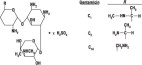
- Staphylococcus aureus, Staphylococcus epidermidis, Streptococcus pyogenes, Streptococcus pneumoniae, Enterobacter aerogenes, Escherichia coli, Haemophilus influenzae, Klebsiella pneumoniae, Neisseria gonorrhoeae, Pseudomonas aeruginosa, and Serratia marcescens.