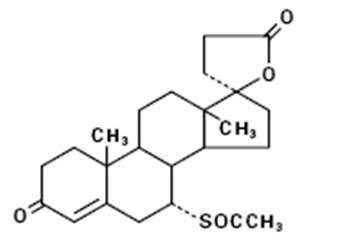
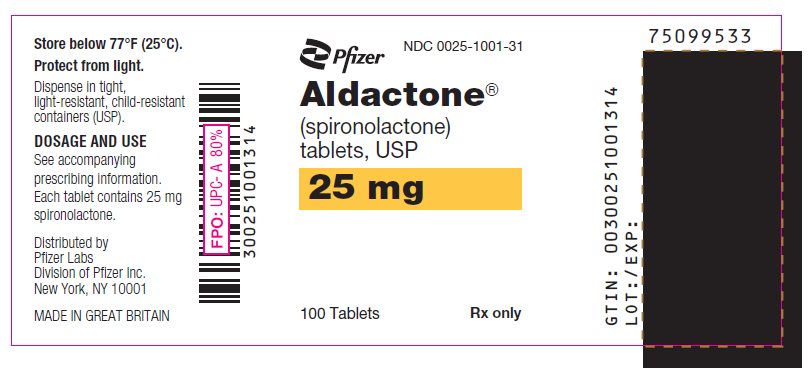
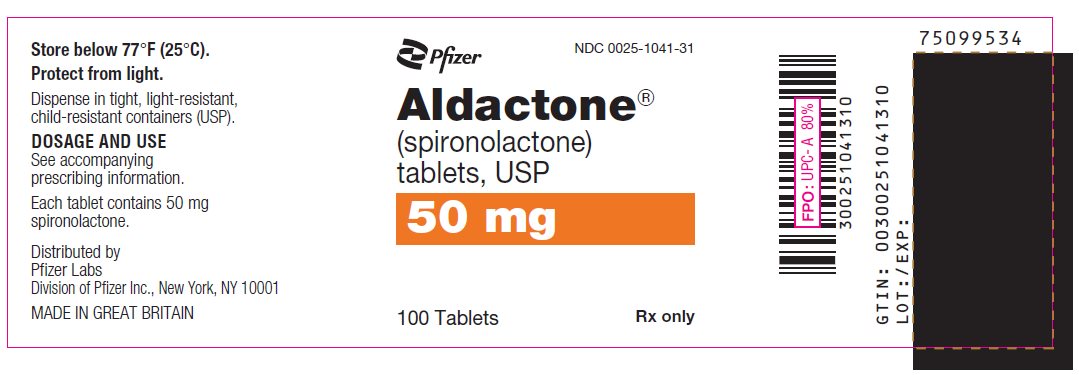
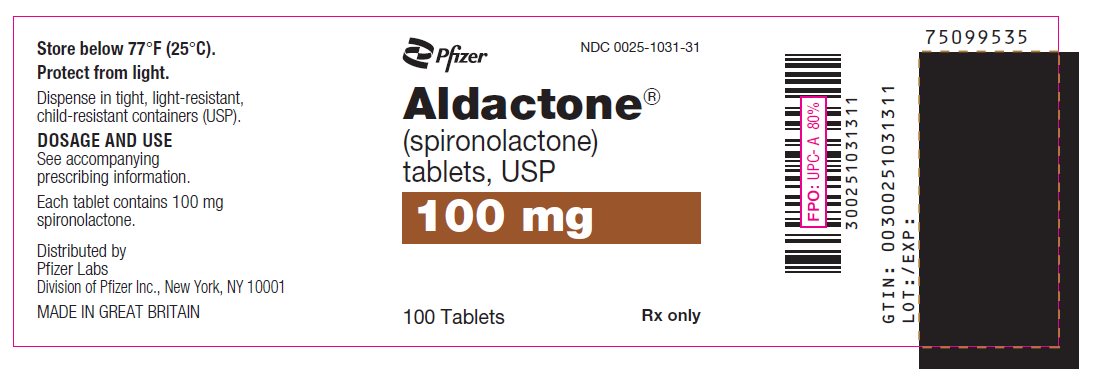
Aldactone
What is Aldactone (CaroSpir)?
For people managing conditions like heart failure, high blood pressure, or fluid retention, maintaining balance in the body can be challenging. Swelling, shortness of breath, or fatigue can interfere with daily activities and quality of life. Aldactone (spironolactone), also available in liquid form as CaroSpir, is a medication designed to restore that balance by helping the body get rid of excess fluid and manage hormone-related effects on the heart and kidneys.
Aldactone is a potassium-sparing diuretic, meaning it helps the body remove extra water and sodium without causing potassium loss, a common issue with many diuretics. It has been used for decades as a well-established and trusted therapy in treating several heart, kidney, and hormone-related conditions. Beyond its role in fluid management, Aldactone also helps regulate certain hormones that can affect blood pressure, heart health, and even skin conditions like acne or hormonal imbalances.
What does Aldactone do?
Aldactone is prescribed for several medical conditions that cause fluid buildup or hormonal imbalance. It works by helping the kidneys remove excess salt and water while retaining potassium, an essential mineral for heart and muscle function.
Doctors most commonly prescribe Aldactone for:
- Heart failure: Helps prevent fluid buildup in the lungs and legs, easing breathing and swelling.
- High blood pressure (hypertension): Assists in lowering blood pressure and reducing strain on the heart.
- Edema (fluid retention): Often due to liver cirrhosis, kidney disease, or congestive heart failure.
- Primary hyperaldosteronism: A condition where the body produces too much aldosterone, leading to high blood pressure and low potassium.
- Hormonal conditions: Sometimes used off-label to manage hormonal acne, polycystic ovary syndrome (PCOS), or hirsutism (excess hair growth).
In clinical studies, Aldactone has been shown to improve survival in patients with chronic heart failure and reduce hospitalizations when used alongside standard therapies (NIH, 2024). Many patients experience less swelling, better breathing, and improved energy levels once fluid balance and blood pressure stabilize.
How does Aldactone work?
Aldactone works by blocking the action of aldosterone, a natural hormone made by the adrenal glands. Aldosterone tells the kidneys to retain sodium and water while excreting potassium. In certain conditions such as heart failure or hyperaldosteronism, the body produces too much aldosterone, leading to fluid buildup, high blood pressure, and potassium loss.
By blocking aldosterone, Aldactone causes the kidneys to release excess sodium and water into the urine while holding onto potassium. This helps reduce swelling, ease breathing, and lower blood pressure without causing dangerous electrolyte imbalances.
Clinically, this mechanism is critical for patients with heart failure, where high aldosterone levels can worsen heart strain and fluid overload. By controlling this hormone, Aldactone not only manages symptoms but also protects the heart and blood vessels from long-term damage.
Aldactone side effects
Most people tolerate Aldactone well when taken as prescribed, but side effects can occur, especially if electrolyte levels become imbalanced.
Common side effects may include:
- Dizziness or lightheadedness
- Nausea or upset stomach
- Mild increase in urination
- Breast tenderness or swelling (in both men and women)
- Irregular menstrual periods
Serious side effects (less common):
- High potassium levels (hyperkalemia), which may cause muscle weakness or irregular heartbeat
- Confusion, fainting, or severe fatigue
- Allergic reaction (rash, swelling, or difficulty breathing)
- Liver or kidney issues, signaled by yellowing of the skin or eyes (jaundice)
Who should avoid Aldactone:
People with severe kidney disease, high potassium levels, or Addison’s disease should generally not take Aldactone. It should also be used cautiously in patients taking other medications that increase potassium, such as ACE inhibitors, ARBs, or potassium supplements.
Seek immediate medical attention if you experience symptoms of high potassium (such as muscle weakness, slow heartbeat, or tingling sensations) or signs of an allergic reaction. Regular blood tests help doctors ensure potassium and kidney function stay within safe ranges.
Aldactone dosage
Aldactone is a tablet, while CaroSpir is a liquid, both taken orally. Dosage varies by condition, age, kidney function, and treatment response. Take Aldactone daily, with food, and avoid salt substitutes or potassium supplements unless advised by a doctor.
Regular monitoring is key. Your doctor will likely check:
- Potassium and sodium levels to ensure safe balance
- Kidney function tests to prevent complications
- Blood pressure and body weight to track fluid control
Older adults and people with kidney problems often require lower doses to reduce the risk of high potassium or dehydration.
Does Aldactone have a generic version?
Yes. Aldactone’s active ingredient, spironolactone, is available in generic form and has full approval from the U.S. Food and Drug Administration (FDA). The generic version is equally safe and effective as the brand-name product but is usually more affordable.
CaroSpir is a brand-name liquid spironolactone for patients needing a liquid option. All spironolactone formulations (Aldactone, CaroSpir, generic) offer the same therapeutic benefits. Consult a healthcare professional before switching formulations to ensure correct dosing and usage.
Conclusion
Aldactone (spironolactone) is a trusted, versatile medication that helps people manage heart failure, high blood pressure, and fluid retention, conditions that can significantly impact quality of life. By blocking the effects of aldosterone, it helps the body eliminate excess fluid, maintain healthy potassium levels, and reduce the burden on the heart and kidneys.
With proper monitoring, Aldactone and CaroSpir offer safe, effective treatment, improving breathing and reducing swelling. These medications are vital for cardiovascular and renal care, helping patients regain comfort and control in their lives.
References
- Mayo Clinic. (2024). Spironolactone (oral route) drug information. Retrieved from https://www.mayoclinic.org
- U.S. Food and Drug Administration (FDA). (2024). Aldactone (spironolactone) and CaroSpir prescribing information. Retrieved from https://www.accessdata.fda.gov
- MedlinePlus. (2024). Spironolactone: Uses, side effects, and precautions. National Library of Medicine. Retrieved from https://medlineplus.gov
- National Institutes of Health (NIH). (2024). Aldosterone antagonists in heart failure management. Retrieved from https://www.nih.gov
Top Global Experts
There are no experts for this drug
Related Clinical Trials
There is no clinical trials being done for this treatment
Related Latest Advances
There is no latest advances for this treatment
Brand Information
- Hyperkalemia
- Addison's disease
- Concomitant use of eplerenone
- Hyperkalemia
- Hypotension and Worsening Renal Function
- Electrolyte and Metabolic Abnormalities
- Gynecomastia
- Impaired neurological function/ coma in patients with hepatic impairment, cirrhosis and ascites