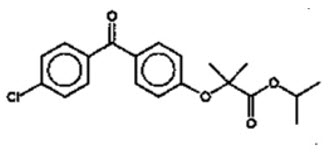
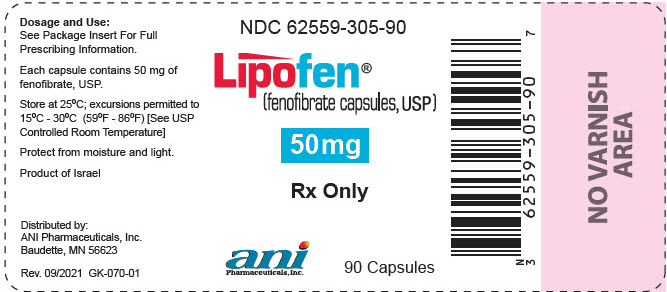
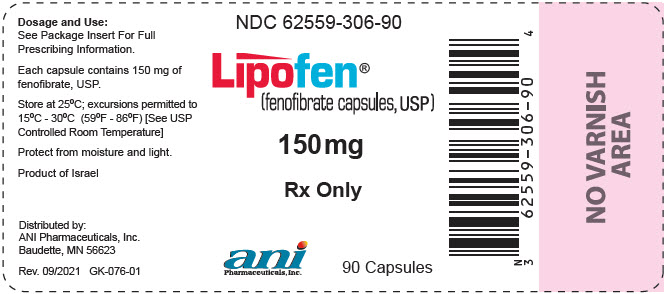
Fenofibrate
What is Lipofen (Fenofibrate)?
High cholesterol and triglyceride levels are common health challenges that silently increase the risk of heart disease and stroke. For many people, lifestyle changes alone may not be enough to bring lipid levels under control. That’s where Fenofibrate comes in, a long-established, clinically proven medication designed to help lower harmful fats in the blood and improve heart health.
Fenofibrate belongs to a group of medicines known as fibrates. It works by reducing triglycerides and “bad” cholesterol (LDL) while increasing “good” cholesterol (HDL). Often used as part of a broader treatment plan alongside diet and exercise, Fenofibrate is especially helpful for individuals with mixed dyslipidemia or severe hypertriglyceridemia. It has been in medical use for decades, making it a trusted option in cardiovascular risk reduction.
What does Fenofibrate do?
Fenofibrate is primarily prescribed to lower triglyceride levels and manage cholesterol in adults with high lipid levels (hyperlipidemia). It is often used:
- To reduce triglycerides in patients at risk of pancreatitis due to very high triglyceride levels.
- Alongside statins (such as atorvastatin or simvastatin) for patients needing further lipid control.
- To increase HDL cholesterol, which helps remove excess cholesterol from arteries.
According to clinical studies, Fenofibrate can reduce triglyceride levels by 30–50% and raise HDL cholesterol by 10–20%, depending on the individual’s baseline values and lifestyle factors (Mayo Clinic, 2024).
In patients with metabolic syndrome or type 2 diabetes, lowering triglycerides and improving HDL can significantly reduce long-term cardiovascular risk. However, it is usually prescribed along with lifestyle changes such as a healthy diet, weight control, and regular physical activity.
How does Fenofibrate work?
Fenofibrate works by activating an enzyme system in the body called PPAR-alpha (peroxisome proliferator-activated receptor alpha). This activation leads to a series of beneficial metabolic effects:
- It increases the breakdown of triglyceride-rich particles in the blood.
- It enhances the removal of LDL (“bad”) cholesterol from circulation.
- It boosts HDL (“good”) cholesterol production.
- It reduces the production of very-low-density lipoproteins (VLDL), which are rich in triglycerides.
In simpler terms, Fenofibrate helps the body burn and clear fat more efficiently, keeping blood vessels healthier and reducing the risk of plaque buildup (atherosclerosis).
Clinically, these effects help prevent complications such as heart attack, stroke and pancreatitis caused by uncontrolled lipid levels.
Fenofibrate side effects
Like all medications, Fenofibrate can cause side effects, though most people tolerate it well when taken as prescribed. Understanding what to expect helps patients use it confidently and safely.
Common side effects include:
- Stomach discomfort, nausea or mild diarrhea
- Headache or dizziness
- Joint or back pain
- Mild increases in liver enzymes detected on routine blood tests
Less common but potentially serious side effects:
- Muscle pain, tenderness, or weakness, especially when used with statins — these may signal muscle inflammation or breakdown (myopathy or rhabdomyolysis).
- Liver problems, indicated by symptoms such as fatigue, dark urine, yellowing of the skin or eyes (jaundice), or upper abdominal pain.
- Gallstones (cholelithiasis), due to changes in bile composition.
- Allergic reactions, such as rash, swelling, or difficulty breathing (rare).
Who should avoid Fenofibrate: Fenofibrate is not recommended for individuals with severe liver disease, gallbladder disease or significant kidney impairment. It should also be used cautiously in older adults, as kidney function naturally declines with age (MedlinePlus, 2024).
When to seek medical help: Contact a healthcare provider immediately if you notice unexplained muscle pain, severe fatigue, yellowing of the skin or dark urine, as these may be signs of a serious reaction.
Fenofibrate dosage
Fenofibrate is available in tablet and capsule forms, typically taken once daily with food to improve absorption. Patients should always follow their doctor’s specific dosing instructions and not adjust doses on their own.
Because Fenofibrate affects liver and kidney function, regular monitoring is a crucial part of therapy. Doctors may recommend:
- Liver function tests before and during treatment
- Kidney function tests to ensure safe drug clearance
- Lipid panels to check progress and guide adjustments
- Muscle enzyme (CK) tests if symptoms of muscle pain occur
For patients with mild kidney impairment, a lower dose may be prescribed. Those with advanced kidney disease are typically advised to avoid the drug.
If used with a statin, careful monitoring is essential to minimize the risk of muscle-related side effects. Patients should report any unusual symptoms promptly.
Does Fenofibrate have a generic version?
Yes. Fenofibrate is available as a generic medication, approved by the FDA and widely used worldwide. Generic versions, such as Tricor, Antara, Lipofen, Lofibra, and Triglide, are as safe and effective as their brand-name counterparts, containing the same active ingredient.
Because multiple generic options exist, Fenofibrate is affordable and accessible, making it a practical long-term treatment for patients needing lipid control.
Conclusion
Fenofibrate is a time-tested and effective medication for managing high cholesterol and triglycerides. By improving the body’s fat metabolism and promoting healthier lipid levels, it plays a crucial role in reducing the risk of heart disease and pancreatitis in at-risk individuals.
When prescribed and monitored by a qualified healthcare provider, Fenofibrate offers a powerful tool for cardiovascular protection and long-term wellness. Patients can feel reassured knowing it’s a trusted therapy supported by decades of clinical experience and strong evidence.
Taking Fenofibrate as part of a comprehensive heart-healthy plan including balanced nutrition, exercise, and regular checkups can make a meaningful difference in protecting your heart and improving quality of life.
References
- Mayo Clinic. (2024). Fenofibrate (oral route). https://www.mayoclinic.org/drugs-supplements/fenofibrate-oral-route/description/drg-20068427
- MedlinePlus. (2024). Fenofibrate. https://medlineplus.gov/druginfo/meds/a686017.html
- FDA. (2024). Drug Safety and Availability — Fenofibrate Information. https://www.fda.gov
Approved To Treat
Top Global Experts
There are no experts for this drug
Related Clinical Trials
There is no clinical trials being done for this treatment
Related Latest Advances
There is no latest advances for this treatment
Brand Information
- to reduce triglyceride (TG) levels in adults with severe hypertriglyceridemia (TG greater than or equal to 500 mg/dL).
- to reduce elevated low-density lipoprotein cholesterol (LDL-C) in adults with primary hyperlipidemia when use of recommended LDL-C lowering therapy is not possible.
- 50 mg: Size 3 white opaque gelatin capsule imprinted "G 246" and "50" in black ink.
- 150 mg: Size 1 white opaque gelatin capsule imprinted "G 248" and "150" in green ink.
- Severe renal impairment, including those with end-stage renal disease (ESRD) and those receiving dialysis
- Active liver disease, including those with unexplained persistent liver function abnormalities
- Pre-existing gallbladder disease
- Hypersensitivity to fenofibrate, fenofibric acid, or any of the excipients in LIPOFEN. Serious hypersensitivity reactions including anaphylaxis and angioedema have been reported with fenofibrate
- Mortality and coronary heart disease morbidity
- Hepatoxicity
- Myopathy and Rhabdomyolysis
- Increases in Serum Creatinine
- Cholelithiasis
- Increased Bleeding Risk with Coumarin Anticoagulants
- Pancreatitis
- Hematologic Changes
- Hypersensitivity reactions
- Venothromboembolic disease
- Paradoxical Decreases in HDL Cholesterol Levels