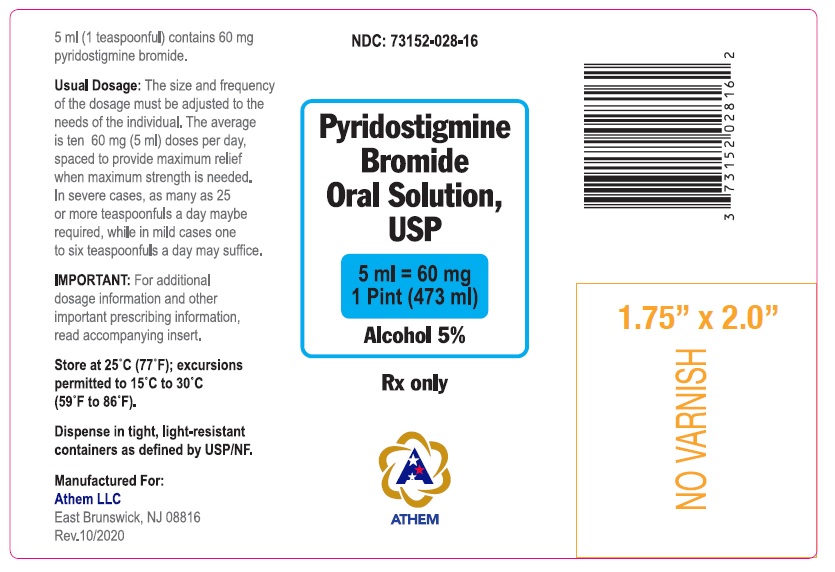
Pyridostigmine
What is Pryidostigmine (Pyridostigmine)?
Approved To Treat


Related Clinical Trials
Summary: This is a 3-day study comparing pyridostigmine versus placebo in the treatment of postural tachycardia syndrome (POTS). The researchers expect pyridostigmine to improve tachycardia and stabilize blood pressure.
Summary: The LIFT will be conducted at Brigham and Women's Hospital (BWH) of Harvard Medical School, focusing on the effect of Pyridostigmine (Mestinon) and Low-Dose Naltrexone (LDN) in subjects aged 18-65 meeting the Canadian consensus criteria (CCC) for Myalgic Encephalomyelitis/Chronic Fatigue Syndrome (ME/CFS) as well as having specifically Orthostatic Intolerance. This double-blind, placebo-controlled...
Summary: A double blind, placebo controlled, randomized control trial studying the safety and efficacy of pyridostigmine as a rescue therapy for postoperative ileus. Patients who undergo elective colorectal resection with or without creation of an ostomy, and subsequently develop postoperative ileus will be eligible for enrollment. Patients will be randomized to receive either pyridostigmine or placebo in ...
Related Latest Advances
Brand Information
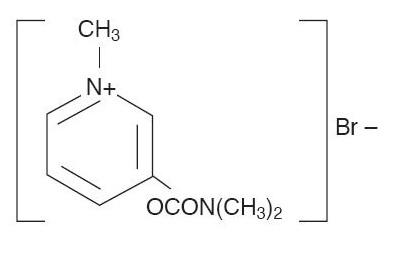
Usage in Pregnancy
The safety of pyridostigmine bromide oral solution during pregnancy or lactation in humans has not been established. Therefore, use of pyridostigmine bromide oral solution in women who may become pregnant requires weighing the drug's potential benefits against its possible hazards to mother and child.
Safety and effectiveness in pediatric patients have not been established.
raspberry-flavored, containing 60 mg pyridostigmine bromide per teaspoonful (5 mL). This form permits accurate dosage adjustment for children and "brittle" myasthenic patients who require fractions of 60 mg doses. It is more easily swallowed, especially in the morning, by patients with bulbar involvement.
The size and frequency of the dosage must be adjusted to the needs of the individual patient.
The average dose is ten 5 mL teaspoonfuls daily, spaced to provide maximum relief when maximum strength is needed. In severe cases, as many as 25 teaspoonfuls a day may be required, while in mild cases one to six teaspoonfuls a day may suffice.