Etodolac
View Brand InformationWhat is Etodolac?
Pain and inflammation can make everyday tasks from climbing stairs to simply getting out of bed feel overwhelming. For people living with arthritis or chronic joint pain, effective relief isn’t just about comfort; it’s about maintaining mobility, independence, and quality of life. Etodolac is a medication that helps reduce inflammation and manage pain so patients can move more freely and live more comfortably.
Etodolac belongs to a class of drugs called nonsteroidal anti-inflammatory drugs (NSAIDs). It’s been prescribed for decades to treat pain and swelling caused by conditions like osteoarthritis, rheumatoid arthritis, and acute musculoskeletal pain. Unlike narcotic painkillers, etodolac does not cause dependence. It works by targeting the underlying inflammation responsible for pain, making it a long-standing and trusted option for both short-term and chronic pain management.
What does Etodolac do?
Etodolac is primarily used to relieve pain, inflammation, and stiffness associated with arthritis and related conditions. It can also be prescribed for short-term relief of mild to moderate pain, such as postoperative discomfort, muscle strains, or menstrual cramps.
For people with osteoarthritis or rheumatoid arthritis, etodolac helps improve mobility by reducing swelling in the joints, easing stiffness, and decreasing tenderness. Patients who use it regularly as prescribed often report better joint flexibility and reduced daily discomfort, allowing for greater participation in normal physical activities.
In clinical studies, etodolac has been shown to be effective in controlling inflammation and pain while maintaining a relatively favorable gastrointestinal (GI) tolerance profile compared with some older NSAIDs (NIH, 2024). When used properly under medical guidance, it can significantly enhance daily functioning and overall quality of life.
How does Etodolac work?
Etodolac works by blocking the production of prostaglandins, which are natural substances in the body that promote inflammation, pain, and fever. It does this by inhibiting enzymes called cyclooxygenase-1 (COX-1) and cyclooxygenase-2 (COX-2).
By reducing prostaglandin levels, etodolac helps relieve inflammation in the joints and muscles, which in turn reduces pain, swelling, and stiffness. Clinically, this is important because prostaglandins are a key driver of the inflammation and discomfort that characterize arthritis and other chronic pain conditions.
Etodolac has some selectivity for COX-2, meaning it may cause slightly fewer stomach-related side effects than traditional nonselective NSAIDs like ibuprofen or naproxen. However, all NSAIDs carry potential risks, and patients should use them under medical supervision, especially for long-term treatment.
Etodolac side effects
Like any medication, etodolac can cause side effects, though not everyone experiences them. Most are mild and temporary, but some can be serious if not monitored carefully.
Common side effects may include:
- Upset stomach, nausea, or heartburn
- Diarrhea or constipation
- Dizziness or headache
- Swelling of hands or feet (fluid retention)
Less common but serious side effects include:
- Stomach ulcers, bleeding, or black stools
- Unexplained weight gain or shortness of breath (possible fluid buildup)
- Chest pain or signs of a heart attack or stroke
- Yellowing of the skin or eyes (possible liver issues)
- Severe rash, itching, or swelling (possible allergic reaction)
Who should avoid etodolac:
- Individuals with a history of allergic reactions to NSAIDs or aspirin
- Those with active stomach ulcers, severe kidney or liver disease, or recent heart surgery
- Patients with uncontrolled high blood pressure or heart disease should discuss risks and alternatives with their doctor
Seek immediate medical attention if you experience chest pain, difficulty breathing, sudden weakness, severe stomach pain, or vomiting blood.
It’s important to note that NSAIDs, including etodolac, may increase the risk of heart attack or stroke, especially with long-term use or in people with cardiovascular disease. However, for many patients, these risks are manageable with appropriate monitoring and dosage adjustments under medical supervision.
Etodolac dosage
Etodolac comes in tablet and capsule forms, including extended-release, taken orally with food or milk. Dosage varies by condition, severity, and patient response. It treats chronic arthritis symptoms or acute pain for shorter durations.
Avoid exceeding prescribed doses or combining with other NSAIDs without medical advice due to increased side effect risk.
Long-term NSAID use may require blood tests for kidney and liver function, and blood pressure checks, to ensure safety and effectiveness. Older adults or those with reduced kidney function might need lower doses or extra monitoring due to decreased NSAID processing ability.
Does Etodolac have a generic version?
Yes. Etodolac is available as a generic medication in the United States and many other countries. Generic versions contain the same active ingredient, dosage strength, safety, and effectiveness as brand-name versions but are usually more affordable.
Though previously marketed as Lodine and Lodine XL, generic etodolac is now common. The FDA ensures all approved generic versions meet the same quality standards as branded medication, offering equal therapeutic benefits at a lower cost.
Conclusion
Etodolac is a proven and reliable NSAID used to relieve pain and inflammation from arthritis, injuries, and other musculoskeletal conditions. By targeting the underlying cause of discomfort inflammation, it helps patients move more freely and live with less pain.
Etodolac effectively manages chronic and acute pain with proper medical guidance. Side effects are generally manageable, especially with regular checkups and the lowest effective dose, benefiting those with heart, kidney, or gastrointestinal risks. Consistent, prescribed use, and open communication with your doctor ensure safety and efficacy, improving comfort, mobility, and quality of life.
References
- U.S. Food and Drug Administration (FDA). (2024). Etodolac: Drug label and prescribing information. Retrieved from https://www.accessdata.fda.gov
- Mayo Clinic. (2024). Etodolac (oral route) drug information. Retrieved from https://www.mayoclinic.org
- MedlinePlus. (2024). Etodolac: Uses, side effects, and precautions. National Library of Medicine. Retrieved from https://medlineplus.gov
- National Institutes of Health (NIH). (2024). Nonsteroidal anti-inflammatory drugs and pain management guidelines. Retrieved from https://www.nih.gov
Approved To Treat
Top Global Experts
There are no experts for this drug
Related Clinical Trials
There is no clinical trials being done for this treatment
Related Latest Advances
There is no latest advances for this treatment
Brand Information

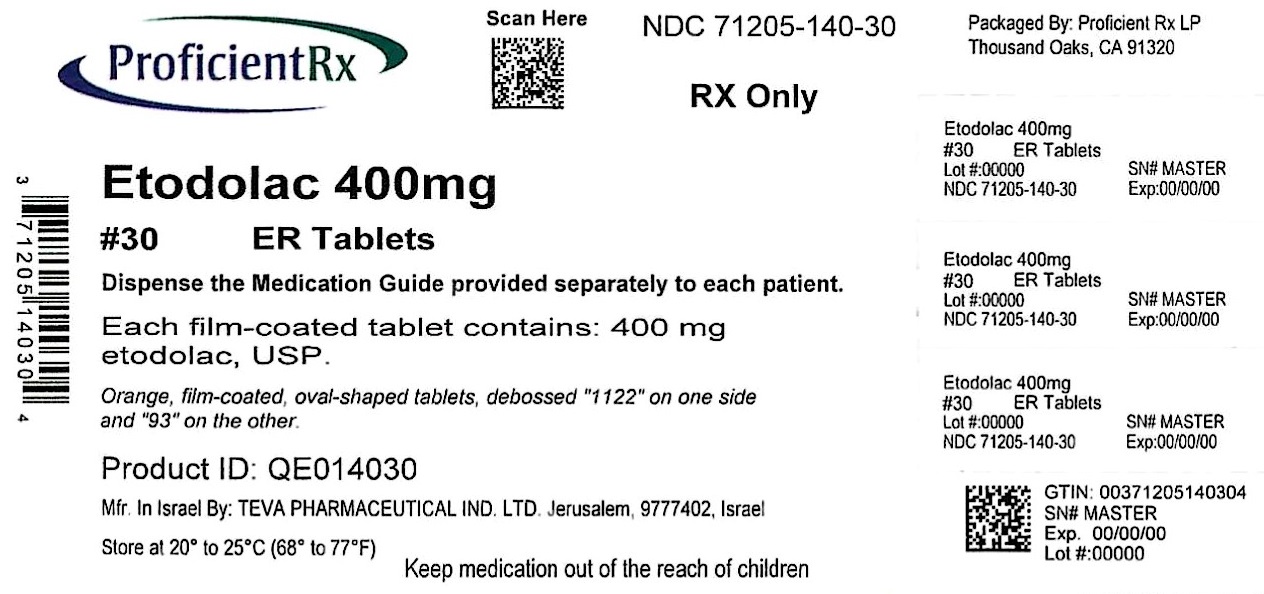
Extended-Release
400 mg