MetFORMIN
What is Alogliptin (MetFORMIN)?
For millions of people living with type 2 diabetes, managing blood sugar can feel like a constant balancing act, one that affects energy, mood, and long-term health. When lifestyle changes like diet and exercise aren’t enough, medications play a crucial role in keeping glucose levels under control. Alogliptin (Metformin) is one such combination therapy that helps many patients achieve stable blood sugar and a healthier, more active life.
Alogliptin (Metformin) combines two well-established diabetes medications: alogliptin, a DPP-4 inhibitor (dipeptidyl peptidase-4 inhibitor), and metformin, a biguanide. Each works in a different but complementary way to lower blood glucose levels. This combination is often prescribed for adults with type 2 diabetes mellitus when single-drug therapy isn’t sufficient. It is not used to treat type 1 diabetes or diabetic ketoacidosis.
By targeting blood sugar control through two mechanisms, Alogliptin (Metformin) helps patients maintain steadier glucose levels throughout the day reducing fatigue, excessive thirst, and long-term complications such as nerve, kidney, and heart problems.
What does Alogliptin do?
Alogliptin is prescribed to control high blood sugar in adults with type 2 diabetes. The combination improves the body’s ability to use its own insulin more effectively, helping to keep glucose levels within a healthy range.
This medication helps:
- Lower fasting and post-meal blood sugar levels
- Improve the body’s response to insulin
- Decrease the liver’s production of excess glucose
- Support overall glycemic stability, especially when diet and exercise alone are not enough
Clinical studies have shown that this combination therapy provides greater blood sugar reduction than either medication alone. Many patients report improved energy, fewer fluctuations in glucose readings, and a better quality of life with consistent use (NIH, 2024).
Importantly, Alogliptin (Metformin) does not typically cause low blood sugar (hypoglycemia) when used alone, though the risk may increase if it’s combined with other diabetes medications such as insulin or sulfonylureas.
How does Alogliptin work?
Alogliptin (Metformin) works through two complementary mechanisms to help the body regulate glucose efficiently.
1. Alogliptin’s role (DPP-4 inhibitor):
Alogliptin increases the levels of certain natural hormones called incretins (GLP-1 and GIP), which help control blood sugar by:
- Stimulating the pancreas to release insulin when blood sugar is high
- Reducing the liver’s production of glucose
- Slowing the breakdown of incretins, allowing them to work longer in the body
This helps maintain steady blood sugar levels after eating, preventing spikes and dips that can cause fatigue and other symptoms.
2. Metformin’s role (biguanide):
Metformin works primarily by decreasing glucose production in the liver and improving insulin sensitivity in muscle cells, allowing the body to use sugar more effectively. It also reduces sugar absorption from food in the intestines, further helping to stabilize blood glucose.
Together, these actions create a powerful dual effect: metformin reduces glucose production, while alogliptin enhances insulin’s natural effects. Clinically, this combination is valuable because it targets both the root causes of high blood sugar, insulin resistance and impaired insulin secretion.
Alogliptin side effects
Like all medications, Alogliptin can cause side effects. Most are mild and improve over time, but some may require medical attention.
Common side effects include:
- Nausea, upset stomach, or diarrhea
- Headache
- Cold-like symptoms (stuffy nose, sore throat)
- Fatigue or mild dizziness
Serious side effects (less common):
- Lactic acidosis: A rare but serious buildup of lactic acid in the blood. Symptoms include muscle pain, slow heartbeat, extreme tiredness, or trouble breathing. Seek medical help immediately if these occur.
- Pancreatitis: Severe abdominal pain that may radiate to the back, nausea, or vomiting.
- Heart failure: Shortness of breath, swelling of the ankles or feet, and sudden weight gain.
- Liver or kidney problems: Unusual fatigue, dark urine, or yellowing of the skin or eyes.
Inform your doctor about severe kidney/liver disease, heart failure, or excessive alcohol use before taking this medication. Most tolerate it well, especially with low doses and food to reduce stomach upset.
Alogliptin dosage
Alogliptin (Metformin) is a tablet taken orally, typically once or twice daily with meals to lessen stomach upset. Dosage varies based on the patient’s condition, treatment response, and kidney function, with doctors often starting low and increasing gradually.
Metformin requires regular monitoring of kidney function (creatinine levels), blood sugar (HbA1c), and liver enzymes. Dose adjustments or closer supervision may be needed for older adults or those with reduced kidney function. Avoid excessive alcohol due to the risk of lactic acidosis.
Does Alogliptin have a generic version?
Yes. Alogliptin is available in generic form, approved by the U.S. Food and Drug Administration (FDA). Generic versions contain the same active ingredients, dosage strength, and safety profile as the brand-name drugs.
Common brand-name formulations include Kazano and Nesina Met, both of which combine alogliptin and metformin in a single tablet. Generic versions are often more affordable while offering the same therapeutic benefits, making them a preferred choice for long-term diabetes management.
Conclusion
Alogliptin (Metformin) is an effective and trusted combination therapy for adults with type 2 diabetes. By addressing both insulin resistance and insulin release, it provides comprehensive blood sugar control that helps protect against long-term complications like heart disease, kidney damage, and nerve problems.
Alogliptin is generally well-tolerated with proper medical supervision. For those struggling to manage type 2 diabetes with a single medication, it offers an evidence-based approach to improving health and an active lifestyle. Consistent medication, a balanced diet, physical activity, and open communication with your healthcare provider are crucial for success. With the right plan, Alogliptin can help control blood sugar and improve quality of life.
References
- U.S. Food and Drug Administration (FDA). (2024). Alogliptin and Metformin prescribing information. Retrieved from https://www.accessdata.fda.gov
- Mayo Clinic. (2024). Alogliptin and Metformin (oral route) description and precautions. Retrieved from https://www.mayoclinic.org
- MedlinePlus. (2024). Alogliptin and Metformin: Uses and side effects. National Library of Medicine. Retrieved from https://medlineplus.gov
- National Institutes of Health (NIH). (2024). Combination therapy in type 2 diabetes management. Retrieved from https://www.nih.gov
Approved To Treat
Top Global Experts
There are no experts for this drug
Related Clinical Trials
There is no clinical trials being done for this treatment
Related Latest Advances
There is no latest advances for this treatment
Brand Information
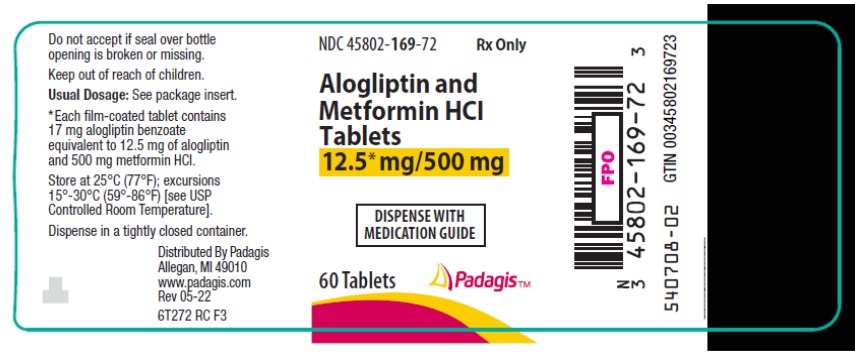
- 12.5 mg/500 mg tablets are pale yellow, oblong, film-coated tablets with "12.5/500" debossed on one side and "322M" debossed on the other side
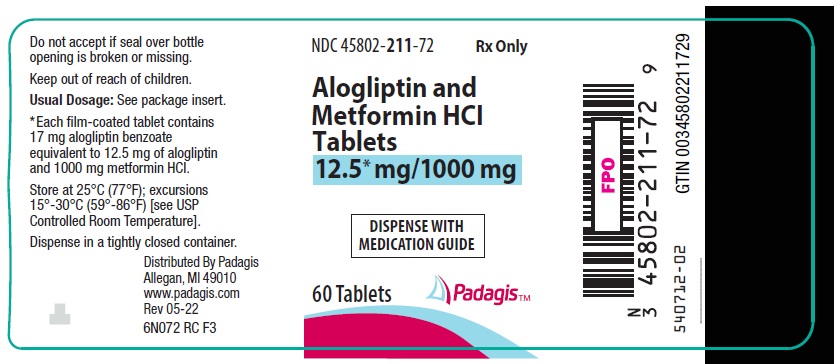
- 12.5 mg/1000 mg tablets are pale yellow, oblong, film-coated tablets with "12.5/1000" debossed on one side and "322M" debossed on the other side
- Severe renal impairment (eGFR below 30 mL/min/1.73 m
- Acute or chronic metabolic acidosis, including diabetic ketoacidosis with or without coma.
- History of serious hypersensitivity reaction to alogliptin or metformin or any of the excipients, such as anaphylaxis, angioedema and severe cutaneous adverse reactions
- Pancreatitis
- Heart Failure
- Hypersensitivity Reactions
- Hepatic Effects
- Severe and Disabling Arthralgia
- Bullous Pemphigoid