Ondansetron
What is Ondansetron ODT (Ondansetron)?
Nausea and vomiting can be more than just unpleasant; they can be profoundly draining, preventing you from eating, drinking and recovering from illness or medical treatment. For patients undergoing chemotherapy, radiation or surgery, the fear of post-treatment sickness can add a heavy layer of anxiety to an already stressful situation. Fortunately, a highly effective and widely used medication called Ondansetron is available to provide powerful relief.
Ondansetron is a prescription medication that is a cornerstone in the prevention of nausea and vomiting. It belongs to a class of drugs known as serotonin 5-HT3 receptor antagonists. Unlike older anti-nausea medications that often caused significant drowsiness, Ondansetron offers a more targeted approach. As a well-established, first-line therapy, it has revolutionized the patient experience for countless individuals, allowing them to better tolerate essential medical treatments and improve their quality of life during recovery.
What does Ondansetron do?
Ondansetron is approved by the U.S. Food and Drug Administration (FDA) specifically to prevent, not treat, nausea and vomiting associated with:
- Chemotherapy: It is highly effective at preventing the nausea and vomiting induced by cancer-fighting drugs.
- Radiation Therapy: It helps manage the sickness that can result from radiation treatments, particularly those aimed at the abdomen.
- Surgery: It is commonly given before or after surgical procedures to prevent post-operative nausea and vomiting (PONV).
The primary goal of Ondansetron is to stop nausea and vomiting before they start. By providing this preventative control, it helps patients maintain hydration and nutrition, feel more comfortable, and have a more positive outlook on their treatment and recovery process. Its effectiveness is well-documented, making it a standard of care in hospitals and cancer centers around the world.
How does Ondansetron work?
To understand how Ondansetron works, it’s helpful to know about a natural chemical messenger in your body called serotonin. While serotonin is well-known for its role in mood, it also plays a crucial part in the digestive system and the body’s vomiting reflex.
When your body undergoes treatments like chemotherapy or surgery, cells in your stomach and small intestine can be damaged, causing them to release large amounts of serotonin. This flood of serotonin then travels to and stimulates specific nerve endings in the gut, and a part of the brain called the “chemoreceptor trigger zone,” or the vomiting center. When this center is activated, it sends signals that trigger the feelings of nausea and the physical act of vomiting.
Ondansetron is a 5-HT3 receptor antagonist. This means it works by precisely targeting and blocking the 5-HT3 receptors that serotonin binds to. Think of these receptors as specific docking stations for serotonin. Ondansetron swoops in and occupies these docking stations on the nerves in both the gut and the brain’s vomiting center. By blocking these sites, it prevents excess serotonin from delivering its “nausea-inducing” message. This targeted blockade effectively interrupts the vomiting reflex at its source, providing powerful and specific relief without affecting other body systems in the way older medications did.
Ondansetron side effects
Ondansetron is generally well-tolerated, and its side effects are often mild. However, like any medication, it has potential risks.
The most common side effects include:
- Headache
- Constipation
- Fatigue or drowsiness
- Diarrhea
- Dizziness
Serious side effects, though rare, include QT prolongation, a change in the heart’s electrical rhythm, which can cause a fast, irregular heartbeat. This risk increases in patients with existing heart conditions, electrolyte imbalances (low potassium or magnesium) or those on other heart rhythm-affecting medications.
Another rare but serious risk is serotonin syndrome. This can occur if Ondansetron is taken with other medications that also increase serotonin levels, such as certain antidepressants (SSRIs, SNRIs). Symptoms can include agitation, hallucinations, rapid heart rate, fever and muscle stiffness.
Contact your doctor immediately for fainting, fluttering/racing heartbeat or severe dizziness. Inform them of your full medical history, including heart/liver conditions and all medications (Mayo Clinic, 2024).
Ondansetron dosage
Ondansetron comes in various forms: oral tablets, orally disintegrating tablets (ODT), oral solution and injections (IV/IM) for rapid hospital use. Dosing and timing are crucial; it’s typically given 30 minutes before chemotherapy or just before anesthesia to prevent nausea.
Routine lab monitoring is generally not needed. However, for patients at high risk of heart rhythm issues or electrolyte imbalances (e.g., due to certain chemotherapies, severe vomiting, or diarrhea), doctors may order an ECG and blood tests to check heart rhythm, potassium, and magnesium levels (National Institutes of Health, 2016).
Does Ondansetron have a generic version?
Yes, Ondansetron is widely available as a generic medication. The most common brand name is Zofran (and Zofran ODT for the disintegrating tablet), but the generic is used extensively. The U.S. Food and Drug Administration holds generic drugs to the same high standards of quality, safety and effectiveness as the brand-name product (FDA, 2021). The availability of a generic makes this essential medication very affordable and accessible.
Conclusion
Ondansetron is a powerful and highly effective medication that has become an indispensable tool in modern medicine for preventing nausea and vomiting. Its targeted action on serotonin receptors provides relief with fewer side effects than older alternatives, making difficult medical treatments more tolerable for millions of patients.
While it is important to be aware of the potential risks, especially concerning heart rhythm, Ondansetron is considered safe and effective when used as prescribed by a qualified healthcare provider. Open communication with your doctor about your health history and any symptoms you experience is the best way to ensure this medication works safely for you, allowing you to focus on your recovery.
References
- Food and Drug Administration (FDA). (2021). Generic Drug Facts. Retrieved from https://www.fda.gov/drugs/generic-drugs/generic-drug-facts
- Mayo Clinic. (2024). Ondansetron (Oral Route, Oromucosal Route). Retrieved from https://www.mayoclinic.org/drugs-supplements/ondansetron-oral-route-oromucosal-route/side-effects/drg-20070572
- National Institutes of Health. (2016). Ondansetron. MedlinePlus. Retrieved from https://medlineplus.gov/druginfo/meds/a601209.html
Approved To Treat
Top Global Experts
There are no experts for this drug
Related Clinical Trials
There is no clinical trials being done for this treatment
Related Latest Advances
There is no latest advances for this treatment
Brand Information
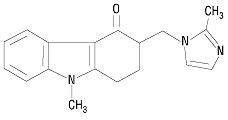
The molecular formula is C18H19N3O representing a molecular weight of 293.4 g/mol. Ondansetron is a white to off-white powder.
Each 4 mg ondansetron orally disintegrating tablet, USP for oral administration contains 4 mg ondansetron base. Each 8 mg ondansetron orally disintegrating tablet, USP for oral administration contains 8 mg ondansetron base. Each ondansetron orally disintegrating tablet, USP also contains the inactive ingredients mannitol, crospovidone, lactose monohydrate, microcrystalline cellulose, aspartame, strawberry guarana flavor, colloidal silicon dioxide, and magnesium stearate. The strawberry guarana flavor contains maltodextrin, propylene glycol, artificial flavors, and acetic acid. Ondansetron orally disintegrating tablets, USP are orally administered formulation of ondansetron which disintegrates on the tongue and does not require water to aid dissolution or swallowing.
Meets USP Disintegration Test 2.
No trials have been performed in males.