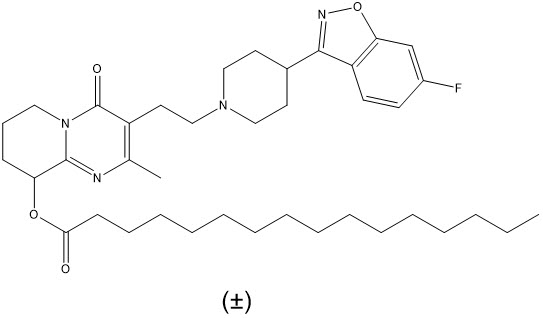
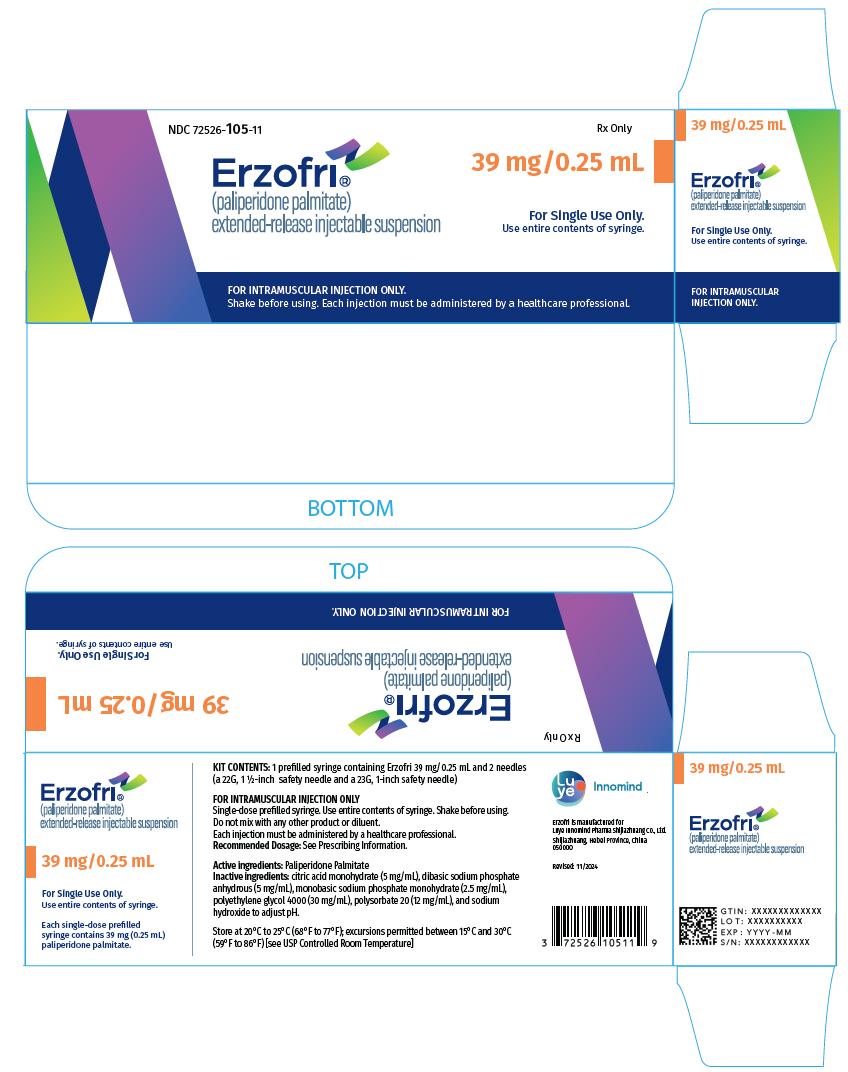
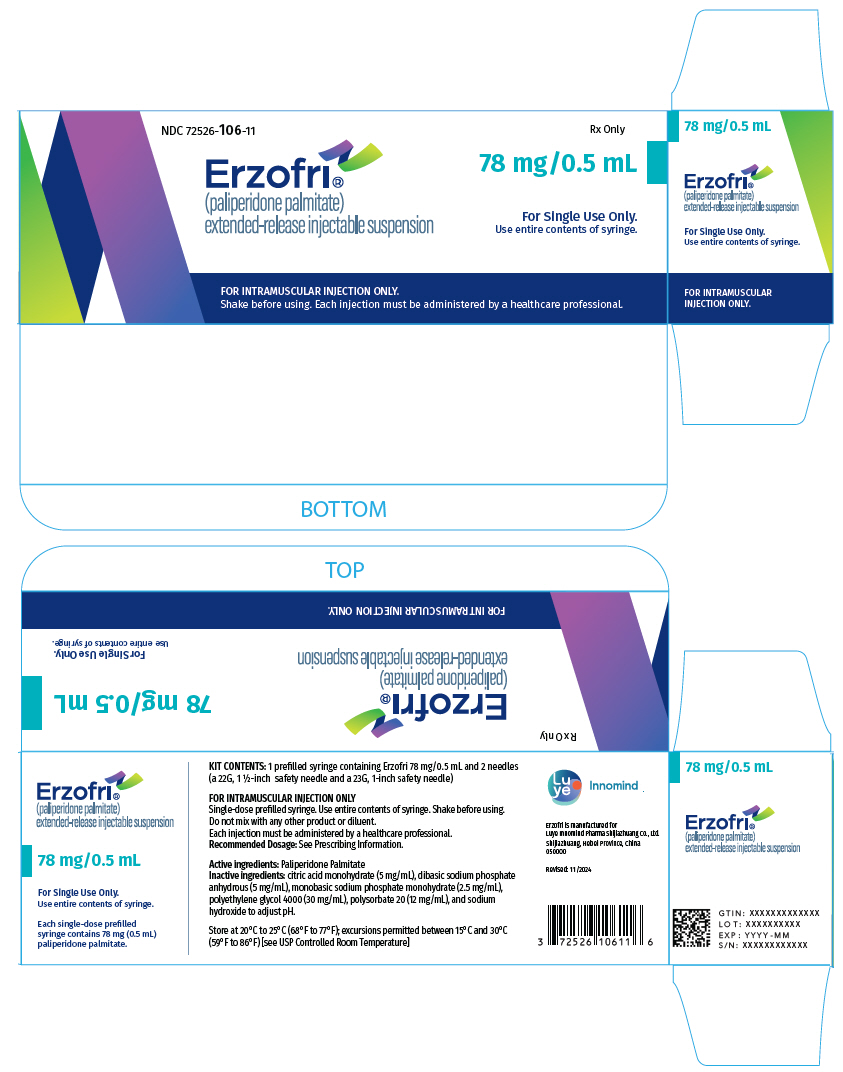
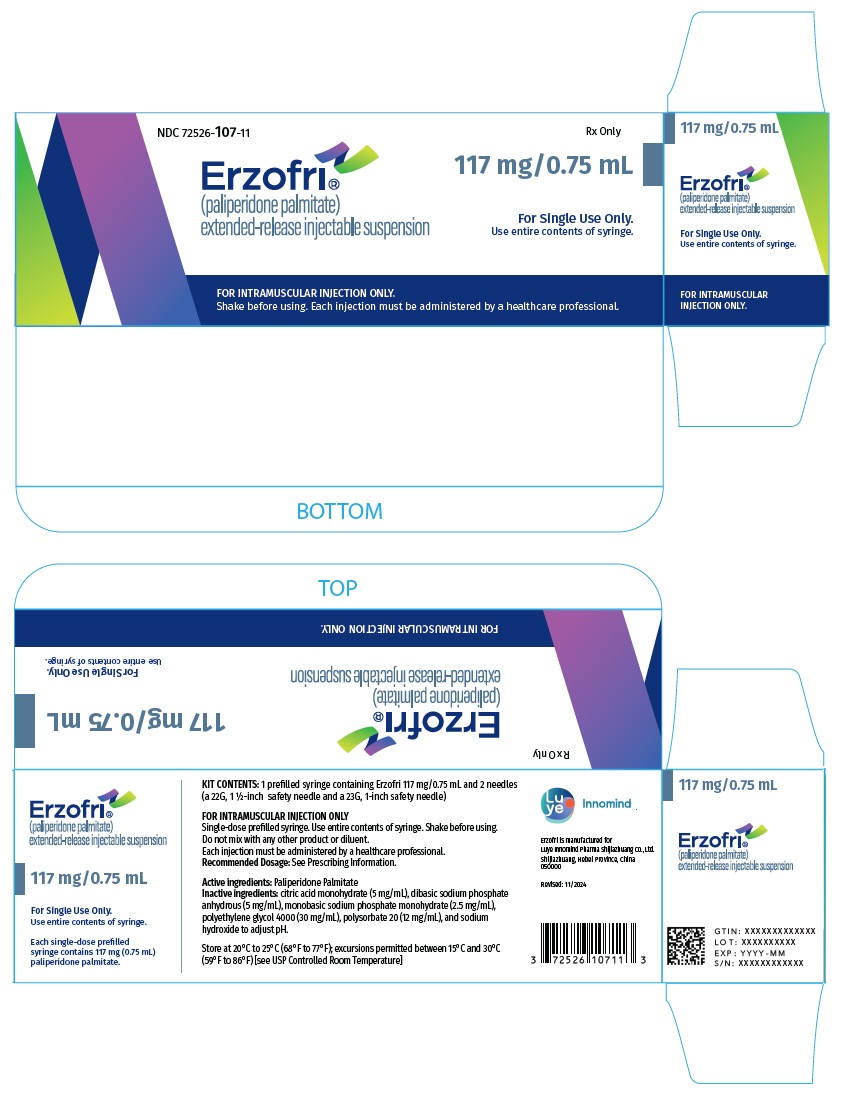
Paliperidone
What is Erzofri (Paliperidone)?
Living with a condition like schizophrenia or schizoaffective disorder, or caring for someone who does, is a journey that requires immense strength, patience and support. The challenges of managing symptoms like hallucinations, disorganized thinking and mood disturbances can feel overwhelming, impacting every aspect of daily life. In this journey, medication is often a critical tool for finding stability and reclaiming a sense of control. One of the key medications used to provide this stability is Paliperidone.
Paliperidone is a prescription medication that belongs to a class of drugs known as second-generation (or atypical) antipsychotics. It is a well-established, first-line treatment option designed to manage the complex symptoms of certain serious mental health conditions. Available as a daily oral tablet or as a long-acting injection given every one to six months, Paliperidone offers flexible treatment plans that can help individuals achieve and maintain recovery, empowering them to lead more fulfilling lives.
What does Paliperidone do?
Paliperidone is approved by the U.S. Food and Drug Administration (FDA) to treat two primary conditions:
- Schizophrenia: It is used to manage the symptoms of schizophrenia in adults and adolescents (ages 12 and older).
- Schizoaffective Disorder: It treats adult schizoaffective disorder, which combines schizophrenia symptoms (hallucinations, delusions) with mood disorder symptoms (mania, depression).
Paliperidone aims to reduce psychotic symptoms and stabilize mood. Patients can expect fewer hallucinations, delusions and irrational thoughts, along with improved motivation, social engagement and daily functioning. Clinical studies show its effectiveness in symptom control and relapse prevention, especially with long-acting injections (Janssen Pharmaceuticals, Inc., 2023).
How does Paliperidone work?
The symptoms of schizophrenia and schizoaffective disorder are believed to be caused by an imbalance of natural chemical messengers in the brain called neurotransmitters, particularly dopamine and serotonin. These chemicals are responsible for regulating thoughts, emotions and perceptions.
In these conditions, it is thought that certain dopamine pathways in the brain are overactive, leading to the “positive” symptoms of psychosis like hallucinations and delusions. Paliperidone works by precisely targeting and blocking specific dopamine receptors (known as D2 receptors). Think of these receptors as locks and dopamine as the key; by partially blocking the lock, Paliperidone reduces the effects of excess dopamine, which helps to quiet these psychotic symptoms.
Paliperidone blocks specific serotonin receptors (5-HT2A), improving negative and cognitive symptoms of schizophrenia like emotional withdrawal and lack of motivation. By rebalancing dopamine and serotonin, it restores normal brain function for clearer thinking and emotional stability. It’s the active metabolite of risperidone.
Paliperidone side effects
Like all antipsychotic medications, Paliperidone has potential side effects. Your healthcare provider will work with you to manage any that occur.
Common side effects may include:
- Drowsiness or sleepiness
- Restlessness or an inability to sit still (akathisia)
- Stiffness, tremors, or slow movements (parkinsonism)
- Increased heart rate (tachycardia)
- Weight gain
- Dizziness, especially when standing up (orthostatic hypotension)
Paliperidone can elevate prolactin, potentially causing menstrual irregularities, breast milk production, or sexual side effects in both sexes.
Serious side effects are less common but require immediate medical attention. All antipsychotics, including Paliperidone, have a boxed warning about an increased risk of death in elderly patients with dementia-related psychosis. Other serious risks include:
- Neuroleptic Malignant Syndrome (NMS): A rare but life-threatening reaction with symptoms like high fever, severe muscle stiffness and confusion.
- Tardive Dyskinesia (TD): A condition causing uncontrollable, repetitive movements, often of the face and tongue, which can be permanent.
- Metabolic Changes: An increased risk of high blood sugar, high cholesterol and significant weight gain.
You should contact your doctor right away if you experience a high fever, severe confusion, uncontrollable muscle movements, or fainting.
Paliperidone dosage
Paliperidone comes in two main forms for personalized treatment: once-daily oral extended-release tablets (Invega) and long-acting injections (Invega Sustenna, Invega Trinza, Invega Hafyera). The injections, administered by a healthcare professional every 1, 3, or 6 months, are beneficial for those who struggle with daily pill adherence, ensuring continuous treatment and preventing relapse.
Your doctor will monitor your weight, blood pressure, and family history of diabetes/cholesterol before and during treatment. They’ll order blood tests for sugar/cholesterol, check for abnormal movements, and adjust your dose based on symptoms, side effects, and kidney function.
Does Paliperidone have a generic version?
Yes, the oral extended-release tablet form of Paliperidone is available as a generic medication. The most common brand name for the oral tablet is Invega. The FDA requires that generic medications are bioequivalent to the brand-name product, meaning they are just as safe and effective (FDA, 2021).
The long-acting injectable formulations are newer and are currently only available under their brand names: Invega Sustenna (1-month), Invega Trinza (3-month) and Invega Hafyera (6-month).
Conclusion
Paliperidone is a valuable and effective medication for managing the challenging symptoms of schizophrenia and schizoaffective disorder. By helping to rebalance key brain chemicals, it can reduce psychosis, stabilize mood, and significantly improve a person’s quality of life. The availability of both daily oral and long-acting injectable forms provides flexible options to help ensure consistent treatment, which is the cornerstone of preventing relapse.
While Paliperidone has potential risks and side effects, they can be successfully managed through close collaboration with your healthcare provider. Open communication about your symptoms and any concerns you have is key to finding the right treatment plan. With the right support, Paliperidone can be a powerful tool on the path to long-term stability and recovery.
References
- Food and Drug Administration (FDA). (2021). Generic Drug Facts. Retrieved from https://www.fda.gov/drugs/generic-drugs/generic-drug-facts
- Janssen Pharmaceuticals, Inc. (2023). INVEGA SUSTENNA® (paliperidone palmitate) Prescribing Information. U.S. Food and Drug Administration. Retrieved from https://www.accessdata.fda.gov/drugsatfda_docs/label/2023/022264s046lbl.pdf
- National Institutes of Health. (2022). Paliperidone. MedlinePlus. Retrieved from https://medlineplus.gov/druginfo/meds/a607046.html
Approved To Treat
Top Global Experts
There are no experts for this drug
Related Clinical Trials
There is no clinical trials being done for this treatment
Related Latest Advances
There is no latest advances for this treatment
Brand Information
- Schizophrenia in adults
- Schizoaffective disorder in adults as monotherapy and as an adjunct to mood stabilizers or antidepressants
- Increased mortality in elderly patients with dementia-related psychosis
- Cerebrovascular adverse reactions, including stroke, in elderly patients with dementia-related psychosis
- Neuroleptic malignant syndrome
- QT prolongation
- Tardive dyskinesia
- Metabolic changes
- Orthostatic hypotension and syncope
- Falls
- Leukopenia, neutropenia, and agranulocytosis
- Hyperprolactinemia
- Potential for cognitive and motor impairment
- Seizures
- Dysphagia
- Priapism
- Disruption of body temperature regulation