Brand Name

Idamycin PFS

Generic Name
Idarubicin
View Brand Information
FDA approval date: February 17, 1997
Classification: Anthracycline Topoisomerase Inhibitor
Form: Injection, Solution

What is Idamycin PFS (Idarubicin)?

IDAMYCIN PFS Injection in combination with other approved antileukemic drugs is indicated for the treatment of acute myeloid leukemia in adults. This includes French-American-British classifications M1 through M7.
Save this treatment for later
Sign Up
Not sure about your diagnosis?
Check Your Symptoms

Related Clinical Trials

Sequential Decitabine in Combination With FLAG-Ida Followed Immediately by Reduced-Intensity Conditioning (RIC) Allogeneic Hematopoietic Cell Transplantation (DEC-FLAG-Ida/RIC) for Adults With Myeloid Malignancies at High Risk of Relapse: A Phase 1/2 Study

Summary: This phase I/II trial studies the safety, side effects, and best dose of decitabine in combination with fludarabine, cytarabine, filgrastim, and idarubicin (FLAG-Ida) and total body irradiation (TBI) followed by a donor stem cell transplant in treating adult patients with cancers of blood-forming cells of the bone marrow (myeloid malignancies) that are at high risk of coming back after treatment (...

A Phase 2 Study of Fludarabine, Cytarabine, Filgrastim-sndz,Gemtuzumab Ozogamicin and Idarubicin in Newly Diagnosed Core Binding Factor Associated Acute Myelogenous Leukemia

Summary: This phase II trial studies the side effects and how well fludarabine phosphate, cytarabine, filgrastim-sndz, gemtuzumab ozogamicin, and idarubicin hydrochloride work in treating patients with newly diagnosed acute myeloid leukemia or high-risk myelodysplastic syndrome. Drugs used in chemotherapy, such as fludarabine phosphate, cytarabine, and idarubicin hydrochloride, work in different ways to st...

A Multicenter, Randomized, Controlled Clinical Trial Comparing VA and D/IA Induction Regimens in Elderly Patients With Acute Myeloid Leukemia Suitable for Intensive Chemotherapy

Summary: This study is a multicenter, randomized, controlled phase III clinical trial aimed at comparing the efficacy of two induction chemotherapy regimens-VA (Venetoclax + Azacitidine) and D/IA (Daunorubicin/Idarubicin + Cytarabine)-in elderly patients (aged 60-75) with acute myeloid leukemia (AML) who are fit for intensive chemotherapy.

Brand Information

Idamycin PFS (idarubicin hydrochloride)
WARNINGS
  1. IDAMYCIN PFS Injection should be given slowly into a freely flowing intravenous infusion. It must never be given intramuscularly or subcutaneously. Severe local tissue necrosis can occur if there is extravasation during administration.
  2. As is the case with other anthracyclines the use of IDAMYCIN PFS can cause myocardial toxicity leading to congestive heart failure. Cardiac toxicity is more common in patients who have received prior anthracyclines or who have pre-existing cardiac disease.
  3. As is usual with antileukemic agents, severe myelosuppression occurs when IDAMYCIN PFS is used at effective therapeutic doses.
  4. It is recommended that IDAMYCIN PFS be administered only under the supervision of a physician who is experienced in leukemia chemotherapy and in facilities with laboratory and supportive resources adequate to monitor drug tolerance and protect and maintain a patient compromised by drug toxicity. The physician and institution must be capable of responding rapidly and completely to severe hemorrhagic conditions and/or overwhelming infection.
  5. Dosage should be reduced in patients with impaired hepatic or renal function. (See
1DESCRIPTION
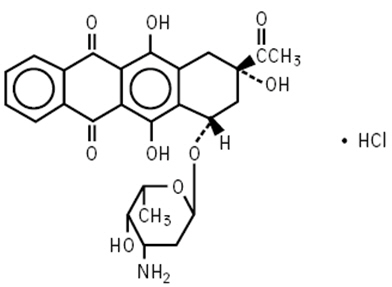
IDAMYCIN PFS Injection contains idarubicin hydrochloride and is a sterile, semi-synthetic, preservative-free solution (PFS) antineoplastic anthracycline for intravenous use. Chemically, idarubicin hydrochloride is 5, 12-Naphthacenedione, 9-acetyl-7-[(3-amino-2,3,6-trideoxy-α-L-
chemical structure
C
IDAMYCIN PFS is a sterile, red-orange, isotonic parenteral preservative-free solution, available in 5 mL (5 mg), 10 mL (10 mg) and 20 mL (20 mg) single-dose only vials.
Each mL contains Idarubicin HCL, USP 1 mg (equivalent to 0.93 mg Idarubicin free base) and the following inactive ingredients: Glycerin, USP 25 mg and Water for Injection, USP q.s. Hydrochloric Acid, NF is used to adjust the pH to a target of 3.5.
2CLINICAL STUDIES
Four prospective randomized studies, three U.S. and one Italian, have been conducted to compare the efficacy and safety of idarubicin (IDR) to that of daunorubicin (DNR), each in combination with cytarabine as induction therapy in previously untreated adult patients with acute myeloid leukemia (AML). These data are summarized in the following table and demonstrate significantly greater complete remission rates for the IDR regimen in two of the three U.S. studies and significantly longer overall survival for the IDR regimen in two of the three U.S. studies.
There is no consensus regarding optional regimens to be used for consolidation; however, the following consolidation regimens were used in U.S. controlled trials. Patients received the same anthracycline for consolidation as was used for induction.
Studies 1 and 3 utilized 2 courses of consolidation therapy consisting of idarubicin 12 or 13 mg/m
Study 2 utilized 3 consolidation courses, administered at intervals of 21 days or upon hematologic recovery. Each course consisted of idarubicin 15 mg/m
Toxicities and duration of aplasia were similar during induction on the 2 arms in the U.S. studies except for an increase in mucositis on the IDR arm in one study. During consolidation, duration of aplasia on the IDR arm was longer in all three studies and mucositis was more frequent in two studies. During consolidation, transfusion requirements were higher on the IDR arm in the two studies in which they were tabulated, and patients on the IDR arm in Study 3 spent more days on IV antibiotics (Study 3 used a higher dose of idarubicin).
The benefit of consolidation and maintenance therapy in prolonging the duration of remission and survival is not proven.
Intensive maintenance with idarubicin is not recommended in view of the considerable toxicity (including deaths in remission) experienced by patients during the maintenance phase of Study 2.
A higher induction death rate was noted in patients on the IDR arm in the Italian trial. Since this was not noted in patients of similar age in the U.S. trials, one may speculate that it was due to a difference in the level of supportive care.
3INDICATIONS AND USAGE
IDAMYCIN PFS Injection in combination with other approved antileukemic drugs is indicated for the treatment of acute myeloid leukemia (AML) in adults. This includes French-American-British (FAB) classifications M1 through M7.
4WARNINGS
Idarubicin is intended for administration under the supervision of a physician who is experienced in leukemia chemotherapy.
Idarubicin is a potent bone marrow suppressant. Idarubicin should not be given to patients with pre-existing bone marrow suppression induced by previous drug therapy or radiotherapy unless the benefit warrants the risk.
Severe myelosuppression will occur in all patients given a therapeutic dose of this agent for induction, consolidation or maintenance. Careful hematologic monitoring is required. Deaths due to infection and/or bleeding have been reported during the period of severe myelosuppression. Facilities with laboratory and supportive resources adequate to monitor drug tolerability and protect and maintain a patient compromised by drug toxicity should be available. It must be possible to treat rapidly and completely a severe hemorrhagic condition and/or a severe infection.
Pre-existing heart disease and previous therapy with anthracyclines at high cumulative doses or other potentially cardiotoxic agents are co-factors for increased risk of idarubicin-induced cardiac toxicity and the benefit to risk ratio of idarubicin therapy in such patients should be weighed before starting treatment with idarubicin.
Myocardial toxicity as manifested by potentially fatal congestive heart failure, acute life-threatening arrhythmias or other cardiomyopathies may occur following therapy with idarubicin. Appropriate therapeutic measures for the management of congestive heart failure and/or arrhythmias are indicated.
Cardiac function should be carefully monitored during treatment in order to minimize the risk of cardiac toxicity of the type described for other anthracycline compounds. The risk of such myocardial toxicity may be higher following concomitant or previous radiation to the mediastinal-pericardial area or in patients with anemia, bone marrow depression, infections, leukemic pericarditis and/or myocarditis, active or dormant cardiovascular disease, previous therapy with other anthracyclines or anthracenediones, and concomitant use of drugs with the ability to suppress cardiac contractility or cardiotoxic drugs (e.g., trastuzumab, cyclophosphamide and paclitaxel). Due to the increased risk of cardiotoxicity, avoid concomitant use of IDAMYCIN PFS until the cardiotoxic agent has been discontinued for at least 5 half-lives, and specifically avoid IDAMYCIN PFS for up to 7 months after stopping trastuzumab.
While there are no reliable means for predicting congestive heart failure, cardiomyopathy induced by anthracyclines is usually associated with a decrease of the left ventricular ejection fraction (LVEF) from pretreatment baseline values.
Since hepatic and/or renal function impairment can affect the disposition of idarubicin, liver and kidney function should be evaluated with conventional clinical laboratory tests (using serum bilirubin and serum creatinine as indicators) prior to and during treatment. In a number of Phase III clinical trials, treatment was not given if bilirubin and/or creatinine serum levels exceeded 2 mg%. However, in one Phase III trial, patients with bilirubin levels between 2.6 and 5 mg% received the anthracycline with a 50% reduction in dose. Dose reduction of idarubicin should be considered if the bilirubin and/or creatinine levels are above the normal range. (See
4.1Pregnancy
Idarubicin was embryotoxic and teratogenic in the rat at a dose of 1.2 mg/m
There are no adequate and well-controlled studies in pregnant women. IDAMYCIN PFS should be used during pregnancy only if the potential benefit justifies the potential risk to the fetus. If IDAMYCIN PFS is to be used during pregnancy, or if the patient becomes pregnant during therapy, the patient should be apprised and informed of the potential hazard to the fetus. Women of childbearing potential should be advised to avoid pregnancy. Women of childbearing potential should be advised to use effective contraception during treatment with IDAMYCIN PFS and for 6.5 months after the last dose. Men with female partners of childbearing potential should be advised to use effective contraception during treatment with IDAMYCIN PFS and for 3.5 months after the last dose. Both men and women should seek advice for fertility preservation before treatment and/or seek genetic counselling after treatment.
5ADVERSE REACTIONS
Approximately 550 patients with AML have received idarubicin in combination with cytarabine in controlled clinical trials worldwide. In addition, over 550 patients with acute leukemia have been treated in uncontrolled trials utilizing idarubicin as a single agent or in combination. The table below lists the adverse experiences reported in U.S. Study 2 (see
The duration of aplasia and incidence of mucositis were greater on the IDR arm than the DNR arm, especially during consolidation in some U.S. controlled trials (see
The following information reflects experience based on U.S. controlled clinical trials.
5.1Myelosuppression
Severe myelosuppression is the major toxicity associated with idarubicin therapy, but this effect of the drug is required in order to eradicate the leukemic clone. During the period of myelosuppression, patients are at risk of developing infection and bleeding which may be life-threatening or fatal.
5.2Gastrointestinal
Nausea and/or vomiting, mucositis, abdominal pain and diarrhea were reported frequently, but were severe (equivalent to WHO Grade 4) in less than 5% of patients. Severe enterocolitis with perforation has been reported rarely. The risk of perforation may be increased by instrumental intervention. The possibility of perforation should be considered in patients who develop severe abdominal pain and appropriate steps for diagnosis and management should be taken.
5.3Dermatologic
Alopecia was reported frequently and dermatologic reactions including generalized rash, urticaria and a bullous erythrodermatous rash of the palms and soles have occurred. The dermatologic reactions were usually attributed to concomitant antibiotic therapy. Local reactions including hives at the injection site have been reported. Recall of skin reaction due to prior radiotherapy has occurred with idarubicin administration.
5.4Hepatic and Renal
Changes in hepatic and renal function tests have been observed. These changes were usually transient and occurred in the setting of sepsis and while patients were receiving potentially hepatotoxic and nephrotoxic antibiotics and antifungal agents. Severe changes in renal function (equivalent to WHO Grade 4) occurred in no more than 1% of patients, while severe changes in hepatic function (equivalent to WHO Grade 4) occurred in less than 5% of patients.
5.5Cardiac
Congestive heart failure (frequently attributed to fluid overload), serious arrhythmias including atrial fibrillation, chest pain, myocardial infarction and asymptomatic declines in LVEF have been reported in patients undergoing induction therapy for AML. Myocardial insufficiency and arrhythmias were usually reversible and occurred in the setting of sepsis, anemia and aggressive intravenous fluid administration. The events were reported more frequently in patients over age 60 years and in those with pre-existing cardiac disease.
6OVERDOSAGE
There is no known antidote to idarubicin. Two cases of fatal overdosage in patients receiving therapy for AML have been reported. The doses were 135 mg/m
It is anticipated that overdosage with idarubicin will result in severe and prolonged myelosuppression and possibly in increased severity of gastrointestinal toxicity. Adequate supportive care including platelet transfusions, antibiotics and symptomatic treatment of mucositis is required. The effect of acute overdose on cardiac function is not fully known, but severe arrhythmia occurred in 1 of the 2 patients exposed. It is anticipated that very high doses of idarubicin may cause acute cardiac toxicity and may be associated with a higher incidence of delayed cardiac failure.
Disposition studies with idarubicin in patients undergoing dialysis have not been carried out. The profound multicompartment behavior, extensive extravascular distribution and tissue binding, coupled with the low unbound fraction available in the plasma pool make it unlikely that therapeutic efficacy or toxicity would be altered by conventional peritoneal or hemodialysis.
7DOSAGE AND ADMINISTRATION
(See
For induction therapy in adult patients with AML the following dose schedule is recommended:
IDAMYCIN PFS Injection 12 mg/m
The benefit of consolidation in prolonging the duration of remissions and survival is not proven. There is no consensus regarding optional regimens to be used for consolidation. (See
7.1Preparation and Administration Precautions
Caution in handling the solution must be exercised as skin reactions associated with IDAMYCIN PFS may occur. Skin accidentally exposed to IDAMYCIN PFS should be washed thoroughly with soap and water and if the eyes are involved, standard irrigation techniques should be used immediately. The use of goggles, gloves, and protective gowns is recommended during preparation and administration of the drug.
Care in the administration of IDAMYCIN PFS will reduce the chance of perivenous infiltration. It may also decrease the chance of local reactions such as urticaria and erythematous streaking. During intravenous administration of IDAMYCIN PFS extravasation may occur with or without an accompanying stinging or burning sensation even if blood returns well on aspiration of the infusion needle. If any signs or symptoms of extravasation have occurred, the injection or infusion should be immediately terminated and restarted in another vein. If it is known or suspected that subcutaneous extravasation has occurred, it is recommended that intermittent ice packs (1/2 hour immediately, then 1/2 hour 4 times per day for 3 days) be placed over the area of extravasation and that the affected extremity be elevated. Because of the progressive nature of extravasation reactions, the area of injection should be frequently examined and plastic surgery consultation obtained early if there is any sign of a local reaction such as pain, erythema, edema or vesication. If ulceration begins or there is severe persistent pain at the site of extravasation, early wide excision of the involved area should be considered.
IDAMYCIN PFS should be administered slowly (over 10 to 15 minutes) into the tubing of a freely running intravenous infusion of Sodium Chloride Injection, USP (0.9%) or 5% Dextrose Injection, USP. The tubing should be attached to a Butterfly needle or other suitable device and inserted preferably into a large vein. IDAMYCIN PFS is provided in single dose vials. Discard unused portion.
7.2Incompatibility
Unless specific compatibility data are available, IDAMYCIN PFS should not be mixed with other drugs. Precipitation occurs with heparin. Prolonged contact with any solution of an alkaline pH will result in degradation of the drug.
Parenteral drug products should be inspected visually for particulate matter and discoloration prior to administration whenever solution and containers permit.
8Handling and Disposal
Procedures for handling and disposal of anticancer drugs should be considered. Several guidelines on this subject have been published.
9HOW SUPPLIED
IDAMYCIN PFS Injection (idarubicin hydrochloride injection) is a clear, orange-red, aqueous, preservative-free solution, free from visible particles containing 1 mg/mL idarubicin hydrochloride.
Single Dose Cytosafe™ Vials: Sterile single-dose only, contains no preservative. Discard unused portion.
10REFERENCES
  1. ONS Clinical Practice Committee. Cancer Chemotherapy Guidelines and Recommendations for Practice. Pittsburgh, PA: Oncology Nursing Society. 1999: 32–41.
  2. Recommendations for the Safe Handling of Parenteral Antineoplastic Drugs. Washington, DC; Division of Safety, Clinical Center Pharmacy Department and Cancer Nursing Services, National Institutes of Health; 1992. US Department of Health and Human Services, Public Health Service Publication NIH 92–2621.
  3. AMA Council on Scientific Affairs. Guidelines for Handling Parenteral Antineoplastics. JAMA. 1985; 253:1590–1591.
  4. National Study Commission on Cytotoxic Exposure - Recommendations for Handling Cytotoxic Agents. 1987. Available from Louis P. Jeffrey, Sc.D., Chairman, National Study Commission on Cytotoxic Exposure, Massachusetts College of Pharmacy and Allied Health Sciences, 179 Longwood Avenue, Boston, MA 02115.
  5. Clinical Oncological Society of Australia: Guidelines and Recommendations for Safe Handling of Antineoplastic Agents. Med J Australia. 1983; 1:426–428.
  6. Jones RB, Frank R, Mass T. Safe Handling of Chemotherapeutic Agents: A Report from the Mount Sinai Medical Center. CA Cancer J Clin.1983; 33: 258–263.
  7. American Society of Hospital Pharmacists. ASHP Technical Assistance Bulletin on Handling Cytotoxic and Hazardous Drugs. Am J Hosp Pharm. 1990; 47:1033–1049.
  8. Controlling Occupational Exposure to Hazardous Drugs (OSHA Work-Practice Guidelines). Am J Health-Syst Pharm. 1996; 53: 1669–1685.
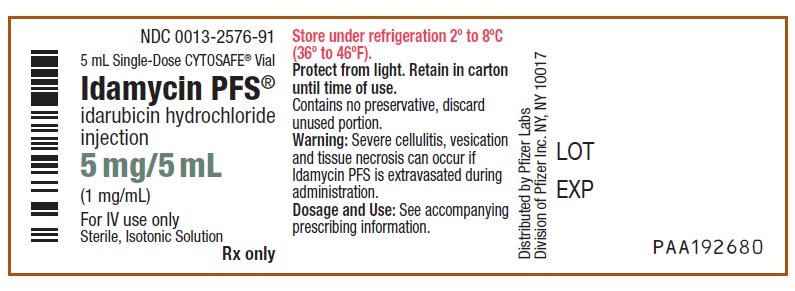
11PRINCIPAL DISPLAY PANEL - 5 mg/5 mL Vial Label
NDC 0013-2576-91
5 mL Single-Dose CYTOSAFE
Idamycin PFS
idarubicin hydrochloride
injection
5 mg/5 mL
(1 mg/mL)
For IV use only
Rx only
PRINCIPAL DISPLAY PANEL - 5 mg/5 mL Vial Label
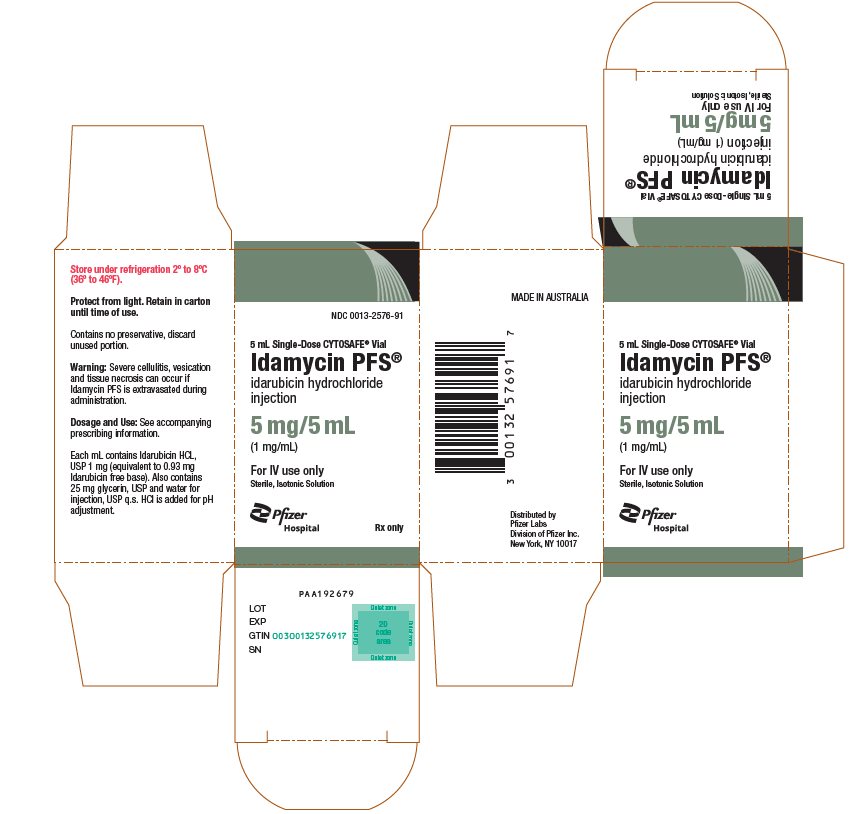
12PRINCIPAL DISPLAY PANEL - 5 mL Vial Carton
NDC 0013-2576-91
5 mL Single-Dose CYTOSAFE
Idamycin PFS
idarubicin hydrochloride
injection
5 mg/5 mL
(1 mg/mL)
For IV use only
Pfizer Hospital
Rx only
PRINCIPAL DISPLAY PANEL - 5 mL Vial Carton
13PRINCIPAL DISPLAY PANEL - 5 mg/5 mL Glass Vial Label
NDC 0013-2576-05
5 mL Single-Dose Vial
Idamycin PFS
5 mg/5 mL
Rx only
PRINCIPAL DISPLAY PANEL - 5 mg/5 mL Glass Vial Label
14PRINCIPAL DISPLAY PANEL - 5 mg/5 mL Glass Vial Carton
NDC 0013-2576-05
5 mL Single-Dose Vial
Idamycin PFS
5 mg/5 mL
For Intravenous Use Only
Pfizer
Rx only
PRINCIPAL DISPLAY PANEL - 5 mg/5 mL Glass Vial Carton
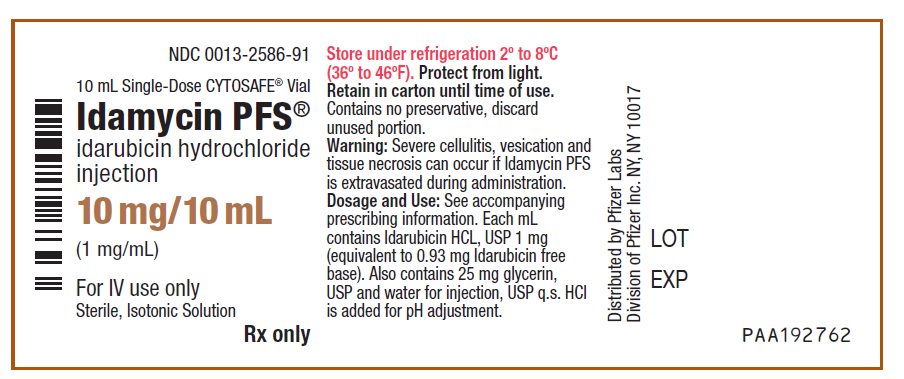
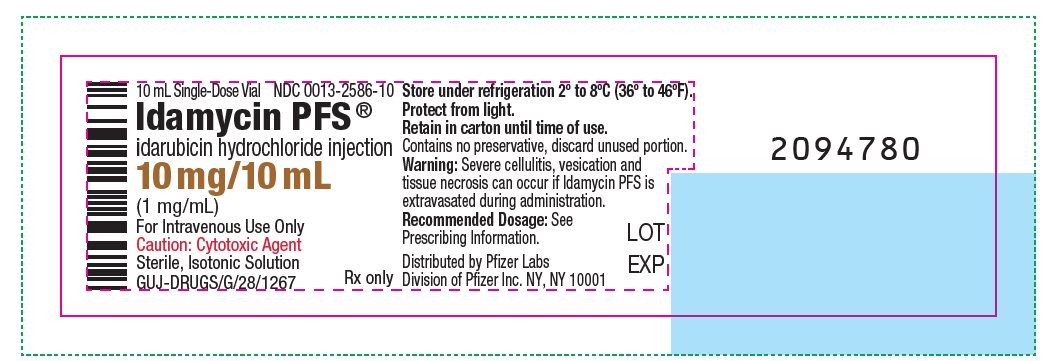
15PRINCIPAL DISPLAY PANEL - 10 mg/10 mL Vial Label
NDC 0013-2586-91
10 mL Single-Dose CYTOSAFE
Idamycin PFS
idarubicin hydrochloride
injection
10 mg/10 mL
(1 mg/mL)
For IV use only
Rx only
PRINCIPAL DISPLAY PANEL - 10 mg/10 mL Vial Label
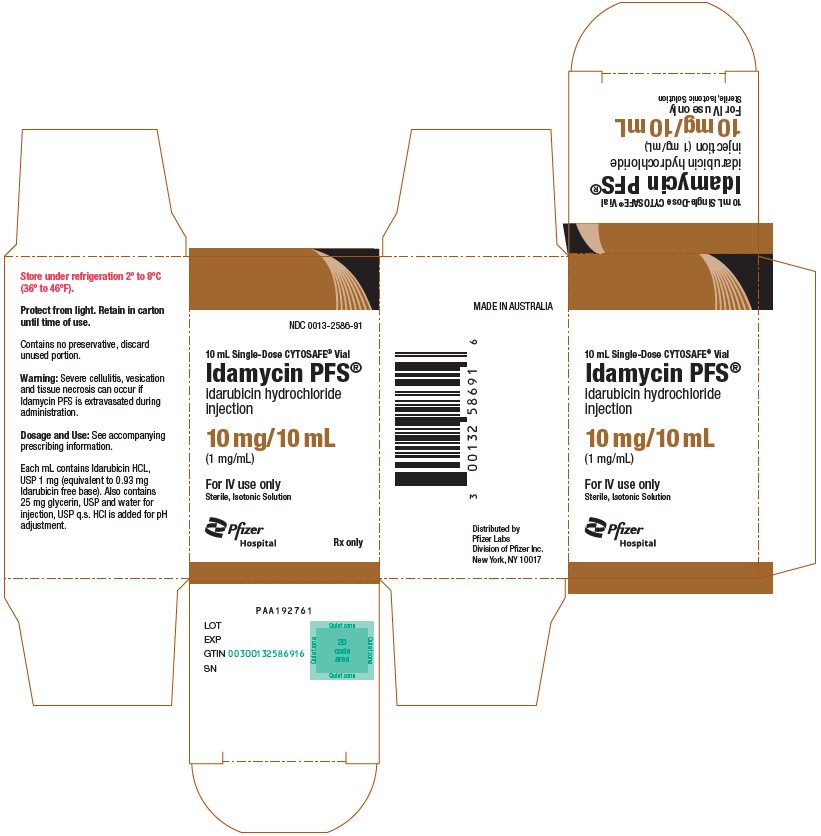
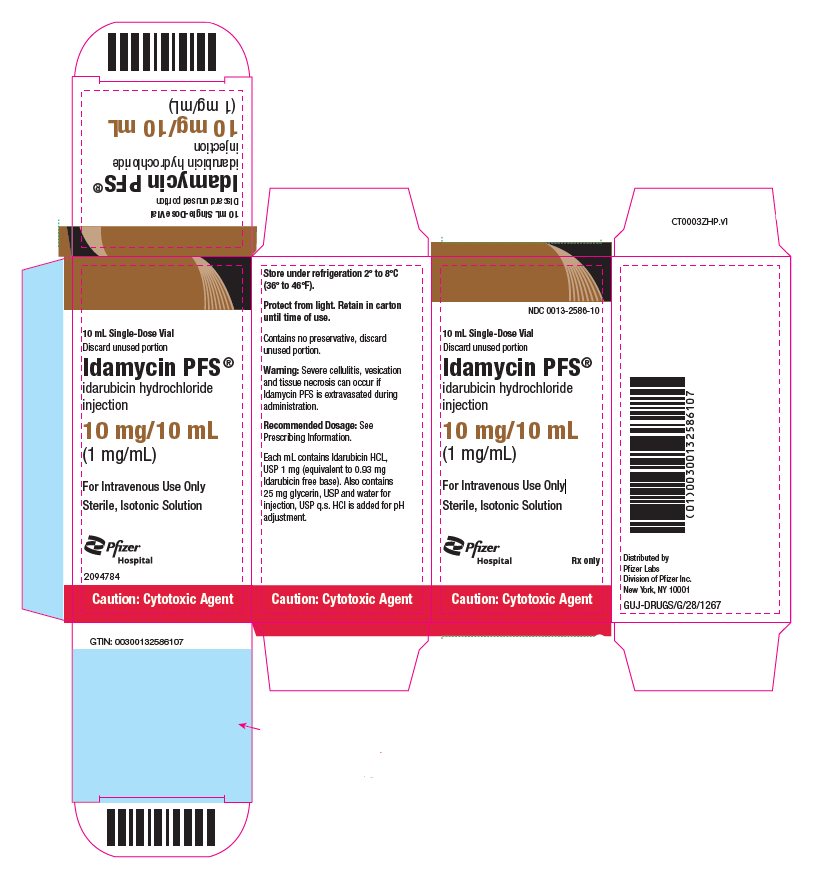
16PRINCIPAL DISPLAY PANEL - 10 mL Vial Carton
NDC 0013-2586-91
10 mL Single-Dose CYTOSAFE
Idamycin PFS
idarubicin hydrochloride
injection
10 mg/10 mL
(1 mg/mL)
For IV use only
PfizerHospital
Rx only
PRINCIPAL DISPLAY PANEL - 10 mL Vial Carton
17PRINCIPAL DISPLAY PANEL - 10 mg/10 mL Glass Vial Label
10 mL Single- Dose Vial
Idamycin PFS®
10 mg/10 mL
PRINCIPAL DISPLAY PANEL - 10 mg/10 mL Glass Vial Label
18PRINCIPAL DISPLAY PANEL - 10 mg/10 mL Glass Vial Carton
NDC 0013-2586-10
10 mL Single-Dose Vial
Discard unused portion
Idamycin PFS
10 mg/10 mL
For Intravenous Use Only
Pfizer
Rx only
PRINCIPAL DISPLAY PANEL - 10 mg/10 mL Glass Vial Carton
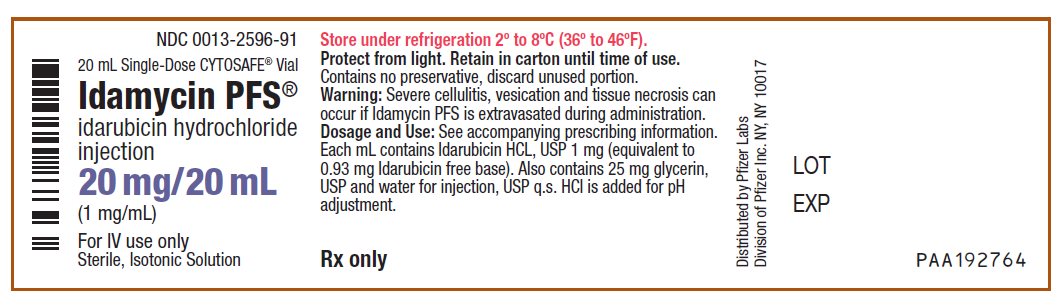
19PRINCIPAL DISPLAY PANEL - 20 mg/20 mL Vial Label
NDC 0013-2596-91
20 mL Single-Dose CYTOSAFE
Idamycin PFS
idarubicin hydrochloride
injection
20 mg/20 mL
(1 mg/mL)
For IV use only
PRINCIPAL DISPLAY PANEL - 20 mg/20 mL Vial Label
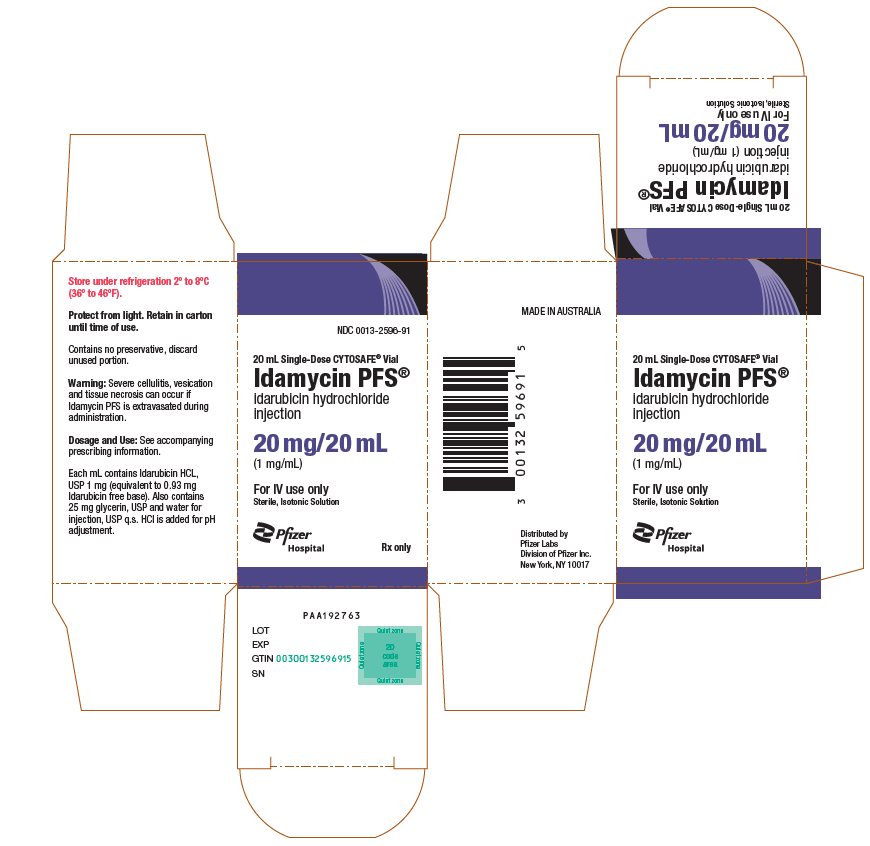
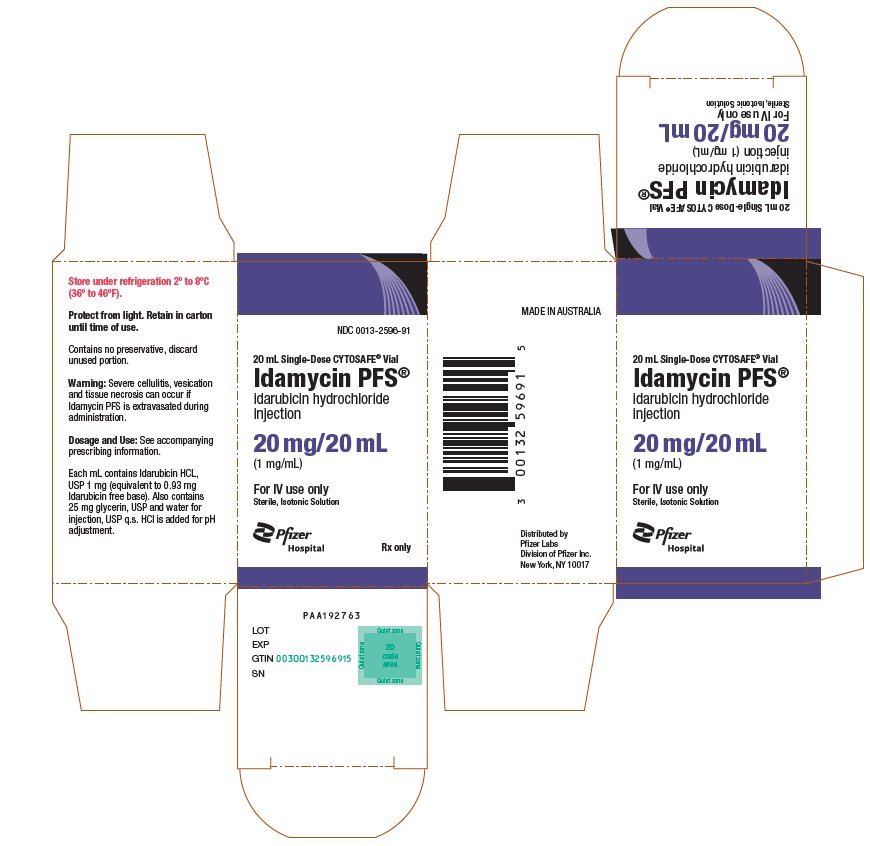
20PRINCIPAL DISPLAY PANEL - 20 mL Vial Carton
NDC 0013-2596-91
20 mL Single-Dose CYTOSAFE
Idamycin PFS
idarubicin hydrochloride
injection
20 mg/20 mL
(1 mg/mL)
For IV use only
PfizerHospital
Rx only
PRINCIPAL DISPLAY PANEL - 20 mL Vial Carton
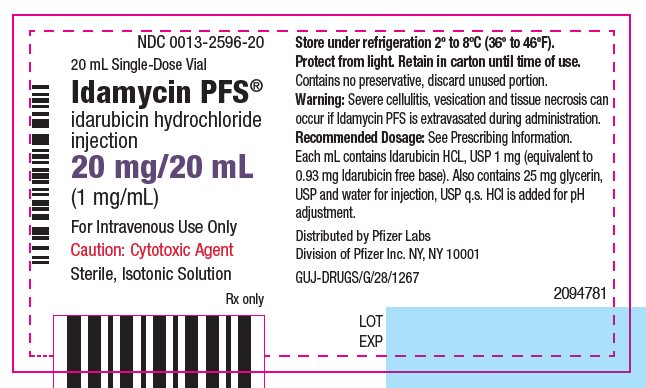
21PRINCIPAL DISPLAY PANEL - 20 mg/20 mL Glass Vial Label
NDC 0013-2596-20
20 mL Single-Dose Vial
Idamycin PFS
20 mg/20 mL
For Intravenous Use Only
Rx only
PRINCIPAL DISPLAY PANEL - 20 mg/20 mL Glass Vial Label
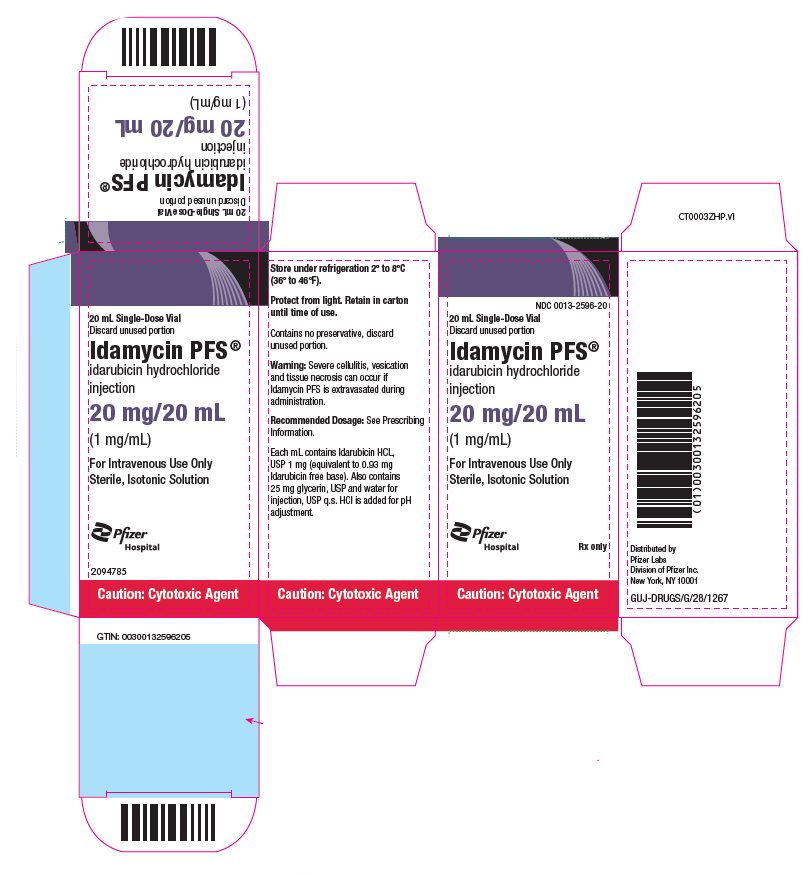
22PRINCIPAL DISPLAY PANEL - 20 mg/20 mL Glass Vial Carton
NDC 0013-2596-20
20 mL Single-Dose Vial
Idamycin PFS
20 mg/20 mL
For Intravenous Use Only
Pfizer
Rx only
PRINCIPAL DISPLAY PANEL - 20 mg/20 mL Glass Vial Carton