Brand Name
Fanapt
Generic Name
Iloperidone
View Brand Information FDA approval date: September 15, 2015
Classification: Atypical Antipsychotic
Form: Tablet, Kit
What is Fanapt (Iloperidone)?
FANAPT ® is indicated for: Treatment of schizophrenia in adults [see Clinical Studies (1.
Approved To Treat
Save this treatment for later
Not sure about your diagnosis?
Related Clinical Trials
A Multicenter, Double-Blind, Randomized Withdrawal Study in Patients With Schizophrenia Receiving Either Iloperidone Long-Acting Injection (LAI) or Placebo Injection
Summary: The purpose of this research is to evaluate the efficacy of dosing iloperidone long-acting injection (LAI) compared to placebo in preventing the exacerbation of symptoms in patients with schizophrenia.
Open-label Safety Study of a 1-year 8 to 24 mg/Day Dose Regimen of Iloperidone (FANAPT®) in Adolescent Patients With Schizophrenia or Bipolar I Disorder
Summary: To evaluate the safety and tolerability of iloperidone in adolescent patients with schizophrenia or bipolar I disorder for up to 52 weeks of treatment.
Related Latest Advances
Brand Information
FANAPT (ILOPERIDONE)
WARNING: INCREASED MORTALITY IN ELDERLY PATIENTS WITH DEMENTIA-RELATED PSYCHOSIS
Elderly patients with dementia-related psychosis treated with antipsychotic drugs are at an increased risk of death.
FANAPT is not approved for the treatment of patients with dementia-related psychosis .
1INDICATIONS AND USAGE
FANAPT
- Treatment of schizophrenia in adults
- Acute treatment of manic or mixed episodes associated with bipolar I disorder in adults
2DOSAGE FORMS AND STRENGTHS
FANAPT tablets are available in the following strengths: 1 mg, 2 mg, 4 mg, 6 mg, 8 mg, 10 mg, and 12 mg. The tablets are white, round, flat, beveled-edged and identified with a logo “
3CONTRAINDICATIONS
FANAPT is contraindicated in individuals with a known hypersensitivity reaction to the product. Anaphylaxis, angioedema, and other hypersensitivity reactions have been reported
4ADVERSE REACTIONS
The following adverse reactions are discussed in more detail in other sections of the labeling:
- Increased Mortality in Elderly Patients with Dementia-Related Psychosis
- Cerebrovascular Adverse Reactions, Including Stroke, in Elderly Patients with Dementia-Related Psychosis
- QT Prolongation
- Neuroleptic Malignant Syndrome (NMS)
- Tardive Dyskinesia
- Metabolic Changes
- Orthostatic Hypotension and Syncope
- Falls
- Seizures
- Leukopenia, Neutropenia and Agranulocytosis
- Hyperprolactinemia
- Body Temperature Regulation
- Dysphagia
- Priapism
- Potential for Cognitive and Motor Impairment
- Intraoperative Floppy Iris Syndrome
4.1Clinical Studies Experience
Because clinical trials are conducted under widely varying conditions, adverse reaction rates observed in the clinical trial of a drug cannot be directly compared to rates in the clinical trials of another drug and may not reflect the rates observed in clinical practice.
The information below is derived from a clinical trial database for FANAPT consisting of 3,229 patients exposed to FANAPT at doses of 10 mg/day or greater, for the treatment of schizophrenia and from a clinical trial database for FANAPT consisting of 312 patients exposed to FANAPT at doses of 24 mg/day, for the treatment of bipolar mania
Schizophrenia
The information presented in this section was derived from pooled data from 4 placebo-controlled, 4- or 6-week, fixed- or flexible-dose studies in patients who received FANAPT at daily doses within a range of 10 to 24 mg (n=874).
Adverse Reactions Occurring at an Incidence of 2% or More among FANAPT-Treated Patients and More Frequent than Placebo
Table 3 enumerates the pooled incidences of adverse reactions that were spontaneously reported in four placebo-controlled, 4- or 6-week, fixed- or flexible-dose studies, listing those reactions that occurred in 2% or more of patients treated with FANAPT in any of the dose groups, and for which the incidence in FANAPT- treated patients in any dose group was greater than the incidence in patients treated with placebo.
Table 3: Percentage of Adverse Reactions in Short-Term, Fixed- or Flexible-Dose, Placebo- Controlled Schizophrenia Trials in Adult Patients*
Bipolar Mania
Table 4 enumerates the adverse reactions that occurred at an incidence of ≥2% and greater than placebo in a placebo-controlled, 4-week bipolar mania trial with FANAPT.
Table 4: Adverse Reactions Occurring in ≥2% of Adult Patients Treated with FANAPT and > Placebo in a Short-Term, Fixed-Dose, Placebo-Controlled Bipolar Mania Trial
Dose-Related Adverse Reactions in Clinical Trials
Based on the pooled data from 4 placebo-controlled, 4- or 6-week, fixed- or flexible-dose studies, adverse reactions in patients with schizophrenia that occurred with a greater than 2% incidence in the patients treated with FANAPT, and for which the incidence in patients treated with FANAPT
Common and Drug-Related Adverse Reactions in Clinical Trials
Based on the pooled data from 4 placebo-controlled, 4- or 6-week, fixed- or flexible-dose studies of patients with schizophrenia, the following adverse reactions occurred in ≥5% incidence in the patients treated with FANAPT and at least twice the placebo rate for at least 1 dose: dizziness, dry mouth, fatigue, nasal congestion, somnolence, tachycardia, orthostatic hypotension, and weight increased. Dizziness, tachycardia, and weight increased were at least twice as common on 20-24 mg/day as on 10-16 mg/day.
In a short-term, placebo-controlled trial in patients with bipolar mania the following adverse reactions occurred in ≥5% incidence in the patients treated with FANAPT and at least twice the placebo rate: tachycardia, dizziness, dry mouth, hepatic enzymes increased, nasal congestion, weight increased, hypotension, and somnolence.
Extrapyramidal Symptoms (EPS) in Clinical Trials
Pooled data from the 4 placebo-controlled, 4- or 6-week, fixed- or flexible-dose studies of patients with schizophrenia provided information regarding EPS. Adverse event data collected from those trials showed the following rates of EPS-related adverse events as shown in
Table 5: Percentage of EPS Compared to Placebo in 4- or 6-week Schizophrenia Trials
Table 6 shows the rates of EPS-related events in a 4-week bipolar mania trial.
Table 6: Percentage of EPS Compared to Placebo in a 4-week Bipolar Mania Trial
Adverse Reactions Associated with Discontinuation of Treatment in Clinical Trials
Based on the pooled data from 4 placebo-controlled, 4- or 6-week, fixed- or flexible-dose studies in patients with schizophrenia, there was no difference in the incidence of discontinuation due to adverse reactions between FANAPT-treated (5%) and placebo-treated (5%) patients. The types of adverse reactions that led to discontinuation were similar for the FANAPT- and placebo-treated patients.
In a 4-week, placebo-controlled study in patients with bipolar mania, the incidence of discontinuation due to adverse reactions was higher in FANAPT-treated (8.7%) patients than placebo-treated (5.3%) patients. Adverse reactions that led to discontinuation in more than one FANAPT-treated subject were liver enzyme elevations, nausea and vomiting, dizziness and hypotension.
Demographic Differences in Adverse Reactions in Clinical Trials
An examination of population subgroups in the 4 placebo-controlled, 4- or 6-week, fixed- or flexible-dose studies of patients with schizophrenia did not reveal any evidence of differences in safety on the basis of age, sex or race.
Laboratory Test Abnormalities in Clinical Trials
There were no differences between FANAPT and placebo in the incidence of discontinuation due to changes in hematology, or urinalysis.
Serum Transaminases
In a short-term placebo-controlled trial, asymptomatic alanine aminotransferase (ALT) elevations ≥3x ULN occurred in 9.2% of FANAPT-treated patients with acute mania compared to 1.5% of placebo treated subjects. AST elevations were less common.
Hematocrit
In short-term placebo-controlled trials (4- to 6-weeks) in patients with schizophrenia, there were 1.0% (13/1342) FANAPT-treated patients with hematocrit at least one time below the extended normal range during post-randomization treatment, compared to 0.3% (2/585) on placebo. The extended normal range for lowered hematocrit was defined in each of these trials as the value 15% below the normal range for the centralized laboratory that was used in the trial.
In a short-term placebo-controlled trial (4 weeks) in patients with bipolar mania, there were 3.5% (7/200) FANAPT-treated patients with hematocrit at least one time below the extended normal range (<0.85xLLN) during post-randomization treatment, compared to 0.5% (1/196) on placebo.
Analysis of clinical laboratory data following administration of FANAPT suggested the mechanism of hemodilution based on consistent decreases in hematocrit, hemoglobin, white blood cells, total protein, and albumin. Decreases in hematocrit and total protein have been observed with other alpha receptor antagonists and are attributed to hemodilution
Serum Urate Levels
In a 4-week placebo-controlled trial in patients with bipolar mania, treatment with FANAPT 12 mg twice a day resulted in an increase of serum urate levels of approximately 27.2 umol/L (0.457 mg/dL) compared to 0.1 umol/L (0.002 mg/dL) in placebo group.
Other Reactions During the Pre-marketing Evaluation of FANAPT
Patients with Schizophrenia
The following is a list of MedDRA terms that reflect adverse reactions in patients treated with FANAPT at multiple doses ≥ 4 mg/day during any phase of a trial with the database of 3,210 FANAPT-treated patients with schizophrenia. All reported reactions are included except those already listed in
Reactions are further categorized by MedDRA system organ class and listed in order of decreasing frequency according to the following definitions: frequent adverse events are those occurring in at least 1/100 patients (only those not listed in
Blood and Lymphatic Disorders: Infrequent – anemia, iron deficiency anemia; Rare – leukopenia
Cardiac Disorders: Frequent – palpitations; Rare – arrhythmia, atrioventricular block first degree, cardiac failure (including congestive and acute)
Ear and Labyrinth Disorders: Infrequent – vertigo, tinnitus
Endocrine Disorders: Infrequent – hypothyroidism
Eye Disorders: Frequent – conjunctivitis (including allergic); Infrequent – dry eye, blepharitis, eyelid edema, eye swelling, lenticular opacities, cataract, hyperemia (including conjunctival)
Gastrointestinal Disorders: Infrequent – gastritis, salivary hypersecretion, fecal incontinence, mouth ulceration; Rare – aphthous stomatitis, duodenal ulcer, hiatus hernia, hyperchlorhydria, lip ulceration, reflux esophagitis, stomatitis
General Disorders and Administrative Site Conditions: Infrequent – edema (general, pitting, due to cardiac disease), difficulty in walking, thirst; Rare – hyperthermia
Hepatobiliary Disorders: Infrequent – cholelithiasis
Investigations: Frequent: weight decreased; Infrequent – hemoglobin decreased, neutrophil count increased, hematocrit decreased
Metabolism and Nutrition Disorders:Infrequent – increased appetite, dehydration, hypokalemia, fluid retention
Musculoskeletal and Connective Tissue Disorders: Frequent – myalgia, muscle spasms; Rare – torticollis
Nervous System Disorders: Infrequent – paresthesia, psychomotor hyperactivity, restlessness, amnesia, nystagmus; Rare – restless legs syndrome
Psychiatric Disorders: Frequent – restlessness, aggression, delusion; Infrequent – hostility, libido decreased, paranoia, anorgasmia, confusional state, mania, catatonia, mood swings, panic attack, obsessive-compulsive disorder, bulimia nervosa, delirium, polydipsia psychogenic, impulse-control disorder, major depression
Renal and Urinary Disorders: Frequent – urinary incontinence; Infrequent – dysuria, pollakiuria, enuresis, nephrolithiasis; Rare – urinary retention, renal failure acute
Reproductive System and Breast Disorders: Frequent – erectile dysfunction; Infrequent – testicular pain, amenorrhea, breast pain; Rare – menstruation irregular, gynecomastia, menorrhagia, metrorrhagia, postmenopausal hemorrhage, prostatitis
Respiratory, Thoracic and Mediastinal Disorders: Infrequent – epistaxis, asthma, rhinorrhea, sinus congestion, nasal dryness; Rare – dry throat, sleep apnea syndrome, dyspnea exertional
4.2Postmarketing Experience
The following adverse reactions have been identified during post-approval use of FANAPT. Because these reactions are reported voluntarily from a population of uncertain size, it is not always possible to estimate their frequency or establish a causal relationship to drug exposure: retrograde ejaculation and hypersensitivity reactions (including anaphylaxis; angioedema; throat tightness; oropharyngeal swelling; swelling of the face, lips, mouth, and tongue; urticaria; rash; and pruritus).
5DESCRIPTION
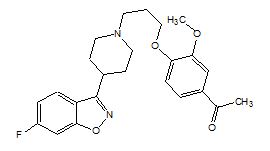
FANAPT is an atypical antipsychotic belonging to the chemical class of piperidinyl-benzisoxazole derivatives. Its chemical name is 4’-[3-[4-(6-Fluoro-1,2-benzisoxazol-3-yl)piperidino]propoxy]-3’-methoxyacetophenone. Its molecular formula is C

Iloperidone is a white to off-white finely crystalline powder. It is practically insoluble in water, very slightly soluble in 0.1 N HCl and freely soluble in chloroform, ethanol, methanol, and acetonitrile.
FANAPT tablets are intended for oral administration only. Each round, uncoated tablet contains 1 mg, 2 mg, 4 mg, 6 mg, 8 mg, 10 mg, or 12 mg of iloperidone. Inactive ingredients are: lactose monohydrate, microcrystalline cellulose, hydroxypropylmethylcellulose, crospovidone, magnesium stearate, colloidal silicon dioxide, and purified water (removed during processing). The tablets are white, round, flat, beveled-edged, and identified with a logo “
6HOW SUPPLIED/STORAGE AND HANDLING
FANAPT tablets are white, round and identified with a logo “
Storage
Store FANAPT tablets at controlled room temperature, 25℃ (77℉); excursions permitted to 15° to 30 ℃ (59° to 86℉) [See USP Controlled Room Temperature]. Protect FANAPT tablets from exposure to light and moisture.
7PATIENT COUNSELING INFORMATION
QT Interval Prolongation
Patients should be advised to consult their healthcare provider immediately if they feel faint, lose consciousness or have heart palpitations. Patients should be counseled not to take FANAPT with other drugs that cause QT interval prolongation
Neuroleptic Malignant Syndrome (NMS)
Counsel patients and caregivers about a potentially fatal adverse reaction, NMS, that has been reported with administration of antipsychotic drugs, including FANAPT. Advise patients and caregivers to contact the healthcare provider or to report to the emergency room if they experience signs and symptoms of NMS
Tardive Dyskinesia
Counsel patients on the signs and symptoms of tardive dyskinesia and to contact their healthcare provider if these abnormal movements occur
Metabolic Changes
Educate patients of metabolic changes, how to recognize symptoms of hyperglycemia and diabetes mellitus, and the need for specific monitoring, including blood glucose, lipids, and weight. Patients should be counseled that weight gain has occurred during treatment with FANAPT
Orthostatic Hypotension and Syncope
Educate patients about the risk of orthostatic hypotension and syncope, particularly at the time of initiating treatment, re-initiating treatment, or increasing the dose
Leukopenia/Neutropenia
Advise patients with a pre-existing low WBC or a history of drug induced leukopenia/neutropenia that they should have their CBC monitored while taking FANAPT
Heat Exposure and Dehydration
Educate patients regarding appropriate care in avoiding overheating and dehydration
Interference with Cognitive and Motor Performance
Caution patients about performing activities requiring mental alertness, such as operating hazardous machinery or operating a motor vehicle, until they are reasonably certain that FANAPT therapy does not affect them adversely
Intraoperative Floppy Iris Syndrome
Instruct patients to tell their ophthalmologist about their use of FANAPT before cataract surgery or other procedures involving the eyes, even if the patient is no longer taking FANAPT
Pregnancy
Advise patients that third trimester use of FANAPT may cause extrapyramidal and/or withdrawal symptoms in a neonate. Advise patients to notify their healthcare provider with known or suspected pregnancy
Pregnancy Registry
Advise patients that there is a pregnancy exposure registry that monitors pregnancy outcomes in women exposed to FANAPT during pregnancy
Lactation
Advise women not to breastfeed during treatment with FANAPT
Concomitant Medication
Advise patients to inform their healthcare provider if they are taking, or plan to take, any prescription or over-the-counter drugs, since there is a potential for interactions
Alcohol
Patients should be advised to avoid alcohol while taking FANAPT.
Distributed by:
Vanda Pharmaceuticals Inc.
Washington, D.C. 20037 USA
Vanda and Fanapt
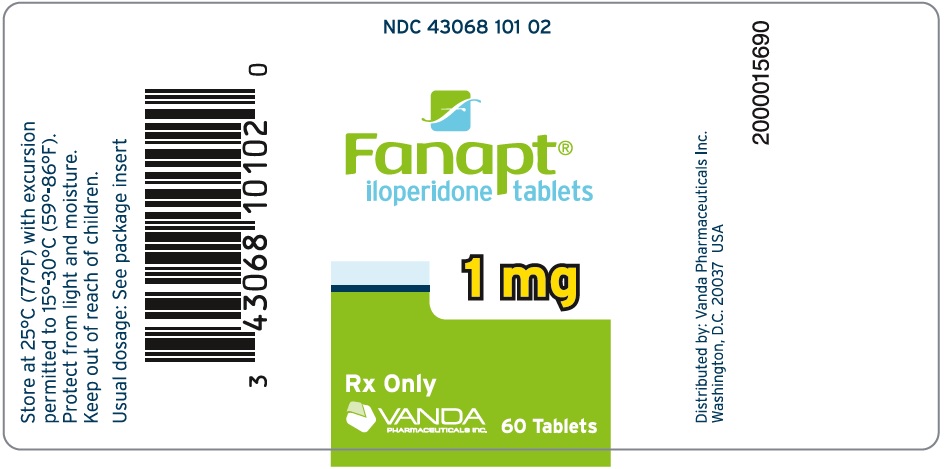
8PRINCIPAL DISPLAY PANEL - NDC: 43068-101-02 - 1mg Label

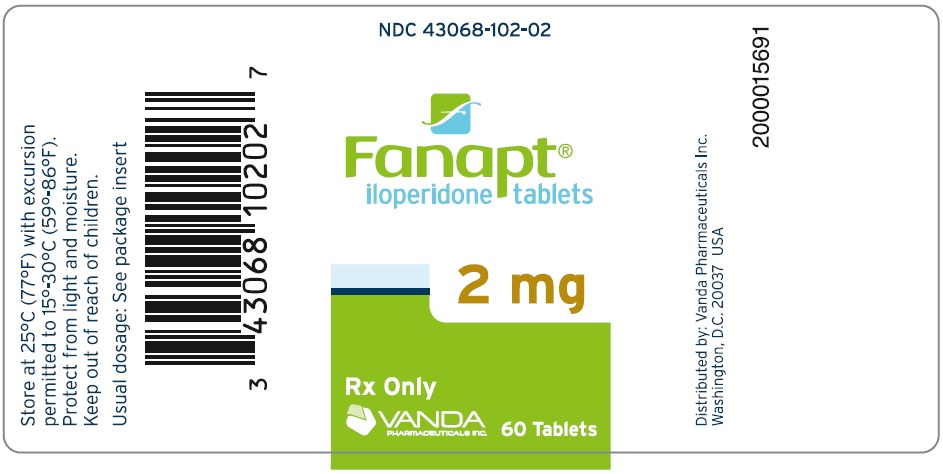
9PRINCIPAL DISPLAY PANEL - NDC: 43068-102-02 - 2mg Label

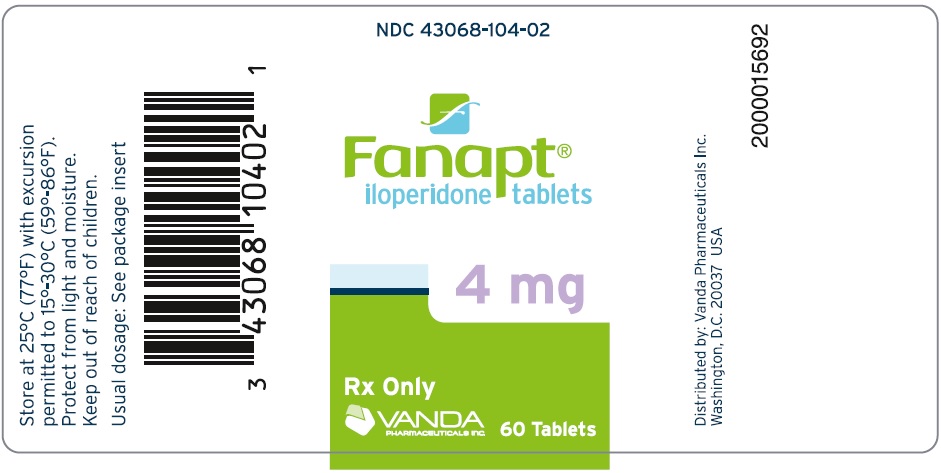
10PRINCIPAL DISPLAY PANEL - NDC: 43068-104-02 - 4mg Label

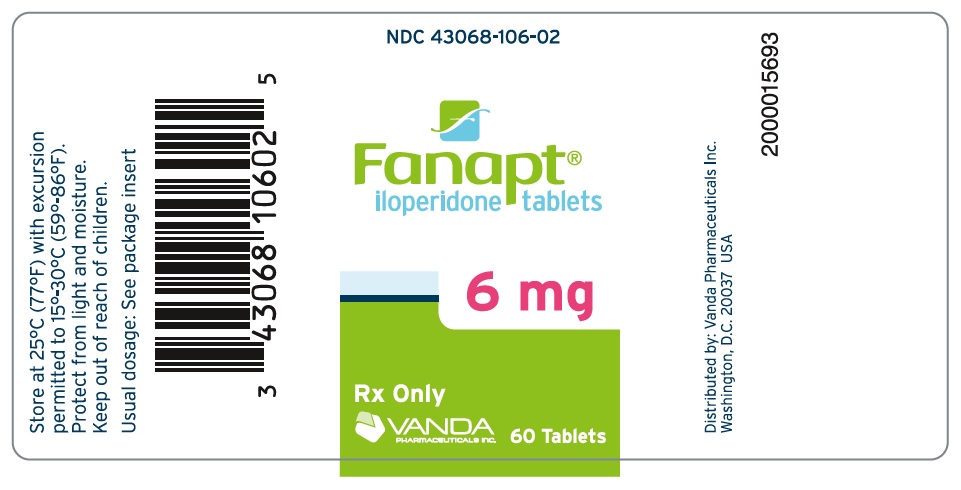
11PRINCIPAL DISPLAY PANEL - NDC: 43068-106-02 - 6mg Label

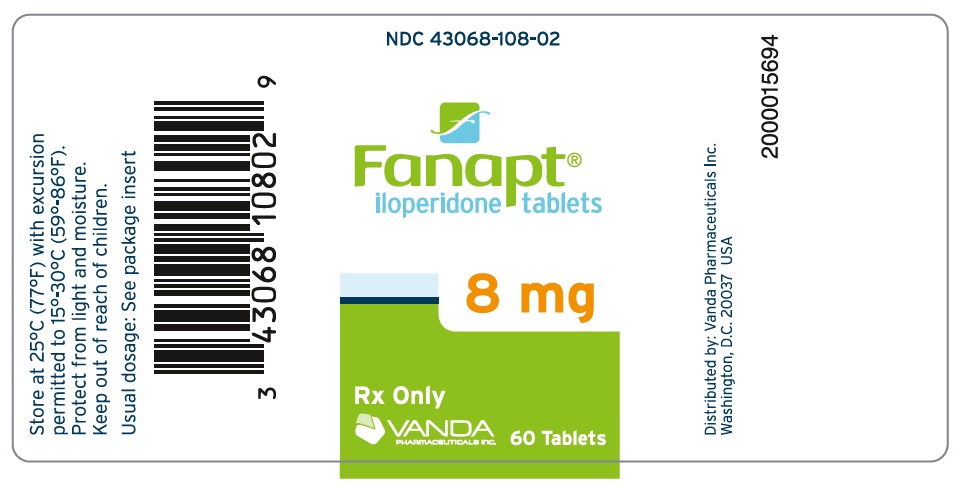
12PRINCIPAL DISPLAY PANEL - NDC: 43068-108-02 - 8mg Label

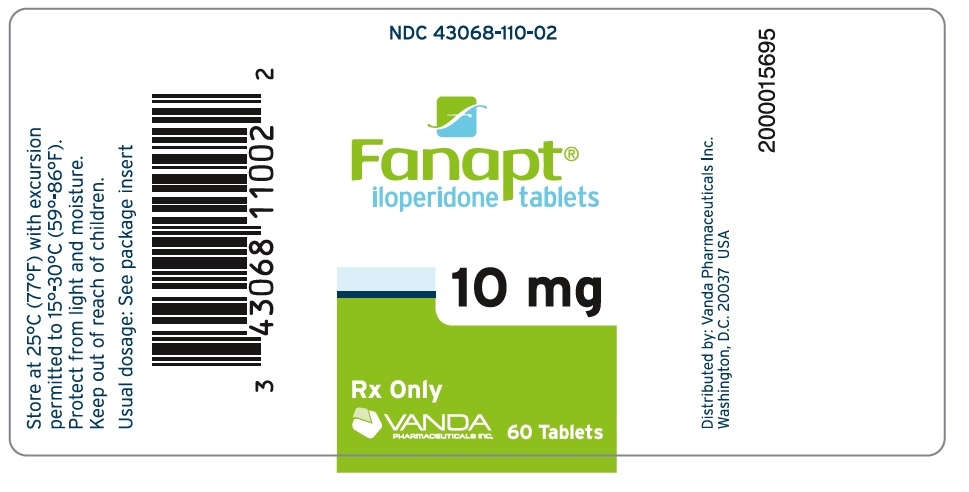
13PRINCIPAL DISPLAY PANEL - NDC: 43068-110-02 - 10mg Label

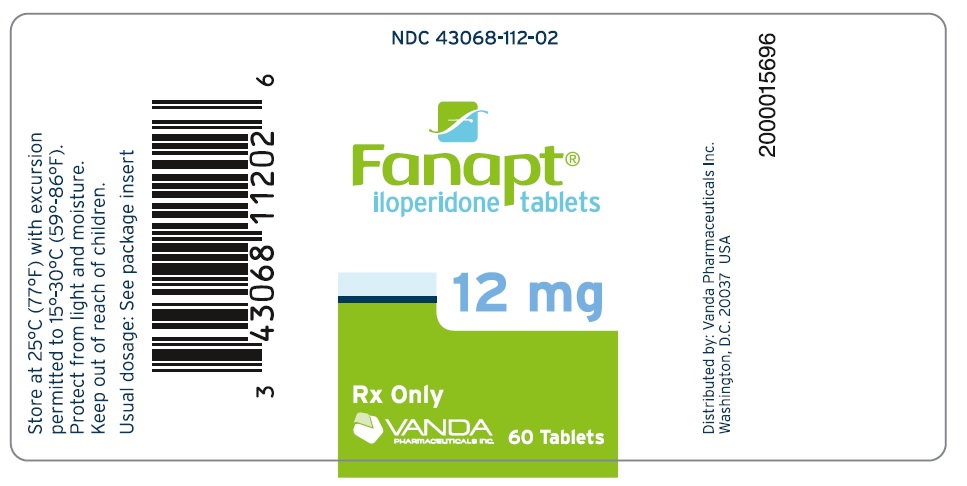
14PRINCIPAL DISPLAY PANEL - NDC: 43068-112-02 - 12mg Label

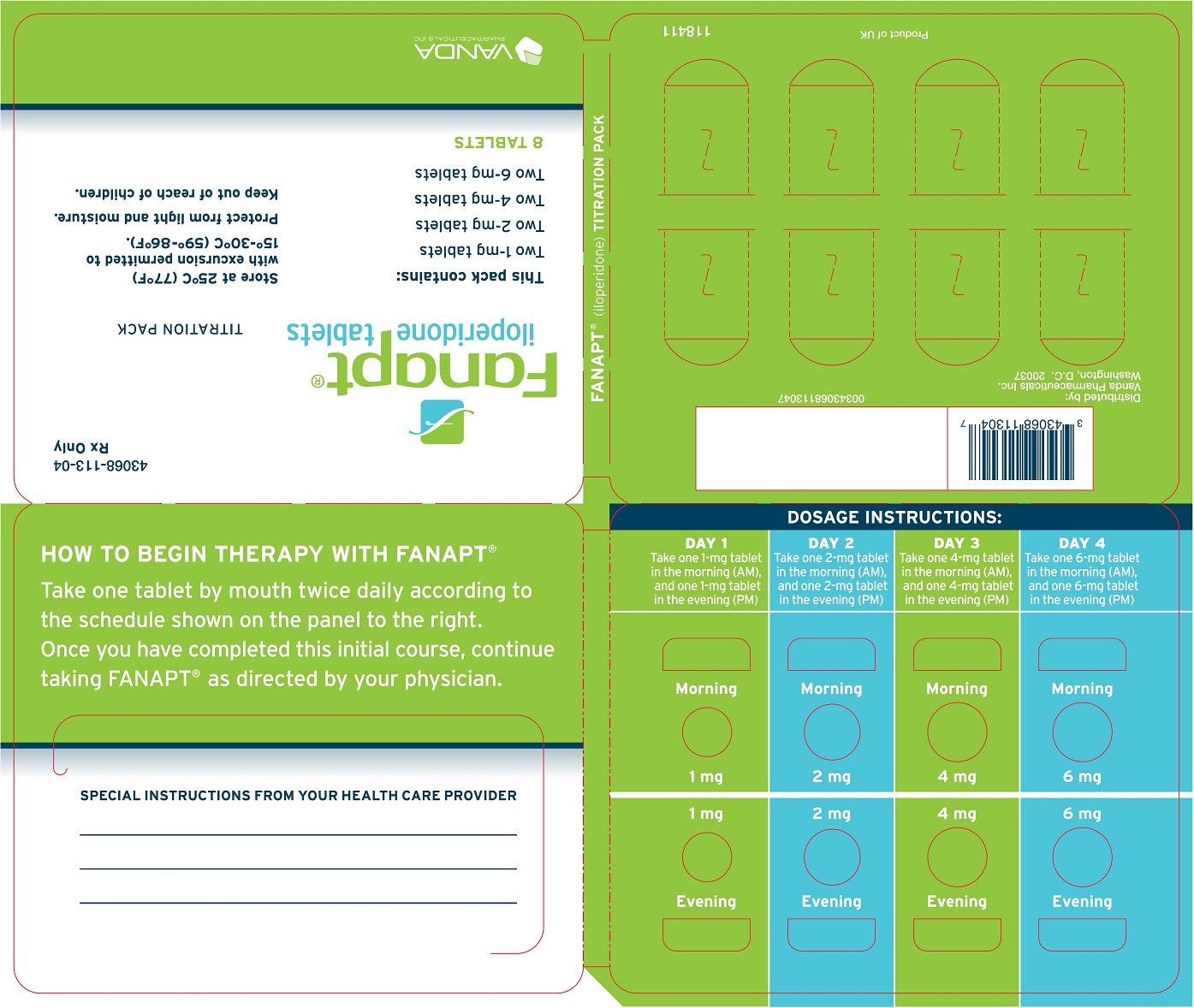
15PRINCIPAL DISPLAY PANEL - NDC: 43068-113-04 - Titration Pack A

16PRINCIPAL DISPLAY PANEL - NDC: 43068-115-04 - Titration Pack B

17PRINCIPAL DISPLAY PANEL - NDC: 43068-114-03 - Titration Pack C

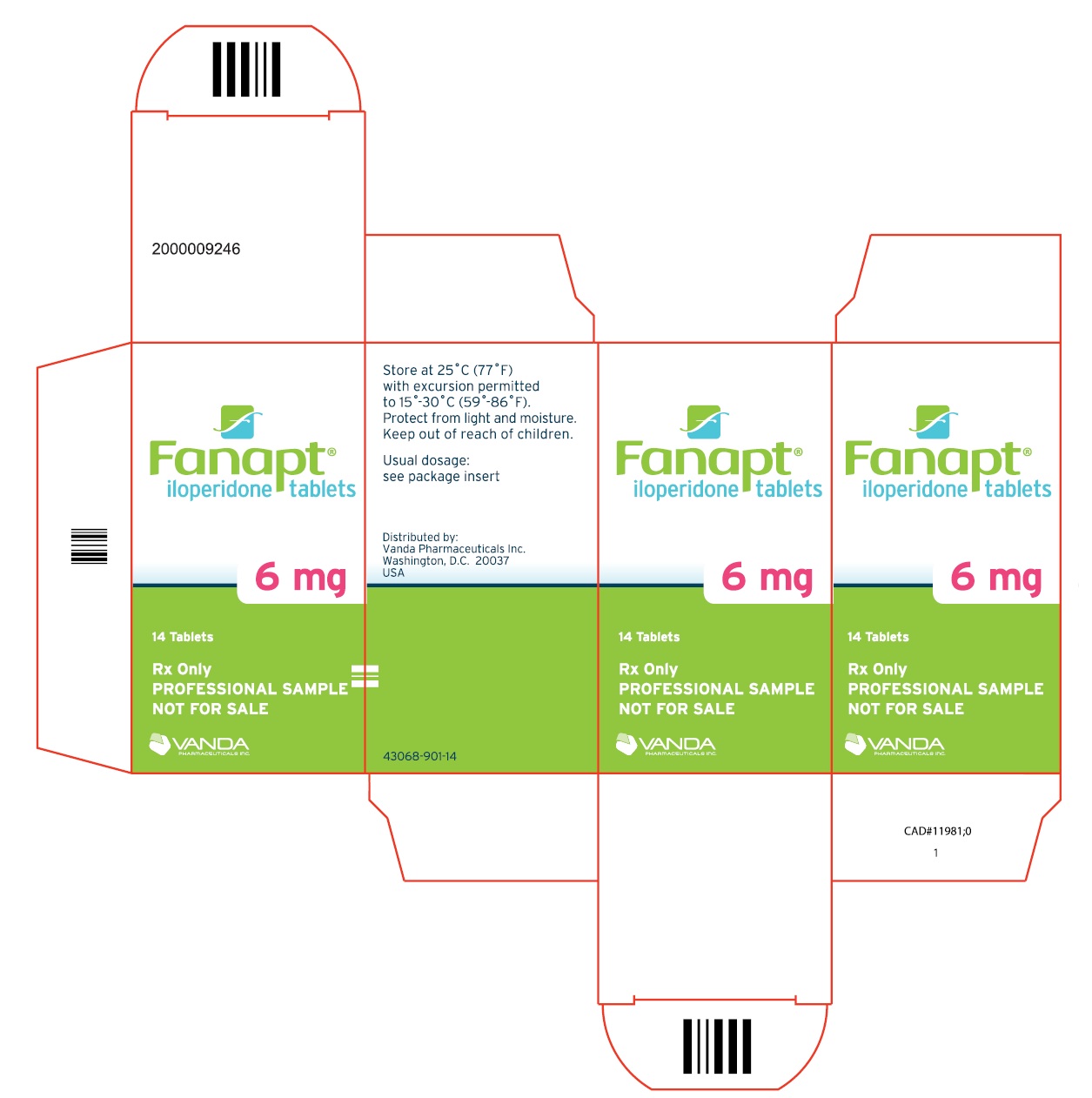
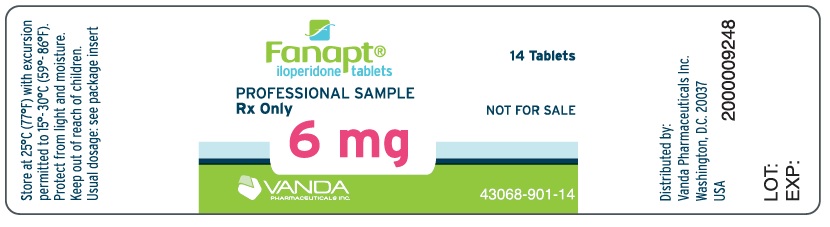
18PRINCIPAL DISPLAY PANEL - NDC: 43068-901-14 - Professional Sample 6mg carton

19PRINCIPAL DISPLAY PANEL - NDC: 43068-901-14 - Professional Sample 6mg bottle

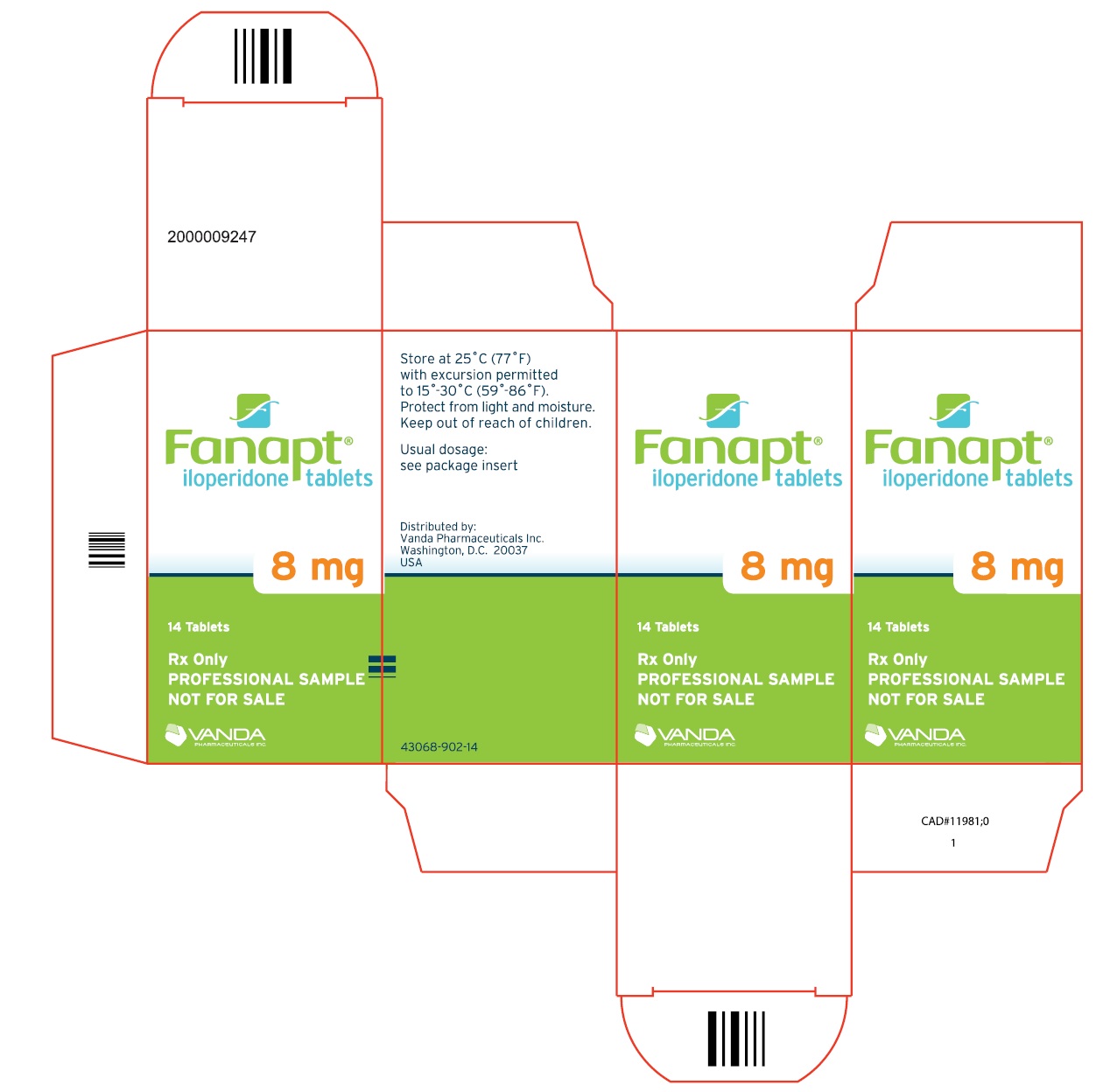
20PRINCIPAL DISPLAY PANEL - NDC: 43068-902-14 - Professional Sample 8mg carton

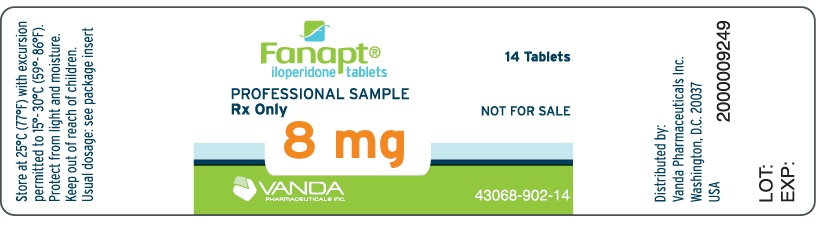
21PRINCIPAL DISPLAY PANEL - NDC: 43068-902-14 - Professional Sample 8mg bottle

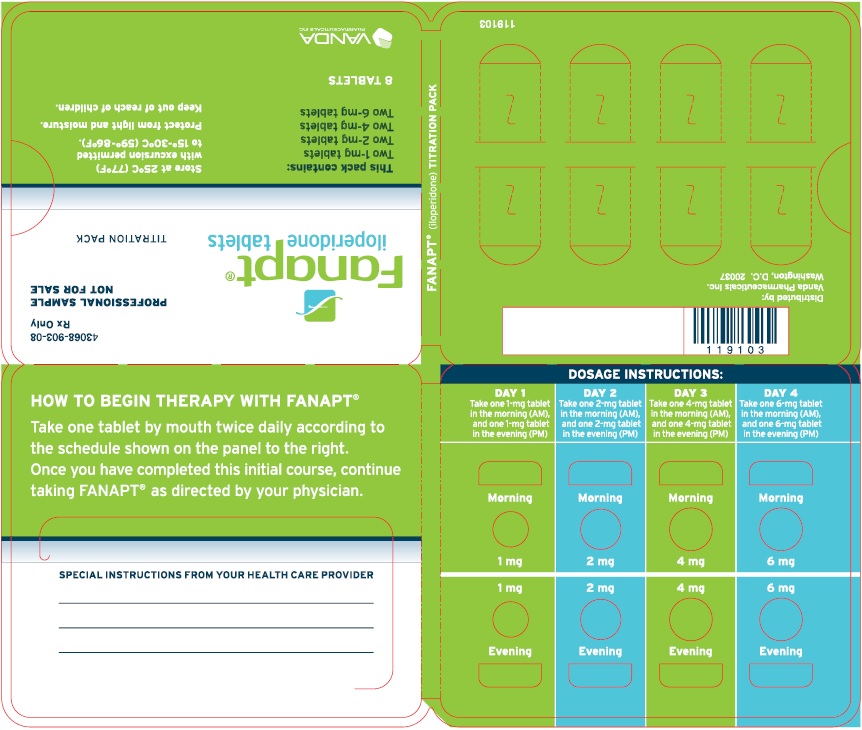
22PRINCIPAL DISPLAY PANEL - NDC: 43068-903-08 - Professional Sample Titration Pack A

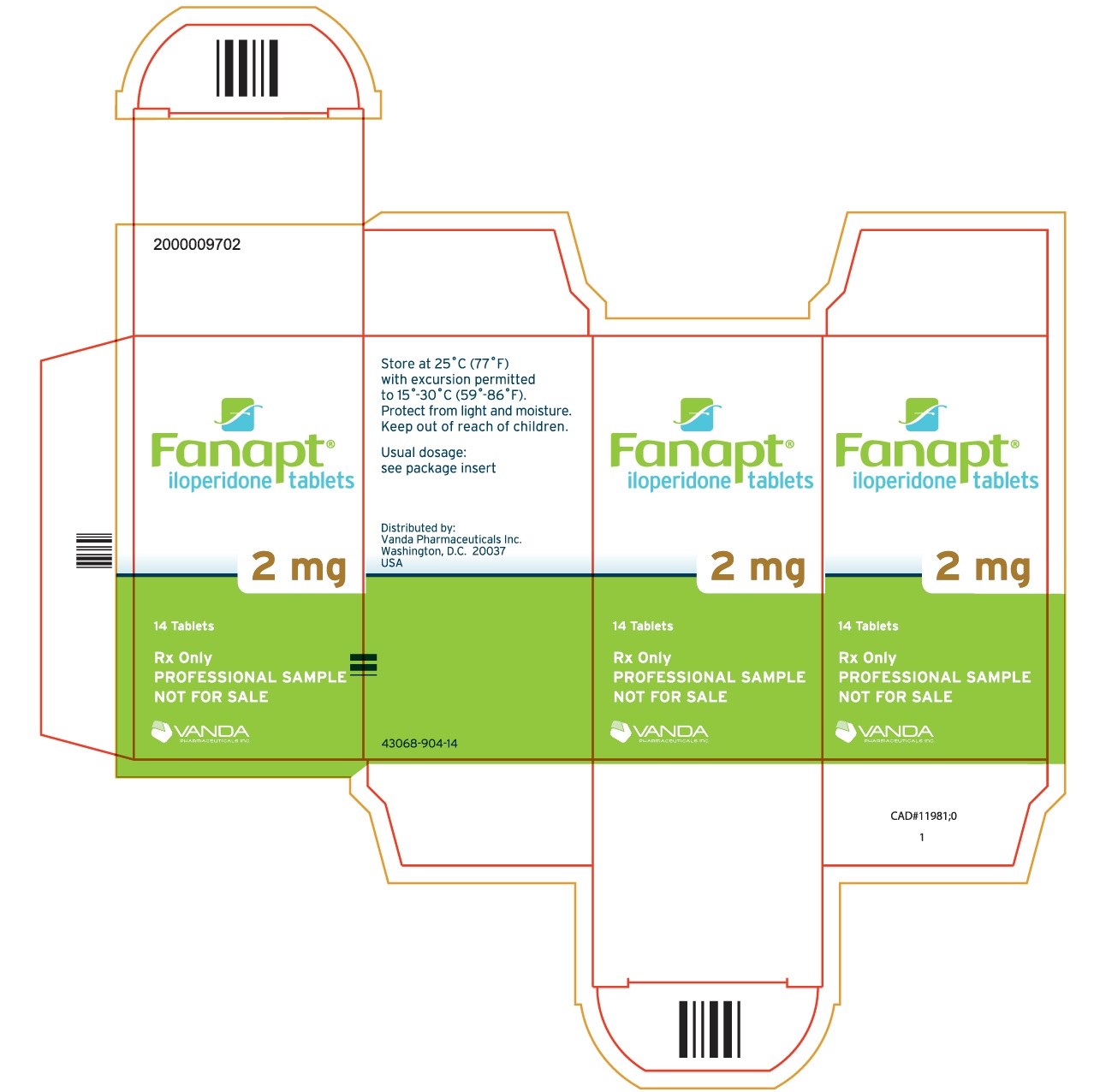
23PRINCIPAL DISPLAY PANEL - NDC: 43068-904-14 - Professional Sample 2mg carton

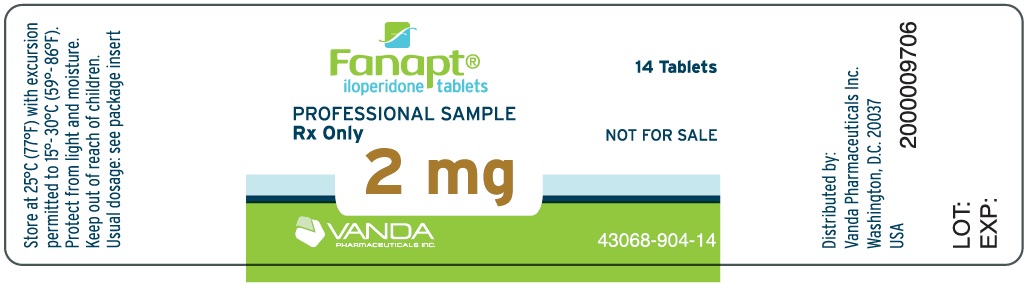
24PRINCIPAL DISPLAY PANEL - NDC: 43068-904-14 - Professional Sample 2mg Bottle

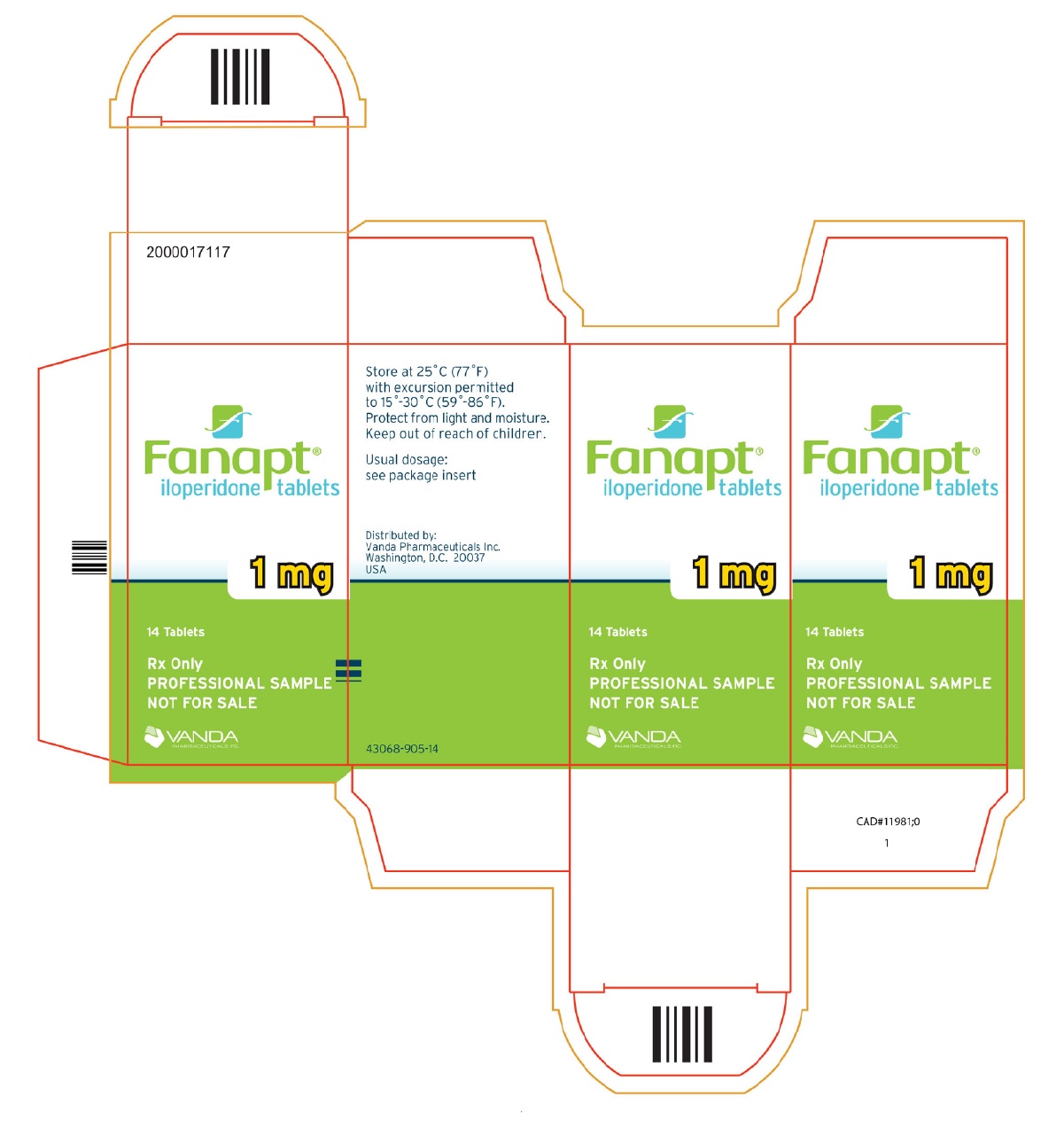
25PRINCIPAL DISPLAY PANEL - NDC: 43068-905-14 - Professional Sample 1mg carton

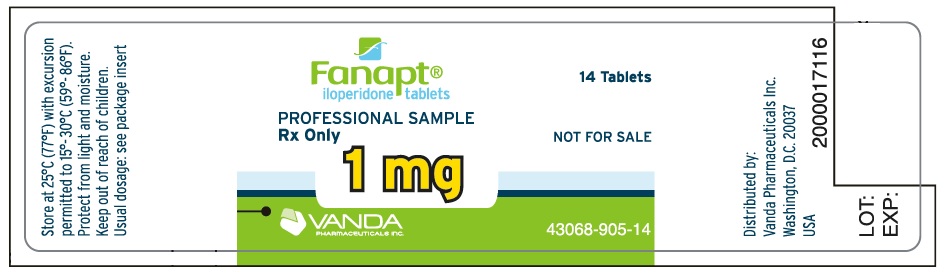
26PRINCIPAL DISPLAY PANEL - NDC: 43068-905-14 - Professional Sample 1mg Bottle

27PRINCIPAL DISPLAY PANEL - NDC: 43068-907-12 - Professional Sample Titration Pack B

28PRINCIPAL DISPLAY PANEL - NDC: 43068-906-08 - Professional Sample Titration Pack C