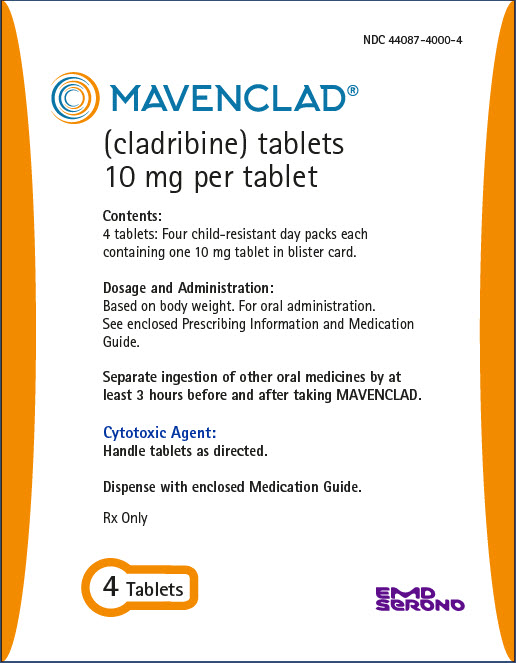
Mavenclad
What is Mavenclad (Cladribine)?
Approved To Treat
Top Global Experts


Related Clinical Trials
Summary: This is a multicenter, randomized, open-label, pragmatic low intervention clinical trial comparing high intensity reinduction chemotherapy with low intensity therapies in 1st or 2nd relapse Acute Myeloid Leukemia. The study is funded by European Commission (HORIZON-MISS-2022-CANCER-01-03, Project ID 101104421)
Summary: The goal of this clinical research study is to learn if cladribine given in combination with low-dose cytarabine (LDAC) and decitabine can help control the disease in patients with AML or MDS. The safety of this drug combination will also be studied. Cladribine is designed to interfere with the cell's ability to process DNA (the genetic material of cells). It can also insert itself into the DNA of...
Summary: This phase II trial tests how well VA alternating with low-dose CHA works in treating unfit patients with newly diagnosed acute myeloid leukemia (AML). This is a prospective, multi-centers, single arm phase II study aimed to overcome VEN resistance and achieve greater MRD negative rate, providing better control of treatment for unfit AML.
Related Latest Advances
Brand Information
- Malignancies
- Risk of Teratogenicity
- in patients with current malignancy
- in pregnant women and in women and men of reproductive potential who do not plan to use effective contraception during MAVENCLAD dosing and for 6 months after the last dose in each treatment course. May cause fetal harm
- in patients infected with the human immunodeficiency virus (HIV
- in patients with active chronic infections (e.g., hepatitis or tuberculosis)
- in patients with a history of hypersensitivity to cladribine
- in women intending to breastfeed on a MAVENCLAD treatment day and for 10 days after the last dose
- Malignancies
- Risk of Teratogenicity
- Lymphopenia
- Infections
- Hematologic Toxicity
- Graft-Versus-Host Disease With Blood Transfusion
- Liver Injury
- Hypersensitivity
- Cardiac Failure
- "OSHA Hazardous Drugs". OSHA. http://www.osha.gov/SLTC/hazardousdrugs/index.html.