Generic Name
Deflazacort
Brand Names
Emflaza, Jaythari, Kymbee, Pyquvi
FDA approval date: September 10, 2018
Classification: Corticosteroid
Form: Tablet, Suspension
What is Emflaza (Deflazacort)?
EMFLAZA is indicated for the treatment of Duchenne muscular dystrophy in patients 2 years of age and older. EMFLAZA is a corticosteroid indicated for the treatment of Duchenne muscular dystrophy in patients 2 years of age and older
Approved To Treat


Save this treatment for later
Not sure about your diagnosis?
Related Clinical Trials
There is no clinical trials being done for this treatment
Related Latest Advances
Brand Information
EMFLAZA (deflazacort)
1INDICATIONS AND USAGE
EMFLAZA is indicated for the treatment of Duchenne muscular dystrophy (DMD) in patients 2 years of age and older.
2DOSAGE FORMS AND STRENGTHS
Tablets
- 6 mg: White and round with “6” debossed on one side
- 18 mg: White and round with “18” debossed on one side
- 30 mg: White and oval with “30” debossed on one side
- 36 mg: White and oval with “36” debossed on one side
Oral Suspension
- 22.75 mg/mL: Whitish suspension
3CONTRAINDICATIONS
EMFLAZA is contraindicated in patients with known hypersensitivity to deflazacort or to any of the inactive ingredients. Instances of hypersensitivity, including anaphylaxis, have occurred in patients receiving corticosteroid therapy
4ADVERSE REACTIONS
The following serious adverse reactions are discussed in more detail in other sections:
- Alterations in Endocrine Function
- Immunosuppression and Increased Risk of Infection
- Alterations in Cardiovascular/Renal Function
- Gastrointestinal Perforation
- Behavioral and Mood Disturbances
- Effects on Bones
- Ophthalmic Effects
- Immunizations
- Serious Skin Rashes
- Effects on Growth and Development
- Myopathy
- Kaposi’s Sarcoma
- Risk of Serious Adverse Reactions in Infants because of Benzyl Alcohol Preservative
- Thromboembolic Events
- Anaphylaxis
4.1Clinical Trials Experience
Because clinical trials are conducted under widely varying conditions, adverse reaction rates observed in the clinical trials of a drug cannot be directly compared to rates in the clinical trials of another drug and may not reflect the rates observed in practice.
In Study 1
Most Common Adverse Reactions in Clinical Studies
Table 1 lists the adverse reactions that occurred in ≥ 5% of patients in the 0.9 mg/kg/day deflazacort-treated group and that occurred more frequently than in placebo patients in Study 1, which included patients with DMD between the ages of 5 and 15 years.
Table 1 lists the adverse reactions that occurred in ≥ 5% of patients in the 0.9 mg/kg/day deflazacort-treated group and that occurred more frequently than in placebo patients in Study 1, which included patients with DMD between the ages of 5 and 15 years.
Common adverse reactions (≥ 5% of deflazacort-treated patients) that occurred over 52 weeks of exposure to deflazacort 0.9 mg/kg/day in Study 1 and at a higher rate than deflazacort 0.9 mg/kg/day in the 12-week placebo-controlled phase of the trial include Cushingoid appearance (60%), hirsutism (35%), weight increased (28%), erythema (28%), central obesity (25%), abdominal pain/abdominal pain upper (18% combined), pollakiuria (15%), constipation (10%), irritability (10%), abnormal behavior (9%), pyrexia (9%), back pain (7%), rash (7%), contusion (6%), nausea (6%), psychomotor hyperactivity (6%), epistaxis (6%), and skin striae (6%).
Study 1 also evaluated a higher dosage of deflazacort (1.2 mg/kg/day). Compared with the 0.9 mg/kg/day dosage, deflazacort 1.2 mg/kg/day over 52 weeks was associated with a higher incidence of certain adverse reactions, including Cushingoid appearance (69%), erythema (49%), hirsutism (37%), headache (34%), weight increased (32%), constipation (15%), abdominal pain upper (14%), skin striae (11%), acne (11%), and abdominal discomfort (8%). As there was no additional benefit with the 1.2 mg/kg/day dose of deflazacort, use of EMFLAZA 1.2 mg/kg/day is not recommended for the treatment of DMD
In an additional clinical study of two years duration with extended follow-up (Study 2), many of the same adverse reactions were observed. In addition, musculoskeletal events associated with long-term steroid use were also observed, including muscle weakness, tendon disorder, and osteopenia.
Less Common Adverse Reactions Observed in Clinical Studies
Other adverse reactions (≥ 1% frequency in any deflazacort treatment group and greater than placebo) that were observed during the 12-week placebo-controlled phase of Study 1 are shown below.
Other adverse reactions (≥ 1% frequency in any deflazacort treatment group and greater than placebo) that were observed during the 12-week placebo-controlled phase of Study 1 are shown below.
Eye Disorders: Lacrimation increased
Gastrointestinal Disorders: Dyspepsia, nausea, gastrointestinal disorder
General Disorders and Administration Site Conditions: Thirst
Infections: Hordeolum, impetigo, influenza, otitis externa, pharyngitis, tooth abscess, urinary tract infection, viral infection
Injury, Poisoning and Procedural Complications: Back injury, contusion, face injury, fibula fracture, greenstick fracture, heat exhaustion
Investigations: Glucose urine present, heart rate irregular
Musculoskeletal and Connective Tissue Disorders: Back pain, muscle spasms, myalgia, neck mass, neck pain, pain in extremity
Nervous System Disorders: Dizziness, psychomotor hyperactivity
Psychiatric Disorders: Affect lability, aggression, depression, emotional disorder, middle insomnia, mood altered, mood swings, sleep disorder
Renal and Urinary Disorders: Chromaturia, dysuria, hypertonic bladder
Reproductive System and Breast Disorders: Testicular pain
Respiratory, Thoracic, and Mediastinal Disorders: Hypoventilation, rhinorrhea
Skin and Subcutaneous Tissue Disorders: Acne, alopecia, dermatitis acneiform
Vascular Disorders: Hot flush
4.2Postmarketing Experience
The following adverse reactions have been reported during post-approval use of deflazacort worldwide or during post-approval use of other corticosteroids. These reactions are reported voluntarily from a population of uncertain size; therefore, it is not always possible to estimate their frequency or establish a causal relationship to drug exposure.
Blood and Lymphatic System Disorders: Leukocytosis
Cardiac Disorder: Heart failure
Eye Disorders: Chorioretinopathy, corneal or scleral thinning
Gastrointestinal Disorders: Acute pancreatitis (especially in children), hemorrhage, peptic ulceration, perforation of peptic ulcer
General Disorders and Administration Site Conditions: Edema, impaired healing
Immune System Disorders: Hypersensitivity including anaphylaxis
Metabolism and Nutrition Disorders: Impaired carbohydrate tolerance with increased requirement for anti-diabetic therapy, negative protein and calcium balance, potassium loss and hypokalemic alkalosis when co-administered with beta 2-agonist and xanthines
Musculoskeletal and Connective Tissue Disorders: Avascular necrosis, muscle wasting, negative nitrogen balance, tendonitis and tendon rupture when co-administered with quinolones, vertebral and long bone fractures
Nervous System Disorders: Aggravation of epilepsy, increased intra-cranial pressure with papilledema in children (pseudotumor cerebri) usually after treatment withdrawal, vertigo
Psychiatric Disorders: Anxiety, cognitive dysfunction including confusion and amnesia, delusions, hallucinations, mania, suicidal thoughts
Skin and Subcutaneous Tissue Disorders: Toxic epidermal necrolysis
Vascular Disorders: Thromboembolism, in particular in patients with underlying conditions associated with increased thrombotic tendency, benign intracranial hypertension
5OVERDOSAGE
Treatment of acute overdosage is by immediate gastric lavage or emesis followed by supportive and symptomatic therapy. For chronic overdosage in the face of severe disease requiring continuous steroid therapy, the dosage of EMFLAZA may be reduced temporarily, or alternate day treatment may be introduced.
6DESCRIPTION
The active ingredient in EMFLAZA is deflazacort (a corticosteroid). Corticosteroids are adrenocortical steroids, both naturally occurring and synthetic. The molecular formula for deflazacort is C
![The structural formula for EMFLAZA is deflazacort (a corticosteroid). Corticosteroids are adrenocortical steroids, both naturally occurring and synthetic. The molecular formula for deflazacort is C25H31NO6. The chemical name for deflazacort is (11β,16β)-21-(acetyloxy)-11-hydroxy-2'-methyl-5'H-pregna-1,4-dieno[17,16-d]oxazole-3,20-dione.](https://dailymed.nlm.nih.gov/dailymed/image.cfm?name=emflaza-01.jpg&setid=31b347d2-f156-4055-9d8f-7cf0df420296)
Deflazacort is a white to off white, odorless fine powder and has a molecular weight of 441.517. Deflazacort is freely soluble in acetic acid and dichloromethane and soluble in methanol and acetone.
EMFLAZA for oral administration is available as an immediate-release tablet in strengths of 6, 18, 30 and 36 mg and an immediate-release oral suspension in a strength of 22.75 mg/mL. Each tablet contains deflazacort and the following inactive ingredients: colloidal silicon dioxide, lactose monohydrate, magnesium stearate, and pre-gelatinized corn starch. The oral suspension contains deflazacort and the following inactive ingredients: acetic acid, aluminum magnesium silicate, benzyl alcohol, carboxymethylcellulose sodium, polysorbate 80, purified water, and sorbitol.
7CLINICAL STUDIES
The effectiveness of EMFLAZA for the treatment of DMD was established in Study 1, a multicenter, randomized, double-blind, placebo-controlled, 52-week study conducted in the US and Canada. The study population consisted of 196 male pediatric patients 5 to 15 years of age with documented mutation of the dystrophin gene, onset of weakness before 5 years of age, and serum creatinine kinase activity at least 10 times the upper limit of normal (ULN) at some stage in their illness. Patients were randomized to therapy with deflazacort (0.9 or 1.2 mg/kg/day), an active comparator, or placebo. A comparison to placebo was made after 12 weeks of treatment. After 12 weeks, placebo patients were re-randomized to receive either deflazacort or the active comparator; all patients continued treatment for an additional 40 weeks. Baseline characteristics were comparable between the treatment arms.
In Study 1, efficacy was evaluated by assessing the change between Baseline and Week 12 in average strength of 18 muscle groups. Individual muscle strength was graded using a modified Medical Research Council (MRC) 11-point scale, with higher scores representing greater strength.
The change in average muscle strength score between Baseline and Week 12 was significantly greater for the deflazacort 0.9 mg/kg/day dose group than for the placebo group (see
Compared with the deflazacort 0.9 mg/kg/day group, the deflazacort 1.2 mg/kg/day group demonstrated a small additional benefit compared to placebo at Week 12, but had a greater incidence of adverse reactions. Therefore, use of a 1.2 mg/kg/day dosage of EMFLAZA is not recommended
Although not a pre-specified statistical analysis, compared with placebo, the deflazacort 0.9 mg/kg/day dose group demonstrated at Week 52 the persistence of the treatment effect observed at Week 12 and the small advantage of the 1.2 mg/kg/day dose that was observed at Week 12 was no longer present. Also not statistically controlled for multiple comparisons, results on several timed measures of patient function (i.e., time to stand from supine, time to climb 4 stairs, and time to walk or run 30 feet) numerically favored deflazacort 0.9 mg/kg/day at Week 12, in comparison with placebo.
An additional randomized, double-blind, placebo-controlled, 104-week clinical trial evaluated deflazacort in comparison to placebo (Study 2). The study population consisted of 29 male children 6 to 12 years of age with a DMD diagnosis confirmed by the documented presence of abnormal dystrophin or a confirmed mutation of the dystrophin gene. The results of the analysis of the primary endpoint of average muscle strength scores in Study 2 (graded on a 0-5 scale) at 2 years were not statistically significant, possibly because of a limited number of patients remaining in the placebo arm (subjects were discontinued from the trial when they lost ambulation). Although not statistically controlled for multiple comparisons, average muscle strength scores at Months 6 and 12, as well as the average time to loss of ambulation, numerically favored deflazacort in comparison with placebo.
8PATIENT COUNSELING INFORMATION
Advise the patients and/or caregivers to read the FDA-approved patient labeling if EMFLAZA Oral Suspension is prescribed (
Administration
- Warn patients and/or caregivers to not stop taking EMFLAZA abruptly or without first checking with their healthcare providers as there may be a need for gradual dose reduction to decrease the risk of adrenal insufficiency
- EMFLAZA may be taken with or without food. Do not take EMFLAZA with grapefruit juice.
Tablets
- EMFLAZA Tablets may be taken whole or crushed and taken immediately after mixing with applesauce.
Oral Suspension
- EMFLAZA Oral Suspension must be shaken well prior to measuring out each dose with the enclosed oral dispenser.
- The EMFLAZA Oral Suspension dose may be placed in 3-4 ounces of juice (except grapefruit juice) or milk, mixed thoroughly, and immediately administered.
- Discard any unused EMFLAZA Oral Suspension remaining after 1 month of first opening the bottle.
Increased Risk of Infection
Tell patients and/or caregivers to inform their healthcare provider if the patient has had recent or ongoing infections or if they have recently received a vaccine. Medical advice should be sought immediately if the patient develops fever or other signs of infection. Patients and/or caregivers should be made aware that some infections can potentially be severe and fatal.
Tell patients and/or caregivers to inform their healthcare provider if the patient has had recent or ongoing infections or if they have recently received a vaccine. Medical advice should be sought immediately if the patient develops fever or other signs of infection. Patients and/or caregivers should be made aware that some infections can potentially be severe and fatal.
Warn patients who are on corticosteroids to avoid exposure to chickenpox or measles and to alert their healthcare provider immediately if they are exposed
Alterations in Cardiovascular/Renal Function
Inform patients and/or caregivers that EMFLAZA can cause an increase in blood pressure and water retention. If this occurs, dietary salt restriction and potassium supplementation may be needed [see Warnings and Precautions (.
Inform patients and/or caregivers that EMFLAZA can cause an increase in blood pressure and water retention. If this occurs, dietary salt restriction and potassium supplementation may be needed [see Warnings and Precautions (.
Behavioral and Mood Disturbances
Advise patients and/or caregivers about the potential for severe behavioral and mood changes with EMFLAZA and encourage them to seek medical attention if psychiatric symptoms develop [see Warnings and Precautions (.
Advise patients and/or caregivers about the potential for severe behavioral and mood changes with EMFLAZA and encourage them to seek medical attention if psychiatric symptoms develop [see Warnings and Precautions (.
Decreases in Bone Mineral Density
Advise patients and/or caregivers about the risk of osteoporosis with prolonged use of EMFLAZA, which can predispose the patient to vertebral and long bone fractures [see Warnings and Precautions (.
Advise patients and/or caregivers about the risk of osteoporosis with prolonged use of EMFLAZA, which can predispose the patient to vertebral and long bone fractures [see Warnings and Precautions (.
Ophthalmic Effects
Inform patients and/or caregivers that EMFLAZA may cause cataracts or glaucoma and advise monitoring if corticosteroid therapy is continued for more than 6 weeks [see Warnings and Precautions (.
Inform patients and/or caregivers that EMFLAZA may cause cataracts or glaucoma and advise monitoring if corticosteroid therapy is continued for more than 6 weeks [see Warnings and Precautions (.
Vaccination
Advise patients and/or caregivers to bring immunizations up-to-date according to immunization guidelines prior to starting therapy with EMFLAZA. Live-attenuated or live vaccines should be administered at least 4 to 6 weeks prior to starting EMFLAZA. Inform patients and/or caregivers that they may receive concurrent vaccinations with use of EMFLAZA, except for live-attenuated or live vaccines. [see Warnings and Precautions (.
Advise patients and/or caregivers to bring immunizations up-to-date according to immunization guidelines prior to starting therapy with EMFLAZA. Live-attenuated or live vaccines should be administered at least 4 to 6 weeks prior to starting EMFLAZA. Inform patients and/or caregivers that they may receive concurrent vaccinations with use of EMFLAZA, except for live-attenuated or live vaccines. [see Warnings and Precautions (.
Serious Skin Rashes
Instruct patients and/or caregivers to seek medical attention at the first sign of a rash [see Warnings and Precautions (.
Instruct patients and/or caregivers to seek medical attention at the first sign of a rash [see Warnings and Precautions (.
Drug Interactions
Certain medications can cause an interaction with EMFLAZA. Advise patients and/or caregivers to inform their healthcare provider of all the medicines the patient is taking, including over-the-counter medicines (such as insulin, aspirin or other NSAIDS), dietary supplements, and herbal products. Inform patients and/or caregivers that alternate therapy, dosage adjustment, and/or special test(s) may be needed during the treatment.
Certain medications can cause an interaction with EMFLAZA. Advise patients and/or caregivers to inform their healthcare provider of all the medicines the patient is taking, including over-the-counter medicines (such as insulin, aspirin or other NSAIDS), dietary supplements, and herbal products. Inform patients and/or caregivers that alternate therapy, dosage adjustment, and/or special test(s) may be needed during the treatment.
PTC Therapeutics
Manufactured for:
EMFLAZA Oral Suspension made in Spain
EMFLAZA
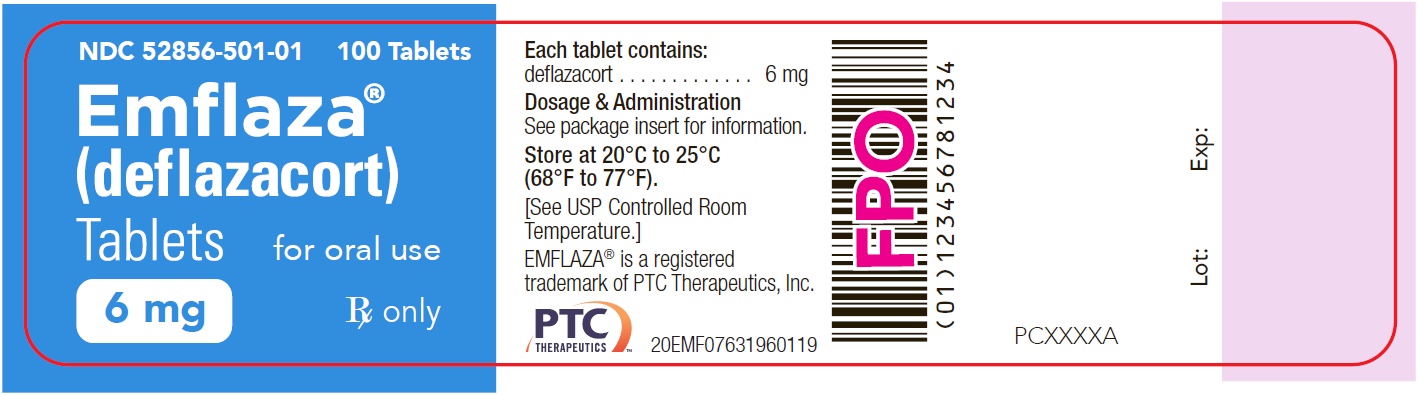
9PRINCIPAL DISPLAY PANEL - NDC: 52856-501-01 - 6 mg Tablet 100-Count Bottle Label
NDC 52856-501-01
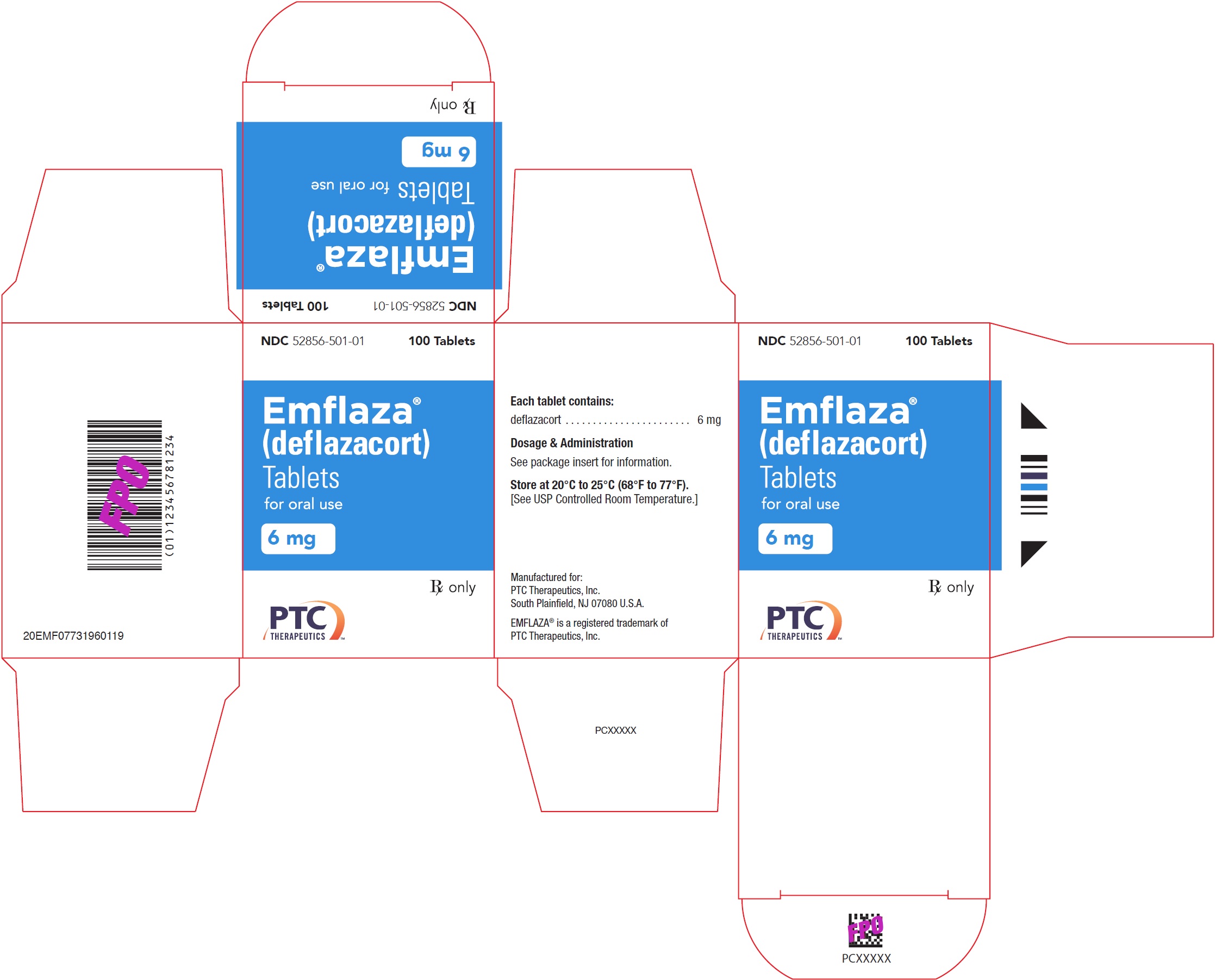
10PRINCIPAL DISPLAY PANEL - NDC: 52856-501-01 - 6 mg Tablet 100-Count Carton Label
NDC 52856-501-01
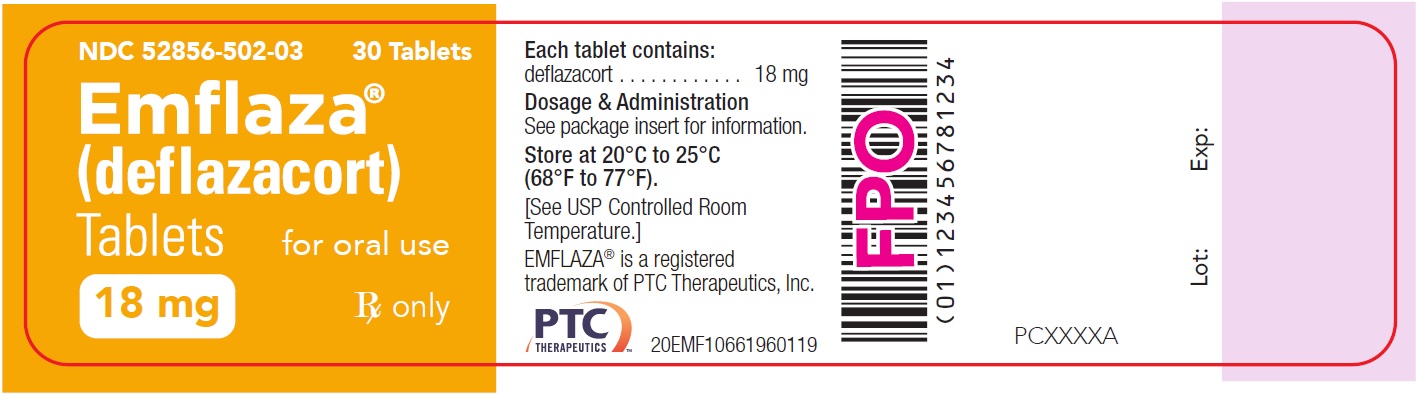
11PRINCIPAL DISPLAY PANEL - NDC: 52856-502-03 - 18 mg Tablet 30-Count Bottle Label
NDC 52856-502-03
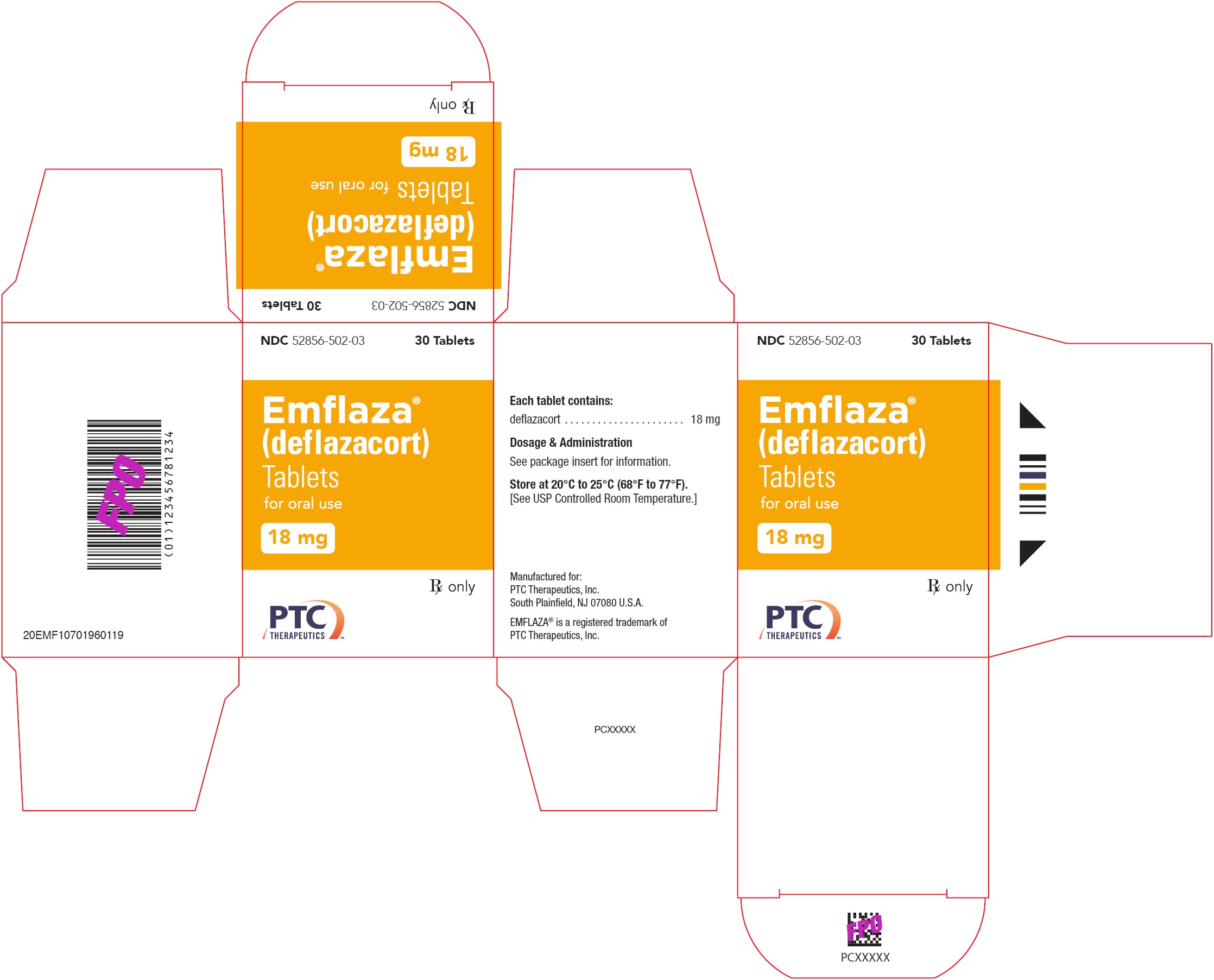
12PRINCIPAL DISPLAY PANEL - NDC: 52856-502-03 - 18 mg Tablet 30-Count Carton Label
NDC 52856-502-03
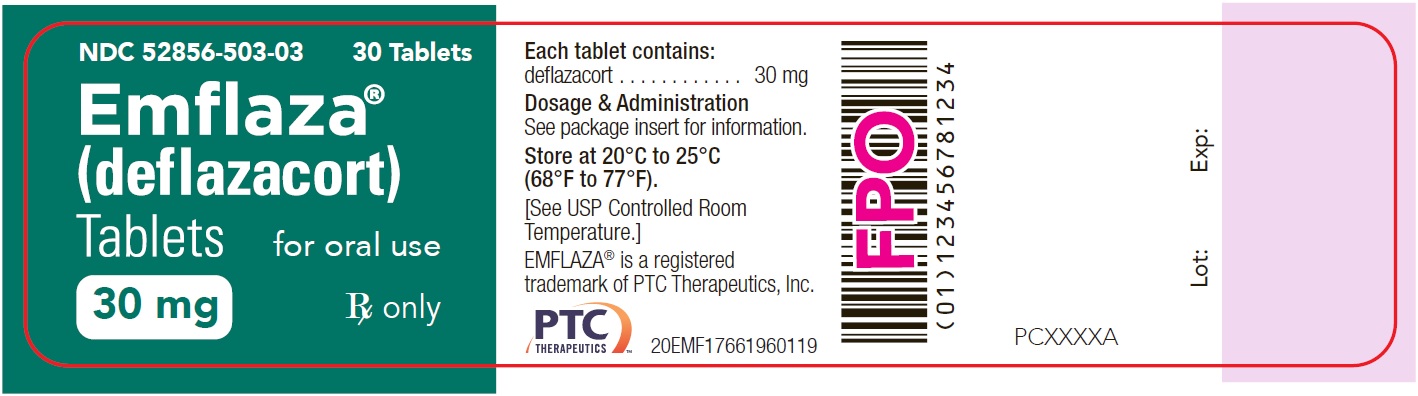
13PRINCIPAL DISPLAY PANEL - NDC: 52856-503-03 - 30 mg Tablet 30-Count Bottle Label
NDC 52856-503-03
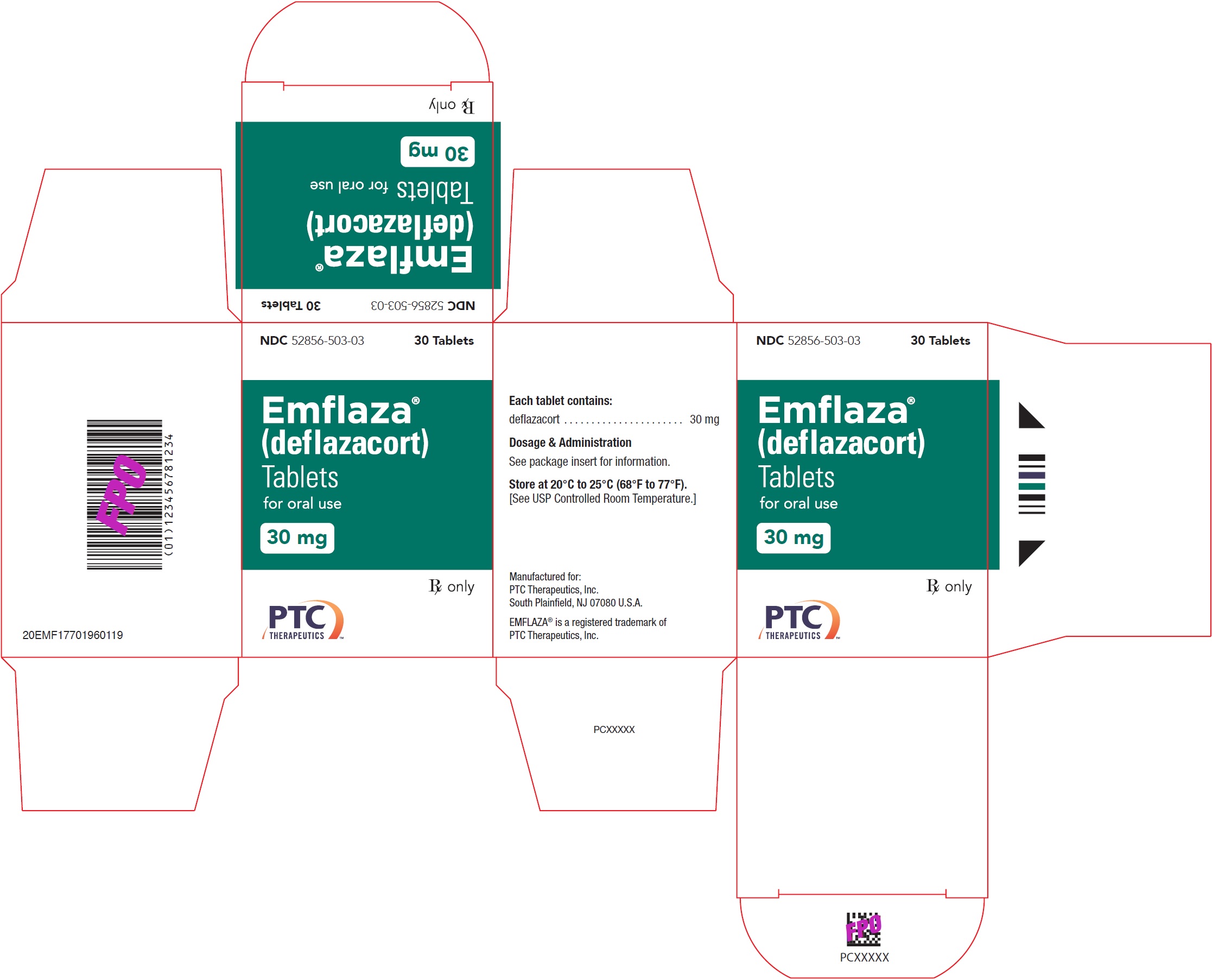
14PRINCIPAL DISPLAY PANEL - NDC: 52856-503-03 - 30 mg Tablet 30-Count Carton Label
NDC 52856-503-03
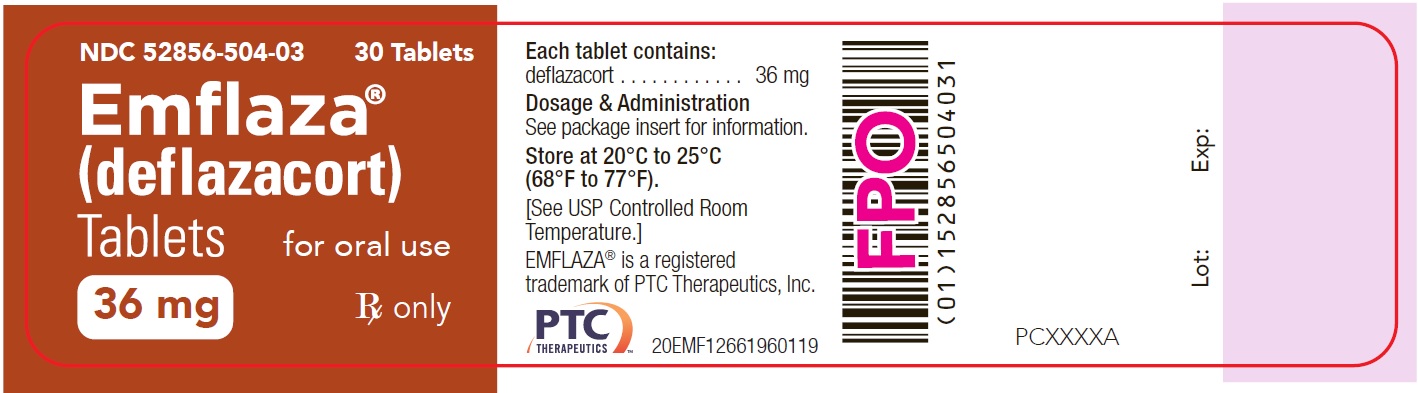
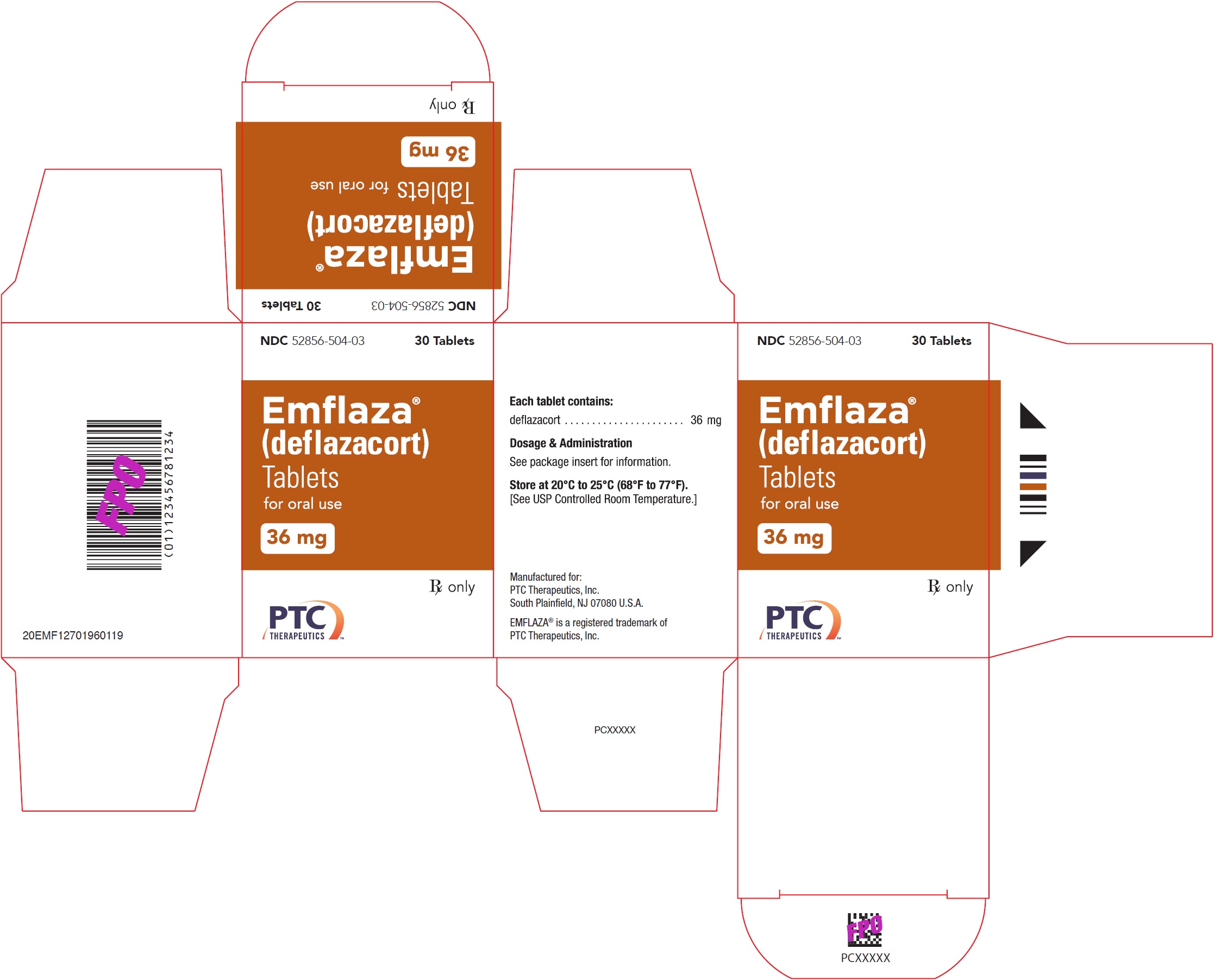
15PRINCIPAL DISPLAY PANEL - NDC: 52856-504-03 - 36 mg Tablet 30-Count Bottle Label
NDC 52856-504-03
16PRINCIPAL DISPLAY PANEL - NDC: 52856-504-03 - 36 mg Tablet 30-Count Carton Label
NDC 52856-504-03
17PRINCIPAL DISPLAY PANEL - NDC: 52856-505-22 - 22.75 mg/mL Oral Suspension 13 mL Bottle Label
NDC 52856-505-22
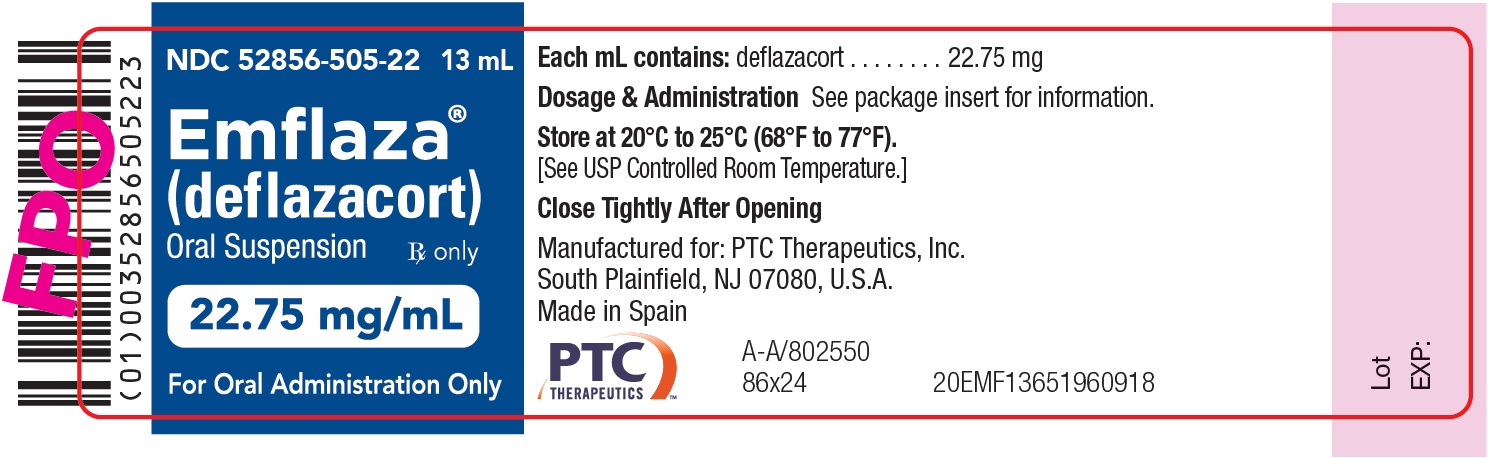
18PRINCIPAL DISPLAY PANEL - NDC: 52856-505-22 - 22.75 mg/mL Oral Suspension 13 mL Bottle Label
NDC 52856-505-22
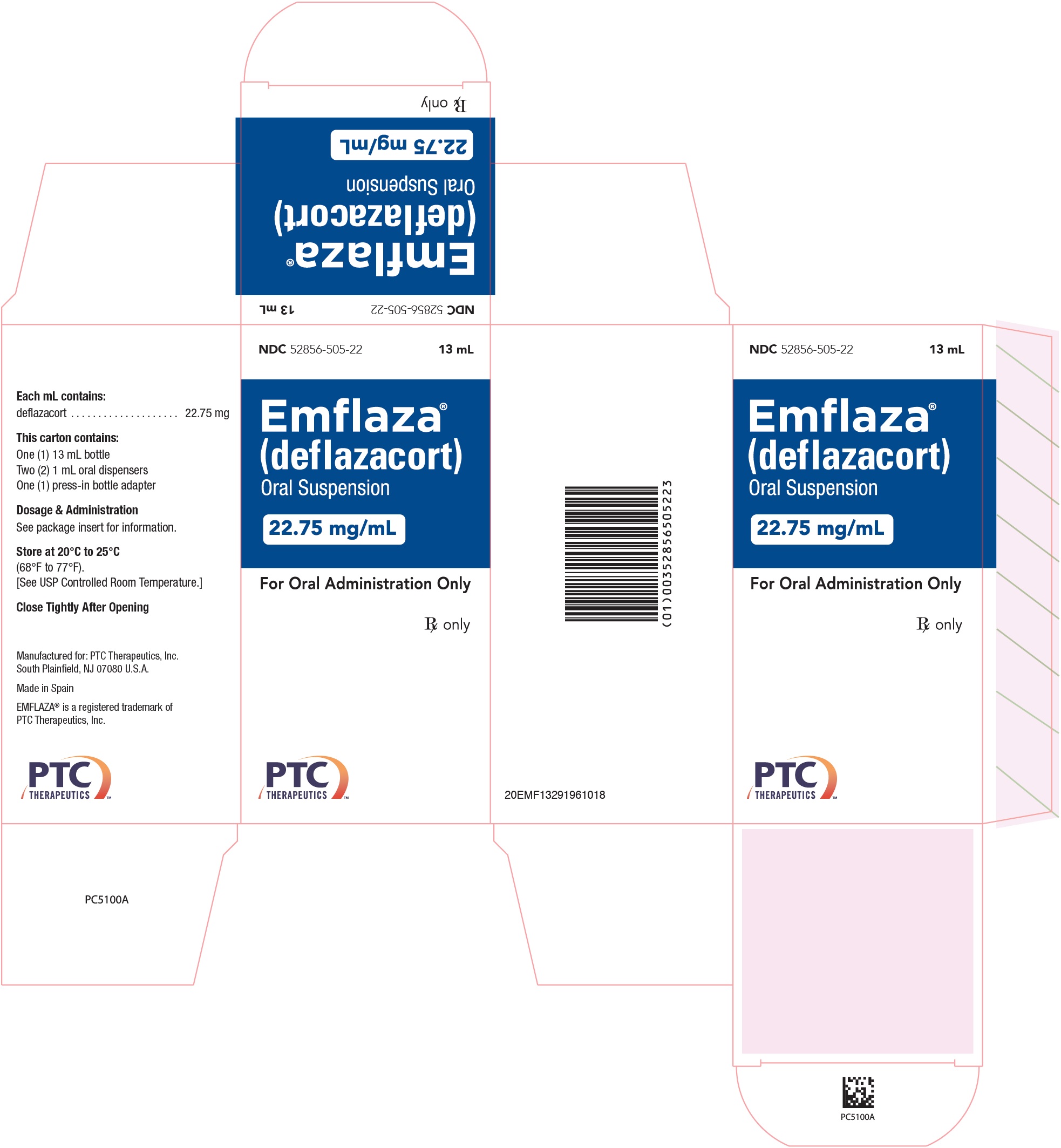
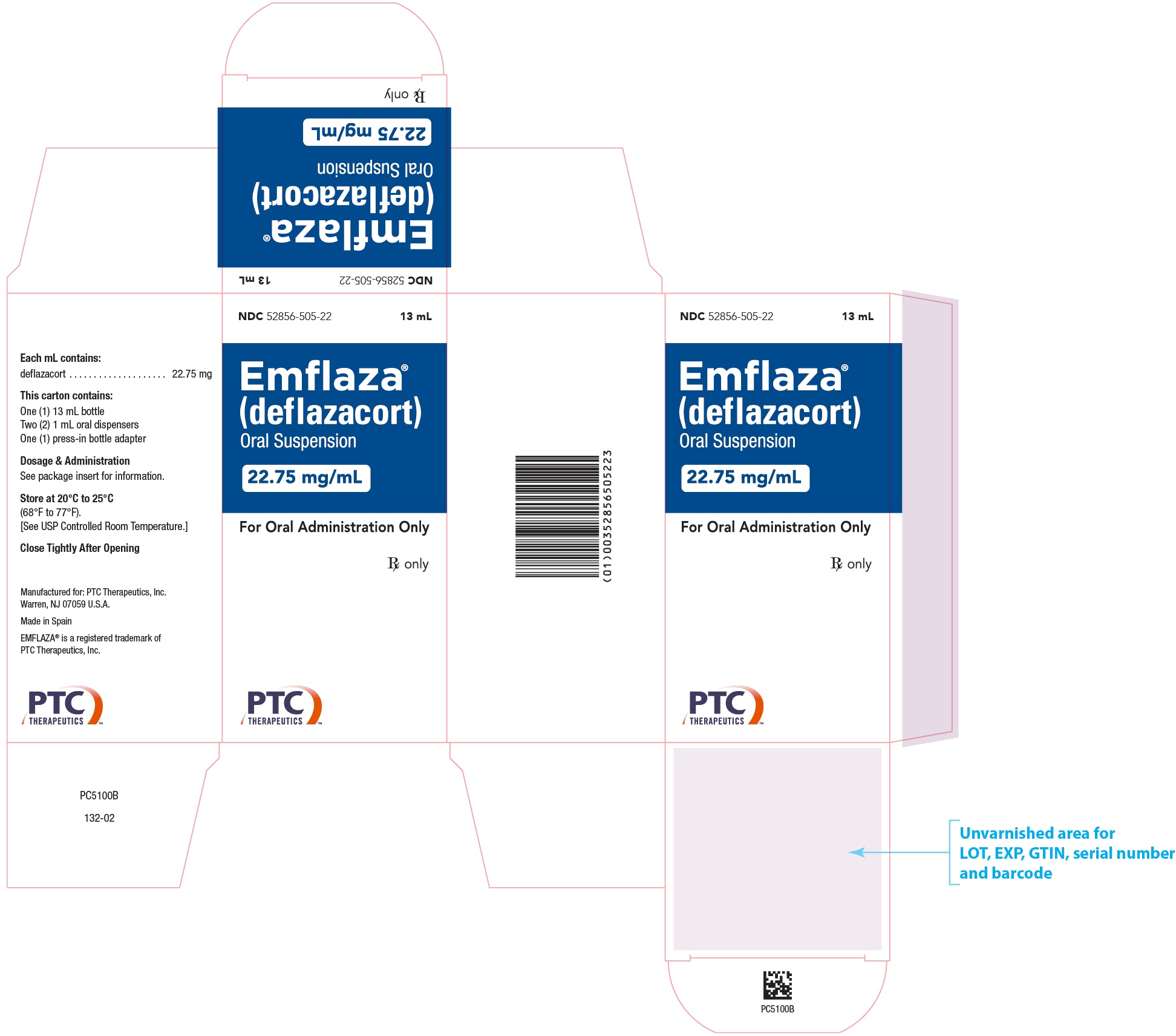
19PRINCIPAL DISPLAY PANEL - NDC: 52856-505-22 - 22.75 mg/mL Oral Suspension 13 mL Carton Label
NDC 52856-505-22