Generic Name

Bendamustine

Brand Names
Belrapzo, Bendeka, Treanda, Vivimusta
FDA approval date: March 31, 2008
Classification: Alkylating Drug
Form: Injection

What is Belrapzo (Bendamustine)?

BELRAPZO is an alkylating drug indicated for treatment of patients with: Chronic lymphocytic leukemia . Efficacy relative to first line therapies other than chlorambucil has not been established.
Save this treatment for later
Sign Up
Not sure about your diagnosis?
Check Your Symptoms

Related Clinical Trials

An Open-label Phase I/II Trial of Venetoclax-Dexamethasone in Relapsed and/or Refractory t(11;14) Systemic Light-Chain Amyloidosis

Summary: The purpose of this study is assess safety, safest dose, and effectiveness of venetoclax in combination with dexamethasone in participants with t(11;14) positive relapsed (comes back) or refractory (did not get better) light chain amyloidosis.

Phase I Study of Autologous CD8+ and CD4+ Transgenic T Cells Expressing High Affinity KRASG12V Mutation-Specific T Cell Receptors in Participants With Metastatic Solid Tumors With KRAS G12V Mutations

Summary: This phase I trial studies the side effects and best dose of autologous CD8+ and CD4+ transgenic T cells expressing high affinity KRASG12V mutation-specific T cell receptors (FH-A11KRASG12V-TCR) and to see how well they work in treating patients with solid tumor cancers that has spread from where it first started (primary site) to other places in the body (metastatic). T cells are infection fighti...

Phase III, Multicenter, Open Label, Randomized, Controlled Study Investigating Mosunetuzumab-Lenalidomide Versus Investigator Choices in Patients With Relapsed or Refractory Marginal Zone Lymphoma

Summary: This is an open label, multi-center, international, randomized phase III trial to compare the efficacy of Mosunetuzumab-Lenalidomide with investigator choices exclusively in R/R MZL patients. Patients with a proven diagnosis of EMZL, SMZL or NMZL subtypes and previously treated with at least one prior systemic treatment and not more than three prior lines are eligible. Previous treatment line must...

Related Latest Advances

Brand Information

    BELRAPZO (bendamustine hydrochloride)
    1DOSAGE FORMS AND STRENGTHS
    Injection: 100 mg/4 mL (25 mg/mL) as a clear and colorless to yellow ready-to dilute solution in a multiple-dose vial.
    2CONTRAINDICATIONS
    BELRAPZO is contraindicated in patients with a known hypersensitivity (e.g., anaphylactic and anaphylactoid reactions) to bendamustine, polyethylene glycol 400, propylene glycol, or monothioglycerol.
    3ADVERSE REACTIONS
    The following clinically significant serious adverse reactions are discussed in greater detail in other sections of the prescribing information.
    • Myelosuppression
    • Infections
    • Progressive Multifocal Leukoencephalopathy
    • Anaphylaxis and Infusion Reactions
    • Tumor Lysis Syndrome
    • Skin Reactions
    • Hepatotoxicity
    • Other Malignancies
    • Extravasation Injury
    3.1Clinical Trials Experience
    Because clinical trials are conducted under widely varying conditions, adverse reaction rates observed in the clinical trials of a drug cannot be directly compared to rates in the clinical trials of another drug and may not reflect the rates observed in practice.
    Clinical Trials Experience in CLL
    The data described below reflect exposure to bendamustine hydrochloride in 153 patients. Bendamustine hydrochloride was studied in an active-controlled, randomized trial. The population was 45-77 years of age, 63% male, 100% white, and had treatment naïve CLL. All patients started the study at a dose of 100 mg/m
    Adverse reactions were reported according to NCI CTC v.2.0. In the randomized CLL clinical study, non-hematologic adverse reactions (any grade) in the bendamustine hydrochloride group that occurred with a frequency greater than 15% were pyrexia (24%), nausea (20%), and vomiting (16%).
    Other adverse reactions seen frequently in one or more studies included asthenia, fatigue, malaise, and weakness; dry mouth; somnolence; cough; constipation; headache; mucosal inflammation and stomatitis.
    Worsening hypertension was reported in 4 patients treated with bendamustine hydrochloride in the randomized CLL clinical study and in none treated with chlorambucil. Three of these 4 adverse reactions were described as a hypertensive crisis and were managed with oral medications and resolved.
    The most frequent adverse reactions leading to study withdrawal for patients receiving bendamustine hydrochloride were hypersensitivity (2%) and pyrexia (1%).
    Table 1 contains the treatment emergent adverse reactions, regardless of attribution, that were reported in ≥ 5% of patients in either treatment group in the randomized CLL clinical study.
    The Grade 3 and 4 hematology laboratory test values by treatment group in the randomized CLL clinical study are described in
    In the randomized CLL trial, 34% of patients had bilirubin elevations, some without associated significant elevations in AST and ALT. Grade 3 or 4 increased bilirubin occurred in 3% of patients. Increases in AST and ALT of Grade 3 or 4 were limited to 1% and 3% of patients, respectively. Patients treated with bendamustine hydrochloride may also have changes in their creatinine levels. If abnormalities are detected, monitoring of these parameters should be continued to ensure that further deterioration does not occur.
    Clinical Trials Experience in NHL
    The data described below reflect exposure to bendamustine hydrochloride in 176 patients with indolent B-cell NHL treated in two single-arm studies. The population was 31-84 years of age, 60% male, and 40% female. The race distribution was 89% White, 7% Black, 3% Hispanic, 1% other, and <1% Asian. These patients received bendamustine hydrochloride at a dose of 120 mg/m
    The adverse reactions occurring in at least 5% of the NHL patients, regardless of severity, are shown in
    Hematologic toxicities, based on laboratory values and CTC grade, in NHL patients treated in both single arm studies combined are described in
    In both studies, serious adverse reactions, regardless of causality, were reported in 37% of patients receiving bendamustine hydrochloride. The most common serious adverse reactions occurring in ≥5% of patients were febrile neutropenia and pneumonia. Other important serious adverse reactions reported in clinical trials and/or post-marketing experience were acute renal failure, cardiac failure, hypersensitivity, skin reactions, pulmonary fibrosis, and myelodysplastic syndrome.
    Serious drug-related adverse reactions reported in clinical trials included myelosuppression, infection, pneumonia, tumor lysis syndrome and infusion reactions. Adverse reactions occurring less frequently but possibly related to bendamustine hydrochloride treatment were hemolysis, dysgeusia/taste disorder, atypical pneumonia, sepsis, herpes zoster, erythema, dermatitis, and skin necrosis.
    3.2Postmarketing Experience
    The following adverse reactions have been identified during post-approval use of bendamustine hydrochloride. Because these reactions are reported voluntarily from a population of uncertain size, it is not always possible to reliably estimate their frequency or establish a causal relationship to drug exposure.
    Blood and lymphatic systems disorders: Pancytopenia
    Cardiovascular disorders: Atrial fibrillation, congestive heart failure (some fatal), myocardial infarction (some fatal), palpitation
    General disorders and administration site conditions: Injection site reactions (including phlebitis, pruritus, irritation, pain, swelling), infusion site reactions (including phlebitis, pruritus, irritation, pain, swelling)
    Immune system disorders: Anaphylaxis
    Infections and infestations: Pneumocystis jirovecii pneumonia, progressive multifocal leukoencephalopathy (PML)
    Renal and urinary disorders: Nephrogenic diabetes insipidus (NDI)
    Respiratory, thoracic and mediastinal disorders: Pneumonitis
    Skin and subcutaneous tissue disorders: Drug reaction with eosinophilia and systemic symptoms (DRESS), non-melanoma skin cancer (NMSC), Stevens-Johnson syndrome (SJS), toxic epidermal necrolysis (TEN).
    4OVERDOSAGE
    The intravenous LD50 of bendamustine hydrochloride is 240 mg/m
    Across all clinical experience, the reported maximum single dose received was 280 mg/m
    No specific antidote for bendamustine hydrochloride overdose is known. Management of overdosage should include general supportive measures, including monitoring of hematologic parameters and ECGs.
    5DESCRIPTION
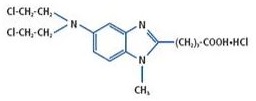
    BELRAPZO (bendamustine hydrochloride) is an alkylating agent. The chemical name of bendamustine hydrochloride is 1H-benzimidazole-2-butanoic acid, 5-[bis(2-chloroethyl)amino]-1-methyl-, monohydrochloride. Its empirical molecular formula is C
    chemical structure
    BELRAPZO (bendamustine hydrochloride) injection for intravenous use is supplied as a sterile, clear, and colorless to yellow ready-to-dilute solution in a multiple-dose clear glass vial. Each milliliter contains 25 mg of bendamustine hydrochloride, USP, 0.1 mL of propylene glycol, USP, 5 mg of monothioglycerol, NF (used as an antioxidant) and q.s. to 1 mL polyethylene glycol 400, NF (sodium hydroxide, NF and water for injection, USP are used to prepare a 1N NaOH solution that may be used for pH modification of PEG 400).
    6REFERENCES
    1. OSHA Hazardous Drugs. OSHA. [http://www.osha.gov/SLTC/hazardousdrugs/index.html]
    7HOW SUPPLIED/STORAGE AND HANDLING
    Safe Handling and Disposal
    BELRAPZO (bendamustine hydrochloride) is a hazardous drug. Follow applicable special handling and disposal procedures1. Care should be exercised in the handling and preparation of solutions prepared from BELRAPZO. The use of gloves and safety glasses is recommended to avoid exposure in case of breakage of the vial or other accidental spillage. If gloves come in contact with BELRAPZO prior to dilution, remove gloves and follow disposal procedures1. If a solution of BELRAPZO (bendamustine hydrochloride) contacts the skin, wash the skin immediately and thoroughly with soap and water. If BELRAPZO (bendamustine hydrochloride) contacts the mucous membranes, flush thoroughly with water.
    How Supplied
    BELRAPZO (bendamustine hydrochloride) is supplied in individual cartons of 5 mL clear multiple-dose vials containing 100 mg of bendamustine hydrochloride as a clear, and colorless to yellow ready-to-dilute solution.
    NDC 42367-521-25, 100 mg/4 mL (25 mg/mL).
    Storage
    Store BELRAPZO (bendamustine hydrochloride) in refrigerator, 2°C to 8°C (36°C to 46°F). Retain in original carton until time of use to protect from light.
    8PATIENT COUNSELING INFORMATION
    Myelosuppression
    Inform patients of the likelihood that BELRAPZO will cause a decrease in white blood cells, platelets, and red blood cells and the need for frequent monitoring of blood counts. Advise patients to report shortness of breath, significant fatigue, bleeding, fever, or other signs of infection. [see
    Progressive Multifocal Leukoencephalopathy (PML)
    Inform patients to immediately contact their healthcare provider if they experience confusion, memory loss, trouble thinking, difficulty talking or walking, vision loss or other neurological or cognitive symptoms [see .
    Anaphylaxis and Infusion Reactions
    Inform patients of the possibility of serious or mild allergic reactions and to immediately report rash, facial swelling, or difficulty breathing during or soon after infusion. [see .
    Skin Reactions
    Advise patients that a rash or itching may occur during treatment with BELRAPZO. Advise patients to immediately report severe or worsening rash or itching. [see .
    Hepatotoxicity
    Inform patients of the possibility of developing liver function abnormalities and serious hepatic toxicity. Advise patients to immediately contact their health care provider if signs of liver failure occur, including jaundice, anorexia, bleeding or bruising. [see .
    Fatigue
    Advise patients that BELRAPZO may cause tiredness and to avoid driving any vehicle or operating any dangerous tools or machinery if they experience this side effect. [see
    Nausea and Vomiting
    Advise patients that BELRAPZO may cause nausea and/or vomiting. Patients should report nausea and vomiting so that symptomatic treatment may be provided. [see
    Diarrhea
    Advise patients that BELRAPZO may cause diarrhea. Patients should report diarrhea to the physician so that symptomatic treatment may be provided. [see
    Non-melanoma Skin Cancer (NMSC)
    Advise patients to undergo regular skin cancer screenings, and to report any suspicious skin changes to their healthcare provider [see
    Embryo-Fetal Toxicity
    Advise pregnant women and females of reproductive potential of the potential risk to a fetus. Advise females to inform their healthcare provider of a known or suspected pregnancy [see . Advise female patients of reproductive potential to use effective contraception during treatment with BELRAPZO and for 6 months after the last dose [see . Advise males with female partners of reproductive potential to use effective contraception during treatment with BELRAPZO and for 3 months after the last dose [see .
    Lactation
    Advise females not to breastfeed during treatment with BELRAPZO and for 1 week after the last dose [see .
    Infertility
    Advise males of reproductive potential that BELRAPZO may impair fertility [see .
    Marketed by
    All rights reserved.
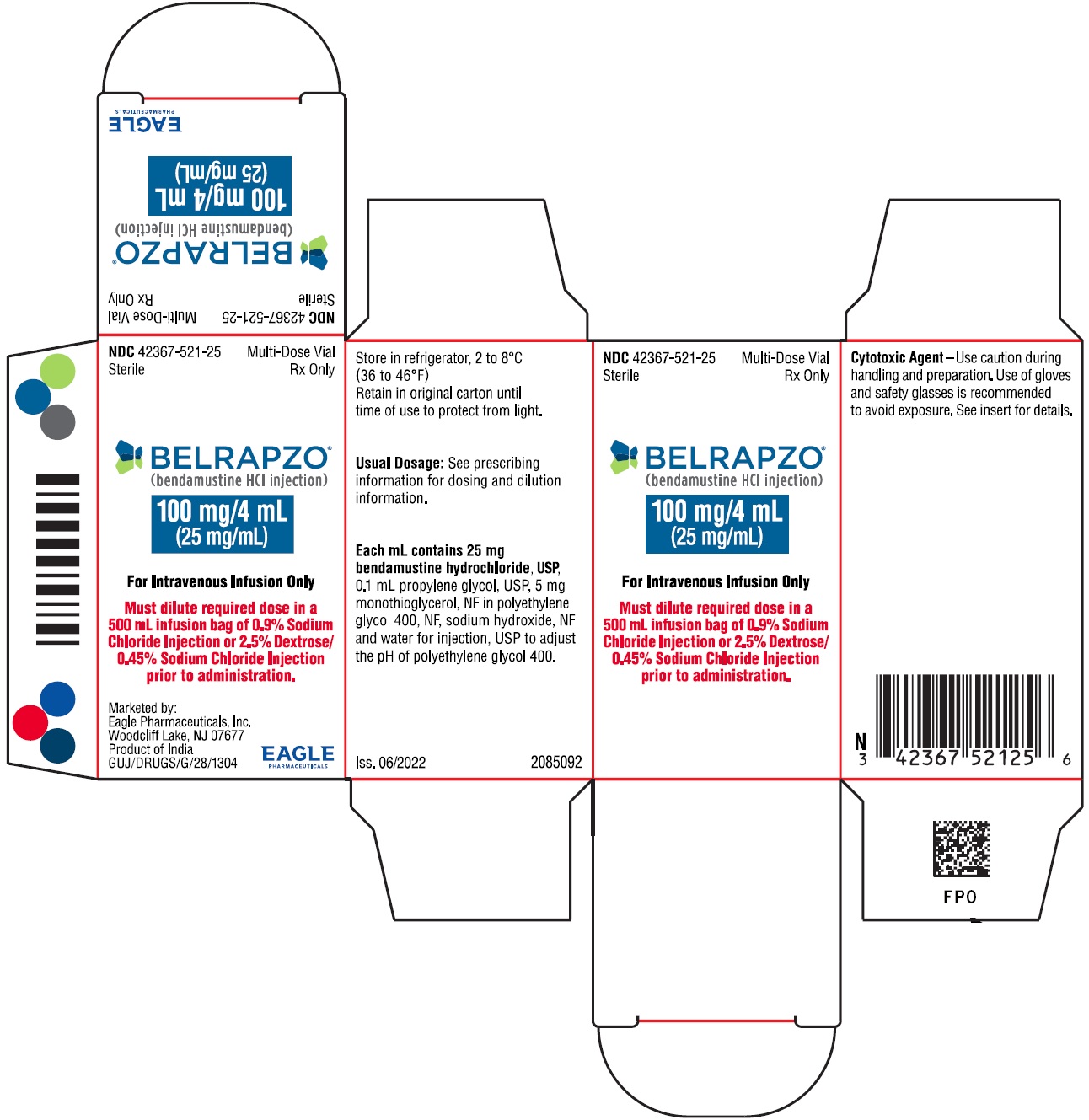
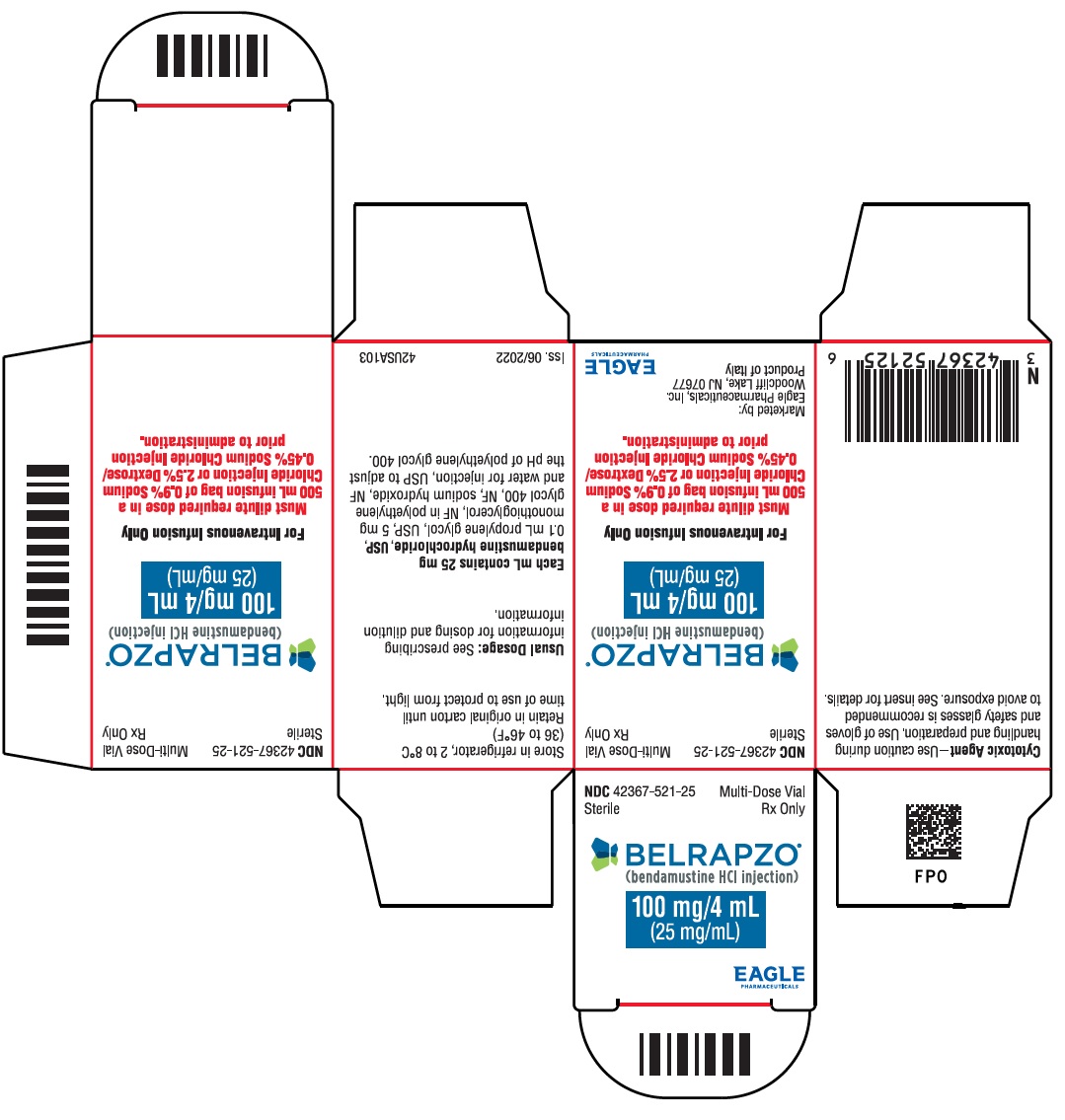
    9PRINCIPAL DISPLAY PANEL - NDC: 42367-521-25 - BSP Carton Label
    Carton Label
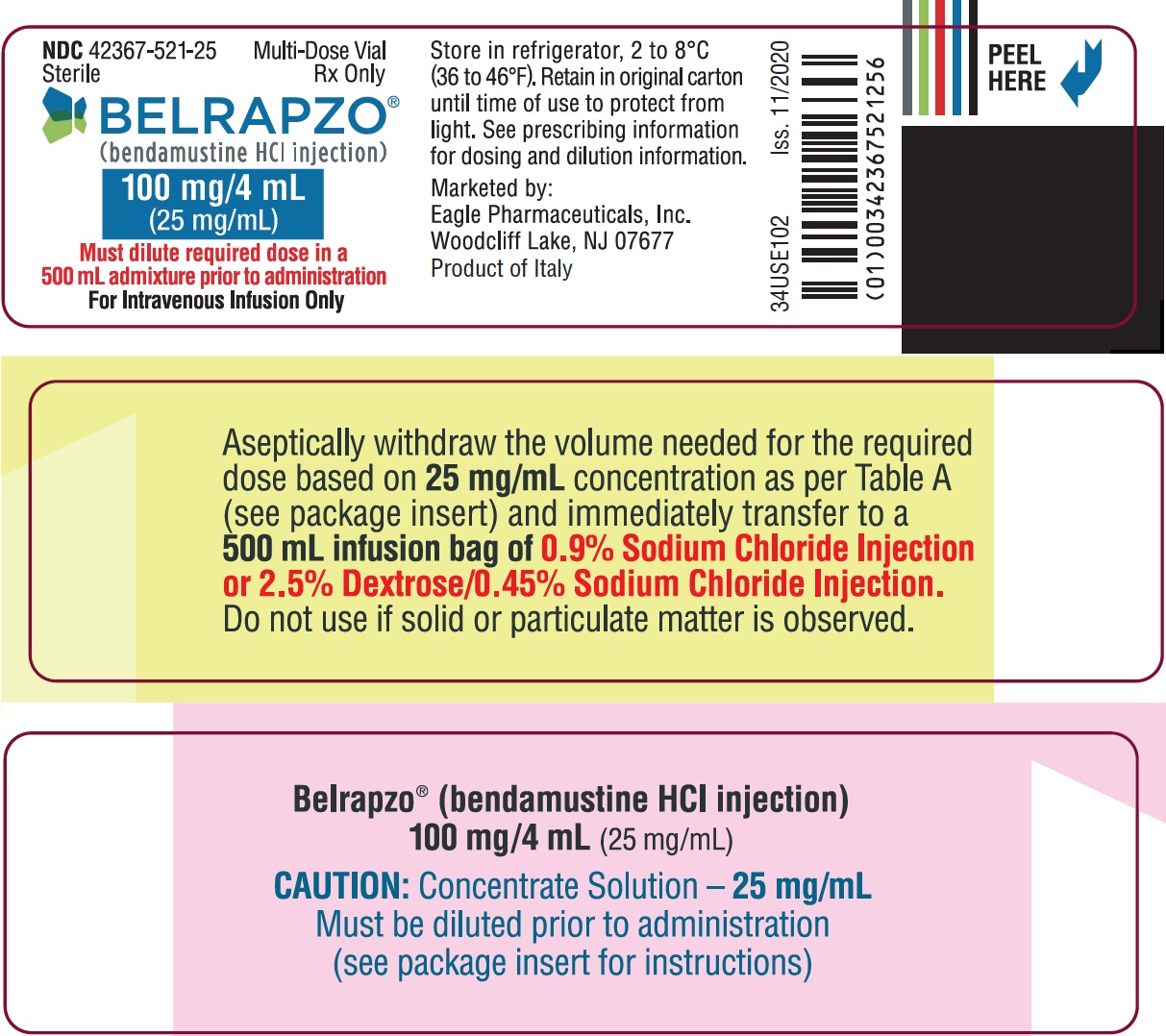
    10PRINCIPAL DISPLAY PANEL - NDC: 42367-521-25 - BSP Vial Label
    Vial Label (Front)
    11PRINCIPAL DISPLAY PANEL - NDC: 42367-521-25 - Zydus Carton Label
    Vial Label (Inside of Front Label)
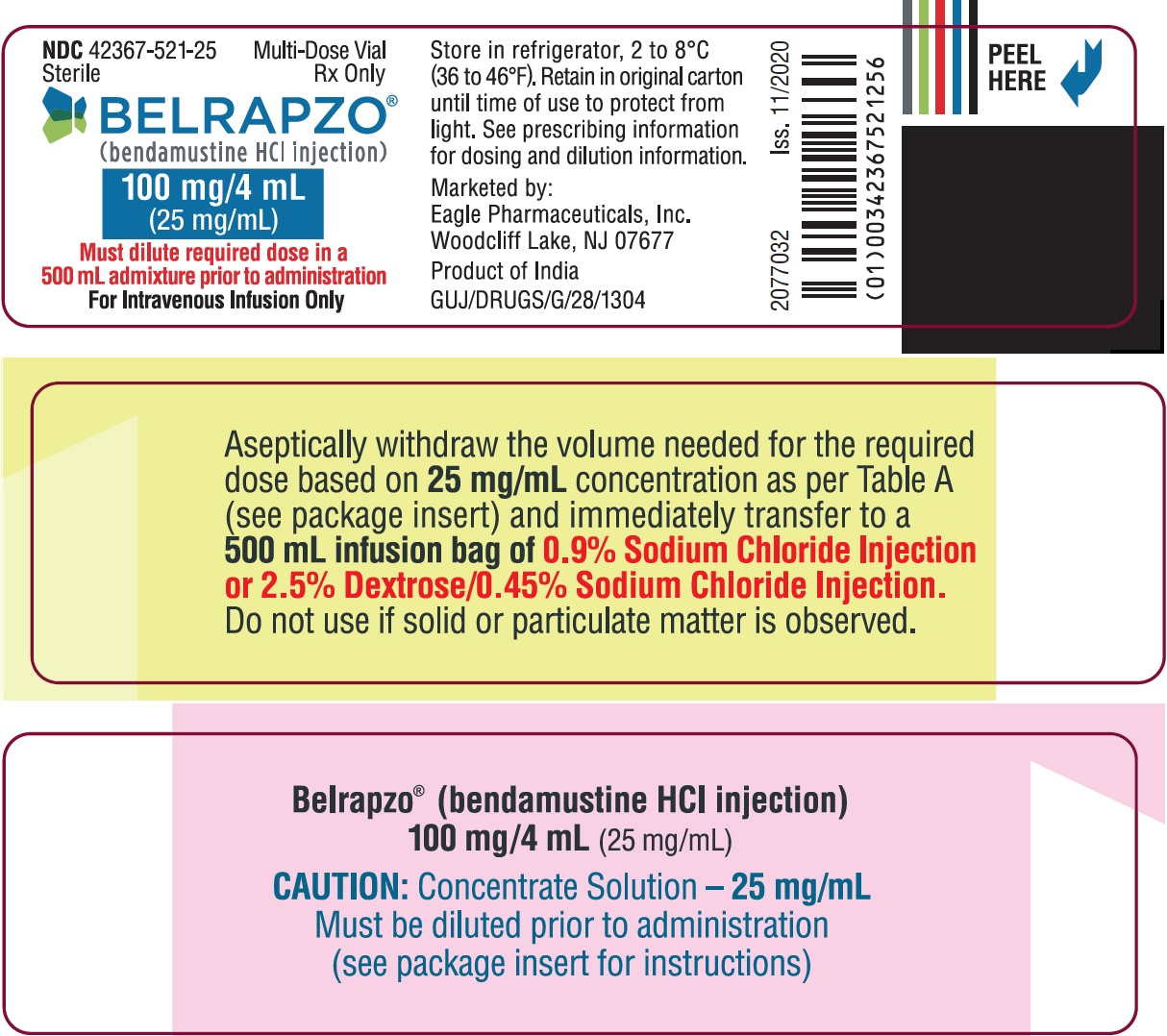
    12PRINCIPAL DISPLAY PANEL - NDC: 42367-521-25 - Cadila Vial Label
    Carton Label