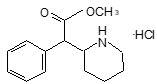
methYLphenidate
What is Concerta (methYLphenidate)?
Approved To Treat
Top Global Experts


Related Clinical Trials
Summary: This study seeks to provide insight on psilocybin's effects on mechanisms of chronic pain among patients with co-morbid chronic low back pain and depression (CLBP+D). Participants will receive either a single high-dose of psilocybin (25mg absolute dose) or methylphenidate (40mg absolute dose). Participants will be asked to complete assessments of pain, depressive symptoms, and more general questio...
Summary: Attention Deficit Hyperactivity Disorder (ADHD) in adults is a common psychiatric disorder, with important consequences in terms of quality of life, mental health (associated disorders and poorer response to treatment), family life, risk of accidents; with a consequent cost for society. Adult ADHD is frequently associated with psychiatric co-morbidities, and notably associated with mood disorders ...
Summary: Posttraumatic stress disorder (PTSD) is frequently accompanied by difficulty concentrating, poor memory, and inability to keep up with tasks, which negatively impacts a person's ability to function at work and in relationships. Currently available treatments do not fully relieve all symptoms. A published research report showed positive evidence that the stimulant medication methylphenidate was ben...
Related Latest Advances
Brand Information
- 18 mg: yellow, imprinted with "alza 18"
- 27 mg: gray, imprinted with "alza 27"
- 36 mg: white, imprinted with "alza 36"
- 54 mg: brownish-red, imprinted with "alza 54"
- Known to be hypersensitive to methylphenidate or other components of CONCERTA. Hypersensitivity reactions, such as angioedema and anaphylactic reactions, have been reported in patients treated with CONCERTA.
- Receiving concomitant monoamine oxidase inhibitors (MAOIs), and within 14 days following discontinuation of treatment with a MAO inhibitor because of the risk of a hypertensive crisis
- Abuse, Misuse, and Addiction
- Hypersensitivity Reactions
- Monoamine Oxidase Inhibitors
- Risks to Patients with Serious Cardiac Disease
- Increased Blood Pressure and Heart Rate
- Psychiatric Adverse Reactions
- Priapism
- Peripheral Vasculopathy, including Raynaud's Phenomenon
- Long-Term Suppression of Growth in Pediatric Patients
- Risks of Gastrointestinal Obstruction in Patients with Gastrointestinal Narrowing
- Acute Angle Closure Glaucoma
- Increased Intraocular Pressure and Glaucoma
- Motor and Verbal Tics, and Worsening of Tourette's Syndrome
- Pediatric patients: upper abdominal pain
- Adults: decreased appetite, headache, dry mouth, nausea, insomnia, anxiety, dizziness, weight decreased, irritability, tachycardia, and hyperhidrosis
- Blood and Lymphatic System Disorders: Leukopenia
- Cardiac Disorders: Cardiac murmur, Hypertension, Heart rate increased
- Ear and Labyrinth Disorders: Vertigo
- Eye Disorders: Accommodation disorder, Dry eye, Vision blurred
- Gastrointestinal Disorders: Abdominal discomfort/pain, Constipation, Diarrhea, Vomiting
- General Disorders and Administration Site Conditions: Asthenia, Fatigue, Feeling jittery, Thirst
- Hepatobiliary Disorders: Hepatic enzymes increased
- Infections and Infestations: Sinusitis
- Metabolism and Nutrition Disorders: Anorexia
- Musculoskeletal and Connective Tissue Disorders: Muscle spasms, Muscle tightness
- Nervous System Disorders: Lethargy, Paresthesia, Psychomotor hyperactivity, Sedation, Somnolence, Tension headache
- Psychiatric Disorders: Affect lability, Aggression, Anger, Bruxism, Confusional state, Depression, Hypervigilance, decreased libido, Mood swings, Panic attack, Sleep disorder, Tearfulness, Tension, Tic
- Reproductive System and Breast Disorders: Erectile dysfunction
- Respiratory, Thoracic and Mediastinal Disorders: Cough, Dyspnea, Oropharyngeal pain
- Skin and Subcutaneous Tissue Disorders: Rash
- Vascular Disorders: Hot flush
- In the 1-week treatment, controlled trials in pediatric patients 6 to 12 years of age with ADHD (Studies 1 and 2)
- In the randomized withdrawal portion of the double-blind, placebo-controlled trial with pediatric patients 13 to 17 years of age with ADHD (Study 4)
- In the 7-week dose-titration, placebo-controlled study in adults 18 to 65 years of age with ADHD (Study 5)
- In the 5-week fixed-dose, placebo-controlled trial in adults 18 to 65 years of age with ADHD (Study 5) [
- Blood and Lymphatic System Disorders: Pancytopenia, Thrombocytopenia, Thrombocytopenic purpura
- Cardiac Disorders: Angina pectoris, Bradycardia, Supraventricular tachycardia, Ventricular extrasystoles
- Eye Disorders: Diplopia, Increased intraocular pressure, Mydriasis
- General Disorders and Administration Site Conditions: Chest pain, Drug effect decreased, Hyperpyrexia
- Hepatobiliary Disorders: Hepatocellular injury, Acute hepatic failure, Blood bilirubin increased
- Immune System Disorders: Hypersensitivity reactions such as Angioedema, Anaphylactic reactions, Auricular swelling, Exanthemas NEC
- Investigations: Blood alkaline phosphatase increased, Platelet count decreased,
- Musculoskeletal and Connective Tissue Disorders: Arthralgia, Myalgia, Muscle twitching, Rhabdomyolysis
- Nervous System Disorders: Convulsion, Grand mal convulsion, Stroke in pediatric patients, Dyskinesia, Serotonin syndrome in combination with serotonergic drugs, Motor and Verbal Tics
- Psychiatric Disorders: Disorientation, Hallucination, Mania, Logorrhea
- Reproductive System and Breast Disorders: Priapism
- Skin and Subcutaneous Tissue Disorders: Alopecia, Bullous conditions, Erythema, Exfoliative conditions, Pruritus, Urticarias
- Vascular Disorders: Raynaud's phenomenon
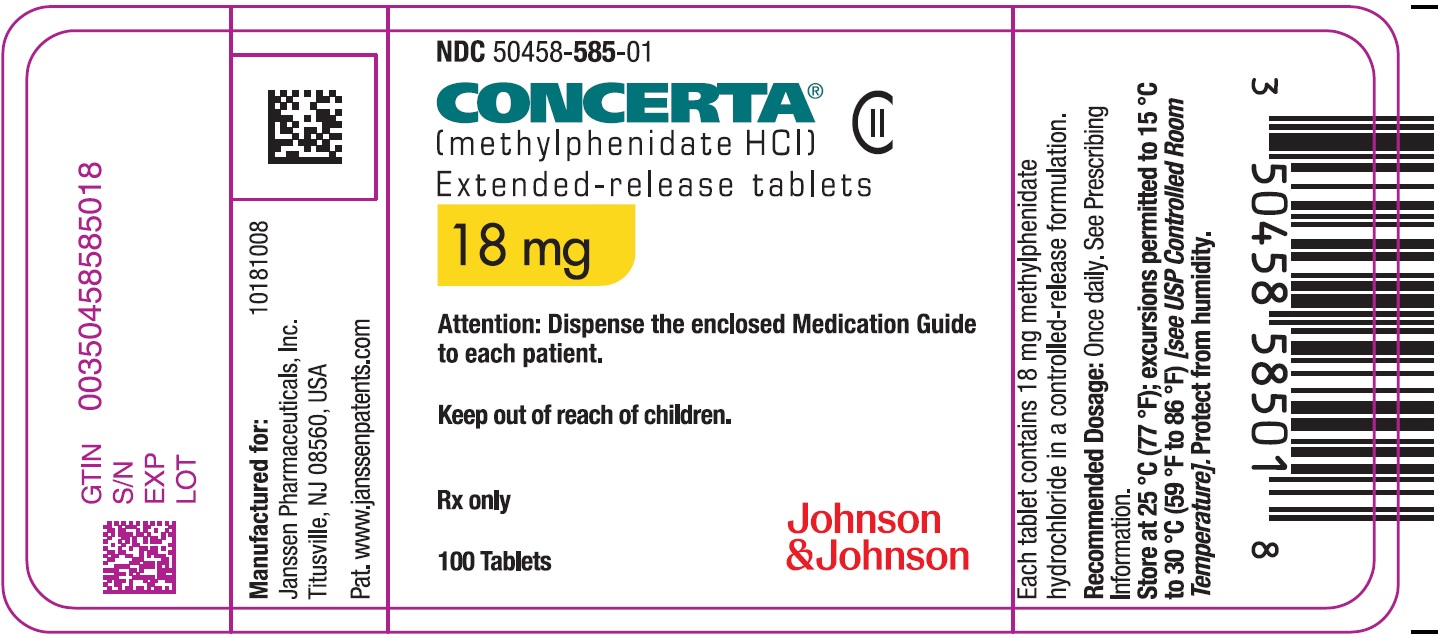
- 18 mg: yellow and imprinted with "alza 18", 100-count bottle (NDC 50458-585-01)
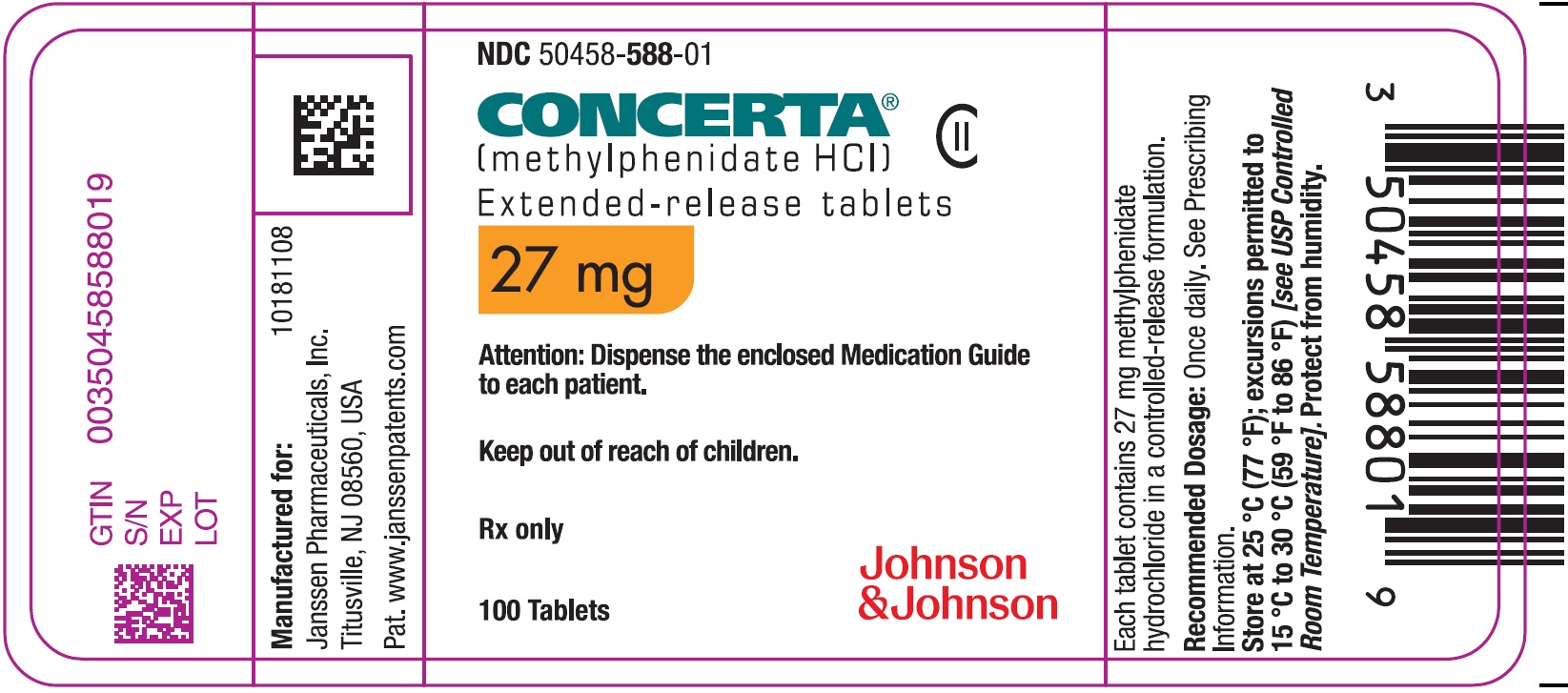
- 27 mg: gray and imprinted with "alza 27", 100-count bottle (NDC 50458-588-01)
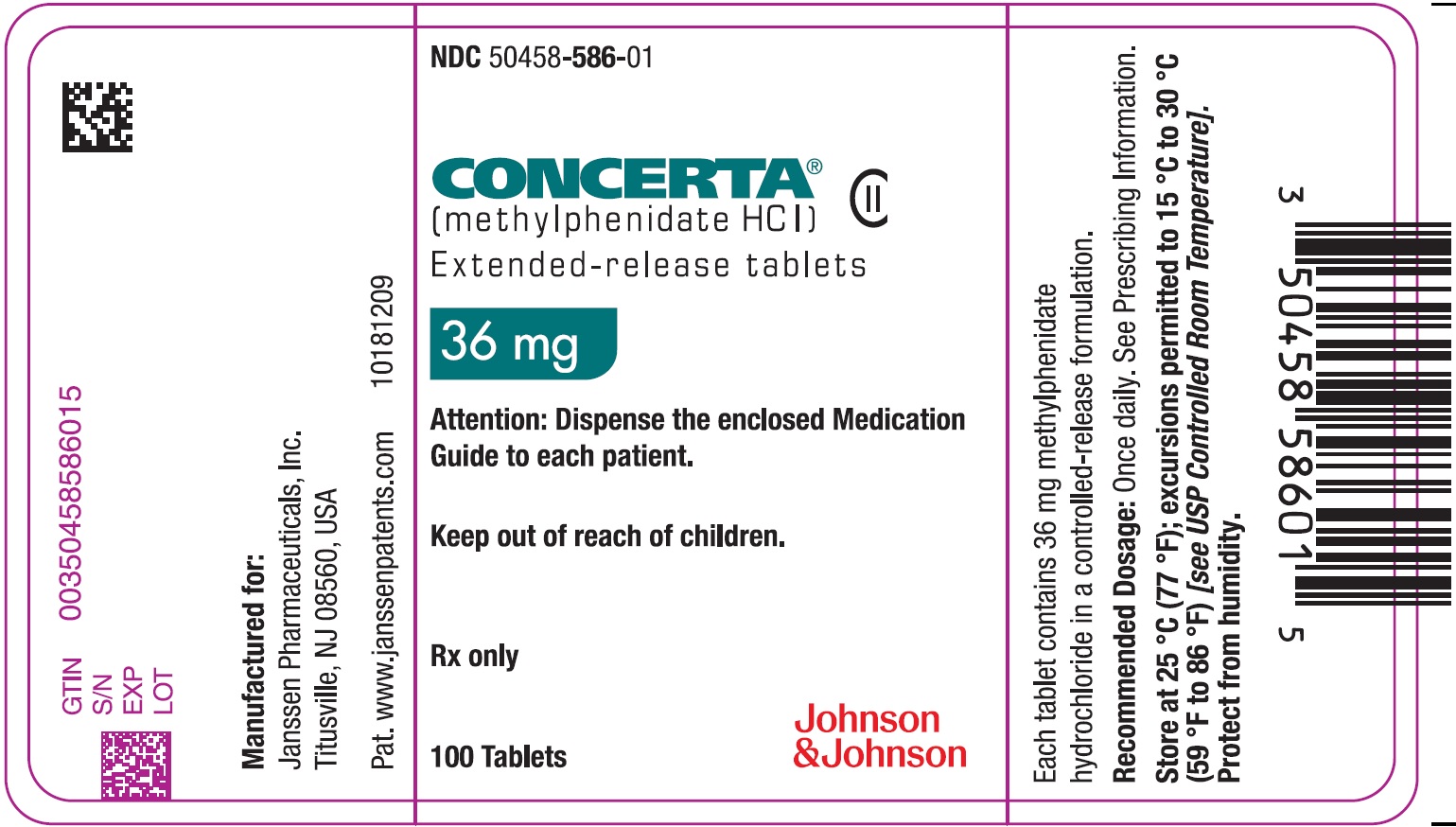
- 36 mg: white and imprinted with "alza 36", 100-count bottle (NDC 50458-586-01)
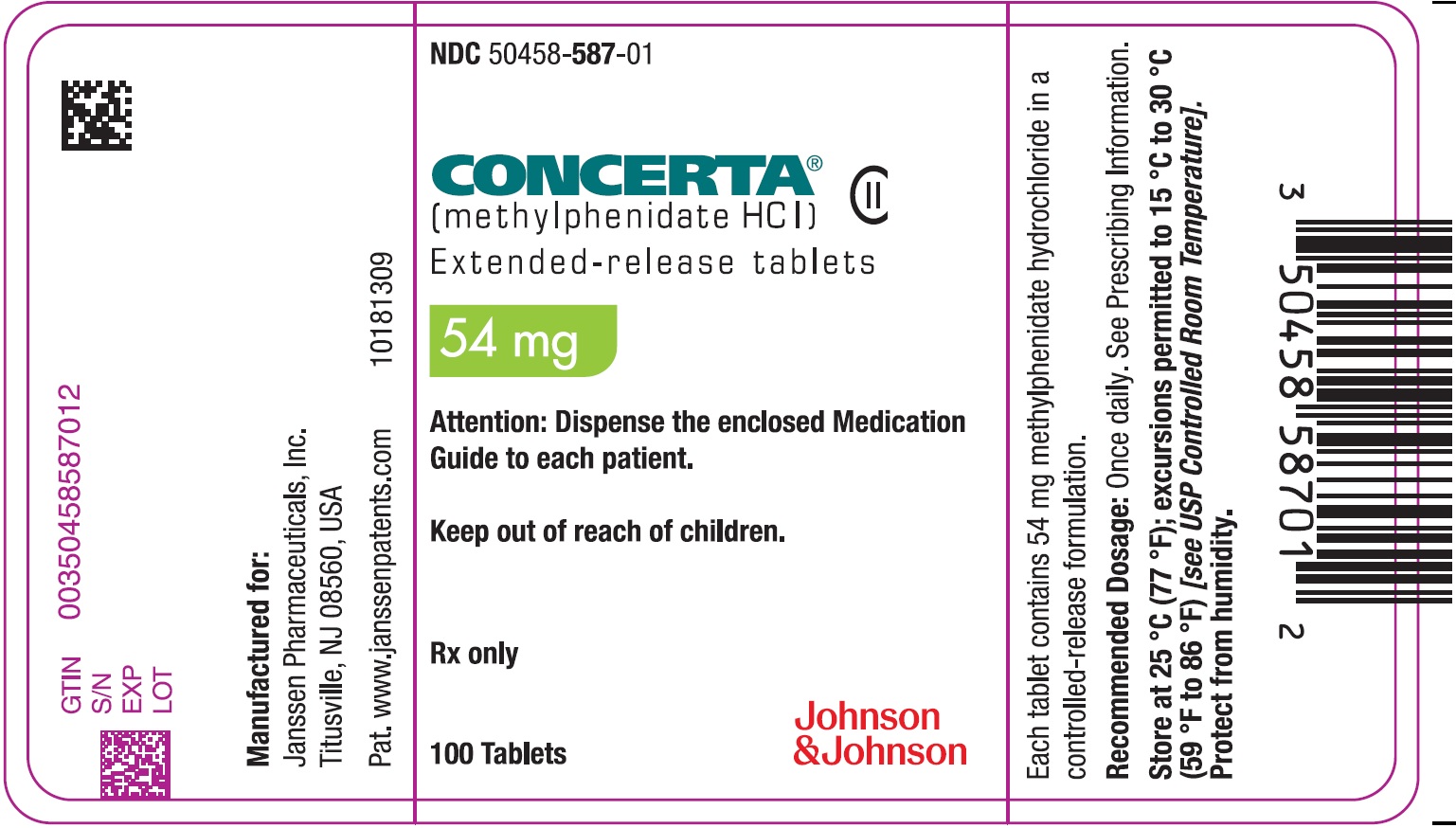
- 54 mg: brownish-red and imprinted with "alza 54", 100-count bottle (NDC 50458-587-01)
(methylphenidate HCl)
CII
(methylphenidate HCl)
CII
(methylphenidate HCl)
CII