Temodar
What is Temodar (Temozolomide)?
Approved To Treat


Related Clinical Trials
Summary: This study will evaluate BCB-276, an investigational B7-H3-targeted Chimeric Antigen Receptor (CAR) T cell therapy, in children and young adults with diffuse intrinsic pontine glioma (DIPG). DIPG is a rare and aggressive brain tumor with limited treatment options. CAR T cell therapy uses a patient's own immune cells that are changed in a laboratory to recognize and attack cancer cells. The purpose...
Summary: The purpose of this clinical trial is to evaluate efficacy and safety of tirabrutinib alone compared with rituximab and temozolomide (R-TMZ) combination therapy in participants with Relapsed/Refractory Primary Central Nervous System Lymphoma (PCNSL).
Summary: The primary purpose of the Phase 1 (Dose Escalation) of this study is to identify the dose-limiting toxicities (DLTs) of zedoresertib combined with temozolomide (TMZ) (Arm A) and with TMZ and radiotherapy (RT) (Arms B and C) and to characterize the safety and tolerability of these combinations in adult participants with glioblastoma (GBM). Arm B which was previously added to the protocol, has been...
Related Latest Advances
Brand Information
- Capsules:
- For injection: 100 mg white to light tan or light pink lyophilized powder for reconstitution in a single-dose vial.
- temozolomide or any other ingredients in TEMODAR; and
- dacarbazine, since both temozolomide and dacarbazine are metabolized to the same active metabolite 5-(3-methyltriazen-1-yl)-imidazole-4-carboxamide.
- Myelosuppression
- Hepatotoxicity
- Pneumocystis Pneumonia [see
- Secondary Malignancies
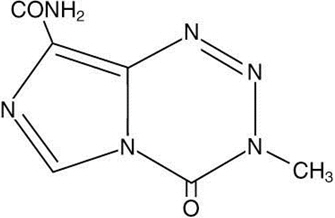
- TEMODAR 5 mg: lactose anhydrous (132.8 mg), colloidal silicon dioxide (0.2 mg), sodium starch glycolate (7.5 mg), tartaric acid (1.5 mg), and stearic acid (3 mg).
- TEMODAR 20 mg: lactose anhydrous (182.2 mg), colloidal silicon dioxide (0.2 mg), sodium starch glycolate (11 mg), tartaric acid (2.2 mg), and stearic acid (4.4 mg).
- TEMODAR 100 mg: lactose anhydrous (175.7 mg), colloidal silicon dioxide (0.3 mg), sodium starch glycolate (15 mg), tartaric acid (3 mg), and stearic acid (6 mg).
- TEMODAR 140 mg: lactose anhydrous (246 mg), colloidal silicon dioxide (0.4 mg), sodium starch glycolate (21 mg), tartaric acid (4.2 mg), and stearic acid (8.4 mg).
- TEMODAR 180 mg: lactose anhydrous (316.3 mg), colloidal silicon dioxide (0.5 mg), sodium starch glycolate (27 mg), tartaric acid (5.4 mg), and stearic acid (10.8 mg).
- TEMODAR 250 mg: lactose anhydrous (154.3 mg), colloidal silicon dioxide (0.7 mg), sodium starch glycolate (22.5 mg), tartaric acid (9 mg), and stearic acid (13.5 mg).
- TEMODAR 5 mg: The green cap contains gelatin, titanium dioxide, iron oxide yellow, sodium lauryl sulfate, and FD&C Blue #2.
- TEMODAR 20 mg: The yellow cap contains gelatin, sodium lauryl sulfate, and iron oxide yellow.
- TEMODAR 100 mg: The pink cap contains gelatin, titanium dioxide, sodium lauryl sulfate, and iron oxide red.
- TEMODAR 140 mg: The blue cap contains gelatin, sodium lauryl sulfate, and FD&C Blue #2.
- TEMODAR 180 mg: The orange cap contains gelatin, iron oxide red, iron oxide yellow, titanium dioxide, and sodium lauryl sulfate.
- TEMODAR 250 mg: The white cap contains gelatin, titanium dioxide, and sodium lauryl sulfate.
- “OSHA Hazardous Drugs.” OSHA.
[temozolomide]
Capsules
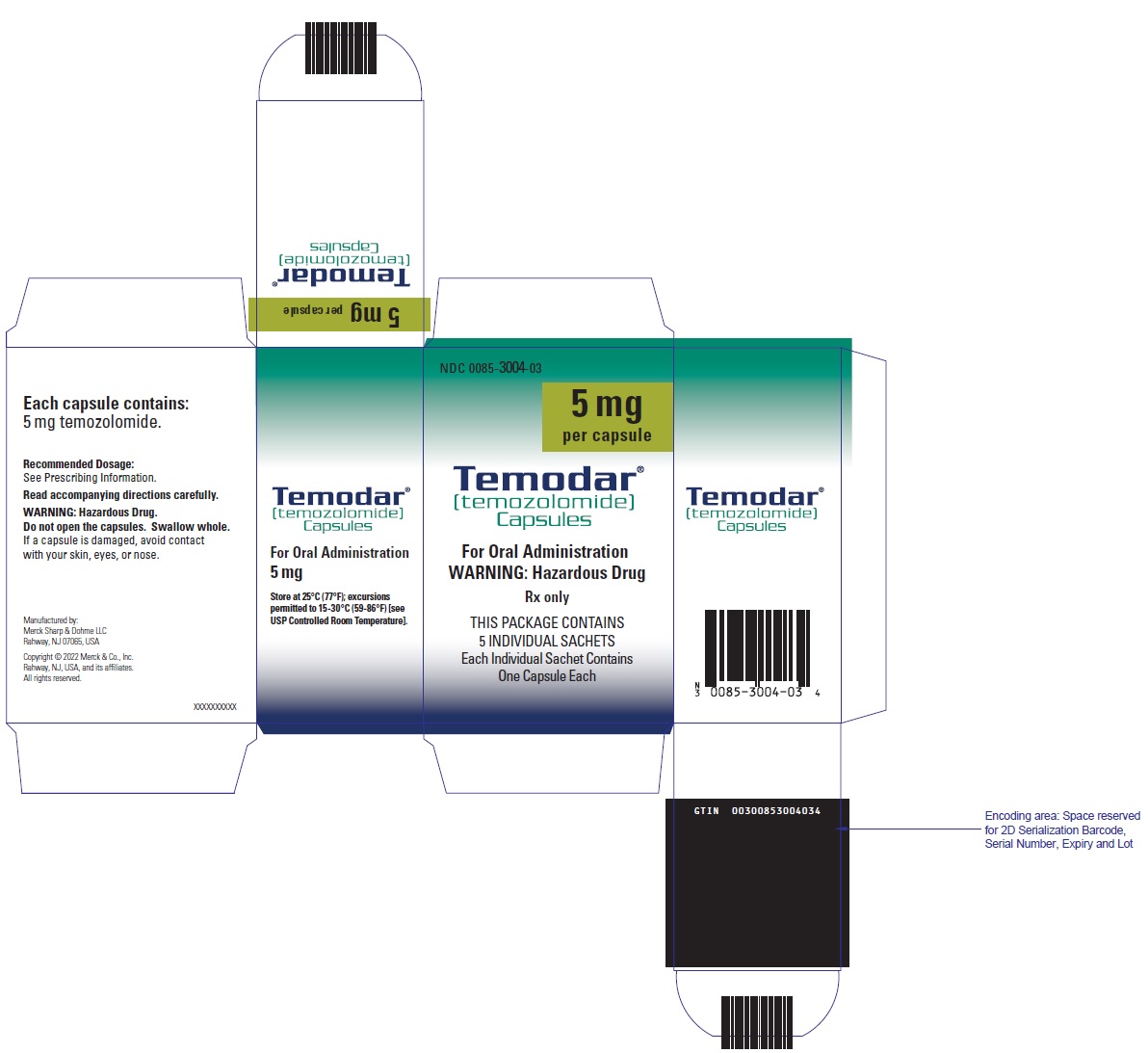
[temozolomide]
Capsules
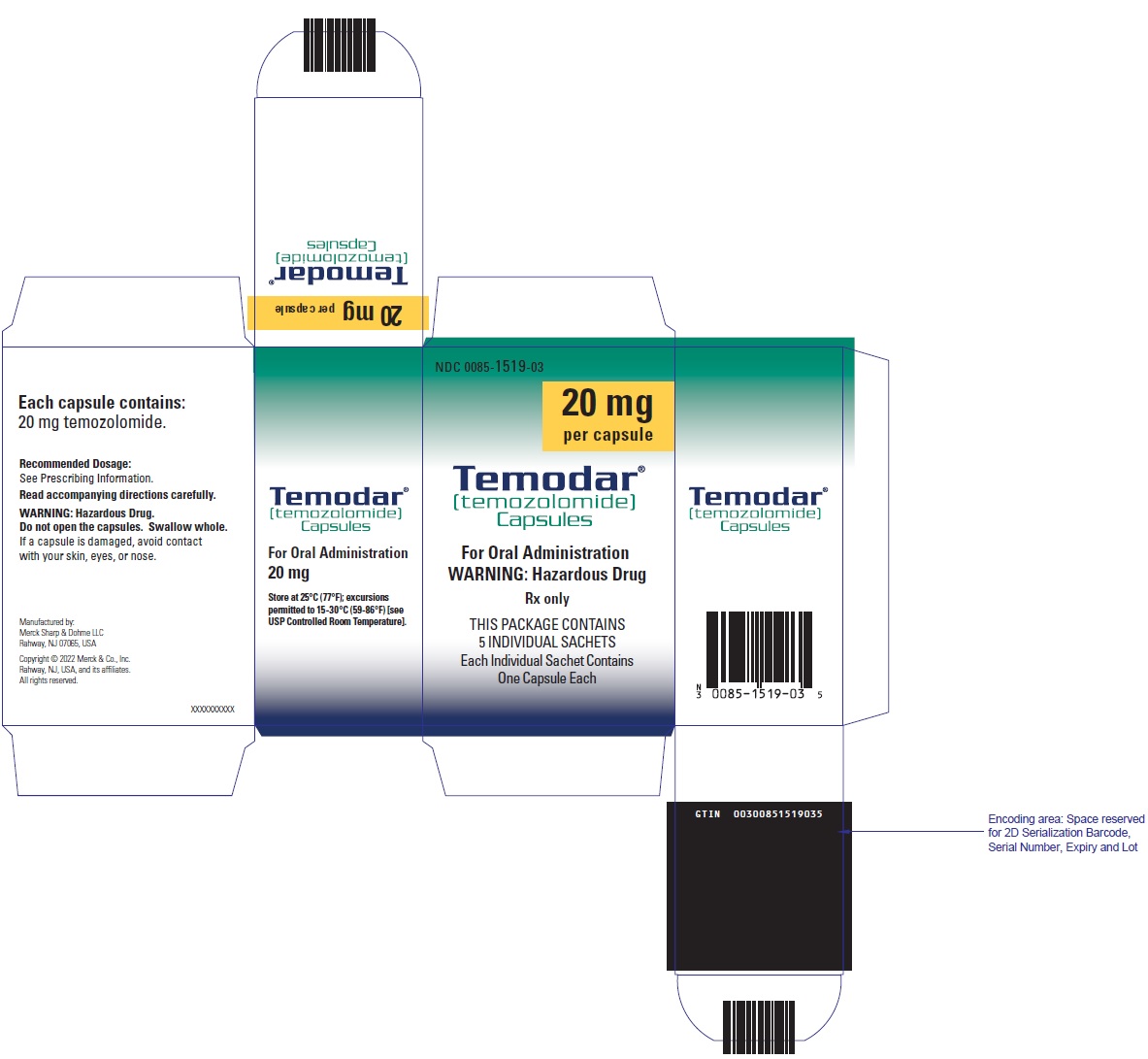
[temozolomide]
Capsules
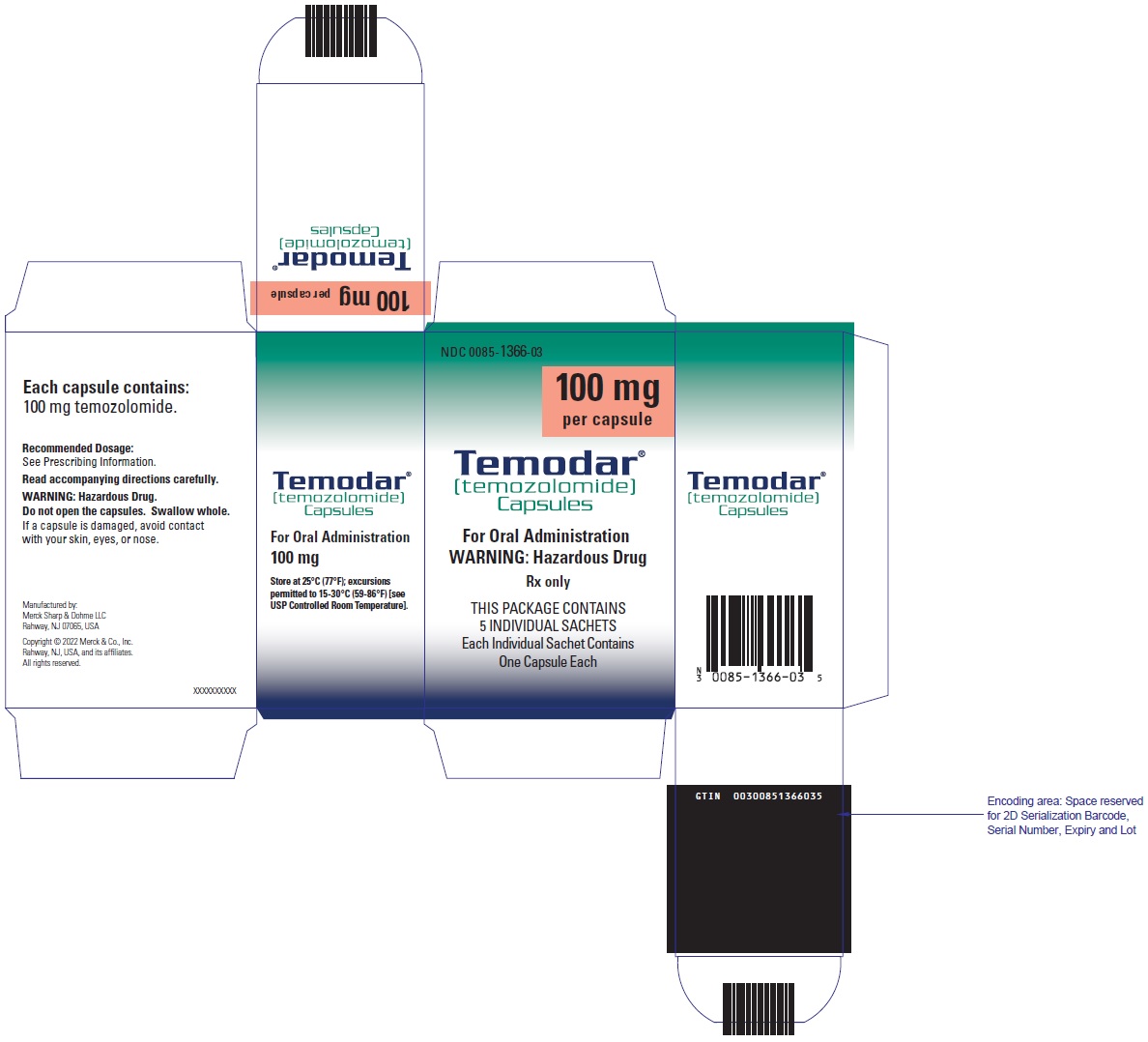
[temozolomide]
Capsules
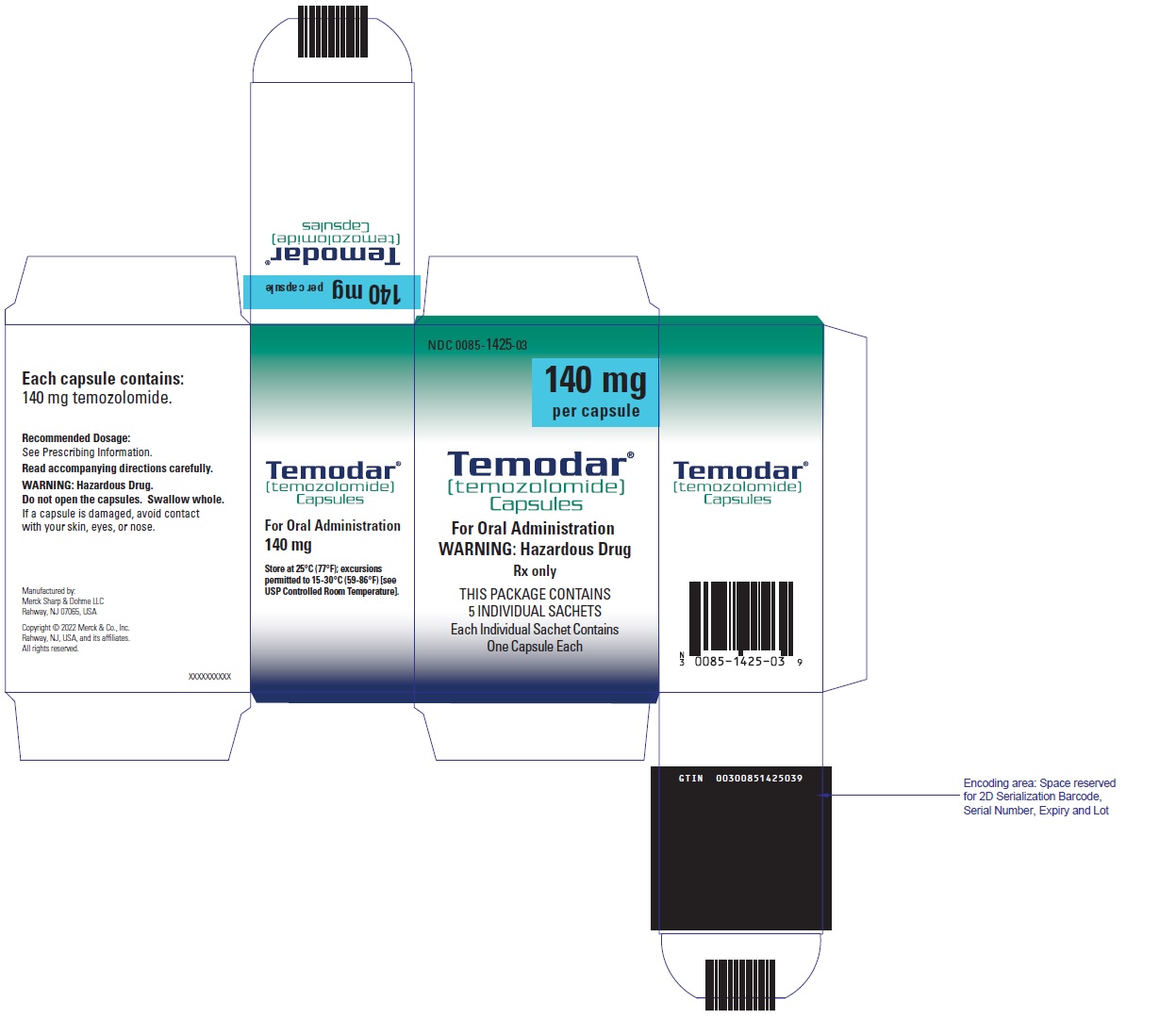
[temozolomide]
Capsules
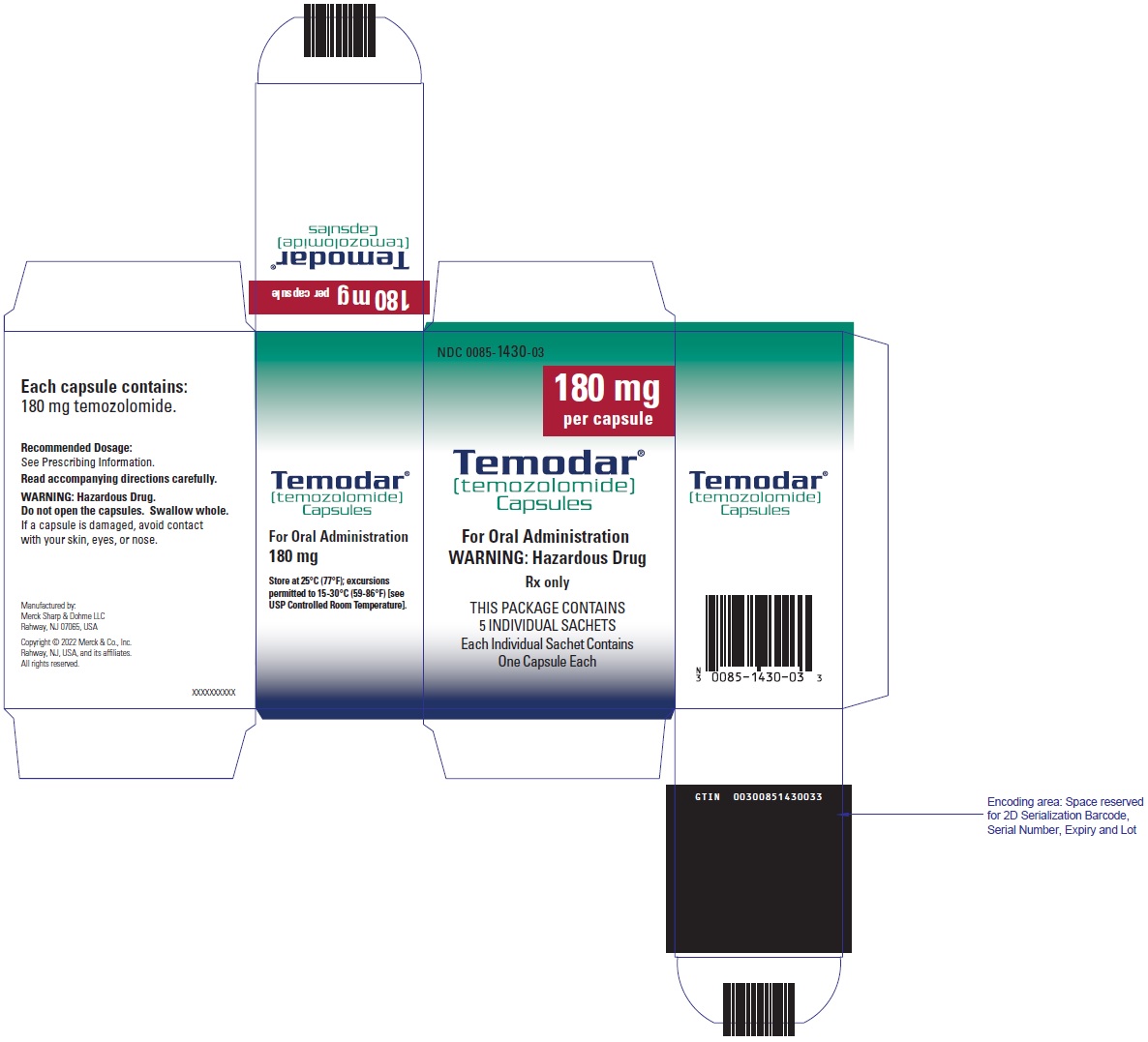
[temozolomide]
Capsules
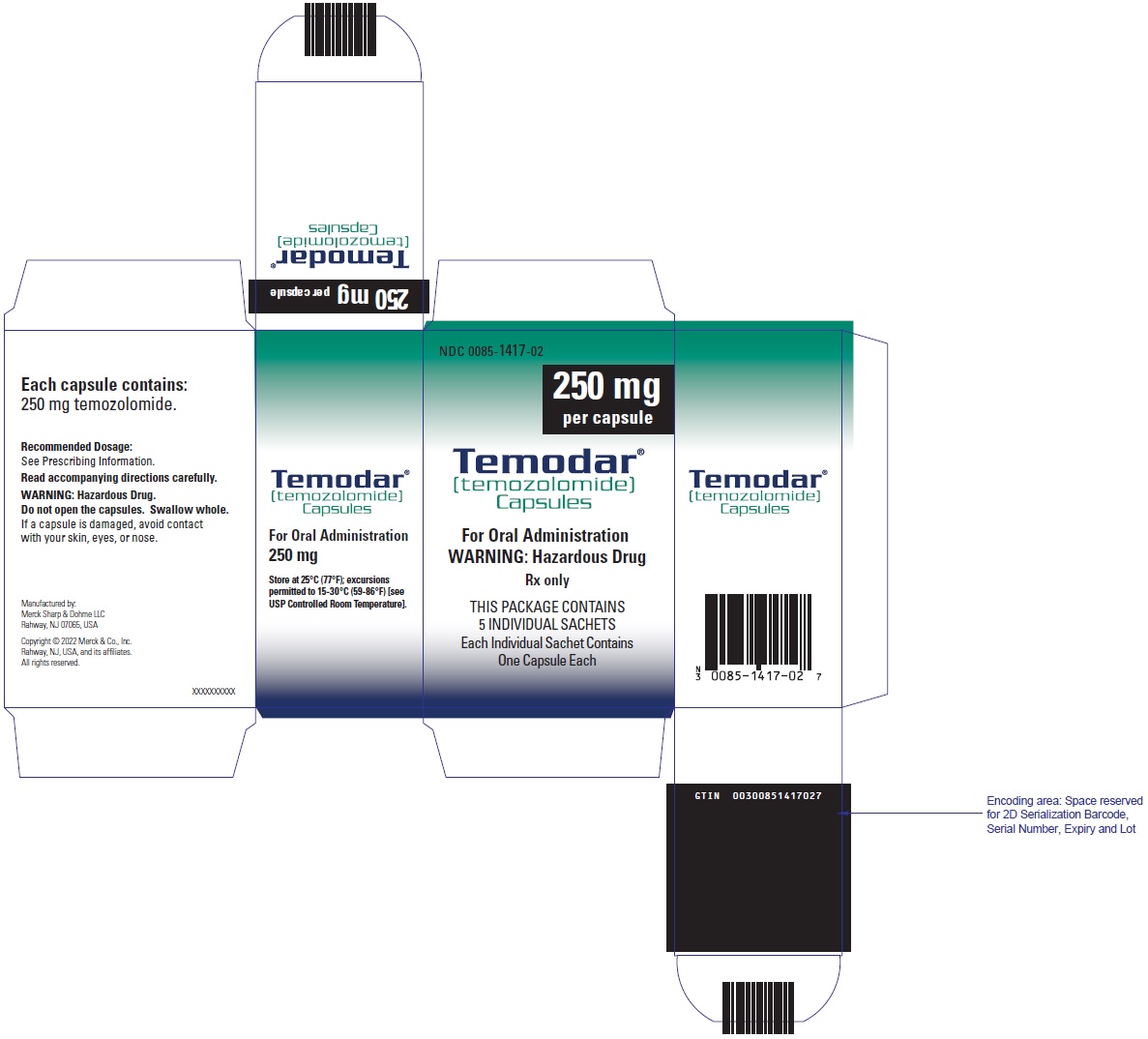
[temozolomide]
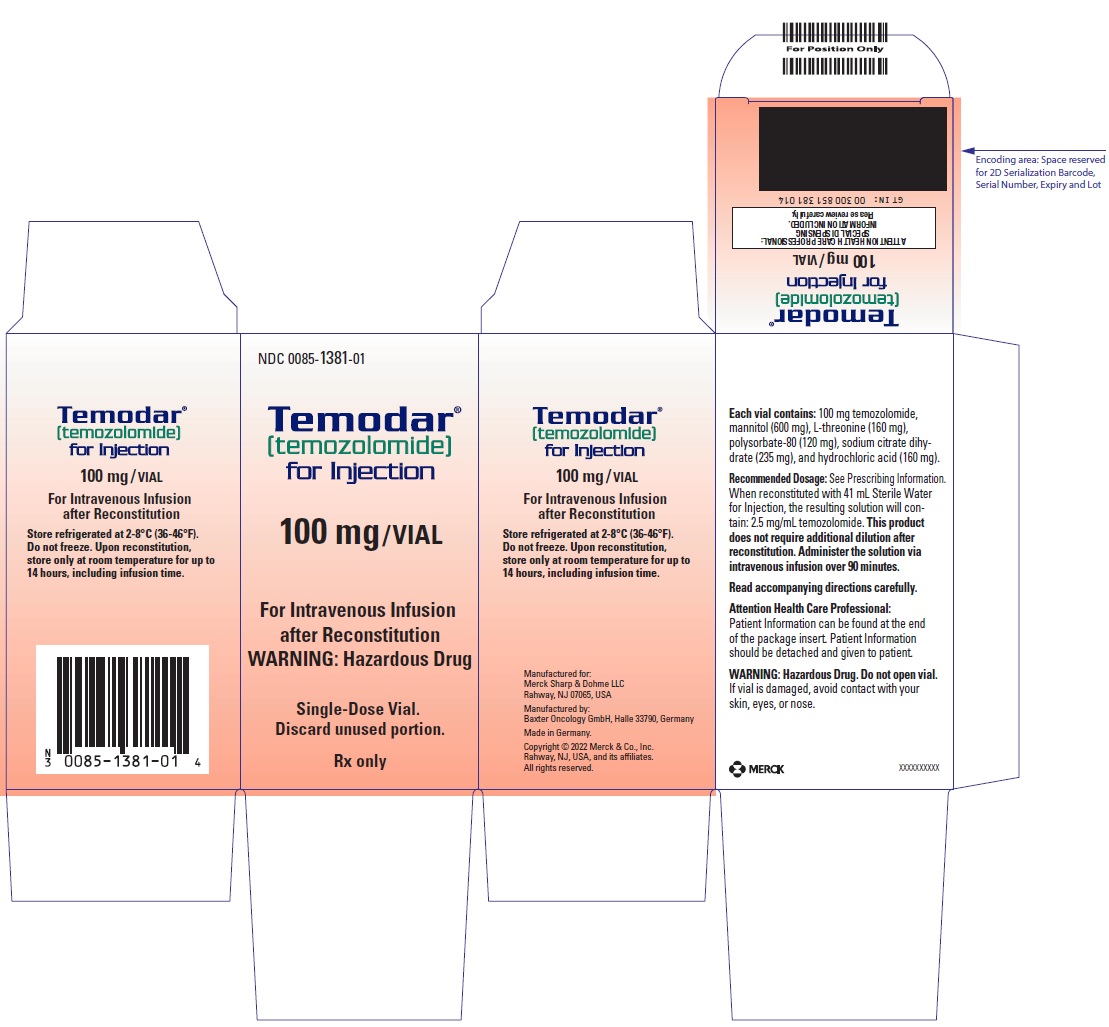
for Injection