Atovaquone
What is Malarone (Atovaquone)?
Approved To Treat
Related Clinical Trials
Summary: This phase II trial test tests how well repurposing atovaquone works in treating patients with platinum-resistant ovarian cancer. Atovaquone is used for the treatment or prevention of certain infections. Atovaquone is in a class of medications called antiprotozoal agents. It works by stopping the growth of certain types of protozoa that can cause pneumonia. Giving atovaquone may be effective in tr...
Summary: The goal of this interventional study is to Assess the safety and tolerability of atovaquone in combination with standard radiation therapy (RT) for the treatment of pediatric patients with newly diagnosed pediatric high-grade glioma/diffuse midline glioma/diffuse intrinsic pontine glioma (pHGG/DMG/DIPG). The secondary aim is to assess the safety and tolerability of longer-term atovaquone treatmen...
Related Latest Advances
Brand Information
- MALARONE is contraindicated in individuals with known hypersensitivity reactions (e.g., anaphylaxis, erythema multiforme or Stevens-Johnson syndrome, angioedema, vasculitis) to atovaquone or proguanil hydrochloride or any component of the formulation.
- MALARONE is contraindicated for prophylaxis of
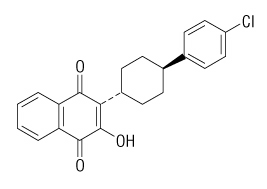
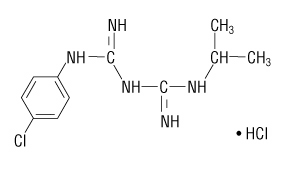
- Bottle of 100 tablets with child-resistant closure (NDC 0173-0675-01).
- Unit Dose Pack of 24 tablets with child-resistant lid foil (NDC 0173-0675-02).
- Bottle of 100 tablets with child-resistant closure (NDC 0173-0676-01).
- to take MALARONE at the same time each day with food or a milky drink.
- to take a repeat dose of MALARONE if vomiting occurs within 1 hour after dosing.
- to take a dose as soon as possible if a dose is missed, then return to their normal dosing schedule. However, if a dose is skipped, the patient should not double the next dose.
- that rare serious adverse events such as hepatitis, severe skin reactions, neurological events, and hematological events have been reported when MALARONE was used for the prophylaxis or treatment of malaria.
- to consult a healthcare professional regarding alternative forms of prophylaxis if prophylaxis with MALARONE is prematurely discontinued for any reason.
- that protective clothing, insect repellents, and bed nets are important components of malaria prophylaxis.
- that no chemoprophylactic regimen is 100% effective; therefore, patients should seek medical attention for any febrile illness that occurs during or after return from a malaria‑endemic area and inform their healthcare professional that they may have been exposed to malaria.
- that falciparum malaria carries a higher risk of death and serious complications in pregnant women than in the general population. Pregnant women anticipating travel to malarious areas should discuss the risks and benefits of such travel with their physicians.