Attention Deficit Hyperactivity Disorder (ADHD) Treatments

Find Attention Deficit Hyperactivity Disorder (ADHD) Treatments

Generic Name

methYLphenidate

Brand Names
Concerta, Cotempla, Daytrana, Jornay, Metadate, Methylin, methYLphenidate Transdermal, QuilliChew, Quillivant, Relexxii, Ritalin
FDA approval date: December 31, 1955
Classification: Central Nervous System Stimulant
Form: Patch, Tablet, Suspension, Capsule, Solution

What is Concerta (methYLphenidate)?

CONCERTA is indicated for the treatment of attention deficit hyperactivity disorder in patients aged 6 to 65 years old. Limitations of Use The use of CONCERTA is not recommended in pediatric patients younger than 6 years of age because they had higher plasma exposure and a higher incidence of adverse reactions than patients 6 years and older at the same dosage [see Warnings and Precautions.
Save this treatment for later
Sign Up
Not sure about your diagnosis?
Check Your Symptoms
Tired of the same old research?
Check Latest Advances

Related Clinical Trials

Tirzepatide s Dopaminergic Effects in Alcohol Use Disorders (AUD), a Phase 1b Study

Background: Glucagon-like peptide 1 (GLP-1) agonist drugs are used to treat diabetes and aid weight loss. They may also help reduce cravings for drugs and alcohol. Researchers want to know if a GLP-1 drug (tirzepatide) can lessen the urge to drink in people with alcohol use disorder (AUD).

Evaluation of the Relationship Between Medication, Eye Movements, and Autonomic Nervous System Functions in Children and Adolescents With ADHD

Summary: An increasing number of children are being diagnosed with ADHD, and the demand for ADHD medication has been rising. Although ADHD medication is often effective, this is unfortunately not the case for all children and adolescents with ADHD; furthermore, the majority of those who use the medication experience side effects of some kind. There are currently no known factors that are clearly linked to ...

Orexin's Role in The Neurobiology of Substance Use Disorder

Objectives: The objective is to determine the acute and chronic impact of the orexin antagonist, suvorexant, on neurobiological and behavioral factors linked with substance use disorders. Whether such effects are mediated by baseline characteristics will be tested. Given suvorexant is an FDA approved treatment for insomnia, sleep will be evaluated as well in the nicotine dependent arm. Endpoints: In nicotine-...

Brand Information

    CONCERTA (Methylphenidate hydrochloride)
    WARNING: ABUSE, MISUSE, AND ADDICTION
    CONCERTA has a high potential for abuse and misuse, which can lead to the development of a substance use disorder, including addiction. Misuse and abuse of CNS stimulants, including CONCERTA, can result in overdose and death
    Before prescribing CONCERTA, assess each patient's risk for abuse, misuse, and addiction. Educate patients and their families about these risks, proper storage of CONCERTA, and proper disposal of any unused drug. Throughout CONCERTA treatment, reassess each patient's risk of abuse, misuse, and addiction and frequently monitor for signs and symptoms of abuse, misuse, and addiction
    1INDICATIONS AND USAGE
    CONCERTA is indicated for the treatment of attention deficit hyperactivity disorder (ADHD) in patients aged 6 to 65 years old.
    Limitations of Use
    The use of CONCERTA is not recommended in pediatric patients younger than 6 years of age because they had higher plasma exposure and a higher incidence of adverse reactions (e.g., weight loss) than patients 6 years and older at the same dosage
    2DOSAGE FORMS AND STRENGTHS
    Extended-Release Tablets:
    • 18 mg: yellow, imprinted with "alza 18"
    • 27 mg: gray, imprinted with "alza 27"
    • 36 mg: white, imprinted with "alza 36"
    • 54 mg: brownish-red, imprinted with "alza 54"
    3CONTRAINDICATIONS
    CONCERTA is contraindicated in patients:
    • Known to be hypersensitive to methylphenidate or other components of CONCERTA. Hypersensitivity reactions, such as angioedema and anaphylactic reactions, have been reported in patients treated with CONCERTA.
    • Receiving concomitant monoamine oxidase inhibitors (MAOIs), and within 14 days following discontinuation of treatment with a MAO inhibitor because of the risk of a hypertensive crisis
    4ADVERSE REACTIONS
    The following are discussed in more detail in other sections of the labeling:
    • Abuse, Misuse, and Addiction
    • Hypersensitivity Reactions
    • Monoamine Oxidase Inhibitors
    • Risks to Patients with Serious Cardiac Disease
    • Increased Blood Pressure and Heart Rate
    • Psychiatric Adverse Reactions
    • Priapism
    • Peripheral Vasculopathy, including Raynaud's Phenomenon
    • Long-Term Suppression of Growth in Pediatric Patients
    • Risks of Gastrointestinal Obstruction in Patients with Gastrointestinal Narrowing
    • Acute Angle Closure Glaucoma
    • Increased Intraocular Pressure and Glaucoma
    • Motor and Verbal Tics, and Worsening of Tourette's Syndrome
    4.1Clinical Trial Experience
    Because clinical trials are conducted under widely varying conditions, adverse reaction rates observed in the clinical trials of a drug cannot be directly compared to rates in clinical trials of another drug and may not reflect the rates observed in clinical practice. The data below is based on a total of 3,906 patients in clinical studies who received CONCERTA. Patients aged 6 up to 65 years old with ADHD were evaluated in 6 controlled clinical studies and 11 open-label clinical studies
    The most common adverse reactions (≥5%) in double-blind clinical trials were:
    • Pediatric patients: upper abdominal pain
    • Adults: decreased appetite, headache, dry mouth, nausea, insomnia, anxiety, dizziness, weight decreased, irritability, tachycardia, and hyperhidrosis
    The most common adverse reactions associated with CONCERTA discontinuation (≥1%) from the pediatric and adult clinical trials were anxiety, irritability, insomnia, and increased blood pressure
    Most Common Adverse Reactions in Double-Blind, Placebo-Controlled Clinical Trials: Adverse reactions in either the pediatric or adult double-blind adverse reactions tables may be relevant for both patient populations.
    Adverse Reactions in Pediatric Patients Aged 6 years and Older
    Table 4 displays adverse reactions reported in 2% or more of CONCERTA-treated pediatric patients ages 6 and older with ADHD in 4 placebo-controlled, double-blind clinical trials.
    Adverse Reactions in Adults
    Table 5 lists the adverse reactions reported in 2% or more of CONCERTA-treated adults with ADHD in 2 placebo-controlled, double-blind clinical trials.
    Other Adverse Reactions Observed in Clinical Trials of CONCERTA
    The following adverse reactions occurred in less than 2% of CONCERTA-treated patients ages 6 to 65 years of age in the double-blind and open-label clinical ADHD trials.
    • Blood and Lymphatic System Disorders: Leukopenia
    • Cardiac Disorders: Cardiac murmur, Hypertension, Heart rate increased
    • Ear and Labyrinth Disorders: Vertigo
    • Eye Disorders: Accommodation disorder, Dry eye, Vision blurred
    • Gastrointestinal Disorders: Abdominal discomfort/pain, Constipation, Diarrhea, Vomiting
    • General Disorders and Administration Site Conditions: Asthenia, Fatigue, Feeling jittery, Thirst
    • Hepatobiliary Disorders: Hepatic enzymes increased
    • Infections and Infestations: Sinusitis
    • Metabolism and Nutrition Disorders: Anorexia
    • Musculoskeletal and Connective Tissue Disorders: Muscle spasms, Muscle tightness
    • Nervous System Disorders: Lethargy, Paresthesia, Psychomotor hyperactivity, Sedation, Somnolence, Tension headache
    • Psychiatric Disorders: Affect lability, Aggression, Anger, Bruxism, Confusional state, Depression, Hypervigilance, decreased libido, Mood swings, Panic attack, Sleep disorder, Tearfulness, Tension, Tic
    • Reproductive System and Breast Disorders: Erectile dysfunction
    • Respiratory, Thoracic and Mediastinal Disorders: Cough, Dyspnea, Oropharyngeal pain
    • Skin and Subcutaneous Tissue Disorders: Rash
    • Vascular Disorders: Hot flush
    Discontinuation Due to Adverse Reactions
    In the 2 placebo-controlled studies in adults with ADHD, 25 (6%) CONCERTA-treated patients and 6 (3%) placebo-treated patients discontinued due to an adverse reaction. In the CONCERTA group, adverse reactions leading to discontinuation with an incidence of >0.5% were anxiety (1.7%), irritability (1.4%), increased blood pressure (1%), and nervousness (0.7%). In the placebo group, adverse reactions leading to discontinuation with an incidence of >0.5% were increased blood pressure (0.9%) and depressed mood (0.9%).
    In the 11 open-label studies in patients 6 to 65 years of age with ADHD, 266 (7%) CONCERTA-treated patients discontinued due to an adverse reaction including insomnia (1.2%), irritability (0.8%), anxiety (0.7%), decreased appetite (0.7%), and tic (0.6%).
    Blood Pressure and Heart Rate Increases
    • In the 1-week treatment, controlled trials in pediatric patients 6 to 12 years of age with ADHD (Studies 1 and 2)
    • In the randomized withdrawal portion of the double-blind, placebo-controlled trial with pediatric patients 13 to 17 years of age with ADHD (Study 4)
    • In the 7-week dose-titration, placebo-controlled study in adults 18 to 65 years of age with ADHD (Study 5)
    • In the 5-week fixed-dose, placebo-controlled trial in adults 18 to 65 years of age with ADHD (Study 5) [
    4.2Postmarketing Experience
    The following adverse reactions have been identified during post-approval use of CONCERTA. Because these reactions are reported voluntarily from a population of uncertain size, it is not always possible to reliably estimate their frequency:
    • Blood and Lymphatic System Disorders: Pancytopenia, Thrombocytopenia, Thrombocytopenic purpura
    • Cardiac Disorders: Angina pectoris, Bradycardia, Supraventricular tachycardia, Ventricular extrasystoles
    • Eye Disorders: Diplopia, Increased intraocular pressure, Mydriasis
    • General Disorders and Administration Site Conditions: Chest pain, Drug effect decreased, Hyperpyrexia
    • Hepatobiliary Disorders: Hepatocellular injury, Acute hepatic failure, Blood bilirubin increased
    • Immune System Disorders: Hypersensitivity reactions such as Angioedema, Anaphylactic reactions, Auricular swelling, Exanthemas NEC
    • Investigations: Blood alkaline phosphatase increased, Platelet count decreased,
    • Musculoskeletal and Connective Tissue Disorders: Arthralgia, Myalgia, Muscle twitching, Rhabdomyolysis
    • Nervous System Disorders: Convulsion, Grand mal convulsion, Stroke in pediatric patients, Dyskinesia, Serotonin syndrome in combination with serotonergic drugs, Motor and Verbal Tics
    • Psychiatric Disorders: Disorientation, Hallucination, Mania, Logorrhea
    • Reproductive System and Breast Disorders: Priapism
    • Skin and Subcutaneous Tissue Disorders: Alopecia, Bullous conditions, Erythema, Exfoliative conditions, Pruritus, Urticarias
    • Vascular Disorders: Raynaud's phenomenon
    5DRUG INTERACTIONS
    Table 6 describes clinically significant drug interactions with CONCERTA.
    6DESCRIPTION
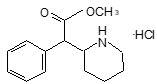
    CONCERTA
    Chemical Structure
    Methylphenidate hydrochloride, USP is a white, odorless crystalline powder. Its solutions are acid to litmus. It is freely soluble in water and in methanol, soluble in alcohol, and slightly soluble in chloroform and in acetone. Its molecular weight is 269.77.
    CONCERTA also contains the following inactive ingredients: butylated hydroxytoluene, carnauba wax, cellulose acetate, hypromellose, lactose, phosphoric acid, poloxamer, polyethylene glycol, polyethylene oxides, povidone, propylene glycol, sodium chloride, stearic acid, succinic acid, synthetic iron oxides, titanium dioxide, and triacetin.
    It is possible that CONCERTA extended-release tablets may be visible on abdominal x-rays under certain circumstances, especially when digital enhancing techniques are utilized.
    7HOW SUPPLIED/STORAGE AND HANDLING
    CONCERTA
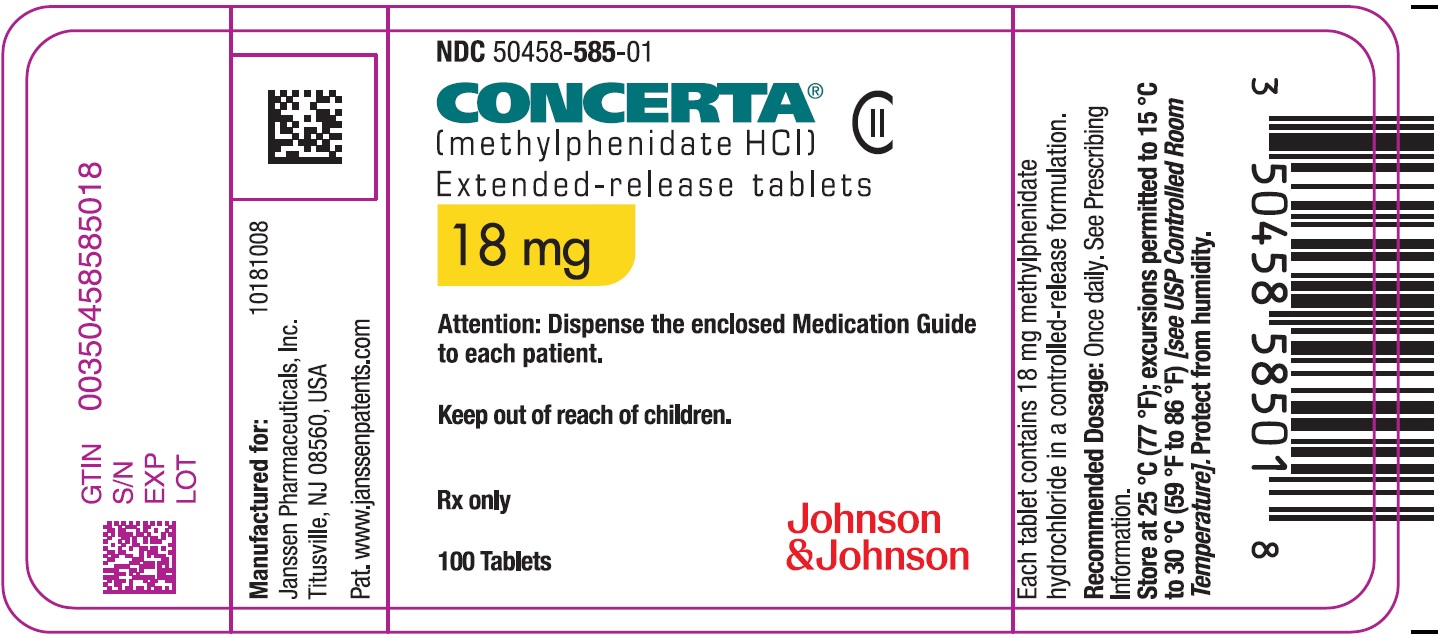
    • 18 mg: yellow and imprinted with "alza 18", 100-count bottle (NDC 50458-585-01)
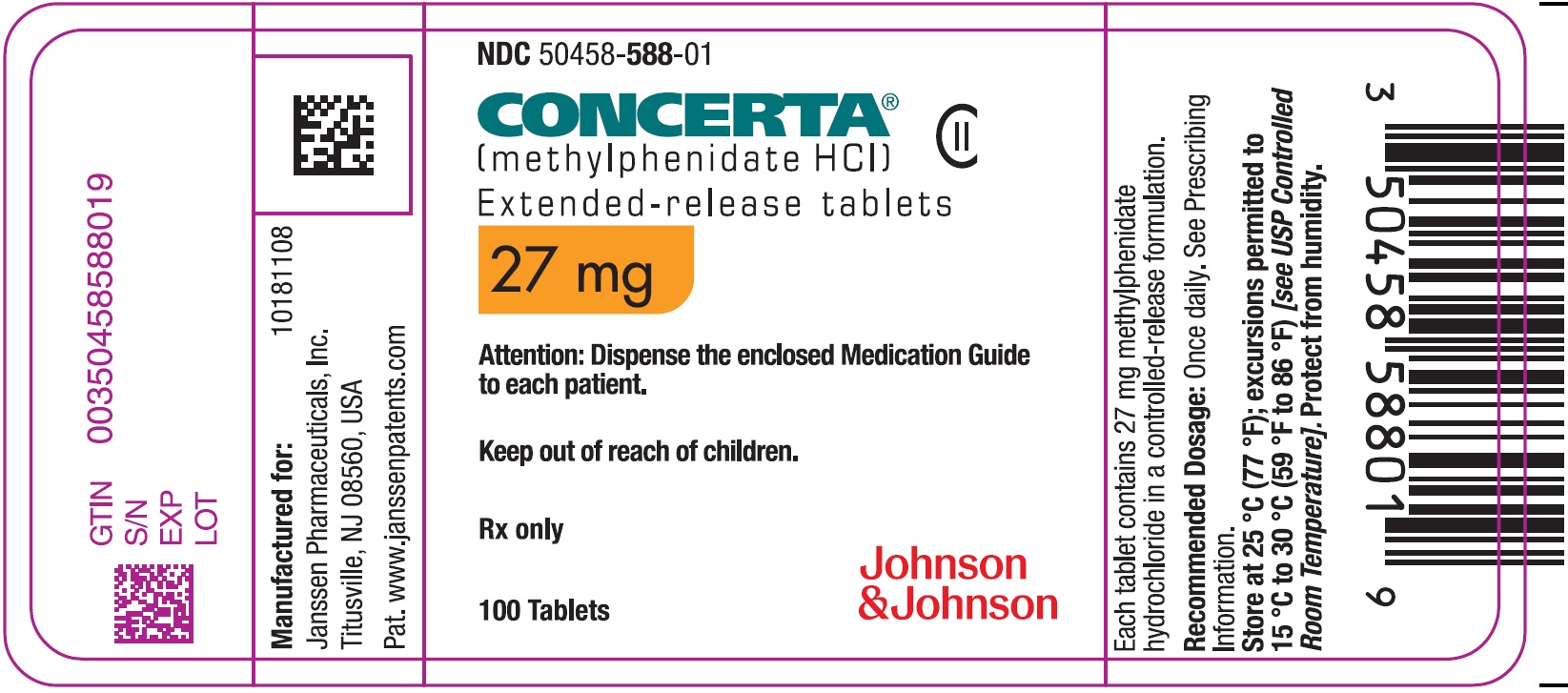
    • 27 mg: gray and imprinted with "alza 27", 100-count bottle (NDC 50458-588-01)
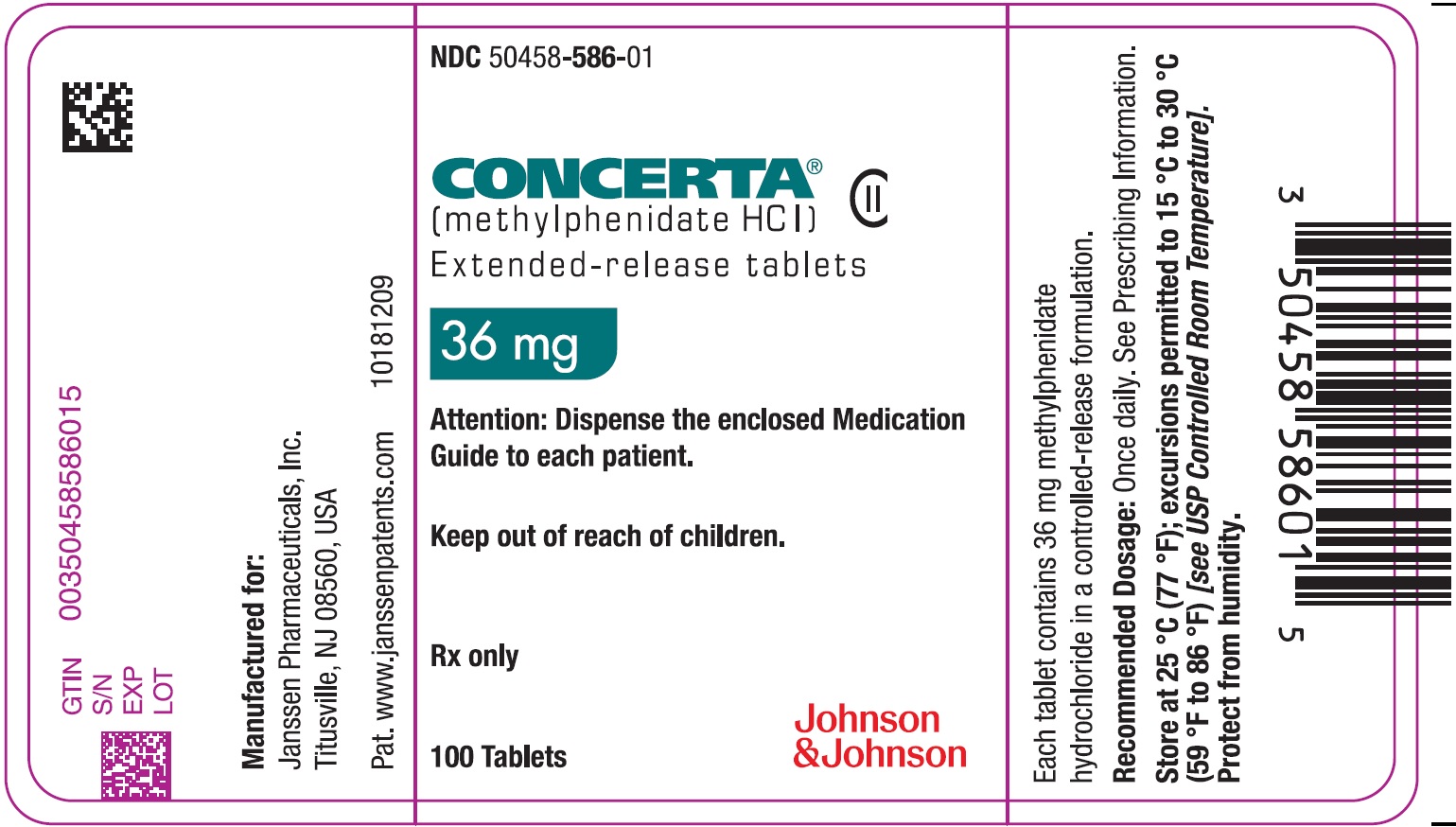
    • 36 mg: white and imprinted with "alza 36", 100-count bottle (NDC 50458-586-01)
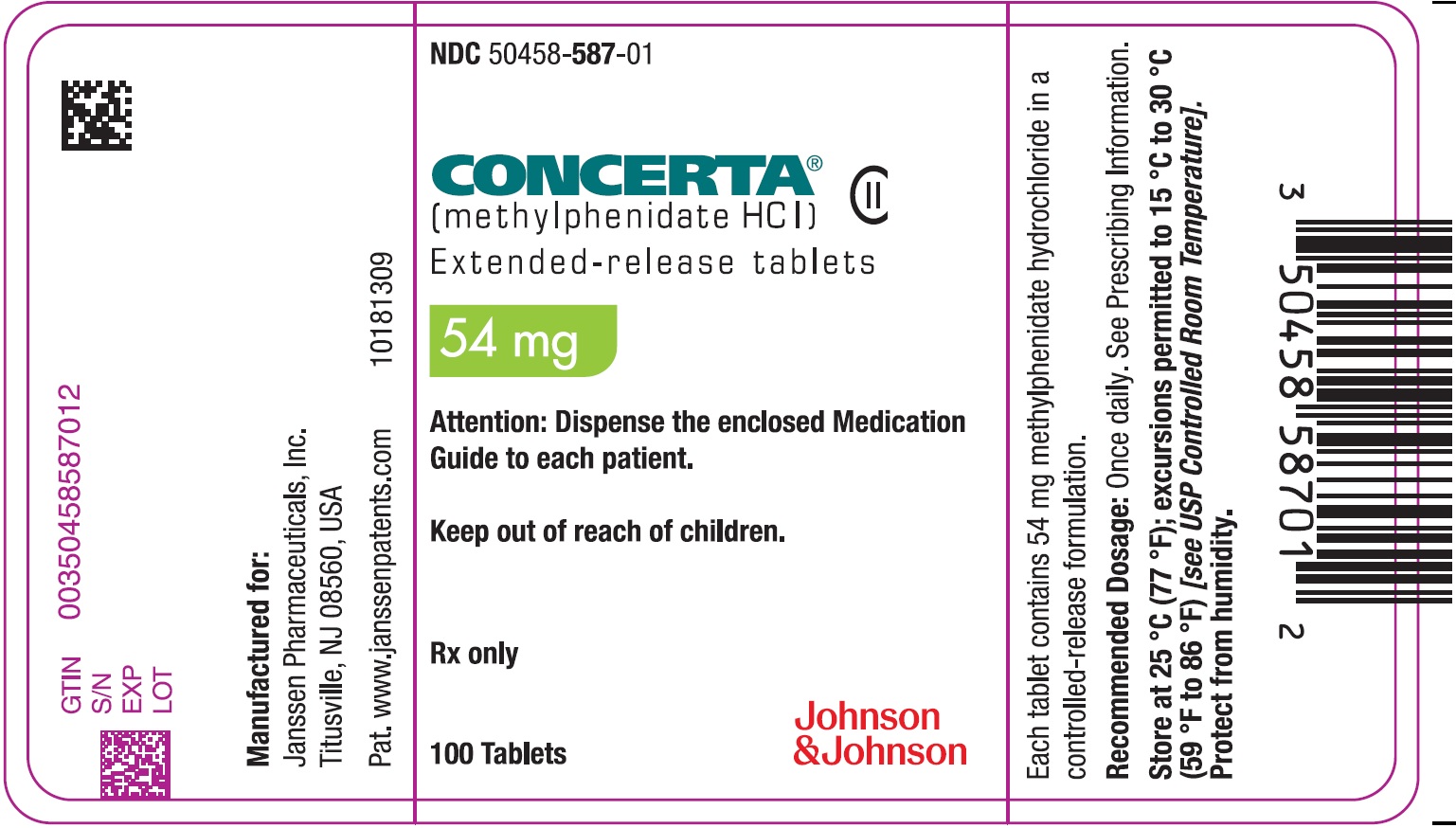
    • 54 mg: brownish-red and imprinted with "alza 54", 100-count bottle (NDC 50458-587-01)
    8PATIENT COUNSELING INFORMATION
    Advise the patient to read the FDA-approved patient labeling (Medication Guide).
    Abuse, Misuse, and Addiction
    Educate patients and their families about the risks of abuse, misuse, and addiction of CONCERTA, which can lead to overdose and death, and proper disposal of any unused drug
    Risks to Patients with Serious Cardiac Disease
    Advise patients that there are potential risks to patients with serious cardiac disease, including sudden death, with CONCERTA use. Instruct patients to contact a healthcare provider immediately if they develop symptoms such as exertional chest pain, unexplained syncope, or other symptoms suggestive of cardiac disease
    Increased Blood Pressure and Heart Rate
    Advise patients and their caregivers that CONCERTA can cause elevations in blood pressure and heart rate
    Psychiatric Risks
    Advise patients and their caregivers that CONCERTA, at recommended doses, can cause psychotic or manic symptoms, even in patients without a prior history of psychotic symptoms or mania
    Priapism
    Advise patients, caregivers, and family members of CONCERTA-treated males of the possibility of priapism. Instruct the patient to seek immediate medical attention in the event of priapism
    Peripheral Vasculopathy, including Raynaud's Phenomenon
    Instruct patients about the risk of peripheral vasculopathy, including Raynaud's phenomenon, and associated signs and symptoms; to report to their health care provider any new numbness, pain, skin color change, or sensitivity to temperature in fingers or toes; to call their health care provider immediately with any signs of unexplained wounds appearing on fingers or toes while taking CONCERTA
    Long-term Suppression of Growth in Pediatric Patients
    Advise patients, caregivers, and family members that CONCERTA may cause slowing of growth and weight loss in pediatric patients
    Glaucoma and Increased Intraocular Pressure
    Advise patients that increased intraocular pressure and glaucoma may occur during CONCERTA treatment
    Motor and Verbal Tics, and Worsening of Tourette's Syndrome
    Advise patients that motor and verbal tics and worsening of Tourette's Syndrome may occur during CONCERTA treatment. Instruct patients to notify their healthcare provider if emergence of new tics or worsening of tics or Tourette's syndrome occurs
    Administration Instructions
    Instruct patients to swallow CONCERTA whole with liquids, and not to split, crush, or chew, the extended-release tablets. Advise patients not to be concerned if they occasionally notice a tablet-appearing substance in their stool.
    Pregnancy
    Advise patients that there is a pregnancy exposure registry that monitors pregnancy outcomes in women exposed to CONCERTA during pregnancy
    Lactation
    Advise CONCERTA-treated breastfeeding women to monitor their infants for agitation, poor sleeping patterns, changes in feeding, and reduced weight gain
    Concerta has been selected.