Vyvanse
What is Vyvanse (Lisdexamfetamine Dimesylate)?
Living with Attention-Deficit/Hyperactivity Disorder (ADHD) or binge eating disorder (BED) can be challenging, affecting focus, productivity, emotional control, and daily confidence. Vyvanse (lisdexamfetamine dimesylate) is a prescription medication designed to help manage these conditions effectively. By improving concentration and impulse control in ADHD and reducing binge eating episodes in BED, Vyvanse has become an important part of treatment plans for many patients.
Vyvanse is a central nervous system (CNS) stimulant that belongs to the amphetamine class. It was approved by the U.S. Food and Drug Administration (FDA) in 2007 and is often prescribed as a first-line therapy for ADHD in both children and adults. It’s also the first medication specifically approved for treating moderate to severe binge eating disorders in adults.
What does Vyvanse do?
Vyvanse is primarily used to treat ADHD in patients aged six years and older and binge eating disorder in adults.
For those with ADHD, Vyvanse helps by improving attention span, reducing hyperactive behavior, and enhancing the ability to stay organized and complete tasks. It’s not a cure for ADHD but significantly improves daily functioning and quality of life for many individuals.
In patients with binge eating disorder, Vyvanse works by reducing the number of binge episodes. Studies show that individuals taking Vyvanse had fewer episodes per week and reported better control over eating behaviors compared to placebo groups (FDA, 2015).
Patients often notice a gradual improvement in focus, behavior, and emotional regulation as the medication reaches stable levels in the body. When used as prescribed and combined with behavioral therapy, Vyvanse can play a key role in managing these conditions effectively.
How does Vyvanse work?
Vyvanse is a prodrug, meaning it becomes active only after the body metabolizes it. Once ingested, Vyvanse is converted into dextroamphetamine, the active compound responsible for its effects on the brain.
Dextroamphetamine works by increasing levels of dopamine and norepinephrine, two neurotransmitters that regulate attention, motivation, and impulse control. In simple terms, Vyvanse helps balance the brain’s “messenger chemicals,” allowing for better concentration and fewer distractions.
Clinically, this mechanism helps patients maintain focus during school or work, control impulsive actions, and reduce restlessness. For binge eating disorder, the medication’s effect on dopamine pathways can help reduce the urge to overeat and support healthier eating behaviors.
Because Vyvanse activates gradually, it provides a smoother, longer-lasting effect compared to some other stimulant medications, minimizing the “crash” that can occur with short-acting formulations.
Vyvanse side effects
Like all medications, Vyvanse can cause side effects. Most are mild and manageable, especially when the medication is taken as prescribed.
Common side effects include:
- Decreased appetite
- Dry mouth
- Trouble sleeping (insomnia)
- Increased heart rate or blood pressure
- Irritability or anxiety
Less common or serious side effects:
- Shortness of breath
- Chest pain or palpitations
- Mood changes such as agitation, depression, or hostility
- Circulation problems in fingers or toes (Raynaud’s phenomenon)
Seek immediate medical attention: if you experience symptoms like chest pain, fainting, hallucinations, or signs of an allergic reaction (rash, swelling, or difficulty breathing).
Vyvanse should be used cautiously in individuals with heart disease, high blood pressure, hyperthyroidism, or a history of substance misuse. It is a controlled substance (Schedule II), which means it carries a potential risk for abuse or dependence if not taken under medical supervision (DEA, 2024).
Regular follow-ups with a healthcare provider help ensure that benefits outweigh potential risks.
Vyvanse dosage
Vyvanse is available as oral capsules and chewable tablets, typically taken once daily in the morning. It should not be taken in the afternoon or evening to avoid insomnia.
The medication is designed for once-daily dosing because its effects can last up to 12–14 hours. Dosage is individualized, doctors usually start at a lower dose and adjust gradually based on response and tolerability.
Monitoring is an essential part of safe treatment. Healthcare providers often check:
- Heart rate and blood pressure
- Weight and appetite (especially in children)
- Mental health changes such as new anxiety or mood swings
Patients should not abruptly stop taking Vyvanse without consulting their doctor, as withdrawal symptoms like fatigue, depression, or sleep changes can occur.
Older adults or patients with severe kidney issues may require closer monitoring or dosage adjustments.
Does Vyvanse have a generic version?
Yes. A generic version of Vyvanse (lisdexamfetamine dimesylate) was approved by the FDA in August 2023 and is now available in the United States.
Generic Vyvanse contains the same active ingredient, strength, and effectiveness as the brand-name drug. According to the FDA, approved generics must meet identical standards for safety, purity, and bioequivalence.
Patients may notice differences only in packaging or inactive ingredients (like fillers or dyes). Generic options can significantly reduce treatment costs while maintaining the same therapeutic benefits.
Conclusion
Vyvanse (lisdexamfetamine dimesylate) is a trusted medication that helps many people manage ADHD and binge eating disorder effectively. By improving focus, self-control, and daily functioning, it empowers patients to lead more productive and balanced lives.
While it can cause side effects, most are mild and manageable with proper medical supervision. Regular follow-up visits and open communication with a healthcare provider help ensure the medication remains safe and effective.
Ultimately, Vyvanse offers patients an opportunity to regain control whether that means staying focused during work, managing emotions, or reducing binge eating episodes. When prescribed and monitored by a qualified healthcare provider, Vyvanse can be a valuable part of a comprehensive treatment plan for long-term well-being.
References
- U.S. Food and Drug Administration (FDA). (2015). Vyvanse (lisdexamfetamine dimesylate) https://www.fda.gov/
- Mayo Clinic. (2024). Lisdexamfetamine (Oral Route) https://www.mayoclinic.org/
- National Institutes of Health (NIH). (2023). https://www.nih.gov/
Approved To Treat
Top Global Experts
There are no experts for this drug
Related Clinical Trials
There is no clinical trials being done for this treatment
Related Latest Advances
There is no latest advances for this treatment
Brand Information
- Attention Deficit Hyperactivity Disorder (ADHD) in adults and pediatric patients 6 years and older
- Moderate to severe binge eating disorder (BED) in adults
- Known hypersensitivity to amphetamine products or other ingredients of VYVANSE. Anaphylactic reactions, Stevens-Johnson Syndrome, angioedema, and urticaria have been observed in postmarketing reports
- Patients taking monoamine oxidase inhibitors (MAOIs), or within 14 days of stopping MAOIs (including MAOIs such as linezolid or intravenous methylene blue), because of an increased risk of hypertensive crisis
- Known hypersensitivity to amphetamine products or other ingredients of VYVANSE
- Hypertensive Crisis When Used Concomitantly with Monoamine Oxidase Inhibitors
- Abuse, Misuse, and Addiction
- Risks to Patients with Serious Cardiac Disease
- Increased Blood Pressure and Heart Rate
- Psychiatric Adverse Reactions
- Long-Term Suppression of Growth in Pediatric Patients
- Peripheral Vasculopathy, including Raynaud's phenomenon
- Serotonin Syndrome
- Motor and Verbal Tics, and Worsening of Tourette's Syndrome
(lisdexamfetamine
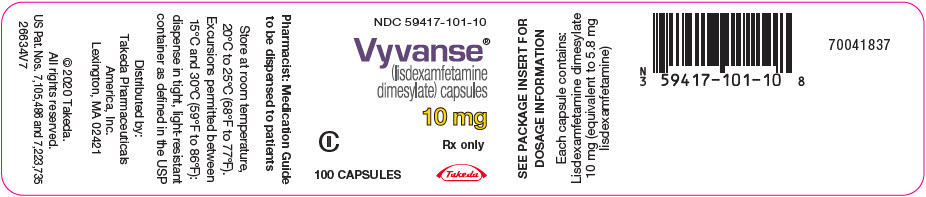
(lisdexamfetamine
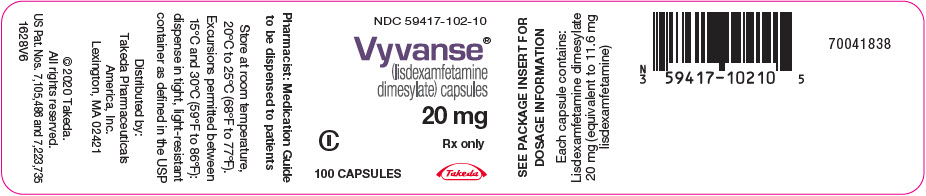
(lisdexamfetamine
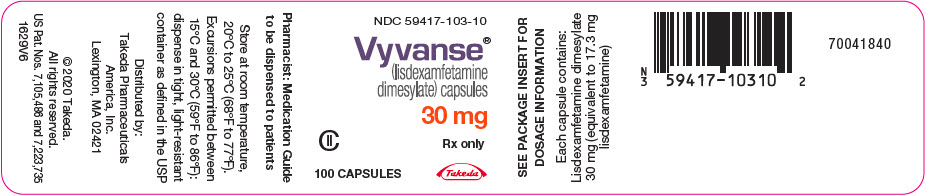
(lisdexamfetamine
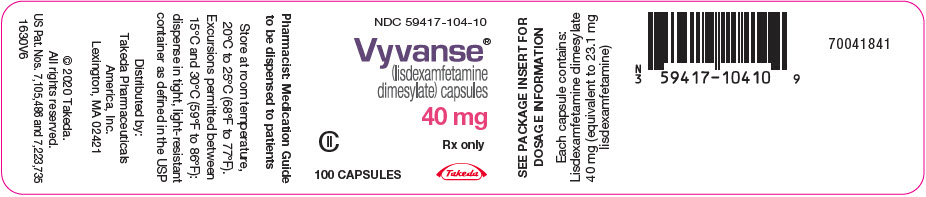
(lisdexamfetamine
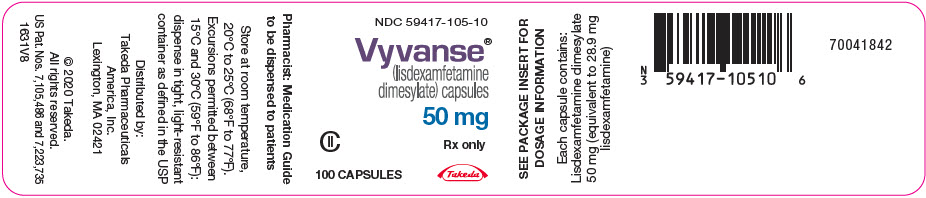
(lisdexamfetamine
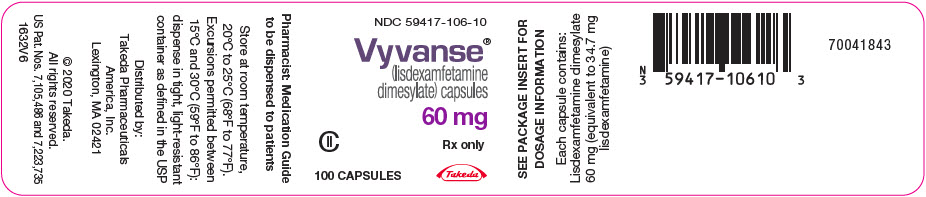
(lisdexamfetamine
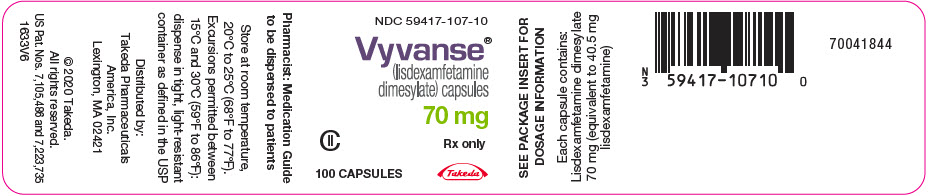
(lisdexamfetamine
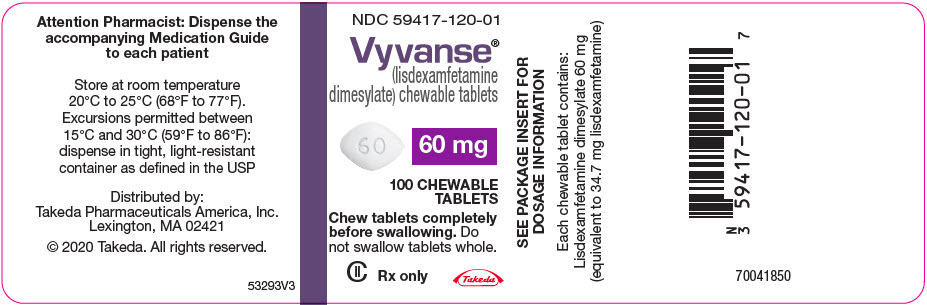
not swallow tablets whole.
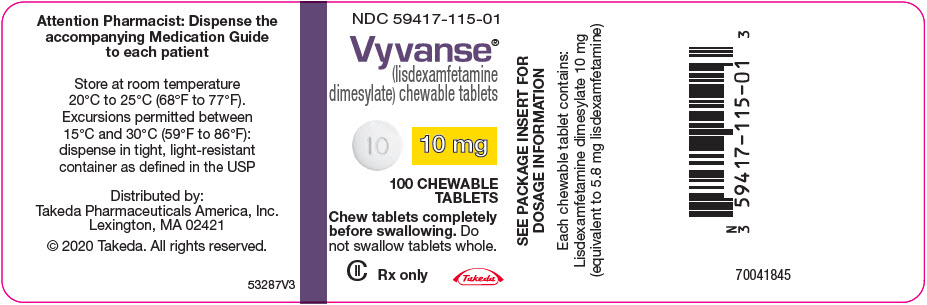
(lisdexamfetamine
not swallow tablets whole.
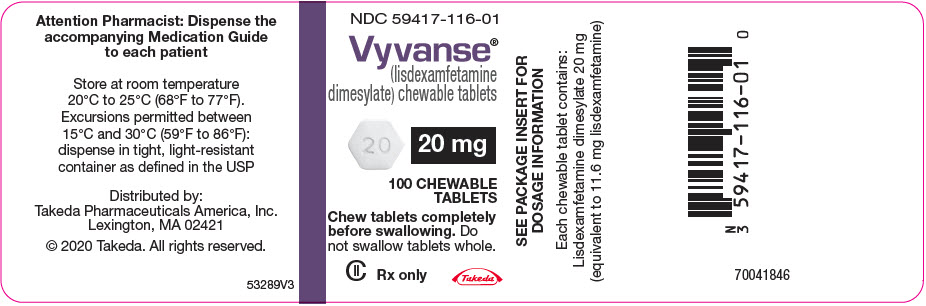
(lisdexamfetamine
not swallow tablets whole.
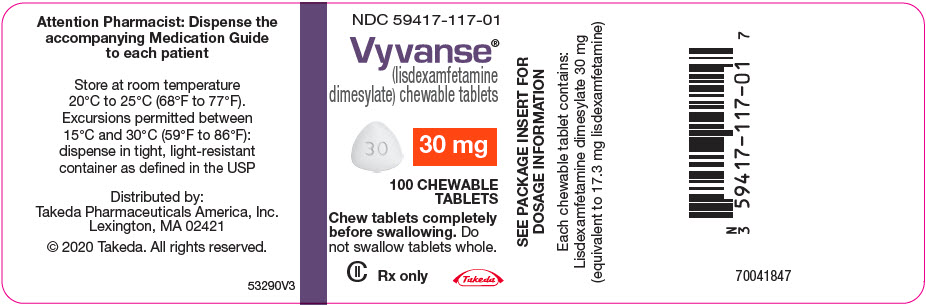
(lisdexamfetamine
not swallow tablets whole.
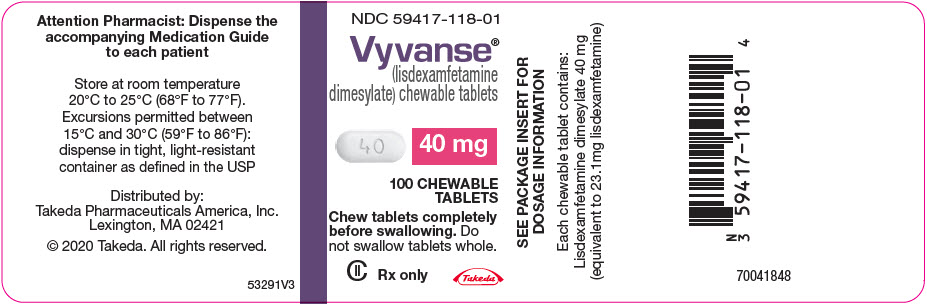
(lisdexamfetamine
not swallow tablets whole.
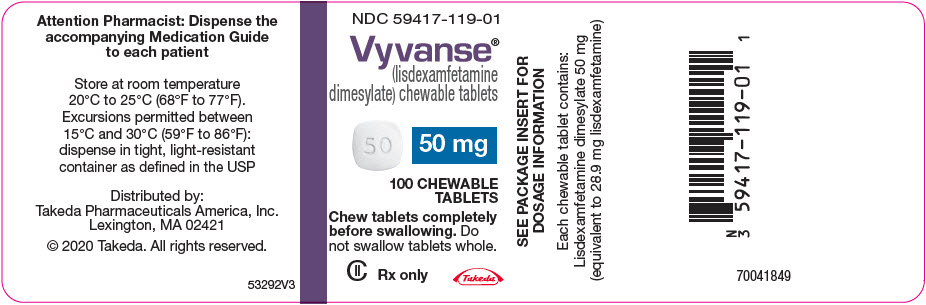
(lisdexamfetamine
not swallow tablets whole.