Brain Stem CancerSymptoms, Doctors, Treatments, Advances & More
Learn About Brain Stem Cancer
Carolinas Medical Center
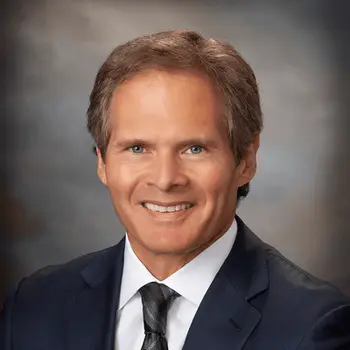
Anthony Asher is a Neurosurgery provider practicing medicine in Charlotte, North Carolina. Dr. Asher is rated as a Distinguished provider by MediFind in the treatment of Brain Stem Cancer. He is also highly rated in 37 other conditions, according to our data. His clinical expertise encompasses Spondylolisthesis, Cervical Myelopathy, Cervical Spondylosis, Laminectomy, and Spinal Fusion. Dr. Asher is board certified in American Board Of Neurological Surgery. Dr. Asher is currently accepting new patients.

Advocate Medical Group Neurosurgery
Juan Tejada is a Neurosurgery provider practicing medicine in Libertyville, Illinois. Dr. Tejada is rated as a Distinguished provider by MediFind in the treatment of Brain Stem Cancer. He is also highly rated in 23 other conditions, according to our data. His clinical expertise encompasses Primitive Neuroectodermal Tumor (PNET), Posterior Fossa Tumor, Apoplexy, Awake Craniotomy, and Microdiscectomy. Dr. Tejada is board certified in American Board Of Neurological Surgery.

Ricardo Komotar is an Oncologist and a Neurosurgery provider practicing medicine in Miami, Florida. Dr. Komotar is rated as a Distinguished provider by MediFind in the treatment of Brain Stem Cancer. He is also highly rated in 57 other conditions, according to our data. His clinical expertise encompasses Brain Tumor, Meningioma, Glioblastoma, Awake Craniotomy, and Posterior Fossa Decompression. Dr. Komotar is currently accepting new patients.
Summary: This study will address the question of whether targeting CMV antigens with PEP-CMV can serve as a novel immunotherapeutic approach in pediatric patients with newly-diagnosed high-grade glioma (HGG) or diffuse intrinsic pontine glioma (DIPG) as well as recurrent medulloblastoma (MB). PEP-CMV is a vaccine mixture of a peptide referred to as Component A. Component A is a synthetic long peptide (SLP)...
Summary: This phase I/II trial evaluates the best dose, side effects and possible benefit of CBL0137 in treating patients with solid tumors, including central nervous system (CNS) tumors or lymphoma that has come back (relapsed) or does not respond to treatment (refractory). Drugs, such as CBL0137, block signals passed from one molecule to another inside a cell. Blocking these signals can affect many funct...

Keep Punching supports patients, healthcare providers, and researchers in their fight to prevent and eradicate brain cancer and minimize treatment-related side effects that may adversely impact function and comfort.