Bronchitis Treatments
Find Bronchitis Treatments
Trimethoprim
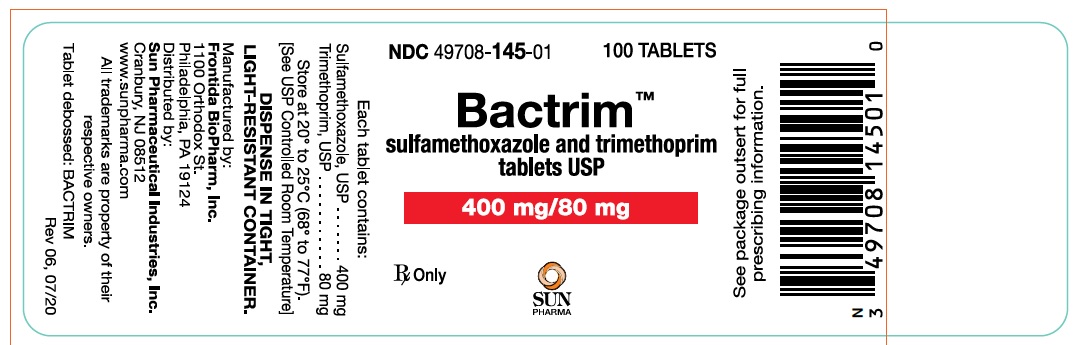
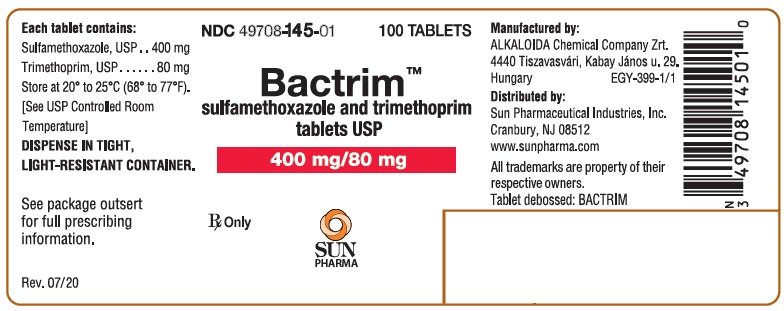
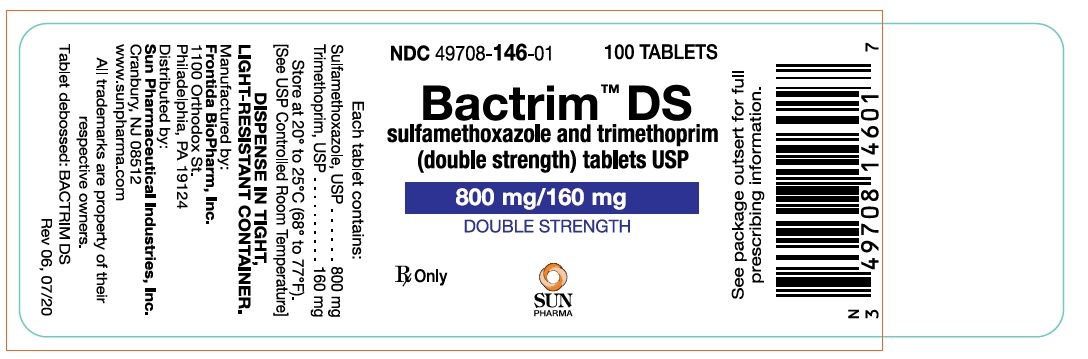
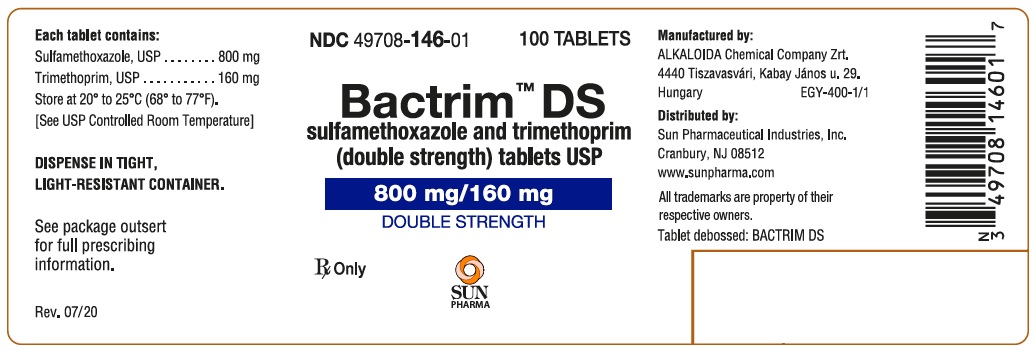
What is Bactrim (Trimethoprim)?
Approved To Treat
Top Global Experts

Related Clinical Trials
Background: \- Atopic dermatitis, or eczema, is a chronic skin disorder. Patients sometimes have infections with S. aureus bacteria. Researchers want to study how eczema treatments affect the number and the type of bacteria on the skin.
Summary: This study is non-inferiority trial design. This study aimed to investigate the effect of prophylactic oral antibiotics on preventing cholangitis in biliary atresia (BA) patients after Kasai portoenterostomy (KP) by comparing the cholangitis rate in BA patients who received prophylactic oral antibiotics and those who did not. The patients were followed up for 2 years after KP.
Summary: Mycobacterium abscessus (MABS) is a group of rapid-growing, multi-drug resistant non-tuberculous mycobacteria (NTM) causing infections in humans. MABS pulmonary disease (MABS-PD) can result in significant morbidity, increased healthcare utilisation, accelerated lung function decline, impaired quality of life, more challenging lung transplantation, and increased mortality. While the overall numbers...
Related Latest Advances
Brand Information
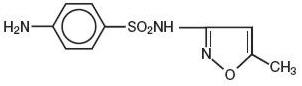
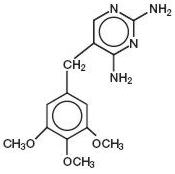
- a known hypersensitivity to trimethoprim or sulfonamides
- history of drug-induced immune thrombocytopenia with use of trimethoprim and/or sulfonamides
- documented megaloblastic anemia due to folate deficiency
- pediatric patients less than 2 months of age
- marked hepatic damage
- severe renal insufficiency when renal function status cannot be monitored
- concomitant administration with dofetilide (see
The usual adult dosage in the treatment of acute exacerbations of chronic bronchitis is 1 BACTRIM DS (double strength) tablet or 2 BACTRIM tablets every 12 hours for 14 days.
Treatment
The recommended dosage for treatment of patients with documented Pneumocystis jiroveciipneumonia is 75 to 100 mg/kg sulfamethoxazole and 15 to 20 mg/kg trimethoprim per 24 hours given in equally divided doses every 6 hours for 14 to 21 days. 12The following table is a guideline for the upper limit of this dosage:
Adults:
For children, the recommended dose is 750 mg/m 2/day sulfamethoxazole with 150 mg/m 2/day trimethoprim given orally in equally divided doses twice a day, on 3 consecutive days per week. The total daily dose should not exceed 1600 mg sulfamethoxazole and 320 mg trimethoprim. 14The following table is a guideline for the attainment of this dosage in children:
For the treatment of traveler’s diarrhea, the usual adult dosage is 1 BACTRIM DS (double strength) tablet or 2 BACTRIM tablets every 12 hours for 5 days.
- Kremers P, Duvivier J, Heusghem C. Pharmacokinetic Studies of Co-Trimoxazole in Man after Single and Repeated Doses.
- Kaplan SA, et al. Pharmacokinetic Profile of Trimethoprim-Sulfamethoxazole in Man.
- Varoquaux O, et al. Pharmacokinetics of the trimethoprim-sulfamethoxazole combination in the elderly.
- Safrin S, Lee BL, Sande MA. Adjunctive folinic acid with trimethoprim-sulfamethoxazole for
- Marinella Mark A. 1999. Trimethoprim-induced hyperkalemia: An analysis of reported cases.
- Margassery, S. and B. Bastani. 2002. Life threatening hyperkalemia and acidosis secondary to trimethoprim-sulfamethoxazole treatment.
- Moh R, et al. Haematological changes in adults receiving a zidovudine-containing HAART regimen in combination with cotrimoxazole in Côte d’Ivoire.
- Al-Khatib SM, LaPointe N, Kramer JM, Califf RM. What Clinicians Should Know About the QT Interval.
- Boyer EW, Stork C, Wang RY. Review: The Pharmacology and Toxicology of Dofetilide.
- Kosoglou T, Rocci ML Jr, Vlasses PH. Trimethoprim alters the disposition of procainamide and
- Brumfitt W, Pursell R. Trimethoprim/Sulfamethoxazole in the Treatment of Bacteriuria in Women.
- Masur H. Prevention and treatment of
- Recommendations for prophylaxis against
- CDC Guidelines for prophylaxis against