Cardiac ArrestSymptoms, Doctors, Treatments, Advances & More
Learn About Cardiac Arrest
Cardiac arrest occurs when the heart suddenly stops beating. When this happens, blood flow to the brain and the rest of the body also stops. Cardiac arrest is a medical emergency. If it is not treated within a few minutes, cardiac arrest most often causes death.
Sudden cardiac arrest; SCA; Cardiopulmonary arrest; Circulatory arrest; Arrhythmia - cardiac arrest; Fibrillation - cardiac arrest; Heart block - cardiac arrest
While some people refer to a heart attack as a cardiac arrest, they are not the same thing. A heart attack occurs when a blocked artery stops the flow of blood to the heart. The medical term for this is myocardial infarction. A heart attack can damage the heart, but it does not necessarily cause death. However, a heart attack can sometimes trigger a cardiac arrest.
Cardiac arrest is caused by a problem with the heart's electrical system, such as:
- Ventricular fibrillation (VF) -- When VF occurs, the lower chambers in the heart quiver instead of beating regularly. The heart cannot pump blood, which results in cardiac arrest. This can happen without any cause or as a result of another condition.
- Heart block -- This occurs when the electrical signal is slowed or stopped as it moves through the heart.
Problems that may lead to cardiac arrest include:
- Coronary heart disease (CHD) -- CHD can clog the arteries in your heart, so the blood cannot flow smoothly. Over time, this can put a strain on your heart's muscle and electrical system.
- Heart attack -- A prior heart attack can create scar tissue that can lead to VF and cardiac arrest.
- Heart problems, such as congenital heart disease, heart valve problems, heart rhythm problems, and an enlarged heart can also lead to cardiac arrest.
- Abnormal blood levels of potassium, calcium, or magnesium -- These minerals help your heart's electrical system work. Abnormally high or low levels can cause cardiac arrest.
- Severe physical stress -- Anything that causes a severe stress on your body can lead to cardiac arrest. This can include trauma, electrical shock, or major blood loss.
- Recreational drugs -- Using certain drugs, such as cocaine or amphetamines, increases your risk for cardiac arrest.
- Medicines -- Some medicines can increase the likelihood of abnormal heart rhythms.
Most people do not have any symptoms of cardiac arrest until it happens. Symptoms may include:
- Sudden loss of consciousness; a person will fall to the floor or slump down if sitting
- No pulse
- No breathing
In some cases, you may notice some symptoms about an hour before cardiac arrest. These may include:
- A racing heart
- Dizziness
- Shortness of breath
- Nausea or vomiting
- Chest pain
Cardiac arrest needs emergency treatment right away to get the heart started again.
- Cardiopulmonary resuscitation (CPR) -- This is often the first type of treatment for cardiac arrest. It can be done by anyone who has been trained in CPR. It can help keep oxygen flowing in the body until emergency care arrives.
- Defibrillation -- This is the most important treatment for cardiac arrest due to ventricular fibrillation. It is performed using a medical device that gives an electrical shock to the heart. The shock can get the heart beating normally again. Small, portable defibrillators are often available in public areas for emergency use by people trained to use them. This treatment works best when given within a few minutes.
If you survive cardiac arrest, you will be admitted to a hospital for treatment. Depending on what caused your cardiac arrest, you may need other medicines, procedures, or surgery.
You may have a small device, called an implantable cardioverter-defibrillator (ICD) placed under your skin near your chest. An ICD monitors your heartbeat and gives your heart an electric shock if it detects an abnormal heart rhythm.

M Health Fairview Heart Clinic Fulton
Jason Bartos is a Cardiologist and an Interventional Cardiologist practicing medicine in Minneapolis, Minnesota. Dr. Bartos is rated as an Elite provider by MediFind in the treatment of Cardiac Arrest. He is also highly rated in 8 other conditions, according to our data. His clinical expertise encompasses Cardiac Arrest, Ventricular Fibrillation, Cardiogenic Shock, Angioplasty, and Aortic Valve Replacement. Dr. Bartos is board certified in Interventional Cardiology: American Board Of Internal Medicine, 2017, Critical Care Medicine: American Board Of Internal Medicine, 2016, Cardiovascular Disease: American Board Of Internal Medicine, 2015, and Internal Medicine: American Board Of Internal Medicine, 2013.
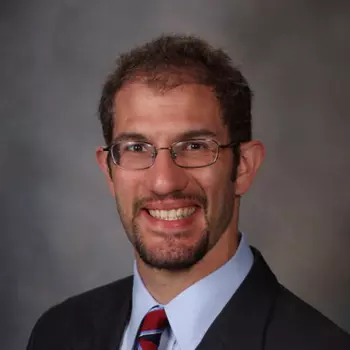
MN - Heart
Jacob Jentzer is a Cardiologist practicing medicine in Rochester, Minnesota. He has been practicing medicine for over 18 years. Dr. Jentzer is rated as an Elite provider by MediFind in the treatment of Cardiac Arrest. He is also highly rated in 20 other conditions, according to our data. His clinical expertise encompasses Cardiogenic Shock, Heart Attack, Cardiac Arrest, Percutaneous Coronary Intervention (PCI), and Thrombectomy.
Office
Eloi Marijon is a Cardiologist practicing medicine in Duncanville,, Texas. Dr. Marijon is rated as an Elite provider by MediFind in the treatment of Cardiac Arrest. He is also highly rated in 21 other conditions, according to our data. His clinical expertise encompasses Cardiac Arrest, Ventricular Fibrillation, Tetralogy of Fallot, Cardiac Ablation, and Patent Foramen Ovale Repair.
Most people do not survive cardiac arrest. If you have had a cardiac arrest, you are at high risk of having another. You will need to work closely with your providers to reduce your risk.
Cardiac arrest can cause some lasting health problems including:
- Brain injury
- Heart problems
- Lung conditions
- Infection
You may need ongoing care and treatment to manage some of these complications.
Call your provider or 911 or the local emergency number right away if you have:
- Chest pain
- Shortness of breath
The best way to protect yourself from cardiac arrest is to keep your heart healthy. If you have CHD or another heart condition, ask your provider how to reduce your risk for cardiac arrest.
Background: Bruton s tyrosine kinase inhibitors (BTKi) are used to treat a form of leukemia. But taking BTKi can also increase a person s risk of developing an abnormal heart rhythm. This can cause sudden death. In this natural history study, researchers want to learn how BTKi affects the heart.
Summary: In the United States, the current standard of prehospital (i.e. outside of hospitals) emergency care for children with life-threatening illnesses in the community includes remote physician support for paramedics providing life-saving therapy while transporting the child to the hospital. Most prehospital emergency medical services (EMS) agencies use radio-based (audio only) communication between pa...
Published Date: June 01, 2026
Published By: Thomas S. Metkus, MD, PhD, Associate Professor of Medicine and Surgery, Johns Hopkins University School of Medicine, Baltimore, MD. Also reviewed by David C. Dugdale, MD, Medical Director, Brenda Conaway, Editorial Director, and the A.D.A.M. Editorial team.
Goldberger JJ, Albert CM, Tomaselli GF. Cardiac arrest and sudden cardiac death. In: Bonow RO, Mann DL, Tomaselli GF, et al, eds. Braunwald's Heart Disease: A Textbook of Cardiovascular Medicine. 13th ed. Philadelphia, PA: Elsevier; 2026:chap 52.
Myerburg RJ, Lampert R. Cardiac arrest and life-threatening arrhythmias. In: Goldman L, Cooney KA, eds. Goldman-Cecil Medicine. 27th ed. Philadelphia, PA: Elsevier; 2024:chap 50.