The 20 Best Cerebral Amyloid Angiopathy Doctors Near Me in Maryland, US
Find the Top Cerebral Amyloid Angiopathy Experts and Specialists

Johns Hopkins Bayview Medical Center
Dr. Rafael Llinas serves as the Director of Neurology at the Johns Hopkins Bayview Medical Center. His clinical interests include acute stroke treatments, neurovascular imaging and migraine as related to cerebrovascular disease. He also serves as the associate director of the neurology residency program. He was instrumental in establishing the Johns Hopkins Bayview Medical Center Stroke Center. In 2005, in recognition of the Stroke Centers organizational efforts in stroke care, the institution was granted certification as a Primary Stroke Center by the Joint Commission on Accreditation of Healthcare Organizations. Dr. Llinas primary areas of research interests include diffusion-perfusion imaging of stroke, intravenous and intra-arterial thrombolysis for stroke, education of physicians and nurses in stroke identification and stroke care, stroke units and stroke centers. Dr. Rafael Llinas received his medical degree from the New York University School of Medicine. He completed a medical internship at the Boston City Hospital and was a neurology resident in the Harvard-Longwood neurology training program. Following his residency, he was a stroke and cerebrovascular disease fellow for two years at Beth Israel Hospital, Harvard University. Dr. Llinas is rated as a Distinguished provider by MediFind in the treatment of Cerebral Amyloid Angiopathy. He is also highly rated in 14 other conditions, according to our data. His clinical expertise encompasses Stroke, Cerebral Amyloid Angiopathy, Siderosis, Thrombectomy, and Gastrostomy. Dr. Llinas is board certified in American Board Of Psychiatry And Neurology.

Johns Hopkins Bayview Medical Center
Dr. Elisabeth Marsh's clinical interest is in cerebrovascular neurology, and her clinical research focuses on stroke outcomes and recovery. Her clinical responsibilities include attending on the inpatient Stroke Service at the Johns Hopkins Hospital and inpatient Neurology Service at the Johns Hopkins Bayview Medical Center. In 2014, Dr. Marsh was named the Medical Director of the Comprehensive Stroke Program at the Johns Hopkins Bayview Medical Center. She implemented the Bayview Stroke Intervention Clinic (BaSIC), a multi-disciplinary follow-up clinic designed to promote patient follow-up, reduce hospital readmission rates, and enhance post-stroke recovery. Her current focus is on the under-reported neurologic deficits (particularly with respect to depression, fatigue, and cognition) that significantly impair long-term functional outcome and patient satisfaction, despite scores on metrics such as the NIH stroke scale that indicate a “good recovery”. She leads a team of vascular neurologists, emergency medicine physicians, neurosurgeons, interventional neuroradiologists, neurointensivists, and rehabilitation specialists, who work together to provide the highest level of care to all stroke patients, resulting in better functional outcomes and improved quality of life. She is also interested in the treatment of acute stroke and intracranial hemorrhage. Her past work has included evaluation of the predictors of hemorrhagic transformation following ischemic stroke. Using multivariable regression, she created a model that predicts rate of hemorrhagic transformation in patients with acute stroke on anticoagulation, the Hemorrhage Risk Stratification (HeRS) score. The tool is available for free through Apple by searching 'Johns Hopkins HeRS score' in the App Store. Dr. Marsh is rated as an Advanced provider by MediFind in the treatment of Cerebral Amyloid Angiopathy. She is also highly rated in 7 other conditions, according to our data. Her clinical expertise encompasses Stroke, Apoplexy, Transient Ischemic Attack (TIA), Thrombectomy, and Gastrostomy. Dr. Marsh is board certified in American Board Of Psychiatry And Neurology.

Johns Hopkins Outpatient Center
Neurologist Michelle C. Johansen specializes in prevention and treatment of stroke. She is the inaugural Guy McKhann Associate Professor of Neurology — the title was established in honor of the founder of the Johns Hopkins Department of Neurology. Dr. Johansen’s research and clinical interests focus on stroke etiology and vascular contributions to cognitive decline. She studies the intersection between the brain and the heart, specifically how changes in the heart’s structure and function point toward the cause of stroke and impact brain health, including cognition. She received the American Stroke Association’s Vascular Cognitive Impairment Award for her work showing that myocardial infarction is associated with acute and progressive decline in cognition, the American Academy of Neurology’s A.B. Baker Teacher Recognition Award and the Johns Hopkins Department of Neurology’s Clinical Faculty Brain Award for excellence in teaching. She has received multiple grants to fund her research from the National Institute of Neurological Disorders and Stroke, the National Institute on Aging and the American Heart Association. Dr. Johansen’s work has been published in many high-ranking medical journals such as The Journal of the American Medical Association, and she has been interviewed as an expert for news outlets such as CNN and Medical News Today, as well as for webinars and podcasts. She is a member of the American Neurological Association and chair of its Education Innovation Committee, and she is a fellow of the American Heart Association. She received her medical degree from the Medical College of Virginia, where she was inducted into the Alpha Omega Alpha Honor Society, and she earned a postdoctoral degree in clinical investigation from the Johns Hopkins Bloomberg School of Public Health. Dr. Johansen completed a medicine internship and neurology residency at the University of Virginia, followed by a clinical fellowship in cerebrovascular neurology at Johns Hopkins. She joined the Johns Hopkins Department of Neurology faculty in 2017. The Johansen Lab: johansenlab.org Videos Johns Hopkins Medicine A Woman's Journey Executive Women's Briefing 2021 Neurology: Junior Faculty Spotlight. Dr. Johansen is rated as an Experienced provider by MediFind in the treatment of Cerebral Amyloid Angiopathy. She is also highly rated in 1 other condition, according to our data. Her clinical expertise encompasses Stroke, Dementia, Cerebral Amyloid Angiopathy, Apoplexy, and Thrombectomy. Dr. Johansen is board certified in American Board Of Psychiatry And Neurology.
Johns Hopkins Outpatient Center
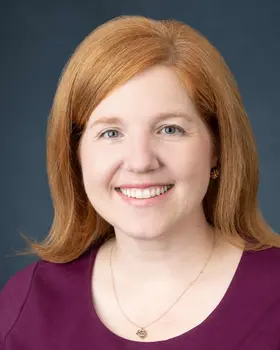
Dr. Sara Mixter is Assistant Professor of Medicine and Pediatrics at the Johns Hopkins University School of Medicine. Her areas of clinical expertise are internal medicine, pediatrics, and primary care for adults with developmental disabilities and other complex childhood-onset conditions. She is the director of the Hopkins PACT (Pediatric-informed Adult Care and Transition) Clinic. Dr. Mixter is also the medical director of the Pediatric Complex Care Collaborative (PC3) for the Johns Hopkins Children’s Center. Dr. Mixter received her A.B. from Harvard College. She earned her M.D. from Harvard Medical School and M.P.H. from the Harvard School of Public Health. She completed her residency at Johns Hopkins as part of the inaugural group of trainees in the Urban Health Combined Internal Medicine-Pediatrics Residency Program. Her research interests include transitions of care for adolescents with special healthcare needs and education for residents and medical students, especially in primary care and complex care. Dr. Mixter has served as the Assistant Chief of Service for the Longcope firm of the Osler Medical Housestaff Training Program (2015-16), as well as Assistant Program Director for Ambulatory Education (2014-15). Dr. Mixter is rated as an Experienced provider by MediFind in the treatment of Cerebral Amyloid Angiopathy. She is also highly rated in 1 other condition, according to our data. Her clinical expertise encompasses Cerebral Palsy, Gastroparesis, Orbital Cellulitis, and Sickle Cell Disease. Dr. Mixter is board certified in American Board Of Pediatrics and American Board Of Internal Medicine.

Johns Hopkins Health Care & Surgery Center — Bethesda
Steven Hsu, M.D., is a member of the Johns Hopkins Medicine Division of Cardiology, specializing in heart failure, mechanical circulatory support, and cardiac transplantation. Dr. Hsu received his undergraduate degree from Yale College followed by his medical degree from the Johns Hopkins University School of Medicine. He completed intern and residency training in internal medicine at the Johns Hopkins Hospital, where he also served as an Assistant Chief of Service for the Osler Medical Service. He then completed a clinical fellowship in cardiology and a post-doctoral fellowship in advanced heart failure/transplant at Hopkins. He is a faculty member of the American College of Cardiology. He sees patients with heart failure, mechanical circulatory support devices such as left ventricular assist devices, and cardiac transplants. In addition to caring for patients, Dr. Hsu runs an NIH R01-funded research lab studying the hemodynamic and cellular changes related to right ventricular failure in the setting of pulmonary hypertension and heart failure. Dr. Hsu is rated as an Experienced provider by MediFind in the treatment of Cerebral Amyloid Angiopathy. He is also highly rated in 3 other conditions, according to our data. His clinical expertise encompasses Heart Failure, Cardiomyopathy, Arrhythmogenic Right Ventricular Cardiomyopathy, and Pulmonary Hypertension. Dr. Hsu is board certified in American Board Of Internal Medicine.

Johns Hopkins Health Care & Surgery Center - Green Spring Station, Lutherville
Dr. Richard Leigh is an Assistant Professor of Neurology who is devoted to the diagnosis, treatment and prevention of cerebrovascular disease. He is an attending on the inpatient stroke service and an integral part of the Brain Attack Team. He also provides consultations and follow-up care for cerebrovascular disease in the outpatient setting. Dr. Richard Leigh was originally trained as a biomedical engineer at the Johns Hopkins University and subsequently went on to work at the National Institutes of Health where he developed brain imaging software. He then embarked on obtaining his medical degree from Case Western Reserve School of Medicine in his home town of Cleveland, Ohio. He completed his medical internship and neurology residency at New York Presbyterian Hospital Weill Cornell Medical Center where he received the Distinguished House Staff Award and was selected to be Chief Resident of Neurology. Returning to Johns Hopkins, he then completed a stroke fellowship and subsequently joined the faculty of the cerebrovascular division. Dr. Leigh currently sees patients at the Stroke Prevention Clinic, located in the Johns Hopkins Outpatient Center in Baltimore on Wednesday afternoons, and cares for patients in The Johns Hopkins Hospitals Brain Rescue Unit. Dr. Leigh is rated as an Experienced provider by MediFind in the treatment of Cerebral Amyloid Angiopathy. His clinical expertise encompasses Stroke, Primary Localized Cutaneous Amyloidosis, Cardiac Amyloidosis, and Cerebral Amyloid Angiopathy. Dr. Leigh is board certified in American Board Of Psychiatry And Neurology.

Neurology Consultants - Columbia
Merrill Ansher is a Neurologist practicing medicine in Columbia, Maryland. Dr. Ansher is rated as an Experienced provider by MediFind in the treatment of Cerebral Amyloid Angiopathy. He is also highly rated in 10 other conditions, according to our data. His clinical expertise encompasses Seizures, Familial Neurocardiogenic Syncope, Delirium, and Generalized Tonic-Clonic Seizure. Dr. Ansher is board certified in American Board Of Psychiatry And Neurology and American Board Of Internal Medicine.

Johns Hopkins Outpatient Center
Dr. Argye Hillis is a professor of Neurology, with joint faculty appointments in Physical Medicine and Rehabilitation and in Cognitive Science. She is also the Sheikh Khalifa Stroke Institute Professor of Acute Stroke Diagnoses and Management. Prior to medical training and neurology residency, Dr. Hillis worked as a speech-language pathologist, and conducted clinical research focusing on understanding and treating aphasia and hemispatial neglect. She has brought these areas of experience to impact on her clinical research in neurology, which involves cognitive and neuroimaging studies of aphasia and hemispatial neglect due to acute stroke and focal dementias. She has published extensively on these topics in journals and textbooks. Dr. Hillis is Associate Editor of Stroke and has served as Associate editor of Brain, Annals of Neurology, Aphasiology, American Journal of Speech-Language Pathology, Neurocase, Cognitive Neuropsychology, and Language and Cognitive Processes and served as co-Editor and Chief of Behavioral Neurology. Dr. Hillis serves as the Executive Vice Chair of the Department of Neurology and the Director of the Cerebrovascular Division of Neurology at Johns Hopkins. Dr. Hillis is rated as an Experienced provider by MediFind in the treatment of Cerebral Amyloid Angiopathy. She is also highly rated in 11 other conditions, according to our data. Her clinical expertise encompasses Primary Progressive Aphasia, Stroke, Frontotemporal Dementia, Thrombectomy, and Gastrostomy. Dr. Hillis is board certified in American Board Of Psychiatry And Neurology.

Johns Hopkins Bayview Medical Center
1988-1992, Assistant Professor, Department of Pharmacology, Semmelweis Medical University, Budapest, Hungary. 1992-1996, Instructor, Department of Anesthesiology and Critical Care Medicine, Johns Hopkins University School of Medicine, Baltimore, MD. 2001-2014, Assistant Professor, Division of Geriatric Medicine and Gerontology, Johns Hopkins University School of Medicine, Baltimore, MD. 2012-2014, Assistant Professor, Department of Neurology, Johns Hopkins University School of Medicine, Baltimore, MD. 2014-present, Associate Professor, Division of Geriatric Medicine and Gerontology, Johns Hopkins University School of Medicine, Baltimore, MD. 2014-present, Department of Neurology, Johns Hopkins University School of Medicine, Baltimore, MD. Dr. Yasar is rated as an Experienced provider by MediFind in the treatment of Cerebral Amyloid Angiopathy. She is also highly rated in 6 other conditions, according to our data. Her clinical expertise encompasses Normal Pressure Hydrocephalus, Congenital Cardiovascular Shunt, Dementia, and Alzheimer's Disease. Dr. Yasar is board certified in American Board Of Internal Medicine.

The Johns Hopkins Hospital
Dr. Rakhi P. Naik is the Associate Director for the Division of Hematology at Johns Hopkins University. She also serves as Director of the Fellowship Hematology Track and Director of Organ Systems Foundation of Medicine (OSFM), the largest pre-clerkship course in the medical school. She holds an undergraduate degree in Biomedical & Electrical Engineering from Duke University, an M.D. with. Dr. Naik is rated as an Experienced provider by MediFind in the treatment of Cerebral Amyloid Angiopathy. She is also highly rated in 17 other conditions, according to our data. Her clinical expertise encompasses Sickle Cell Disease, Congenital Hemolytic Anemia, Hemolytic Anemia, and Hemoglobinopathy. Dr. Naik is board certified in American Board Of Internal Medicine.

Johns Hopkins Bayview Medical Center
Dr. Halima Amjad is an Associate Professor of Medicine at the Johns Hopkins University School of Medicine. Her clinical expertise in geriatric medicine focuses on the diagnosis, treatment, and care for individuals living with dementia. Dr. Amjad earned her M.D. and Master’s of Public Health from Drexel University. She completed her residency and chief residency in internal medicine at Yale-New Haven Hospital and a fellowship in geriatric medicine and gerontology at Johns Hopkins University School of Medicine. She joined the faculty of Johns Hopkins in 2016. She completed a PhD in Clinical Investigation at the Johns Hopkins University Bloomberg School of Public Health in 2022. She conducts health services research focuses on informing and improving the care of older adults with dementia with research into underdiagnosis, hospitalization, and primary care in dementia. Recent News Articles and Media Coverage Doyle K. Older adults with probable dementia often take part in unsafe activities. Reuters, June 3, 2016 Many people who have dementia don’t know it. Here’s who’s most at risk, The Philadelphia Inquirer, July 23, 2018 With cognitive impairment, older adults struggle with — and face risks from — smartphones, computers. Washington Post, (October 13, 2019). Dr. Amjad is rated as an Experienced provider by MediFind in the treatment of Cerebral Amyloid Angiopathy. She is also highly rated in 5 other conditions, according to our data. Her clinical expertise encompasses Dementia, Alzheimer's Disease, Cerebellar Degeneration, and Frontotemporal Dementia. Dr. Amjad is board certified in American Board Of Internal Medicine.

The Johns Hopkins Hospital
Eric Aldrich, M.D., Ph.D. is the director of Inpatient Neurological Services and medical director of the Johns Hopkins Howard County Stroke Center. He does not currently see patients who are not in the hospital. At Johns Hopkins, Dr. Aldrich developed The Johns Hopkins Hospital Stroke Center and served as its medical director for 10 years. In addition, he was the physician adviser for the Department of Neurology. Between 2010 and 2016, he served as the vice president of medical affairs at Howard County General Hospital, also helping to establish its local stroke program. Dr. Aldrich is a strong advocate for improving the quality of care and life for stroke patients and their families. Dr. Aldrich is rated as an Experienced provider by MediFind in the treatment of Cerebral Amyloid Angiopathy. He is also highly rated in 2 other conditions, according to our data. His clinical expertise encompasses Stroke, Transient Ischemic Attack (TIA), Opsoclonus-Myoclonus Syndrome, and Generalized Tonic-Clonic Seizure. Dr. Aldrich is board certified in American Board Of Psychiatry And Neurology.

The Johns Hopkins Hospital
Dr. John Krakauer is a Professor of Neurology and Neuroscience, and Director of the Center for the Study of Motor Learning and Brain Repair at Johns Hopkins. Dr. Krakauer's clinical interest is stroke, including ischemic cerebrovascular disease, subarachnoid and intracerebral hemorrhage, arteriovenous malformation, cerebral vasculitis, cerebral aneurysm, and venous and sinus thrombosis. He received his bachelor's and master's degree from Cambridge University, and his medical degree from Columbia University College of Physicians and Surgeons where he was elected to Alpha Omega Alpha Medical Honor Society. After completing an internship in Internal Medicine at The Johns Hopkins Hospital, he returned to Columbia University for his residency in Neurology at the Neurological Institute of New York. He subsequently completed a research fellowship in motor control in the Center of Neurobiology and Behavior at Columbia and a clinical fellowship in stroke at the Neurological Institute at Columbia University Medical Center. Videos I Am Dolphin The Johns Hopkins Hospital Comprehensive Stroke Center Recent News Articles and Media Coverage Helping Hand: Robots, video games, and a radical new approach to treating stroke patients. New Yorker (11/23/15) Watch: How stroke patients can rewire their brains, STAT (11/13/2015) Hopkins' new video game may pave way for stroke therapy, Baltimore Sun (10/15/2014) “I Am Dolphin”: where dolphins, gaming and neuroscience meet, Washington Post (10/10/2014) Could a video game be the key to stroke recovery? National Geographic (9/30/2014) Becoming the Dolphin, Health Canal (08/10/2014) Research On Video Games And Mental Health, NPR's Diane Rehm Show (11/27/2013). Dr. Krakauer is rated as an Experienced provider by MediFind in the treatment of Cerebral Amyloid Angiopathy. He is also highly rated in 1 other condition, according to our data. His clinical expertise encompasses Stroke, Primary Lateral Sclerosis, Spasticity, Amyotrophic Lateral Sclerosis (ALS or Lou Gehrig's Disease), and Gastrostomy.
The Johns Hopkins Hospital
Romanus Faigle is a Neurologist practicing medicine in Baltimore, Maryland. He has been practicing medicine for over 18 years. Dr. Faigle is rated as an Experienced provider by MediFind in the treatment of Cerebral Amyloid Angiopathy. He is also highly rated in 2 other conditions, according to our data. His clinical expertise encompasses Stroke, Transient Ischemic Attack (TIA), Apoplexy, Gastrostomy, and Stent Placement. Dr. Faigle is board certified in American Board Of Psychiatry And Neurology.
The Johns Hopkins Hospital
Dr. Mona Bahouth is a stroke neurologist and researcher specializing in patient-centered approaches to enhancing early stroke recovery. Dr. Bahouth earned her MSN at Syracuse University, her MD at the University of Maryland, and her PhD from the Johns Hopkins University. She completed her residency in neurology at The Johns Hopkins Hospital, followed by a cerebrovascular fellowship at that institution. Her work focuses on innovative solutions to optimizing systems of care in the early stroke recovery period. Dr. Bahouth is rated as an Experienced provider by MediFind in the treatment of Cerebral Amyloid Angiopathy. She is also highly rated in 3 other conditions, according to our data. Her clinical expertise encompasses Stroke, Cerebral Arteriovenous Malformation, Transient Ischemic Attack (TIA), Gastrostomy, and Thrombectomy. Dr. Bahouth is board certified in American Board Of Psychiatry And Neurology.
The Johns Hopkins Hospital
Ravin Garg is a Hematologist Oncology specialist and an Oncologist practicing medicine in Baltimore, Maryland. Dr. Garg is rated as an Experienced provider by MediFind in the treatment of Cerebral Amyloid Angiopathy. He is also highly rated in 58 other conditions, according to our data. His clinical expertise encompasses Large-Cell Immunoblastic Lymphoma, Paget Disease of the Breast, Breast Cancer, and Thrombotic Thrombocytopenic Purpura. Dr. Garg is board certified in American Board Of Internal Medicine.
Eastern Shore Medical Center PA
Yogesh Vohra is a primary care provider, practicing in Internal Medicine in Salisbury, Maryland. Dr. Vohra is rated as an Experienced provider by MediFind in the treatment of Cerebral Amyloid Angiopathy. He is also highly rated in 87 other conditions, according to our data. His clinical expertise encompasses COVID-19, Glucocorticoid-Remediable Aldosteronism, Hypertension, Gastrostomy, and Endoscopy.
Richard D. Maffezzoli LLC
Albert Deloskey is a primary care provider, practicing in Internal Medicine in Towson, Maryland. Dr. Deloskey is rated as an Experienced provider by MediFind in the treatment of Cerebral Amyloid Angiopathy. He is also highly rated in 11 other conditions, according to our data. His clinical expertise encompasses High Cholesterol, Familial Combined Hyperlipidemia, Xanthoma, and Cirrhosis.
Comprehensive Neurology Services P.A.
Shahid Rafiq is a Neurologist practicing medicine in Frederick, Maryland. Dr. Rafiq is rated as an Experienced provider by MediFind in the treatment of Cerebral Amyloid Angiopathy. He is also highly rated in 18 other conditions, according to our data. His clinical expertise encompasses Transient Ischemic Attack (TIA), Seizures, Stroke, Migraine, and Thrombectomy.
Office
John Abel is a primary care provider, practicing in Internal Medicine in Westminster, Maryland. Dr. Abel is rated as an Experienced provider by MediFind in the treatment of Cerebral Amyloid Angiopathy. He is also highly rated in 52 other conditions, according to our data. His clinical expertise encompasses High Cholesterol, Glucocorticoid-Remediable Aldosteronism, Hypertension, and Familial Hypertension.
Last Updated: 06/30/2026