Chiari Malformation Type 2Symptoms, Doctors, Treatments, Advances & More
Learn About Chiari Malformation Type 2
- Chiari malformation type 2
- Arnold Chiari malformation type II
- Arnold-Chiari malformation
- Chiari malformation type II
- Chiari type II malformation

Duke Cancer Center Brain Tumor Clinic
I am a neurosurgeon and care for children and young adults. I focus on minimally invasive approaches to improve the quality of life of my patients. Your patient experience is very important to me, and I will strive to provide the best possible care for you and your family. I will always go the extra mile to try to improve your care. I care for conditions that affect the brain and spine, including tumors, epilepsy, Chiari malformations, hydrocephalus, craniosynostosis, vascular conditions such as AVMs and Moya Moya disease, and complex tethered cords. I learn so much from my patients and really look forward to getting to know all of them. I strive to bring the best collaborative team to the table to achieve the best possible outcome. I am delighted to provide the most innovative, holistic, and compassionate neurosurgical care at Duke Health. I am also a professor and Chair of the Department of Neurosurgery. Dr. Grant is rated as an Elite provider by MediFind in the treatment of Chiari Malformation Type 2. He is also highly rated in 32 other conditions, according to our data. His clinical expertise encompasses Chiari Malformation Type 2, Medulloblastoma, Syringomyelia, Posterior Fossa Decompression, and Osteotomy. Dr. Grant is board certified in American Board Of Neurological Surgery, Focused Practice Pediatric Neurological Surgery and American Board Of Neurological Surgery, Neurological Surgery.

Johns Hopkins Outpatient Center
Dr. Mark Luciano is the director of the Johns Hopkins Hydrocephalus and Cerebral Fluid Center. A renowned leader in treating hydrocephalus, Dr. Luciano is distinguished both nationally and internationally for his research and educational and clinical work in neuroendoscopy. Dr. Luciano treats adults with hydrocephalus, pseudotumor cerebri, intracranial hypotension, Chiari malformations, and cerebral and spinal cysts. He has significant expertise treating children and adults with cerebrospinal fluid leaks and congenital disorders. Among his accomplishments in neuroscience research and biomedical engineering are his investigation of the cerebrovascular response to hydrocephalus and the invention of a unique device for control of intracranial pressure (ICP) pulsatility to increase blood flow. His National Institutes of Health-funded studies have explored prolonged compression and hypoxia in the brain as a result of hydrocephalus, as well as the interaction between cerebrospinal fluid and vascular systems. Dr. Luciano is rated as an Elite provider by MediFind in the treatment of Chiari Malformation Type 2. He is also highly rated in 25 other conditions, according to our data. His clinical expertise encompasses Hydrocephalus, Normal Pressure Hydrocephalus, Increased Intracranial Pressure, Posterior Fossa Decompression, and Stent Placement. Dr. Luciano is board certified in American Board Of Neurological Surgery.
C. S. Mott Children's Hospital
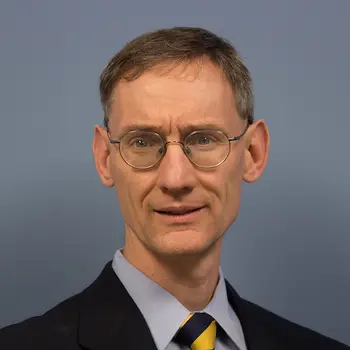
Hugh Garton is a Neurosurgery provider practicing medicine in Ann Arbor, Michigan. Dr. Garton is rated as an Elite provider by MediFind in the treatment of Chiari Malformation Type 2. He is also highly rated in 72 other conditions, according to our data. His clinical expertise encompasses Chiari Malformation, Chiari Malformation Type 1, Chiari Malformation Type 2, Posterior Fossa Decompression, and Gamma Knife Radiosurgery. Dr. Garton is board certified in Neurological Surgery.
Summary: The severity of sleep disorders in patients with Chiari malformations can vary. The investigators propose to establish a correlation between the severity of sleep-disordered breathing (SDB) and the quantitative neuroradiological data of the airways, cranial base foramina, and posterior cranial fossae
Published Date: May 02, 2022
Published By: Genetic and Rare Diseases Informnation Center