Cockayne Syndrome Type 2Symptoms, Doctors, Treatments, Advances & More
Learn About Cockayne Syndrome Type 2
- Cockayne syndrome type II
- Cockayne syndrome type 2
- Cockayne syndrome type 2
- Cockayne syndrome type B
Nadege Calmels practices practicing medicine in Strasbourg, France. Ms. Calmels is rated as an Elite expert by MediFind in the treatment of Cockayne Syndrome Type 2. She is also highly rated in 11 other conditions, according to our data. Her clinical expertise encompasses Cockayne Syndrome, Cockayne Syndrome Type 1, Cockayne Syndrome Type 2, and Pena-Shokeir Syndrome Type 2.
Indian River Health Services Inc
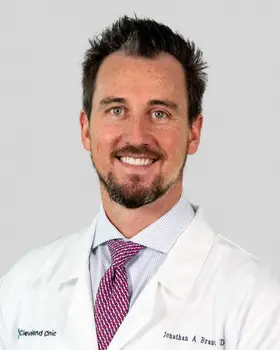
Jonathan Braue is a Dermatologist practicing medicine in Vero Beach, Florida. Dr. Braue is rated as an Experienced provider by MediFind in the treatment of Cockayne Syndrome Type 2. He is also highly rated in 56 other conditions, according to our data. His clinical expertise encompasses Sunburn, Actinic Keratosis, Warts, and Seborrheic Keratosis. Dr. Braue is board certified in American Board Of Dermatology, 2019. Dr. Braue is currently accepting new patients.

Reading Hospital
Alan Chelius is a primary care provider, practicing in Family Medicine in West Reading, Pennsylvania. Dr. Chelius is rated as an Experienced provider by MediFind in the treatment of Cockayne Syndrome Type 2. He is also highly rated in 5 other conditions, according to our data. His clinical expertise encompasses Glucocorticoid-Remediable Aldosteronism, Hypertension, Familial Hypertension, and Infant Hyperglycemia. Dr. Chelius is board certified in American Board Of Family Medicine. Dr. Chelius is currently accepting new patients.
Summary: The Myelin Disorders Biorepository Project (MDBP) seeks to collect and analyze clinical data and biological samples from leukodystrophy patients worldwide to support ongoing and future research projects. The MDBP is one of the world's largest leukodystrophy biorepositories, having enrolled nearly 2,000 affected individuals since it was launched over a decade ago. Researchers working in the biorepo...
Summary: CoRDS, or the Coordination of Rare Diseases at Sanford, is based at Sanford Research in Sioux Falls, South Dakota. It provides researchers with a centralized, international patient registry for all rare diseases. This program allows patients and researchers to connect as easily as possible to help advance treatments and cures for rare diseases. The CoRDS team works with patient advocacy groups, in...
Published Date: May 02, 2022
Published By: Genetic and Rare Diseases Informnation Center