Desmoid Tumor Treatments
Find Desmoid Tumor Treatments
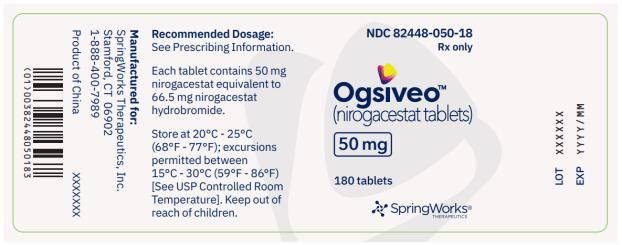
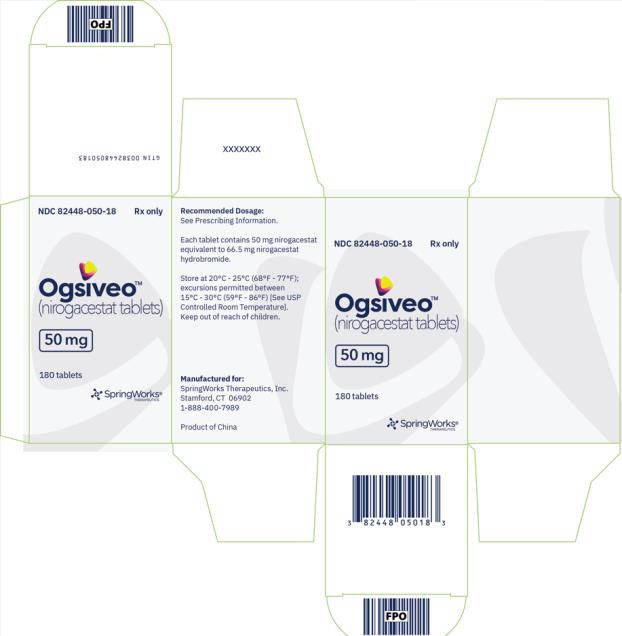
Ogsiveo
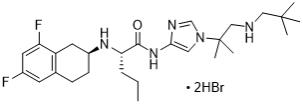
What is Ogsiveo (Nirogacestat)?
For people living with desmoid tumors, everyday activities can become painful and unpredictable. These rare, noncancerous growths can press on nearby organs, muscles or nerves, leading to chronic discomfort and movement limitations. Until recently, treatment options were limited and often invasive, including surgery or broad chemotherapy.
Ogsiveo (generic name: nirogacestat) is a breakthrough medication that offers a targeted, non-surgical approach for adults with desmoid tumors that cannot be removed easily or are likely to grow back. Approved by the U.S. Food and Drug Administration (FDA) in November 2023, Ogsiveo belongs to a newer class of drugs called gamma secretase inhibitors, which specifically target molecular pathways involved in desmoid tumor growth.
This approval marked a major step forward in desmoid tumor management, giving patients a safer and more effective way to control their disease and improve quality of life.
What does Ogsiveo do?
Ogsiveo is used to treat adults with desmoid tumors (also known as aggressive fibromatosis) who are inoperable. Desmoid tumors, while non-metastatic, tend to grow aggressively and invade nearby tissues, causing pain and functional impairment.
By slowing or stopping tumor growth, Ogsiveo helps relieve symptoms such as pain, stiffness and restricted mobility. In many patients, the drug can even shrink the tumor over time, reducing the need for surgery or radiation.
In a major clinical trial (DeFi Study, 2023), Ogsiveo demonstrated impressive results:
- Tumor shrinkage was seen in about 40% of patients treated with Ogsiveo versus 8% in the placebo group.
- The risk of tumor progression was reduced by nearly 70% compared to placebo.
- Many participants reported improved physical function and less pain, contributing to better daily comfort and quality of life.
These findings highlight Ogsiveo’s value as a targeted therapy that can control tumor behavior without damaging surrounding tissue, a critical advantage for patients who want to avoid repeated surgeries.
How does Ogsiveo work?
Ogsiveo works by blocking the gamma secretase enzyme, which plays a key role in activating the Notch signaling pathway. This pathway is often overactive in desmoid tumors, leading to uncontrolled cell growth.
By inhibiting gamma secretase, Ogsiveo helps reduce the abnormal signaling that drives tumor formation and expansion. In simpler terms, it “switches off” one of the main growth signals that keeps these tumors alive and expanding.
Clinically, this targeted mechanism is important because it allows Ogsiveo to attack the tumor’s underlying biology rather than merely slowing growth. Unlike chemotherapy, which affects both healthy and abnormal cells, Ogsiveo’s selective action helps minimize damage to normal tissues, resulting in better tolerance and fewer systemic side effects.
Ogsiveo side effects
Most patients tolerate Ogsiveo well, but like any prescription drug, it can cause side effects. These vary in intensity and duration and often improve as the body adjusts to the medication.
Common side effects include:
- Diarrhea
- Nausea
- Fatigue
- Abdominal pain
- Decreased appetite
Less common but important side effects:
- Low phosphate levels (hypophosphatemia)
- Mouth ulcers
- Hair thinning or loss
- Skin rash
Serious side effects (seek medical attention):
- Signs of allergic reaction such as swelling, rash or difficulty breathing
- Persistent severe diarrhea leading to dehydration
- Severe fatigue or weakness
Because Ogsiveo can affect fertility and ovarian function, women of childbearing potential should discuss family planning before starting therapy. Your healthcare provider may also recommend periodic lab tests to check blood chemistry and organ function throughout treatment.
Patients should not take Ogsiveo during pregnancy, as it may harm the unborn baby, and should use effective birth control during and for some time after treatment, as advised by their doctor.
Ogsiveo dosage
Ogsiveo is taken orally in tablet form, usually twice daily. It can be taken with or without food, but consistency in timing helps maintain stable drug levels in the body.
Your doctor will determine the appropriate dose based on your condition, tolerance, and response. If side effects occur, the dosage may be adjusted temporarily or permanently.
Monitoring during treatment may include:
- Blood tests to check electrolyte levels (especially phosphate and calcium)
- Liver function tests to ensure safe metabolism of the drug
- Periodic imaging (MRI or CT scans) to evaluate tumor size and treatment response
These assessments help your healthcare team ensure that Ogsiveo remains effective and safe for long-term use.
Older adults and people with existing liver or gastrointestinal conditions may require closer observation, as their bodies may process the drug differently.
Does Ogsiveo have a generic version?
As of 2025, Ogsiveo (nirogacestat) does not have an FDA-approved generic version. It is currently available only as the brand-name product manufactured by SpringWorks Therapeutics.
Because the medication was only recently approved, it will likely take several years before a generic version becomes available. However, SpringWorks and various patient-assistance programs may help eligible individuals access the medication at reduced cost.
When generics are eventually available, they will be required to meet the same safety and efficacy standards as Ogsiveo, ensuring equal performance and therapeutic effect.
Conclusion
Ogsiveo represents a major milestone in the treatment of desmoid tumors, providing a long-needed, non-surgical option that targets the condition at its source. By blocking tumor-promoting pathways, it helps control or even shrink these aggressive growths, allowing patients to experience fewer symptoms and a better quality of life.
Most people tolerate Ogsiveo well, and its oral form makes it convenient for long-term management. Regular follow-up with a healthcare provider ensures the drug remains safe and effective throughout treatment.
When prescribed and monitored by a qualified medical professional, Ogsiveo offers new hope for patients with desmoid tumors, helping them regain comfort, mobility and confidence in daily life.
References
- U.S. Food and Drug Administration (FDA). (2023). FDA approves Ogsiveo (nirogacestat) for desmoid tumors. Retrieved from https://www.fda.gov
- Mayo Clinic. (2024). Desmoid tumor: Symptoms and treatment. Retrieved from https://www.mayoclinic.org
- National Cancer Institute (NCI). (2024). Desmoid tumors and new targeted therapies. Retrieved from https://www.cancer.gov
- MedlinePlus. (2024). Nirogacestat – Drug information. Retrieved from https://medlineplus.gov
Approved To Treat


Related Clinical Trials
Summary: To learn about the safety and effects of an investigational drug called nirogacestat when given to participants with a desmoid tumor/aggressive fibromatosis
Summary: This study is being conducted to study how nirogacestat may affect the ovarian function of adult premenopausal women with progressing desmoid tumors/aggressive fibromatosis.
Summary: This study is researching an experimental drug called linvoseltamab in combination with other drugs for the treatment of a blood cancer called multiple myeloma. Linvoseltamab has previously been studied as a single agent (without other cancer treatments) in participants with multiple myeloma that returned after prior therapies and needed to be treated again. In the initial study, some participants...
Related Latest Advances
Brand Information
- Diarrhea
- Ovarian Toxicity
- Hepatotoxicity
- Non-Melanoma Skin Cancers
- Electrolyte Abnormalities
- Hypersensitivity Reactions