Diastrophic DysplasiaSymptoms, Doctors, Treatments, Advances & More
Learn About Diastrophic Dysplasia
Diastrophic dysplasia is a disorder of cartilage and bone development. Affected individuals have short stature with very short arms and legs. Most also have early-onset joint pain (osteoarthritis) and joint deformities called contractures, which restrict movement. These joint problems often make it difficult to walk and tend to worsen with age. Additional features of diastrophic dysplasia include an inward- and upward-turning foot (clubfoot), progressive abnormal curvature of the spine, and unusually positioned thumbs (hitchhiker thumbs). About half of infants with diastrophic dysplasia are born with an opening in the roof of the mouth (a cleft palate). Swelling of the external ears is also common in newborns and can lead to thickened, deformed ears.
Diastrophic dysplasia is one of several skeletal disorders caused by mutations in the SLC26A2 gene. This gene provides instructions for making a protein that is essential for the normal development of cartilage and for its conversion to bone. Cartilage is a tough, flexible tissue that makes up much of the skeleton during early development. Most cartilage is later converted to bone, except for the cartilage that continues to cover and protect the ends of bones and is present in the nose and external ears. Mutations in the SLC26A2 gene alter the structure of developing cartilage, preventing bones from forming properly and resulting in the skeletal problems characteristic of diastrophic dysplasia.
Although the exact prevalence of diastrophic dysplasia is unknown, researchers estimate that it affects about 1 in 500,000 newborns in the United States. This condition is more common in Finland, where it affects about 1 in 33,000 newborns.
This condition is inherited in an autosomal recessive pattern, which means both copies of the gene in each cell have mutations. The parents of an individual with an autosomal recessive condition each carry one copy of the mutated gene, but they typically do not show signs and symptoms of the condition.
Andrea Furga-Superti practices practicing medicine in Lausanne, Switzerland. Ms. Furga-Superti is rated as an Elite expert by MediFind in the treatment of Diastrophic Dysplasia. She is also highly rated in 39 other conditions, according to our data. Her clinical expertise encompasses Diastrophic Dysplasia, Achondrogenesis, Acromesomelic Dysplasia, and Acromesomelic Dysplasia Campailla Martinelli Type.
Chiara Paganini practices practicing medicine in Pavia, Italy. Ms. Paganini is rated as an Elite expert by MediFind in the treatment of Diastrophic Dysplasia. She is also highly rated in 4 other conditions, according to our data. Her clinical expertise encompasses Diastrophic Dysplasia, Desbuquois Syndrome, Polydactyly, and Acromicric Dysplasia.
Nemours Children's Hospital, Delaware
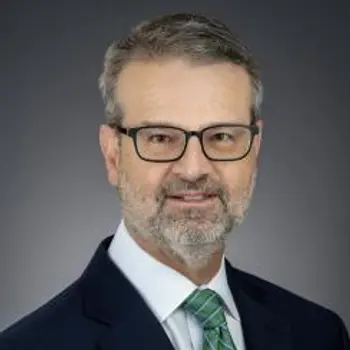
Dr. Jeffery Campbell has been a pediatric neurosurgeon at Nemours for 20 years. His most notable work is with kids that have skeletal dysplasia and he acts as the neurosurgical component of our larger skeletal dysplasia program at Nemours. Most of his research has been in dwarfism and osteogenesis imperfecta (OI). Prior to Nemours, he worked in a private practice in Charleston, SC. When I was in medical school, I knew that I wanted to do something “brain-related.” During my fourth year, I did a neurology rotation and thoroughly enjoyed the immediate feedback of surgery. I split my residency time between pediatric and adult hospitals, but quickly realized that I loved working with kids. I was able to see kids get better and found the impact I had on them gratifying. My goal as a doctor is to have a long-term impact on someone’s life and treating kids was my path to do just that. I am passionate about providing the best possible care for all children. I enjoy being on the cutting edge of treating rare problems on the skeletal dysplasia spectrum and I take pride in people traveling to Nemours from all over the country to seek such treatment. I love that I can do things that can’t be done anywhere else. I believe that health care should be a team sport. I always advocate for team approaches, especially with complicated cases. I actively create multidisciplinary teams for many of my patients to give them the very best care. Dr. Campbell is rated as a Distinguished provider by MediFind in the treatment of Diastrophic Dysplasia. He is also highly rated in 80 other conditions, according to our data. His clinical expertise encompasses Achondroplasia, Increased Head Circumference, Diastrophic Dysplasia, Bone Graft, and Adenoidectomy. Dr. Campbell is board certified in American Board Of Neurological Surgery.
Published Date: June 01, 2020
Published By: National Institutes of Health