DysfibrinogenemiaSymptoms, Doctors, Treatments, Advances & More
Learn About Dysfibrinogenemia
- Dysfibrinogenemia
- Congenital dysfibrinogenemia
- Dysfibrinogenemia, familial
- Familial dysfibrinogenemia
Reading Hospital Cardiology - West Reading
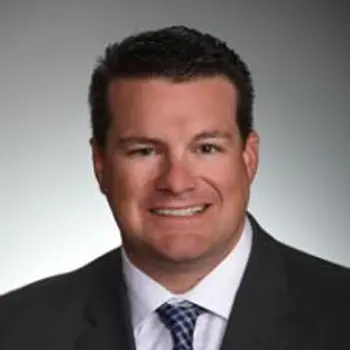
Robert Dendall is a Cardiologist practicing medicine in West Reading, Pennsylvania. Dr. Dendall is rated as an Advanced provider by MediFind in the treatment of Dysfibrinogenemia. He is also highly rated in 43 other conditions, according to our data. His clinical expertise encompasses Heart Failure with Preserved Ejection Fraction (HFpEF), Heart Failure, Pulmonary Edema, and Atrial Fibrillation. Dr. Dendall is board certified in American Osteopathic Board Of Internal Medicine.
Alessandro Casini practices practicing medicine in Geneve, Switzerland. Mr. Casini is rated as an Elite expert by MediFind in the treatment of Dysfibrinogenemia. He is also highly rated in 11 other conditions, according to our data. His clinical expertise encompasses Dysfibrinogenemia, Familial Hypofibrinogenemia, Congenital Afibrinogenemia, Blood Clots, and Bone Marrow Transplant.
Marguerite Arbez-Neerman practices practicing medicine in Geneve, Switzerland. Ms. Arbez-Neerman is rated as an Elite expert by MediFind in the treatment of Dysfibrinogenemia. She is also highly rated in 7 other conditions, according to our data. Her clinical expertise encompasses Familial Hypofibrinogenemia, Congenital Afibrinogenemia, Dysfibrinogenemia, and Blood Clots.
Published Date: May 02, 2022
Published By: Genetic and Rare Diseases Informnation Center