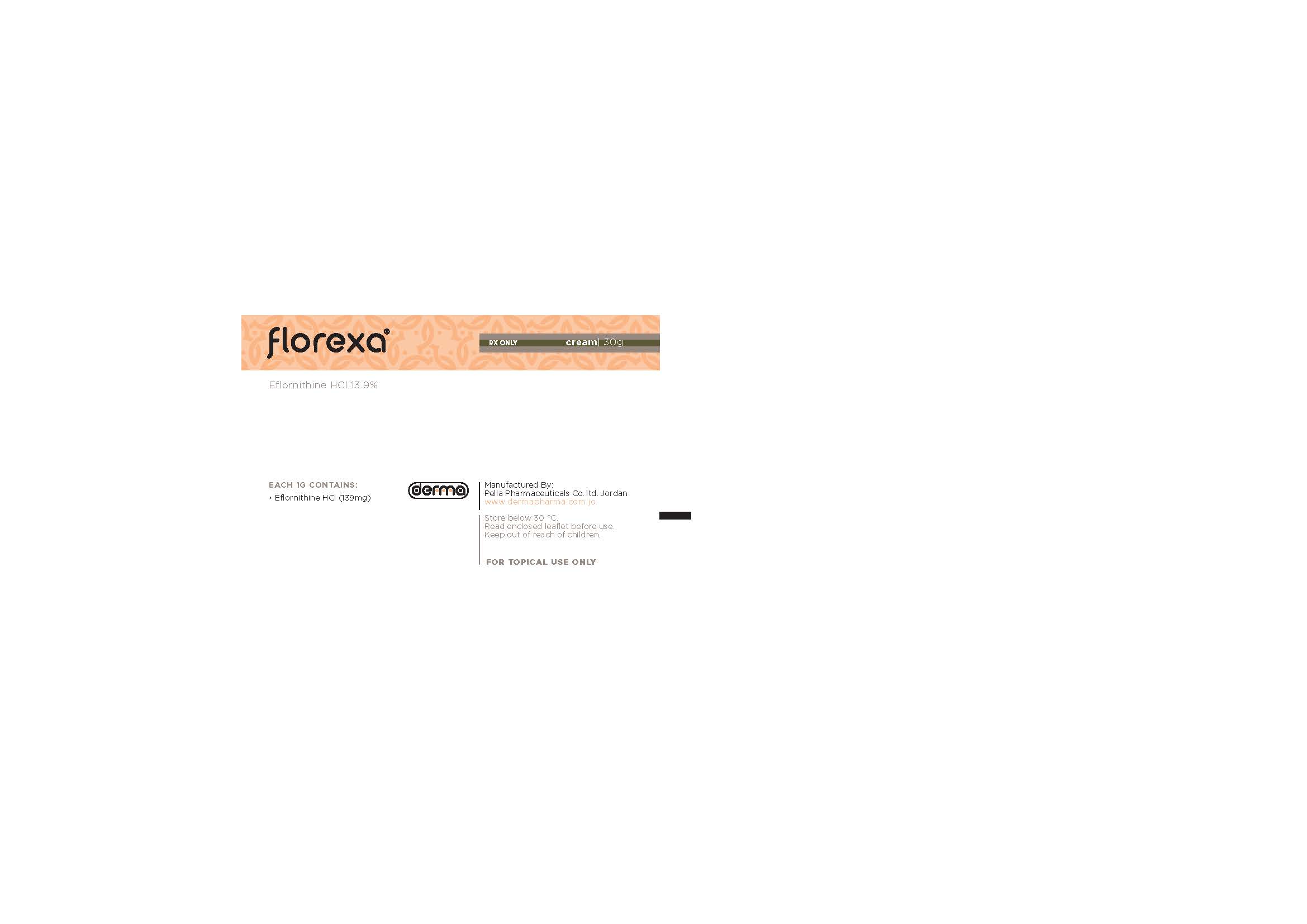
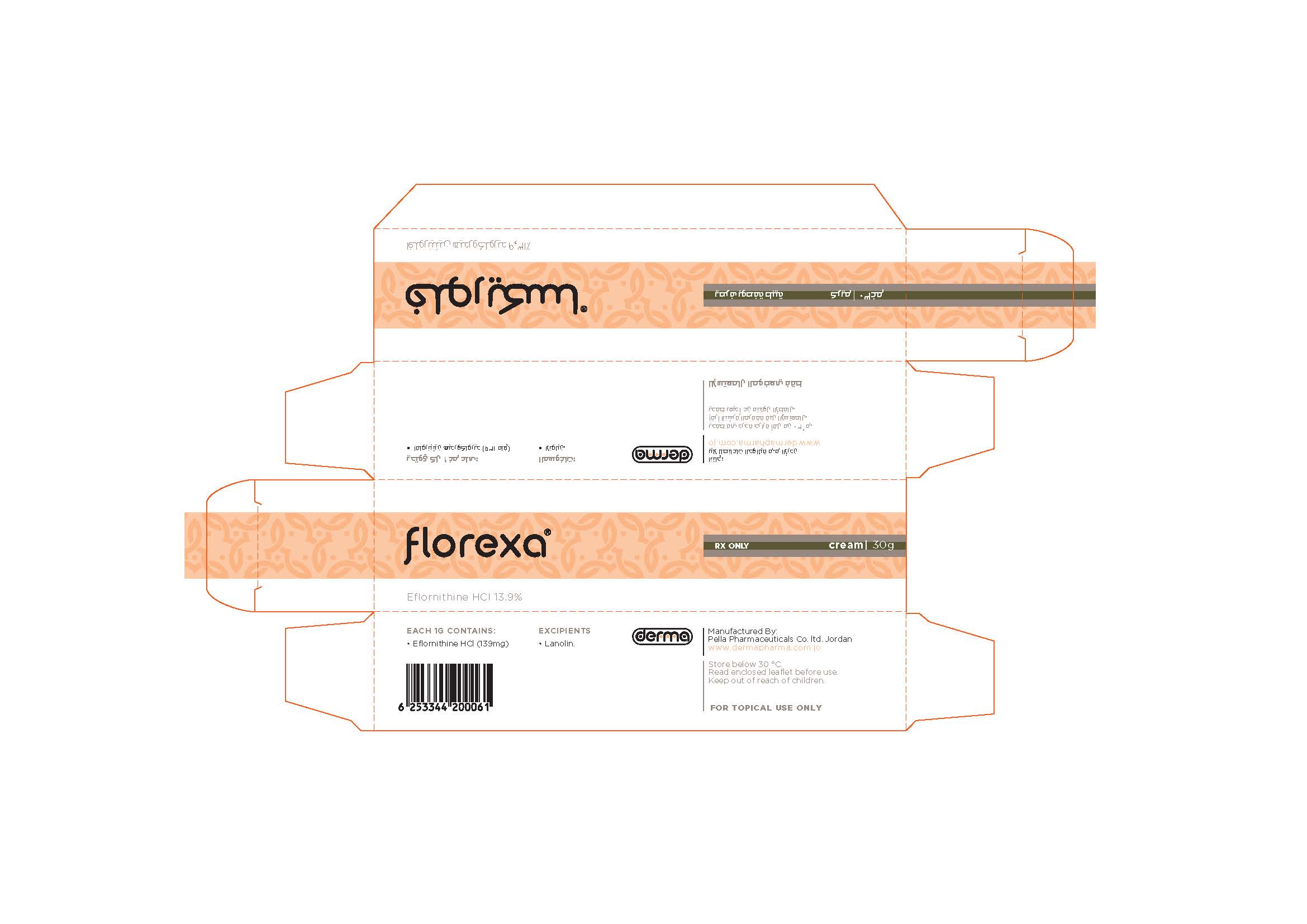
Eflornithine
What is Florexa (Eflornithine)?
For many women, dealing with unwanted facial hair, a condition known as hirsutism, can be a source of constant frustration and self-consciousness. The daily routines of plucking, waxing or shaving can feel like a never-ending battle. While these methods remove hair, they don’t address the rate at which it grows back. For those seeking a different approach, Eflornithine cream offers a medical solution to help manage this condition.
Eflornithine is a prescription topical medication specifically designed to slow the growth of unwanted facial hair in women. It is not a hair removal cream or a depilatory; instead, it works beneath the surface of the skin to affect the hair follicle itself. As part of a class of drugs known as ornithine decarboxylase inhibitors, Eflornithine is used as an adjunctive therapy, meaning it is applied to the skin in addition to your regular hair removal methods to make them more effective and less frequent.
What does Eflornithine do?
Eflornithine is approved by the U.S. Food and Drug Administration (FDA) to reduce the rate of facial hair growth in women. It is applied to the face and adjacent areas under the chin where unwanted hair is a concern.
When using Eflornithine cream, patients can expect a gradual slowing of hair growth. The goal is not to stop hair growth completely but to make it more manageable. Over time, you may notice:
- Hair grows back more slowly after removal.
- The hair that does grow back may be finer and lighter in color.
- A reduced need for frequent shaving, plucking, or waxing.
Consistent use yields noticeable improvement in 4-8 weeks. Clinical studies confirm effectiveness, with users reporting significant improvement and positive quality of life impact (Allergan, 2020). It is important to remember that Eflornithine is not a cure; if you stop using the cream, hair will return to its previous growth rate.
How does Eflornithine work?
To understand how Eflornithine works, you need to know a little about the biology of hair growth. Each hair on your body grows from a small pocket in the skin called a follicle. For a hair to grow, the cells in the follicle need a specific enzyme called ornithine decarboxylase (ODC). This enzyme is essential for cell division and hair shaft production.
Eflornithine works by blocking this key enzyme. Think of ODC as the “on switch” for rapid hair production in the follicle. Eflornithine cream penetrates the skin and irreversibly binds to and inhibits the ODC enzyme within the hair follicle. By turning off this switch, it disrupts the hair growth process at its source.
This targeted action slows down the rate at which the hair cell divides and matures, resulting in slower-growing, finer hair. It directly addresses the biological mechanism of hair production without affecting hormone levels or other bodily systems, which is why it is considered a safe and specific treatment for this condition.
Eflornithine side effects
Eflornithine cream is applied directly to the skin, so most side effects are localized to the application area and are typically mild. Your skin may need some time to adjust to the new medication.
The most common side effects include:
- Acne
- Stinging or burning sensation
- Redness or rash
- Tingling
- Dry skin
- Ingrown hairs
These effects are often temporary and may lessen as you continue to use the cream. To minimize irritation, avoid applying it to broken or inflamed skin.
Serious side effects are very rare with topical Eflornithine. However, you should contact your doctor if you experience a severe or persistent skin reaction. Seek immediate medical help if you notice any signs of a serious allergic reaction, such as hives, difficulty breathing, or swelling of your face, lips, tongue, or throat. People with a known allergy to Eflornithine or any of its ingredients should not use this product (Mayo Clinic, 2024).
Eflornithine dosage
Eflornithine is a cream that you apply to the skin. The standard dosage involves applying a thin layer to the affected areas of the face and chin twice a day, at least eight hours apart.
For application: Clean and dry the area. Rub cream thoroughly until invisible. Wait four hours before washing. Cosmetics/sunscreen can be applied once dry. Continue regular hair removal.
Eflornithine is a topical medication with minimal bloodstream absorption, so no routine blood tests are needed. Your doctor will assess its effectiveness during follow-up by discussing symptoms and examining the treated area.
Does Eflornithine have a generic version?
Yes, Eflornithine cream is available as a generic medication. The most common brand name for this product is Vaniqa. The U.S. Food and Drug Administration requires that generic drugs meet the same high standards for quality, safety, and effectiveness as their brand-name counterparts (FDA, 2021). Choosing the generic version can make the treatment more affordable while providing the same therapeutic benefit.
Conclusion
Eflornithine cream offers a safe and clinically proven way for women to manage unwanted facial hair. By working directly within the hair follicle to slow growth, it serves as a valuable tool that can reduce the frequency and burden of hair removal, ultimately helping to improve confidence and quality of life.
While results can vary from person to person, consistent use as directed by a healthcare provider can lead to significant improvements. If you are struggling with hirsutism, talking to your doctor about whether Eflornithine is a good fit for you can be an empowering first step in taking control of your condition.
References
- Allergan. (2020). VANIQA® (eflornithine hydrochloride) Cream, 13.9% Prescribing Information. U.S. Food and Drug Administration. Retrieved from https://www.accessdata.fda.gov/drugsatfda_docs/label/2020/021162s011lbl.pdf
- Mayo Clinic. (2024). Eflornithine (Topical Route). Retrieved from https://www.mayoclinic.org/drugs-supplements/eflornithine-topical-route/side-effects/drg-20063649
- U.S. Food and Drug Administration (FDA). (2021). Generic Drug Facts. Retrieved from https://www.fda.gov/drugs/generic-drugs/generic-drug-facts
Top Global Experts


Related Clinical Trials
Summary: The purpose of this study is to evaluate the investigational oral drug AMXT 1501 in combination with oral eflornithine (DFMO). An investigational drug is one that has not been approved by the U.S. Food \& Drug Administration (FDA), or any other regulatory authorities around the world for use alone or in combination with any drug, for the condition or illness it is being used to treat. The goals of...
Summary: This early phase I trial studies brain tumor (glioma) metabolism in response to eflornithine (DFMO) and polyamine transport inhibitor AMXT-1501 dicaprate (AMXT 1501) in patients with diffused or high grade glioma. Brain tumors use and produce certain molecules to survive and grow. DFMO is an irreversible inhibitor of ornithine decarboxylase, the enzyme catalyzing polyamine synthesis. AMXT 1501 is ...
Summary: Difluoromethylornithine (DFMO) will be used in an open label, multicenter, study in combination with etoposide for subjects with relapsed/refractory neuroblastoma.
Related Latest Advances
Brand Information
There are no studies examining the inhibition of the enzyme ornithine decarboxylase (ODC) in human skin following the application of topical eflornithine. However, there are studies in the literature that report the inhibition of ODC activity in skin following oral eflornithine. It is postulated that topical eflornithine hydrochloride irreversibly inhibits skin ODC activity. This enzyme is necessary in the synthesis of polyamines. Animal data indicate that inhibition of ornithine decarboxylase inhibits cell division and synthetic functions, which affect the rate of hair growth. Eflornithine hydrochloride Cream 13.9% has been shown to retard the rate of hair growth in non-clinical and clinical studies.
Transient stinging or burning may occur when applied to abraded or broken skin.
Florexa doesn't permanently remove hair or "cure" unwanted facial hair. It is not a depilatory. Your treatment program should include continuation of any hair removal technique you are currently using. Florexa will help you manage your condition and improve your appearance.
- Medicament is a product which affects your health and its consumption contrary to instructions is dangerous for you.
- Strictly follow the doctor's prescription, the method of use and the instruction of the pharmacist who sold the medicament.
- The doctor and the pharmacist are experts in medicine, its benefits and risks.
- Do not by yourself interrupt the period of treatment prescribed for you.
- Keep medicament out of reach of children.