Generic Name

Benzathine

Brand Names
Bicillin, Bicillin C-R, Lentocilin, Bicillin L-A, Extencilline
FDA approval date: June 27, 1952
Classification: Penicillin-class Antibacterial
Form: Injection, Kit

What is Bicillin (Benzathine)?

To reduce the development of drug-resistant bacteria and maintain the effectiveness of Bicillin C-R and other antibacterial drugs, Bicillin C-R should be used only to treat or prevent infections that are proven or strongly suspected to be caused by bacteria. When culture and susceptibility information are available, they should be considered in selecting or modifying antibacterial therapy. In the absence of such data, local epidemiology and susceptibility patterns may contribute to the empiric selection of therapy. This drug is indicated in the treatment of moderately severe infections due to penicillin-G-susceptible microorganisms that are susceptible to serum levels common to this particular dosage form. Therapy should be guided by bacteriological studies and by clinical response. Bicillin C-R is indicated in the treatment of the following in adults and pediatric patients: Moderately severe to severe infections of the upper-respiratory tract, scarlet fever, erysipelas, and skin and soft-tissue infections due to susceptible streptococci. NOTE: Streptococci in Groups A, C, G, H, L, and M are very sensitive to penicillin G. Other groups, including Group D , are resistant. Penicillin G sodium or potassium is recommended for streptococcal infections with bacteremia. Moderately severe pneumonia and otitis media due to susceptible Streptococcus pneumoniae. NOTE: Severe pneumonia, empyema, bacteremia, pericarditis, meningitis, peritonitis, and arthritis of pneumococcal etiology are better treated with penicillin G sodium or potassium during the acute stage. When high, sustained serum levels are required, penicillin G sodium or potassium, either IM or IV, should be used. This drug should not be used in the treatment of venereal diseases, including syphilis, gonorrhea, yaws, bejel, and pinta.
Save this treatment for later
Sign Up
Not sure about your diagnosis?
Check Your Symptoms
Tired of the same old research?
Check Latest Advances

Related Clinical Trials

Effect and Safety of Benzathine Penicillin Combined With Etanercept on Spondyloarthritis: a Multicenter Randomized Controlled Clinical Study

Summary: The purpose of the study is to verify the clinical feasibility of Benzathine penicillin (BPG) /Etanercept (ETN) combination regimen in patients with spondyloarthritis (SpA) and at the same time compare Benzathine penicillin /Etanercept combination regimen and Etanercept maintenance therapy in reducing disease activity, improving patients' clinical symptoms and body function scores, enhancing quali...

LIMIT Trial - Lidocaine With Intramuscular Injection of Benzathine Penicillin G for Treponema Pallidum Treatment

Summary: There is evidence to suggest that lidocaine can help reduce the pain associated with intramuscular injections of benzathine penicillin G (BPG) or Bicillin, used to treat syphilis infections. A study published in the Journal of Family Practice in 2001 compared the pain experienced during bicillin injections with and without the use of lidocaine. The study found that patients who received lidocaine ...

Clinical Trial Comparing the Effectiveness of Cefixime Versus Penicillin G for Treatment of Early Syphilis

Summary: This study aims to evaluate the efficacy of cefixime compared to benzathine penicillin G in the treatment of syphilis.

Related Latest Advances

Syphilis: A Review.
Dupilumab for Hailey-Hailey disease.
Bacterial skin and soft tissue infections

Brand Information

    BICILLIN CR (penicillin G benzathine and penicillin G procaine)
    1DESCRIPTION
    Bicillin C-R (penicillin G benzathine and penicillin G procaine injectable suspension) contains equal amounts of the benzathine and procaine salts of penicillin G. It is available for deep intramuscular injection.
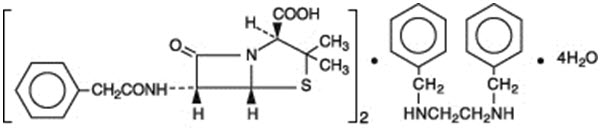
    Penicillin G benzathine is prepared by the reaction of dibenzylethylene diamine with two molecules of penicillin G. It is chemically designated as (2
    Chemical Structure
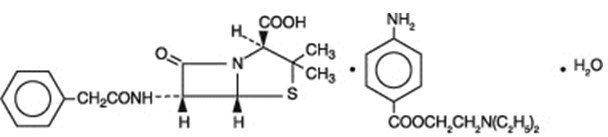
    Penicillin G procaine, (2
    Chemical Structure
    Each disposable syringe (2 mL size) contains the equivalent of 1,200,000 units of penicillin G comprising: the equivalent of 600,000 units of penicillin G as the benzathine salt and the equivalent of 600,000 units of penicillin G as the procaine salt in a stabilized aqueous suspension with sodium citrate buffer; and as w/v, approximately 0.5% lecithin, 0.55% carboxymethylcellulose, 0.55% povidone, 0.1% methylparaben, and 0.01% propylparaben.
    Bicillin C-R injectable suspension in the disposable-syringe formulation is viscous and opaque. Read
    2INDICATIONS AND USAGE
    To reduce the development of drug-resistant bacteria and maintain the effectiveness of Bicillin C-R and other antibacterial drugs, Bicillin C-R should be used only to treat or prevent infections that are proven or strongly suspected to be caused by bacteria. When culture and susceptibility information are available, they should be considered in selecting or modifying antibacterial therapy. In the absence of such data, local epidemiology and susceptibility patterns may contribute to the empiric selection of therapy.
    This drug is indicated in the treatment of moderately severe infections due to penicillin-G-susceptible microorganisms that are susceptible to serum levels common to this particular dosage form. Therapy should be guided by bacteriological studies (including susceptibility testing) and by clinical response.
    Bicillin C-R is indicated in the treatment of the following in adults and pediatric patients:
    Moderately severe to severe infections of the upper-respiratory tract, scarlet fever, erysipelas, and skin and soft-tissue infections due to susceptible streptococci.
    NOTE: Streptococci in Groups A, C, G, H, L, and M are very sensitive to penicillin G. Other groups, including Group D (enterococci), are resistant. Penicillin G sodium or potassium is recommended for streptococcal infections with bacteremia.
    Moderately severe pneumonia and otitis media due to susceptible
    NOTE: Severe pneumonia, empyema, bacteremia, pericarditis, meningitis, peritonitis, and arthritis of pneumococcal etiology are better treated with penicillin G sodium or potassium during the acute stage.
    When high, sustained serum levels are required, penicillin G sodium or potassium, either IM or IV, should be used. This drug should not be used in the treatment of venereal diseases, including syphilis, gonorrhea, yaws, bejel, and pinta.
    3CONTRAINDICATIONS
    A previous hypersensitivity reaction to any penicillin or to procaine is a contraindication.
    4WARNINGS
    The combination of penicillin G benzathine and penicillin G procaine should only be prescribed for the indications listed in this insert.
    4.1Anaphylaxis
    SERIOUS AND OCCASIONALLY FATAL HYPERSENSITIVITY (ANAPHYLACTIC) REACTIONS HAVE BEEN REPORTED IN PATIENTS ON PENICILLIN THERAPY. THESE REACTIONS ARE MORE LIKELY TO OCCUR IN INDIVIDUALS WITH A HISTORY OF PENICILLIN HYPERSENSITIVITY AND/OR A HISTORY OF SENSITIVITY TO MULTIPLE ALLERGENS. THERE HAVE BEEN REPORTS OF INDIVIDUALS WITH A HISTORY OF PENICILLIN HYPERSENSITIVITY WHO HAVE EXPERIENCED SEVERE REACTIONS WHEN TREATED WITH CEPHALOSPORINS. BEFORE INITIATING THERAPY WITH BICILLIN C-R CAREFUL INQUIRY SHOULD BE MADE CONCERNING PREVIOUS HYPERSENSITIVITY REACTIONS TO PENICILLINS, CEPHALOSPORINS OR OTHER ALLERGENS. IF AN ALLERGIC REACTION OCCURS, BICILLIN C-R SHOULD BE DISCONTINUED AND APPROPRIATE THERAPY INSTITUTED.
    4.2Severe cutaneous adverse reactions
    Severe cutaneous adverse reactions (SCAR), such as Stevens-Johnson syndrome (SJS), toxic epidermal necrolysis (TEN), drug reaction with eosinophilia and systemic symptoms (DRESS), and acute generalized exanthematous pustulosis (AGEP) have been reported in patients taking penicillin G (the active moiety in Bicillin C-R). When SCAR is suspected, Bicillin C-R should be discontinued immediately and an alternative treatment should be considered.
    4.3Methemoglobinemia
    Cases of methemoglobinemia have been reported in association with local anesthetic use. Although all patients are at risk for methemoglobinemia, patients with glucose-6-phosphate dehydrogenase deficiency, congenital or idiopathic methemoglobinemia, cardiac or pulmonary compromise, infants under 6 months of age, and concurrent exposure to oxidizing agents or their metabolites are more susceptible to developing clinical manifestations of the condition. If local anesthetics must be used in these patients, close monitoring for symptoms and signs of methemoglobinemia is recommended.
    Signs of methemoglobinemia may occur immediately or may be delayed some hours after exposure, and are characterized by a cyanotic skin discoloration and/or abnormal coloration of the blood. Methemoglobin levels may continue to rise; therefore, immediate treatment is required to avert more serious central nervous system (CNS) and cardiovascular adverse effects, including seizures, coma, arrhythmias, and death. Discontinue Bicillin C-R and any other oxidizing agents. Depending on the severity of the signs and symptoms, patients may respond to supportive care, i.e., oxygen therapy, hydration. A more severe clinical presentation may require treatment with methylene blue, exchange transfusion, or hyperbaric oxygen.
    4.4Clostridioides difficile associated diarrhea
    Clostridioides difficile associated with diarrhea (CDAD) has been reported with use of nearly all antibacterial agents, including Bicillin C-R, and may range in severity from mild diarrhea to fatal colitis. Treatment with antibacterial agents alters the normal flora of the colon leading to overgrowth of C. difficile.
    C. difficile produces toxins A and B which contribute to the development of CDAD. Hypertoxin producing strains of C. difficile cause increased morbidity and mortality, as these infections can be refractory to antimicrobial therapy and may require colectomy. CDAD must be considered in all patients who present with diarrhea following antibiotic use. Careful medical history is necessary since CDAD has been reported to occur over two months after the administration of antibacterial agents.
    If CDAD is suspected or confirmed, ongoing antibiotic use not directed against
    4.5Method of Administration
    Do not inject into or near an artery or nerve. See administration instructions below.
    Injection into or near a nerve may result in permanent neurological damage.
    Inadvertent intravascular administration, including inadvertent direct intra-arterial injection or injection immediately adjacent to arteries, of Bicillin C-R and other penicillin preparations has resulted in severe neurovascular damage, including transverse myelitis with permanent paralysis, gangrene requiring amputation of digits and more proximal portions of extremities, and necrosis and sloughing at and surrounding the injection site consistent with the diagnosis of Nicolau syndrome. Such severe effects have been reported following injections into the buttock, thigh, and deltoid areas. Other serious complications of suspected intravascular administration which have been reported include immediate pallor, mottling, or cyanosis of the extremity both distal and proximal to the injection site, followed by bleb formation; severe edema requiring anterior and/or posterior compartment fasciotomy in the lower extremity. The above-described severe effects and complications have most often occurred in infants and small children. Prompt consultation with an appropriate specialist is indicated if any evidence of compromise of the blood supply occurs at, proximal to, or distal to the site of injection.
    FOR DEEP INTRAMUSCULAR INJECTION ONLY. There have been reports of inadvertent intravenous administration of penicillin G benzathine which has been associated with cardiorespiratory arrest and death. Therefore, do not inject intravenously or admix with other intravenous solutions. (See DOSAGE AND ADMINISTRATION section.)
    Administer by DEEP INTRAMUSCULAR INJECTION ONLY in the upper, outer quadrant of the buttock (dorsogluteal) or the ventrogluteal site. Quadriceps femoris fibrosis and atrophy have been reported following repeated intramuscular injections of penicillin preparations into the anterolateral thigh. Because of these adverse effects and the vascularity of this region, administration in the anterolateral thigh is not recommended.
    5ADVERSE REACTIONS
    As with other penicillins, untoward reactions of the sensitivity phenomena are likely to occur, particularly in individuals who have previously demonstrated hypersensitivity to penicillins or in those with a history of allergy, asthma, hay fever, or urticaria.
    The following adverse reactions have been reported with Bicillin C-R during post-marketing experience:
    Skin and Appendages: Stevens-Johnson syndrome (SJS) and drug reaction with eosinophilia and systemic symptoms (DRESS) (See WARNINGS.)
    The following have been reported with parenteral penicillin G (the active moiety in Bicillin C-R):
    General: Hypersensitivity reactions including the following: skin eruptions (maculopapular to exfoliative dermatitis), urticaria, laryngeal edema, fever, eosinophilia; other serum sickness-like reactions (including chills, fever, edema, arthralgia, and prostration); and anaphylaxis including shock and death: severe cutaneous adverse reactions (SCAR), such as toxic epidermal necrolysis (TEN) and acute generalized exanthematous pustulosis (AGEP) (See WARNINGS.) Note: Urticaria, other skin rashes, and serum sickness-like reactions may be controlled with antihistamines and, if necessary, systemic corticosteroids. Whenever such reactions occur, penicillin G should be discontinued unless, in the opinion of the physician, the condition being treated is life-threatening and amenable only to therapy with penicillin G. Serious anaphylactic reactions require immediate emergency treatment with epinephrine. Oxygen, intravenous steroids, and airway management, including intubation, should also be administered as indicated.
    Gastrointestinal: Pseudomembranous colitis. Onset of pseudomembranous colitis symptoms may occur during or after antibacterial treatment. (See WARNINGS section.)
    Hematologic: Hemolytic anemia, leukopenia, thrombocytopenia.
    Neurologic: Neuropathy.
    Urogenital: Nephropathy.
    The following adverse events have been temporally associated with parenteral administrations of penicillin G benzathine (a component of Bicillin C-R):
    Body as a Whole: Hypersensitivity reactions including allergic vasculitis, pruritis, fatigue, asthenia, and pain; aggravation of existing disorder; headache, Nicolau syndrome.
    Cardiovascular: Cardiac arrest; hypotension; tachycardia; palpitations; pulmonary hypertension; pulmonary embolism; vasodilation; vasovagal reaction; cerebrovascular accident; syncope.
    Gastrointestinal: Nausea, vomiting; blood in stool; intestinal necrosis.
    Hemic and Lymphatic: Lymphadenopathy.
    Immune System Disorders: Acute myocardial ischemia with or without myocardial infarction may occur as part of an allergic reaction (Kounis syndrome).
    Injection Site: Injection site reactions including pain, inflammation, lump, abscess, necrosis, edema, hemorrhage, cellulitis, hypersensitivity, atrophy, ecchymosis, and skin ulcer. Neurovascular reactions including warmth, vasospasm, pallor, mottling, gangrene, numbness of the extremities, cyanosis of the extremities, and neurovascular damage.
    Metabolic: Elevated BUN, creatinine, and SGOT.
    Musculoskeletal: Joint disorder, periostitis; exacerbation of arthritis; myoglobinuria; rhabdomyolysis.
    Nervous System: Nervousness; tremors; dizziness; somnolence; confusion; anxiety; euphoria; transverse myelitis; seizures; coma. A syndrome manifested by a variety of CNS symptoms such as severe agitation with confusion, visual and auditory hallucinations, and a fear of impending death (Hoigne's syndrome), has been reported after administration of penicillin G procaine and, less commonly, after injection of the combination of penicillin G benzathine and penicillin G procaine. Other symptoms associated with this syndrome, such as psychosis, seizures, dizziness, tinnitus, cyanosis, palpitations, tachycardia, and/or abnormal perception in taste, also may occur.
    Respiratory: Hypoxia; apnea; dyspnea.
    Skin: Diaphoresis.
    Special Senses: Blurred vision; blindness.
    Urogenital: Neurogenic bladder; hematuria; proteinuria; renal failure; impotence; priapism.
    6OVERDOSAGE
    Penicillin in overdosage has the potential to cause neuromuscular hyperirritability or convulsive seizures.
    7HOW SUPPLIED
    Bicillin C-R (penicillin G benzathine and penicillin G procaine injectable suspension) is supplied in packages of 10 disposable syringes as follows:
    2 mL size, containing 1,200,000 units per syringe (21 gauge, thin-wall 1-inch needle for pediatric use), NDC 60793-601-10.
    2 mL size, containing 1,200,000 units per syringe (21 gauge, thin-wall 1-1/2-inch needle), NDC 60793-600-10.
    8REFERENCES
    1. SHAW, E.: Transverse myelitis from injection of penicillin.
    2. KNOWLES, J.: Accidental intra-arterial injection of penicillin.
    3. DARBY, C.
    4. BROWN, L. & NELSON, A.: Postinfectious intravascular thrombosis with gangrene.
    5. BORENSTINE, J.: Transverse myelitis and penicillin (Correspondence).
    6. ATKINSON, J.: Transverse myelopathy secondary to penicillin injection.
    7. TALBERT, J.
    8. FISHER, T.: Medicolegal affairs.
    9. SCHANZER, H.
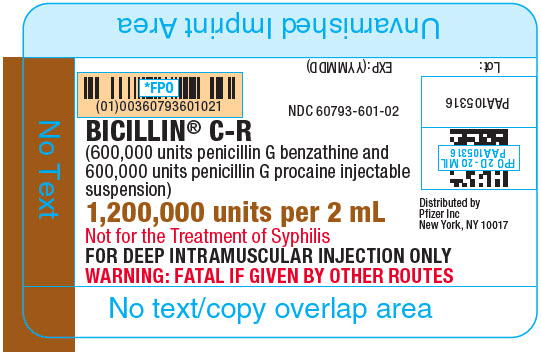
    9PRINCIPAL DISPLAY PANEL - 2 mL Syringe Label - 601
    NDC 60793-601-02
    BICILLIN
    Distributed by
    PRINCIPAL DISPLAY PANEL - 2 mL Syringe Label - 601
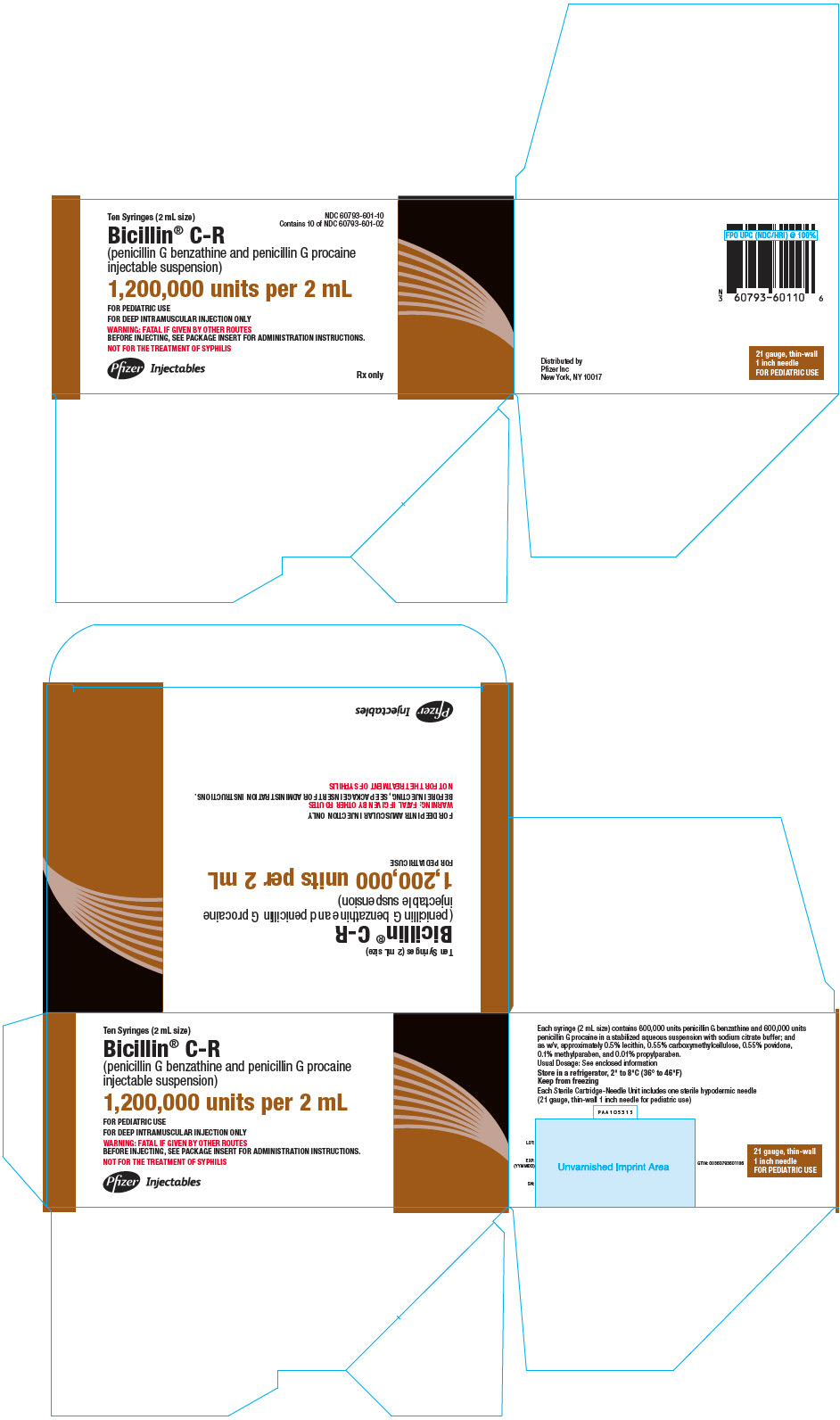
    10PRINCIPAL DISPLAY PANEL - 2 mL Syringe Package - 601
    NDC 60793-601-10
    Ten Syringes (2 mL size)
    Bicillin
    1,200,000 units per 2 mL
    FOR PEDIATRIC USE
    FOR DEEP INTRAMUSCULAR INJECTION ONLY
    WARNING: FATAL IF GIVEN BY OTHER ROUTES
    NOT FOR THE TREATMENT OF SYPHILIS
    Pfizer Injectables
    Rx only
    PRINCIPAL DISPLAY PANEL - 2 mL Syringe Package - 601
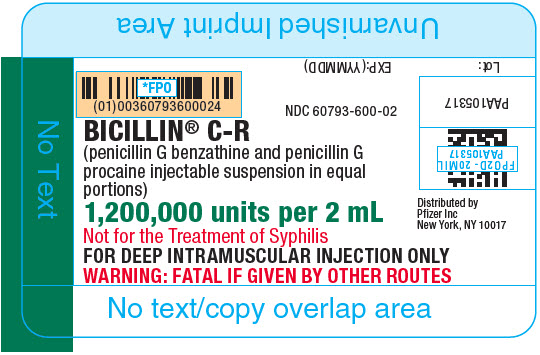
    11PRINCIPAL DISPLAY PANEL - 2 mL Syringe Label - 600
    NDC 60793-600-02
    BICILLIN
    Distributed by
    PRINCIPAL DISPLAY PANEL - 2 mL Syringe Label - 600
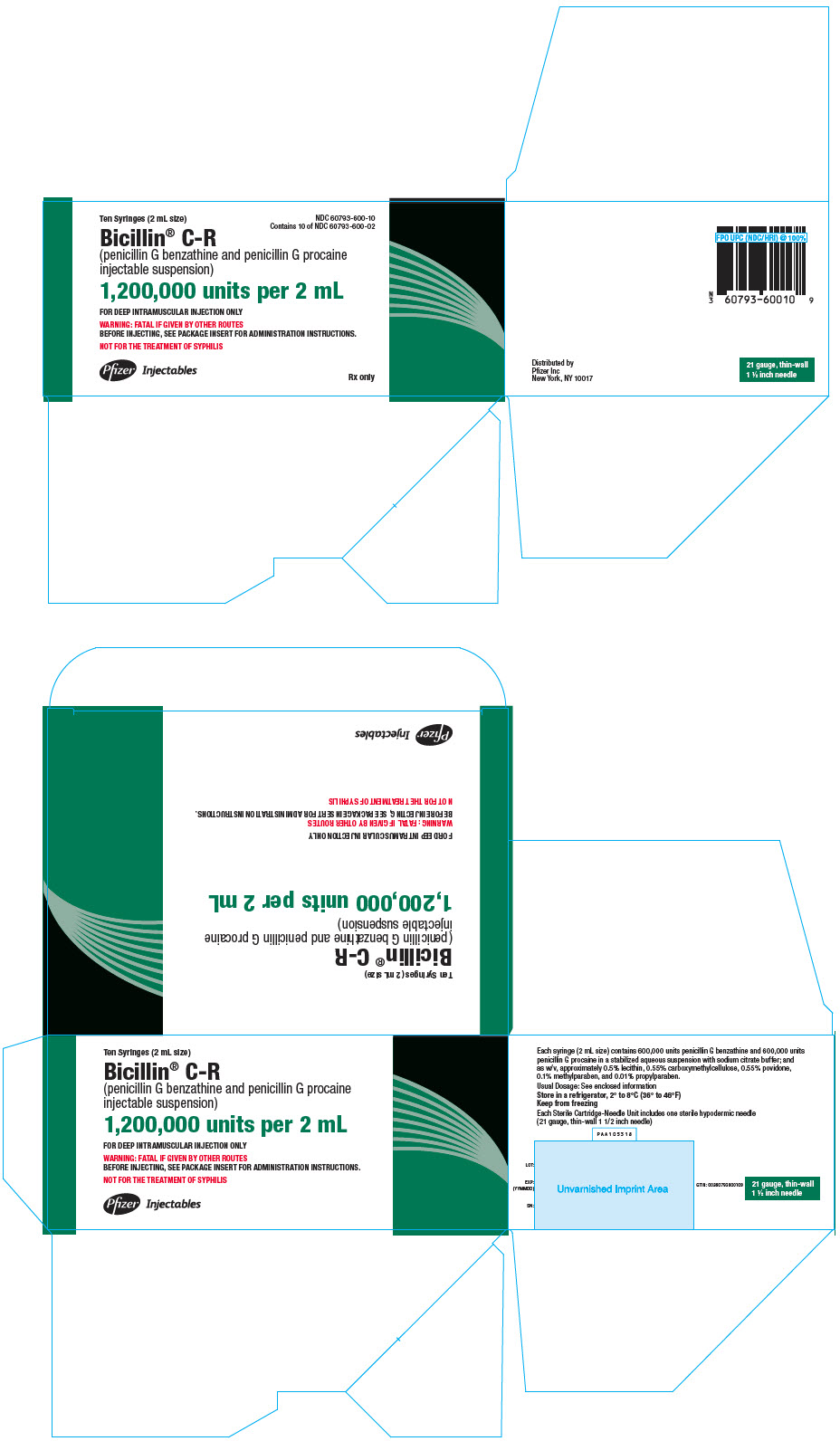
    12PRINCIPAL DISPLAY PANEL - 2 mL Syringe Package - 600
    NDC 60793-600-10
    Ten Syringes (2 mL size)
    Bicillin
    1,200,000 units per 2 mL
    FOR DEEP INTRAMUSCULAR INJECTION ONLY
    WARNING: FATAL IF GIVEN BY OTHER ROUTES
    NOT FOR THE TREATMENT OF SYPHILIS
    Pfizer Injectables
    Rx only
    PRINCIPAL DISPLAY PANEL - 2 mL Syringe Package - 600
    Bicillin has been selected.