Esophageal Varices
Symptoms, Doctors, Treatments, Advances & More

Save information for later
Sign Up

Learn About Esophageal Varices

What is the definition of Esophageal Varices?
Esophageal varices is a condition in which enlarged (varicose) veins develop in the lower esophagus (swallowing tube that connects mouth to stomach). Esophageal varices frequently occur in individuals with serious liver diseases, such as cirrhosis (liver scaring and fibrosis), who have developed portal hypertension (high blood pressure in portal vein). Esophageal varices can also be caused by parasitic liver diseases, such as schistosomiasis (flatworms). Esophageal varices can rupture and cause dangerous bleeding (hemorrhage).
What are the symptoms of Esophageal Varices?
Esophageal varices often do not have any symptoms until they bleed. Symptoms of bleeding esophageal varices include vomiting large quantities of blood, black, tarry or bloody stools, dizziness, and loss of consciousness. Since individuals with esophageal varices also usually have liver disease, such as cirrhosis, additional symptoms may include yellowing of the mucous membranes, skin, and whites of the eyes (jaundice), bruising easily, and fluid in the abdomen (ascites).
Not sure about your diagnosis?
Check Your Symptoms
What are the current treatments for Esophageal Varices?
Treatment for bleeding esophageal varices include endoscopic band ligations (use of rubber bands to restrict blood flow to varices); medications to slow bleeding, such as octreotide (Sandostatin) and vasopressin (Vasostrict); sclerotherapy (drugs injected into the varices to constrict blood flow); balloon tamponade, or self-expanding metal stents (SEMS), which are used to apply pressure to the varices; transjugular intrahepatic portosystemic shunt (TIPS), in which a shunt is created between the portal and hepatic veins to stop the bleeding; transfusions; and antibiotics. Patients with bleeding esophageal varices and severe liver disease may be considered for liver transplantation. Medications such as beta blockers may be administered to prevent re-bleeding.
Who are the top Esophageal Varices Local Doctors?
Elite in Esophageal Varices
Gastroenterology | Hepatology
Elite in Esophageal Varices
Gastroenterology | Hepatology
Referral may be required

Brigham And Women's Crohn's And Colitis Center

850 Boylston Street, Suite 201 Mass General Brigham Healthcare Center, 
Chestnut Hill, MA 
Languages Spoken:
English
Offers Telehealth

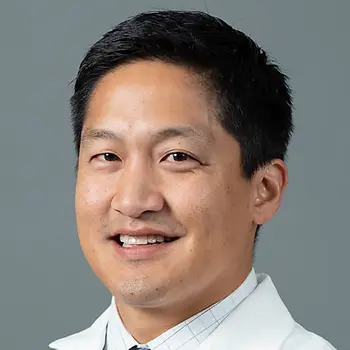
Marvin Ryou is a Hepatologist and a Gastroenterologist practicing medicine in Chestnut Hill, Massachusetts. Dr. Ryou is rated as an Elite provider by MediFind in the treatment of Esophageal Varices. He is also highly rated in 31 other conditions, according to our data. His clinical expertise encompasses Esophageal Varices, Portal Hypertension, Bile Duct Obstruction, Endoscopy, and Gastrostomy. Dr. Ryou is board certified in Gastroenterology.

Elite in Esophageal Varices
Gastroenterology | Hepatology
Elite in Esophageal Varices
Gastroenterology | Hepatology
Referral may be required

Brigham And Women's Crohn's And Colitis Center

850 Boylston Street, Suite 201 Mass General Brigham Healthcare Center, 
Chestnut Hill, MA 
Languages Spoken:
English

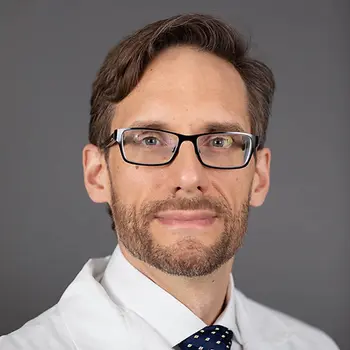
Dr. Christopher C. Thompson is the Director of Endoscopy at Brigham and Women’s Hospital (BWH), Co-director of the Center for Weight Management and Wellness, and Professor of Medicine at Harvard Medical School.  He is also the Advanced Endoscopy Fellowship Program Director and clinical faculty at Boston Children’s Hospital and the Dana-Farber Cancer Institute.  Dr. Thompson’s clinical interests include endoscopic surgery applied to foregut conditions, with a focus on endoscopic treatment of obesity, GERD, Zenker’s diverticula, achalasia, gastroparesis,  postsurgical complications, and pancreatobiliary disease.  He spends the majority of his time performing these advanced endoscopic procedures and also cares for these patients in the ambulatory setting.  The remainder of his time is devoted to research in endoscopic surgery, with a focus on device development, clinical outcomes, and endoscopic education. His research has resulted in numerous patents, development of new endoscopic procedures, and over 300 publications.  He was awarded the Brigham and Women’s Physician Organization Clinical Innovation Award in 2007 for developing and performing the first endoscopic suturing procedure to treat obesity.  He also invented anastomosis technology, which has been shown to treat type 2 diabetes effectively in early clinical trials.  He was responsible for much of the early work in Bariatric Endoscopy, having been called the founding father of the field, and edited the first textbook and video atlas on the subject.  Some of his other important clinical innovations include the development of new endoscopic techniques for treating pancreatic necrosis, gastric outlet obstruction, sleeve gastrectomy stenosis, pancreaticojejunal anastomotic strictures, and postsurgical complications.  He also developed an endoscopic part-task simulator used by many fellowship programs (the TEST box).These accomplishments have led to a broad clinical referral base, and to national and international invitations for lectureships and live case demonstrations, including the American College of Gastroenterology (ACG) Blackwell Lectureship, ACG American Journal of Gastroenterology Lecture, American Gastroenterological Association (AGA) Presidential Plenary Lecture, American Society for Gastrointestinal Endoscopy (ASGE) J Edward Berk Presidential Plenary Lecture, ACG Edgar Achkar Visiting Professorship, all post-graduate education courses for the major US gastroenterology and surgical societies, and numerous respected courses throughout Europe, Asia, and South America.  He has also mentored more than 20 fellows, many of whom have gone on to thrive in prestigious academic institutions, and he established the first Fellowship in Bariatric Endoscopy. Dr. Thompson is rated as an Elite provider by MediFind in the treatment of Esophageal Varices. He is also highly rated in 38 other conditions, according to our data. His clinical expertise encompasses Obesity, Esophageal Varices, Gastrointestinal Fistula, Endoscopy, and Gastric Bypass.


Learn about our expert tiers
Learn More
Distinguished in Esophageal Varices
Gastroenterology
Distinguished in Esophageal Varices
Gastroenterology
Referral may be required

Gastrointestinal Associates Of NE Tennessee, P.C.

310 N State Of Franklin Rd, Ste 204, 
Johnson City, TN 
Languages Spoken:
English
Offers Telehealth

Chakradhar Reddy is a Gastroenterologist practicing medicine in Johnson City, Tennessee. Dr. Reddy is rated as a Distinguished provider by MediFind in the treatment of Esophageal Varices. He is also highly rated in 26 other conditions, according to our data. His clinical expertise encompasses Enlarged Liver, Visceromegaly, Esophageal Varices, Endoscopy, and Colonoscopy. Dr. Reddy is board certified in American Board Of Internal Medicine and American Board Of Internal Medicine (Transplant Hepatology).

What are the latest Esophageal Varices Clinical Trials?
Bumetanide vs. Furosemide for Adults Hospitalized With Cirrhosis: the BUFF Trial

Summary: Patients with cirrhosis are frequently hospitalized due to an acute decompensation of their liver disease including bleeding, jaundice, encephalopathy, and volume overload. Volume overload is associated with increased mortality from acute hypoxic respiratory failure, hemorrhage from esophageal varices, and spontaneous bacterial peritonitis. Clinical practice guidelines describe sodium restriction ...

Match to trials
Find the right clinical trials for you in under a minute
Get started
Assessment of Treatment Outcomes for Esophageal and Gastric Varices Secondary to Portal Hypertension

Summary: This study is a single-center, prospective cohort study based on real-world data. Patients with portal hypertension and esophagogastric varices were enrolled and divided into an endoscopic treatment group and a non-endoscopic treatment group (including patients receiving medical therapy, interventional procedures, or surgical treatment) according to whether they underwent endoscopic intervention. ...