Freeman-Sheldon SyndromeSymptoms, Doctors, Treatments, Advances & More
Learn About Freeman-Sheldon Syndrome
Freeman-Sheldon syndrome (also known as Freeman-Burian syndrome) is a condition that primarily affects muscles in the face and skull (craniofacial muscles) and can often affect joints in the hands and feet. The condition is characterized by abnormalities known as contractures, which result from permanent tightening of muscles, skin, tendons, and surrounding tissues, and restrict movement of the affected body part. In Freeman-Sheldon syndrome, contractures in the face lead to a distinctive facial appearance including a small mouth (microstomia) with pursed lips, giving the appearance of whistling. For this reason, Freeman-Sheldon syndrome is sometimes called "whistling face syndrome." Other facial features common in this condition include a chin dimple shaped like an "H" or "V" and unusually deep folds in the skin between the nose and the corners of the mouth (nasolabial folds).
Freeman-Sheldon syndrome is caused by variants (also known as mutations) in the MYH3 gene. The MYH3 gene provides instructions for making a protein called myosin-3. Myosin and another protein called actin are the primary components of muscle fibers and are important for the tensing of muscles (muscle contraction). Myosin-3 is a part of muscle fibers in the fetus before birth, and the protein is important for normal development of the muscles.
Freeman-Sheldon syndrome is a rare disorder. It is estimated to affect 200 to 300 individuals worldwide.
Freeman-Sheldon syndrome follows an autosomal dominant pattern of inheritance, which means one copy of the altered gene in each cell is sufficient to cause the disorder. Most cases result from new variants in the gene and occur with no history of the disorder in the family. Some affected people inherit the variant from one affected parent. Very rarely, the parent has the gene variant only in some or all of their sperm or egg cells, which is known as germline mosaicism. In these cases, the parent has no signs or symptoms of the condition.
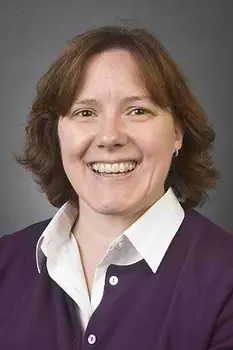
Bassett Health Center Little Falls Primary Care
Amy Grace is a primary care provider, practicing in Family Medicine in Little Falls, New York. Dr. Grace is rated as an Experienced provider by MediFind in the treatment of Freeman-Sheldon Syndrome. She is also highly rated in 12 other conditions, according to our data. Her clinical expertise encompasses Hypothyroidism, Obesity in Children, Enlarged Prostate (BPH), and Familial Hypertension. Dr. Grace is currently accepting new patients.
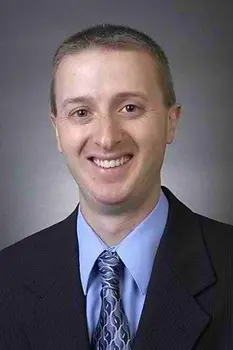
Bassett Health Center Cobleskill
John Novak is a primary care provider, practicing in Internal Medicine in Cobleskill, New York. Dr. Novak is rated as an Experienced provider by MediFind in the treatment of Freeman-Sheldon Syndrome. He is also highly rated in 14 other conditions, according to our data. His clinical expertise encompasses Relapsing Multiple Sclerosis (RMS), Enlarged Prostate (BPH), Type 2 Diabetes (T2D), and Lymphangitis. Dr. Novak is currently accepting new patients.

Healthcare Associates
Hans Kim is a primary care provider, practicing in Internal Medicine in Boston, Massachusetts. Dr. Kim is rated as a Distinguished provider by MediFind in the treatment of Freeman-Sheldon Syndrome. He is also highly rated in 42 other conditions, according to our data. His clinical expertise encompasses Marden-Walker Syndrome, Pitt-Hopkins Syndrome, Saethre-Chotzen Syndrome, and Ascher Syndrome. Dr. Kim is board certified in American Board Of Internal Medicine. Dr. Kim is currently accepting new patients.
Published Date: October 28, 2021
Published By: National Institutes of Health