GallstonesSymptoms, Doctors, Treatments, Advances & More
Learn About Gallstones
Gallstones are hard deposits that form inside the gallbladder. These may be as small as a grain of sand or as large as a golf ball.
Cholelithiasis; Gallbladder attack; Biliary colic; Gallstone attack; Biliary calculus: gallstones chenodeoxycholic acids (CDCA); Ursodeoxycholic acid (UDCA, ursodiol); Endoscopic retrograde cholangiopancreatography (ERCP) - gallstones
The cause of gallstones varies. There are two main types of gallstones:
- Stones made of cholesterol -- This is the most common type. Cholesterol gallstones are not related to the cholesterol level in the blood. In most cases, they are not visible on CT scans but are visible on a sonogram (ultrasound) of the abdomen.
- Stones made of bilirubin -- These are called pigment stones. They occur when there is too much bilirubin in the bile, often due to too many red blood cells being destroyed.
Gallstones are more common in:
- Female sex
- Native Americans and people of Hispanic descent
- People over age 40
- People who are overweight
- People with a family history of gallstones
The following factors also make you more likely to develop gallstones:
- Biliary tract infections (pigmented stones)
- Bone marrow or solid organ transplant
- Diabetes
- Failure of the gallbladder to empty bile properly (this is more likely to happen during pregnancy)
- Liver cirrhosis (pigmented stones)
- Medical conditions that cause too many red blood cells to be destroyed
- Rapid weight loss from eating a very low-calorie diet, or after weight loss surgery
- Receiving nutrition through a vein for a long period of time (intravenous feedings)
- Taking birth control pills
Many people with gallstones do not have any symptoms. These are often found during a routine x-ray, abdominal surgery, or other medical procedure.
However, if a large stone blocks a tube or duct that drains the gallbladder, you may have a cramping pain in the middle to right upper abdomen. This is called biliary colic. The pain goes away if the stone passes into the first part of the small intestine.
Symptoms that may occur include:
- Pain in the right upper or middle upper abdomen for at least 30 minutes. The pain may be constant or cramping. It can feel sharp or dull.
- Fever.
- Yellowing of skin and whites of the eyes (jaundice).
Other symptoms may include:
- Clay-colored stools
- Nausea and vomiting
SURGERY
Most of the time, surgery is not needed unless symptoms begin. However, people planning weight loss surgery may need to have gallstones removed before undergoing the procedure. In general, people who have symptoms will need surgery soon after the stone is found.
- A technique called laparoscopic cholecystectomy is most commonly used. This procedure uses small surgical incisions, which allow for a faster recovery. The person can often go home from the hospital within 1 day of surgery.
- In the past, open cholecystectomy (gallbladder removal) was most often done. However, this technique is less common now.
ERCP and a procedure called a sphincterotomy may be done to find or treat gallstones in the common bile duct.
MEDICINES
Medicines may be given in pill form to dissolve cholesterol gallstones. However, these medicines may take 2 years or longer to work, and the stones may return after treatment ends.
Rarely, chemicals are passed into the gallbladder through a catheter. The chemical rapidly dissolves cholesterol stones. This treatment is hard to perform, so it is not done very often. The chemicals used can be toxic, and the gallstones may return.
LITHOTRIPSY
Shock wave lithotripsy (ESWL) of the gallbladder has also been used for people who cannot have surgery. This treatment is not used as often as it once was because gallstones often come back.

ETSU Physicians & Associates- Gastroenterology
Mark Young is a Gastroenterologist practicing medicine in Johnson City, Tennessee. Dr. Young is rated as a Distinguished provider by MediFind in the treatment of Gallstones. He is also highly rated in 74 other conditions, according to our data. His clinical expertise encompasses Jaundice, Acute Pancreatitis, Choledocholithiasis, Endoscopy, and Gastrectomy. Dr. Young is board certified in American Board Of Internal Medicine.

Texas Health Surgical Specialists
Dr. Daniel Jordan serves the Willow Park community. He began his career as an emergency medical technician before working in emergency room patient care and later pursuing his medical degree. Dr. Jordan is rated as a Distinguished provider by MediFind in the treatment of Gallstones. He is also highly rated in 11 other conditions, according to our data. His clinical expertise encompasses Gallbladder Disease, Hernia, Gallstones, Choledocholithiasis, and Hernia Surgery.
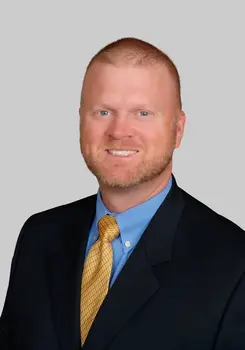
Texas Health Surgical Specialists
Board-certified general surgeon Jeffrey Holloway, D.O., is a Fellow of the American College of Surgeons. He is fellowship-trained in minimally invasive surgery with special focus on gastrointestinal surgical techniques. Dr. Holloway received his Doctor of Osteopathy from the University of North Texas Health Science Center in Fort Worth before going on to complete his general surgery internship and residency through the University of Missouri – Kansas City Affiliated Hospitals system. While studying in Kansas City, he served as chief resident at Truman Medical Center & Saint Luke's Hospital and at Kansas City Veterans Administration Hospital.After completing his fellowship training in minimally invasive surgery through the Division of Gastrointestinal Surgery at the University of Alabama at Birmingham, Dr. Holloway returned to Missouri. He worked for seven years with Mosaic Life Care in St. Joseph, Mo., providing general and trauma surgical expertise, before making a move to North Texas.Dr. Holloway brings more than a decade of research and surgical care experience to Texas Health Surgical Care Southwest. His special interests include GI surgery with an emphasis in laparoscopic techniques. He places a high priority on improving the quality of life for individuals with chronic health conditions and surgical needs. Dr. Holloway speaks fluent Spanish. Dr. Holloway is rated as a Distinguished provider by MediFind in the treatment of Gallstones. He is also highly rated in 9 other conditions, according to our data. His clinical expertise encompasses Gallstones, Choledocholithiasis, Ogilvie Syndrome, Gastrostomy, and Hernia Surgery.
You may need to be on a liquid diet or take other steps to give your gallbladder a rest after you are treated. Your provider will give you instructions when you leave the hospital.
The chance of symptoms or complications from gallstone surgery is low. Nearly all people who have their gallbladder taken out by surgery do not have their symptoms return.
Blockage by gallstones may cause swelling or infection in the:
- Gallbladder (cholecystitis)
- Tube that carries bile from the liver to the gallbladder and intestines (cholangitis)
- Pancreas (pancreatitis)
Contact your provider if you have:
- Pain in the upper part of your abdomen
- Yellowing of the skin or whites of the eyes
In most people, gallstones can't be prevented. In people who are obese, avoiding rapid weight loss may help prevent gallstones.
Summary: Detecting possible atelectasis and other respiratory problems that may develop immediately after extubation via lung ultrasonography can reduce pulmonary complications by performing necessary interventions such as oxygen support, respiratory exercises, mobilization, and non-invasive mechanical ventilation applications at an early stage. In addition, although low-flow anesthesia is frequently used ...
Summary: Every year, many patients undergo weight-loss (bariatric) surgery. While this surgery leads to significant and intended weight loss, it also increases the risk of developing gallstones or other gallbladder problems. Approximately one in five patients later requires a second operation to remove the gallbladder. This type of surgery carries a higher risk of complications and reoperations compared wi...
Published Date: April 21, 2025
Published By: Todd Eisner, MD, Private practice specializing in Gastroenterology in Boca Raton and Delray Beach, Florida at Gastroenterology Consultants of Boca Raton. Affiliate Assistant Professor, Florida Atlantic University School of Medicine. Review provided by VeriMed Healthcare Network. Also reviewed by David C. Dugdale, MD, Medical Director, Brenda Conaway, Editorial Director, and the A.D.A.M. Editorial team.
Fogel EL, Sherman S. Diseases of the gallbladder and bile ducts. In: Goldman L, Cooney KA, eds. Goldman-Cecil Medicine. 27th ed. Philadelphia, PA: Elsevier; 2024:chap 141.
Radkani P, Hawksworth J, Fishbein T. Biliary system. In: Townsend CM Jr, Beauchamp RD, Evers BM, Mattox KL, eds. Sabiston Textbook of Surgery. 21st ed. St Louis, MO: Elsevier; 2022:chap 55.
Wang D Q-H, Afdhal NH. Gallstone disease. In: Feldman M, Friedman LS, Brandt LJ, eds. Sleisenger and Fordtran's Gastrointestinal and Liver Disease: Pathophysiology/Diagnosis/Management. 11th ed. Philadelphia, PA: Elsevier; 2021:chap 65.