Greig Cephalopolysyndactyly SyndromeSymptoms, Doctors, Treatments, Advances & More
Learn About Greig Cephalopolysyndactyly Syndrome
Greig cephalopolysyndactyly syndrome is a disorder that affects development of the limbs, head, and face. The features of this syndrome are highly variable, ranging from very mild to severe. People with this condition typically have one or more extra fingers or toes (polydactyly) or an abnormally wide thumb or big toe (hallux). The skin between the fingers and toes may be fused (cutaneous syndactyly). This disorder is also characterized by widely spaced eyes (ocular hypertelorism), an abnormally large head size (macrocephaly), and a high, prominent forehead. Rarely, affected individuals may have more serious medical problems including seizures, delayed development, and intellectual disability.
Mutations in the GLI3 gene cause Greig cephalopolysyndactyly syndrome. This gene provides instructions for making a protein that controls gene expression, which is a process that regulates whether genes are turned on or off in particular cells. By interacting with certain genes at specific times during development, the GLI3 protein plays a role in the normal shaping (patterning) of many organs and tissues before birth.
This condition is very rare; its prevalence is unknown.
This condition is inherited in an autosomal dominant pattern, which means one altered or missing copy of the GLI3 gene in each cell is sufficient to cause the disorder. In some cases, an affected person inherits a gene mutation or chromosomal abnormality from one affected parent. Other cases occur in people with no history of the condition in their family.
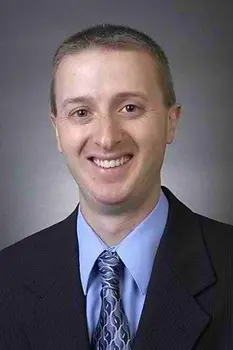
Bassett Health Center Cobleskill
John Novak is a primary care provider, practicing in Internal Medicine in Cobleskill, New York. Dr. Novak is rated as an Experienced provider by MediFind in the treatment of Greig Cephalopolysyndactyly Syndrome. He is also highly rated in 14 other conditions, according to our data. His clinical expertise encompasses Relapsing Multiple Sclerosis (RMS), Enlarged Prostate (BPH), Type 2 Diabetes (T2D), and Lymphangitis.
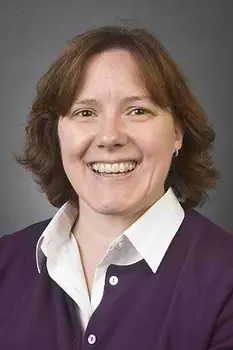
Bassett Health Center Little Falls Primary Care
Amy Grace is a primary care provider, practicing in Family Medicine in Little Falls, New York. Dr. Grace is rated as an Experienced provider by MediFind in the treatment of Greig Cephalopolysyndactyly Syndrome. She is also highly rated in 12 other conditions, according to our data. Her clinical expertise encompasses Hypothyroidism, Obesity in Children, Enlarged Prostate (BPH), and Glucocorticoid-Remediable Aldosteronism.

Healthcare Associates
Hans Kim is a primary care provider, practicing in Internal Medicine in Boston, Massachusetts. Dr. Kim is rated as a Distinguished provider by MediFind in the treatment of Greig Cephalopolysyndactyly Syndrome. He is also highly rated in 42 other conditions, according to our data. His clinical expertise encompasses Cytochrome P450 Oxidoreductase Deficiency, Ascher Syndrome, Acromegaloid Facial Appearance Syndrome, and Fraser Syndrome. Dr. Kim is board certified in American Board Of Internal Medicine.
Published Date: November 01, 2016
Published By: National Institutes of Health