Griscelli SyndromeSymptoms, Doctors, Treatments, Advances & More
Learn About Griscelli Syndrome
Griscelli syndrome is an inherited condition characterized by unusually light (hypopigmented) skin and light silvery-gray hair starting in infancy. Researchers have identified three types of this disorder, which are distinguished by their genetic cause and pattern of signs and symptoms.
The three types of Griscelli syndrome are caused by mutations in different genes: Type 1 results from mutations in the MYO5A gene, type 2 is caused by mutations in the RAB27A gene, and type 3 results from mutations in the MLPH gene.
Griscelli syndrome is a rare condition; its prevalence is unknown. Type 2 appears to be the most common of the three known types.
This condition is inherited in an autosomal recessive pattern, which means both copies of the gene in each cell have mutations. The parents of an individual with an autosomal recessive condition each carry one copy of the mutated gene, but they typically do not show signs and symptoms of the condition.
Jasmin Deschner-Kuemmerle practices practicing medicine in Tuebingen, Germany. Ms. Deschner-Kuemmerle is rated as an Elite expert by MediFind in the treatment of Griscelli Syndrome. She is also highly rated in 18 other conditions, according to our data. Her clinical expertise encompasses Neonatal Onset Multisystem Inflammatory Disease, Familial Cold Autoinflammatory Syndrome, Muckle-Wells Syndrome, and Mevalonate Kinase Deficiency.
Isabelle Paut-Kone practices practicing medicine in Paris, France. Ms. Paut-Kone is rated as an Elite expert by MediFind in the treatment of Griscelli Syndrome. She is also highly rated in 34 other conditions, according to our data. Her clinical expertise encompasses Mevalonate Kinase Deficiency, Muckle-Wells Syndrome, Familial Cold Autoinflammatory Syndrome, Neonatal Onset Multisystem Inflammatory Disease, and Vitrectomy.
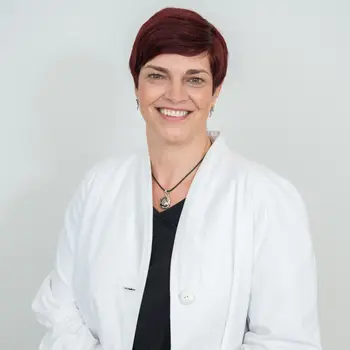
Minars Dermatology
Minars Dermatology is a state of the art dermatology office in Hollywood, Florida since 1975. Board-certified dermatologists treating skin cancer, acne, Botox etc... We treat both adults & children and all skin types. And we are obsessed with customer service and running on-time. www.MinarsDermatology.com. Dr. Stojadinovic is rated as an Experienced provider by MediFind in the treatment of Griscelli Syndrome. She is also highly rated in 3 other conditions, according to our data. Her clinical expertise encompasses Actinic Keratosis, Warts, Seborrheic Keratosis, and GAPO Syndrome. Dr. Stojadinovic is board certified in American Board Of Dermatology. Dr. Stojadinovic is currently accepting new patients.
Published Date: September 01, 2013
Published By: National Institutes of Health