Hemophilia A Treatments

Find Hemophilia A Treatments

Generic Name

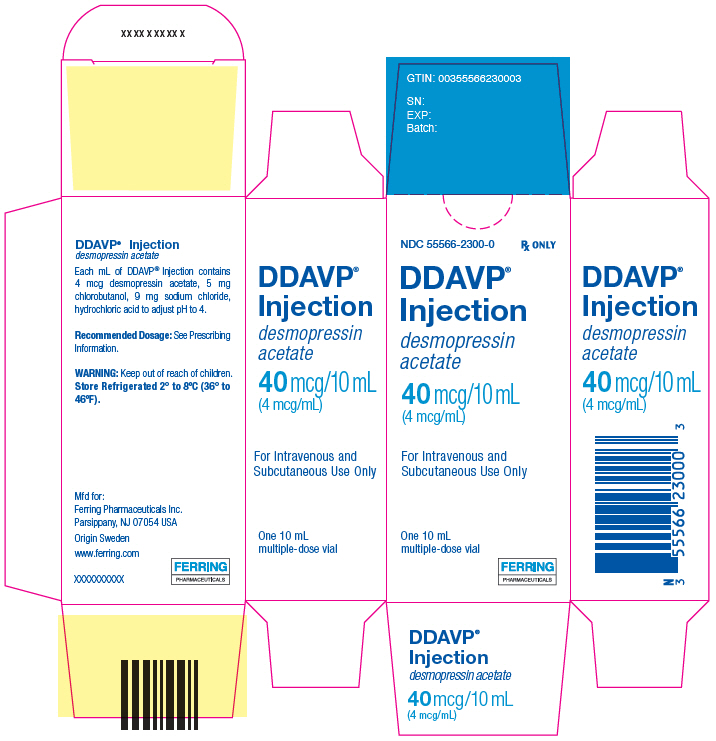
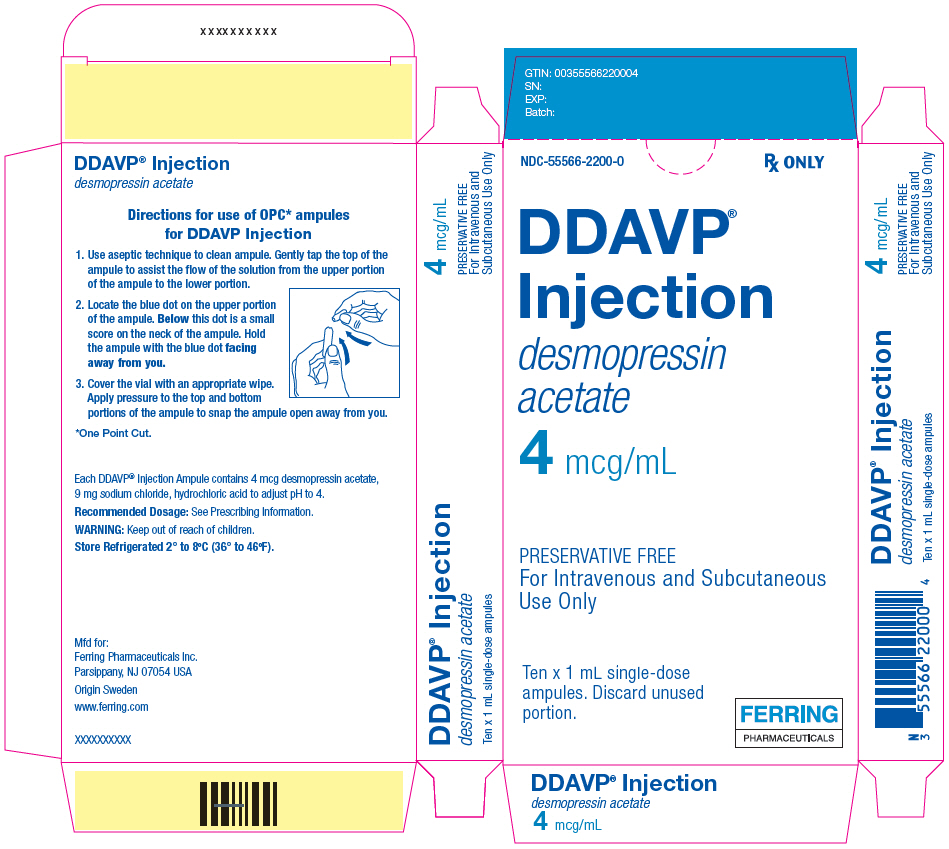
Desmopressin Acetate

Brand Names
DDAVP, Desmoda
FDA approval date: May 01, 1984
Classification: Factor VIII Activator
Form: Injection, Spray, Tablet, Solution

What is DDAVP (Desmopressin Acetate)?

Hemophilia A DDAVP Injection 4 mcg/mL is indicated for patients with hemophilia A with factor VIII coagulant activity levels greater than 5%. DDAVP will often maintain hemostasis in patients with hemophilia A during surgical procedures and postoperatively when administered 30 minutes prior to scheduled procedure. DDAVP will also stop bleeding in hemophilia A patients with episodes of spontaneous or trauma-induced injuries such as hemarthroses, intramuscular hematomas or mucosal bleeding. DDAVP is not indicated for the treatment of hemophilia A with factor VIII coagulant activity levels equal to or less than 5%, or for the treatment of hemophilia B, or in patients who have factor VIII antibodies. In certain clinical situations, it may be justified to try DDAVP in patients with factor VIII levels between 2% to 5%; however, these patients should be carefully monitored. von Willebrand's Disease DDAVP Injection 4 mcg/mL is indicated for patients with mild to moderate classic von Willebrand's disease with factor VIII levels greater than 5%. DDAVP will often maintain hemostasis in patients with mild to moderate von Willebrand's disease during surgical procedures and postoperatively when administered 30 minutes prior to the scheduled procedure. DDAVP will usually stop bleeding in mild to moderate von Willebrand's patients with episodes of spontaneous or trauma-induced injuries such as hemarthroses, intramuscular hematomas or mucosal bleeding. Those von Willebrand's disease patients who are least likely to respond are those with severe homozygous von Willebrand's disease with factor VIII coagulant activity and factor VIII von Willebrand factor antigen levels less than 1%. Other patients may respond in a variable fashion depending on the type of molecular defect they have. Bleeding time and factor VIII coagulant activity, ristocetin cofactor activity, and von Willebrand factor antigen should be checked during administration of DDAVP to ensure that adequate levels are being achieved. DDAVP is not indicated for the treatment of severe classic von Willebrand's disease and when there is evidence of an abnormal molecular form of factor VIII antigen. Diabetes Insipidus DDAVP Injection 4 mcg/mL is indicated as antidiuretic replacement therapy in the management of central diabetes insipidus and for the management of the temporary polyuria and polydipsia following head trauma or surgery in the pituitary region. DDAVP is ineffective for the treatment of nephrogenic diabetes insipidus. DDAVP is also available as an intranasal preparation. However, this means of delivery can be compromised by a variety of factors that can make nasal insufflation ineffective or inappropriate. These include poor intranasal absorption, nasal congestion and blockage, nasal discharge, atrophy of nasal mucosa, and severe atrophic rhinitis. Intranasal delivery may be inappropriate where there is an impaired level of consciousness. In addition, cranial surgical procedures, such as transsphenoidal hypophysectomy, create situations where an alternative route of administration is needed as in cases of nasal packing or recovery from surgery.
Save this treatment for later
Sign Up
Not sure about your diagnosis?
Check Your Symptoms
Tired of the same old research?
Check Latest Advances

Related Clinical Trials

Bleeding Reduction in Acute and Chronic KidnEy patienTs Having Surgery (BRACKETS) Pilot Trial

Summary: The BRACKETS pilot study is a multicentre, prospective, randomized controlled trial of prophylactic preoperative tranexamic acid (TXA) versus placebo and, using a partial factorial design, of prophylactic preoperative desmopressin versus placebo.

Phase II Prospective Evaluation of Desmopressin Stimulation Test Performance in ACTH-dependent Cushing s Syndrome

Background: Cushing syndrome (CS) is a set of diseases that develop when the body produces too much adrenocorticotropic hormone (ACTH). ACTH stimulates the production of a hormone called cortisol. Excess cortisol can cause serious issues, such as diabetes, high blood pressure, weight gain, and mood changes. Diagnosing CS early can be difficult. One test used to diagnose CS, the desmopressin (Desmo) stimulatio...

Desmopressin (DDAVP) Stimulation for 18F-FDG-PET Detection of Pituitary Adenoma in Cushing's Disease

Summary: This study is designed as a single institution trial. The study utilizes safe and clinically-validated tools for preoperative workup of patients with small pituitary tumors. DDAVP stimulation and 18F-labeled fluoro-deoxyglucose (FDG) uptake for PET-imaging will be used to detect MRI-negative pituitary adenomas in patients with Cushing s disease. Patients who have MRI-negative pituitary microadenom...

Brand Information