HyperthyroidismSymptoms, Doctors, Treatments, Advances & More
Learn About Hyperthyroidism
Hyperthyroidism is a condition in which the thyroid gland makes too much thyroid hormone. The condition is often called overactive thyroid.
Thyrotoxicosis; Overactive thyroid; Graves disease - hyperthyroidism; Thyroiditis - hyperthyroidism; Toxic goiter - hyperthyroidism; Thyroid nodules - hyperthyroidism; Thyroid hormone - hyperthyroidism
The thyroid gland is an important organ of the endocrine system. It is located at the front of the neck just above where your collarbones meet. The gland makes the hormones that control the way every cell in the body uses energy. This process is called metabolism.
Many diseases and conditions can cause hyperthyroidism, including:
- Graves disease (most common cause of hyperthyroidism)
- Inflammation (thyroiditis) of the thyroid due to viral infections, some medicines, or after pregnancy (common)
- Taking too much thyroid hormone (common)
- Noncancerous growths of the thyroid gland or pituitary gland (rare)
- Some tumors of the testes or ovaries (rare)
- Getting medical imaging tests with contrast dye that has iodine (rare, and only if there is already a problem with the thyroid)
- Eating too much of foods that contain iodine (very rare, and only if there is already a problem with the thyroid)
Common symptoms include:
- Anxiety
- Difficulty concentrating
- Fatigue
- Frequent bowel movements
- Goiter (visibly enlarged thyroid gland) or thyroid nodules
- Hair loss
- Hand tremor
- Heat intolerance
- Increased appetite
- Increased sweating
- Irregular menstrual periods in women
- Nail changes (thickness or flaking)
- Nervousness
- Pounding or racing heart beat (palpitations)
- Restlessness
- Sleep problems
- Weight loss (or weight gain, in some cases)
Other symptoms that can occur with this condition:
- Breast development in men
- Clammy skin
- Diarrhea
- Feeling faint when you raise your hands
- High blood pressure
- Itchy or irritated eyes
- Itchy skin
- Nausea and vomiting
- Protruding eyes (exophthalmos)
- Skin blushing or flushing
- Skin rash on the shins
- Weakness of the hips and shoulders
Treatment depends on the cause and severity of symptoms. Hyperthyroidism is usually treated with one or more of the following:
- Antithyroid medicines (propylthiouracil or methimazole) which reduce or block the effects of the extra thyroid hormone
- Radioactive iodine to destroy the thyroid gland and stop the excess production of hormones
- Surgery to remove the thyroid
If your thyroid is removed with surgery or destroyed with radioactive iodine, you must take thyroid hormone replacement pills for the rest of your life.
Medicines called beta-blockers may be prescribed to treat symptoms such as fast heart rate, tremor, sweating, and anxiety until the hyperthyroidism can be controlled.

Ballad Health Medical Associates Diabetes And Endocrinology Center
Matthew Beasey is an Endocrinologist practicing medicine in Abingdon, Virginia. Dr. Beasey is rated as a Distinguished provider by MediFind in the treatment of Hyperthyroidism. He is also highly rated in 30 other conditions, according to our data. His clinical expertise encompasses Type 2 Diabetes (T2D), Diabetic Neuropathy, Maturity Onset Diabetes of the Young, and Type 1 Diabetes (T1D). Dr. Beasey is board certified in American Board Of Pediatrics and American Board Of Internal Medicine.
Reading Hospital Endocrinology & Diabetes Center Wyomissing
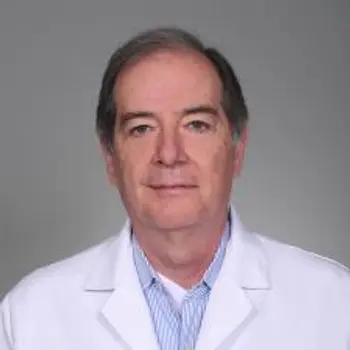
Ilan Gabriely is an Internal Medicine specialist and an Endocrinologist practicing medicine in Wyomissing, Pennsylvania. Dr. Gabriely is rated as a Distinguished provider by MediFind in the treatment of Hyperthyroidism. He is also highly rated in 59 other conditions, according to our data. His clinical expertise encompasses Low Blood Sugar, Hyperparathyroidism, Thyroid Cancer, and Anaplastic Thyroid Cancer. Dr. Gabriely is board certified in American Board Of Internal Medicine.

Diabetes And Endocrinology Center At Specialty Services Pavilion
Anupam Kotwal is an Endocrinologist practicing medicine in Omaha, Nebraska. He has been practicing medicine for over 15 years. Dr. Kotwal is rated as a Distinguished provider by MediFind in the treatment of Hyperthyroidism. He is also highly rated in 20 other conditions, according to our data. His clinical expertise encompasses Thyroid Cancer, Thyroid Nodule, Hyperthyroidism, Thyroidectomy, and Tenotomy.
Hyperthyroidism is treatable. Some causes, such as thyroiditis, may go away without treatment.
Hyperthyroidism caused by Graves disease usually gets worse over time. It has many complications, some of which are severe and affect quality of life.
Thyroid crisis (also called thyroid storm) is a sudden worsening of hyperthyroidism symptoms that may occur with infection or stress. Fever, decreased alertness, and abdominal pain may occur. People need to be treated in the hospital.
Other complications of hyperthyroidism include:
- Heart problems such as fast heart rate, abnormal heart rhythm, and heart failure
- Osteoporosis
- Eye disease (double vision, ulcers of the cornea, vision loss)
Surgery-related complications, including:
- Scarring of the neck
- Hoarseness due to nerve damage to the voice box
- Low calcium level due to damage to the parathyroid glands (located near the thyroid gland)
- Hypothyroidism (underactive thyroid)
Tobacco use may make some complications of hyperthyroidism worse.
Contact your provider if you have symptoms of hyperthyroidism. Go to an emergency room or call 911 or the local emergency number if you have:
- Change in consciousness
- Dizziness
- Rapid, irregular heartbeat
Contact your provider if you are being treated for hyperthyroidism and you develop symptoms of underactive thyroid, including:
- Depression
- Mental and physical sluggishness
- Weight gain
Summary: This is a multi-center, global, randomized, double-blind, placebo-controlled Phase 2b study to assess the efficacy, safety, and tolerability of IMVT-1402 in adult participants with Graves' disease (GD) who are hyperthyroid despite antithyroid drug (ATD) treatment.
Summary: Participants in this study will be patients diagnosed with or suspected to have a thyroid function disorder. These conditions may include: hypothyroidism, hyperthyroidism, thyroid hormone resistance, Graves' Dermopathy, and thyroid-stimulating hormone (TSH) secreting pituitary adenomas. The main purpose of this study is to further understand the natural history, clinical presentation, and genetics...
Published Date: July 21, 2024
Published By: Sandeep K. Dhaliwal, MD, board-certified in Diabetes, Endocrinology, and Metabolism, Springfield, VA. Also reviewed by David C. Dugdale, MD, Medical Director, Brenda Conaway, Editorial Director, and the A.D.A.M. Editorial team.
Hollenberg A, Wiersinga W, Bartalena L, Feldt-Rasmussen U. Hyperthyroid disorders. In: Melmed S, Auchus RJ, Goldfine AB, Rosen CJ, Kopp PA, eds. Williams Textbook of Endocrinology. 15th ed. Philadelphia, PA: Elsevier; 2025:chap 10.
Pearce EN, Hollenberg AN. Thyroid. In: Goldman L, Cooney KA, eds. Goldman-Cecil Medicine. 27th ed. Philadelphia, PA: Elsevier; 2024:chap 207.
Ross DS, Burch HB, Cooper DS, et al. 2016 American Thyroid Association guidelines for diagnosis and management of hyperthyroidism and other causes of thyrotoxicosis. Thyroid. 2016;26(10):1343-1421. PMID: 27521067 pubmed.ncbi.nlm.nih.gov/27521067/.