Hypertrophic Cardiomyopathy (HCM)Symptoms, Doctors, Treatments, Advances & More
Learn About Hypertrophic Cardiomyopathy (HCM)
View Main Condition: Cardiomyopathy
Hypertrophic cardiomyopathy (HCM) is a condition in which the heart muscle becomes thick. Sometimes, only one part of the heart is thicker than the other parts.
The thickening can make it harder for blood to leave the heart, forcing the heart to work harder to pump blood. It also can make it harder for the heart to relax and fill with blood.
Cardiomyopathy - hypertrophic (HCM); IHSS; Idiopathic hypertrophic subaortic stenosis; Asymmetric septal hypertrophy; ASH; HOCM; Hypertrophic obstructive cardiomyopathy
Hypertrophic cardiomyopathy is most often passed down through families (inherited). It is thought to result from variants in the genes that control heart muscle growth.
Younger people are likely to have a more severe form of hypertrophic cardiomyopathy. However, the condition is seen in people of all ages.
Some people with the condition may have no symptoms. They may first find out they have the problem during a routine medical exam.
In many young adults, the first symptom of hypertrophic cardiomyopathy is sudden collapse and possible death. This can be caused by highly abnormal heart rhythms (arrhythmias). It may also be due to a blockage that prevents the outflow of blood from the heart to the rest of the body.
Common symptoms include:
- Chest pain
- Dizziness
- Fainting, especially during exercise
- Fatigue
- Lightheadedness, especially with or after activity or exercise
- Sensation of feeling the heart beat fast or irregularly (palpitations)
- Shortness of breath with activity or after lying down (or being asleep for a while)
Always follow your provider's advice about exercise if you have hypertrophic cardiomyopathy. You may be told to avoid strenuous exercise. Also, see your provider for regularly periodic checkups.
If you have symptoms, you may need medicines including beta-blockers and calcium channel blockers or other newer medicines to help the heart contract and relax correctly. These medicines may relieve chest pain or shortness of breath when exercising.
People with arrhythmias may need treatment, such as:
- Medicines to treat the abnormal rhythm.
- Blood thinners to reduce the risk of blood clots (if the arrhythmia is due to atrial fibrillation).
- A permanent pacemaker to control the heartbeat.
- An implanted defibrillator that recognizes life-threatening heart rhythms and sends an electrical pulse to stop them. Sometimes a defibrillator is placed, even if the person has not had an arrhythmia but is at high risk for a deadly arrhythmia (for example, if the heart muscle is very thick or weak, or the person has a relative who has died suddenly).
When blood flow out of the heart is severely blocked, symptoms can become severe. An operation called surgical myectomy may be done. In some cases, people may be given an injection of alcohol into the arteries that feed the thickened part of the heart (alcohol septal ablation). People who have this procedure often show much improvement.
You may need surgery to repair the heart's mitral valve if it is leaking.

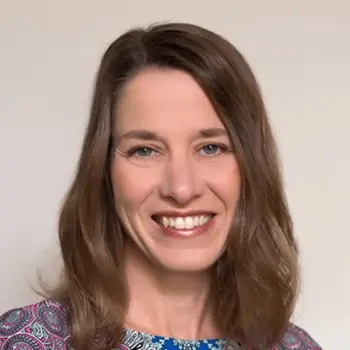
Lubna Choudhury is a Cardiologist practicing medicine in Chicago, Illinois. Dr. Choudhury is rated as an Elite provider by MediFind in the treatment of Hypertrophic Cardiomyopathy (HCM). She is also highly rated in 13 other conditions, according to our data. Her clinical expertise encompasses Hypertrophic Cardiomyopathy (HCM), Cardiomyopathy, Subvalvular Aortic Stenosis, Familial Hypertrophic Cardiomyopathy, and Cardiac Ablation. Dr. Choudhury is board certified in American Board Of Internal Medicine - Cardiovascular Disease (Certified). Dr. Choudhury is currently accepting new patients.
Penn Heart And Vascular Center
Sharlene Day is a Cardiologist practicing medicine in Philadelphia, Pennsylvania. Dr. Day is rated as an Elite provider by MediFind in the treatment of Hypertrophic Cardiomyopathy (HCM). She is also highly rated in 20 other conditions, according to our data. Her clinical expertise encompasses Hypertrophic Cardiomyopathy (HCM), Cardiomyopathy, Familial Hypertrophic Cardiomyopathy, Heart Transplant, and Orchiectomy. Dr. Day is board certified in Cardiovascular Disease, 2012. Dr. Day is currently accepting new patients.

Atrium Health Sanger Heart & Vascular Institute Kenilworth
Dermot Phelan is a Cardiologist practicing medicine in Charlotte, North Carolina. Dr. Phelan is rated as an Elite provider by MediFind in the treatment of Hypertrophic Cardiomyopathy (HCM). He is also highly rated in 18 other conditions, according to our data. His clinical expertise encompasses Hypertrophic Cardiomyopathy (HCM), Familial Hypertrophic Cardiomyopathy, Aortic Regurgitation, Cardiomyopathy, and Tenotomy. Dr. Phelan is board certified in American Board Of Internal Medicine and American Board Of Internal Medicine, Cardiovascular Disease. Dr. Phelan is currently accepting new patients.
Some people with hypertrophic cardiomyopathy may not have symptoms and will have a normal lifespan. Others may get worse slowly or quickly. In some cases, the condition may develop into dilated cardiomyopathy.
People with hypertrophic cardiomyopathy are at higher risk for sudden death than people without the condition. Sudden death can occur at a young age.
There are different types of hypertrophic cardiomyopathy, which have different prognoses. The outlook may be better when the disease occurs in older people or when there is a particular pattern of thickness in the heart muscle.
Hypertrophic cardiomyopathy is a well-known cause of sudden death in athletes. Almost half of deaths due to this condition happen during or just after some type of physical activity.
Contact your provider if:
- You have any symptoms of hypertrophic cardiomyopathy.
- You develop chest pain, palpitations, faintness, or other new or unexplained symptoms.
Summary: Heart scarring, also known as fibrosis, plays a major role in a lot of heart muscle abnormalities. These abnormalities of the heart muscle can lead to major issues such as symptoms of heart failure, dangerous heart rhythm disturbances and even death. However, a lot of these conditions are still not fully understood and treatment options are limited. We here aim to use a new radioactive dye called ...
Summary: This registry evaluates patient characteristics, real-world treatment patterns, and short- and long-term outcomes in a population of patients in the United States and Europe with symptomatic obstructive hypertrophic cardiomyopathy (HCM) who are receiving mavacamten, receiving other treatment for obstructive HCM, or not receiving treatment for obstructive HCM due to intolerance or failure of prior ...
Published Date: April 28, 2026
Published By: Michael A. Chen, MD, PhD, Associate Professor of Medicine, Division of Cardiology, Harborview Medical Center, University of Washington Medical School, Seattle, WA. Also reviewed by David C. Dugdale, MD, Medical Director, Brenda Conaway, Editorial Director, and the A.D.A.M. Editorial team.
Elliott PM, Olivotto I. Diseases of the myocardium and endocardium. In: Goldman L, Cooney KA, eds. Goldman-Cecil Medicine. 27th ed. Philadelphia, PA: Elsevier; 2024:chap 47.
Ho CY, Day SM. Hypertrophic cardiomyopathy. In: Bonow RO, Mann DL, Tomaselli GF, et al, eds. Braunwald's Heart Disease: A Textbook of Cardiovascular Medicine. 13th ed. Philadelphia, PA: Elsevier; 2026:chap 62.

Simon’s Heart is a nonprofit organization dedicated to raising awareness about, and preventing deaths from, conditions that cause sudden cardiac arrest in children.