Kaufman Oculocerebrofacial SyndromeSymptoms, Doctors, Treatments, Advances & More
Learn About Kaufman Oculocerebrofacial Syndrome
Kaufman oculocerebrofacial syndrome is a disorder characterized by eye problems (oculo-), intellectual disability (-cerebro-), and a distinctive pattern of facial features (-facial).
Kaufman oculocerebrofacial syndrome is caused by mutations in the UBE3B gene. This gene provides instructions for making a protein that plays a role in the ubiquitin-proteasome system, which is the cell machinery that breaks down (degrades) unwanted proteins. The specific proteins that the UBE3B protein helps break down are unknown, but research suggests that UBE3B functions in the nervous system, digestive tract, respiratory system, and other organs and tissues, from before birth into adulthood
The prevalence of Kaufman oculocerebrofacial syndrome is unknown. At least 14 affected individuals have been described in the medical literature.
This condition is inherited in an autosomal recessive pattern, which means both copies of the gene in each cell have mutations. The parents of an individual with an autosomal recessive condition each carry one copy of the mutated gene, but they typically do not show signs and symptoms of the condition.
Mateusz Ambrozkiewicz practices practicing medicine in Berlin, Germany. Mr. Ambrozkiewicz is rated as an Elite expert by MediFind in the treatment of Kaufman Oculocerebrofacial Syndrome. He is also highly rated in 1 other condition, according to our data. His clinical expertise encompasses Kaufman Oculocerebrofacial Syndrome, Microcephaly, Achalasia Microcephaly Syndrome, and Cortical Dysplasia.
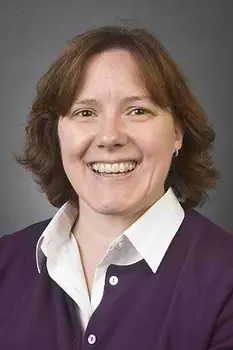
Bassett Health Center Little Falls Primary Care
Amy Grace is a primary care provider, practicing in Family Medicine in Little Falls, New York. Dr. Grace is rated as an Experienced provider by MediFind in the treatment of Kaufman Oculocerebrofacial Syndrome. She is also highly rated in 12 other conditions, according to our data. Her clinical expertise encompasses Hypothyroidism, Obesity in Children, Enlarged Prostate (BPH), and Familial Hypertension. Dr. Grace is currently accepting new patients.
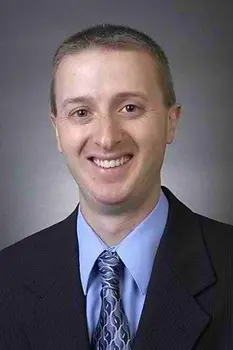
Bassett Health Center Cobleskill
John Novak is a primary care provider, practicing in Internal Medicine in Cobleskill, New York. Dr. Novak is rated as an Experienced provider by MediFind in the treatment of Kaufman Oculocerebrofacial Syndrome. He is also highly rated in 14 other conditions, according to our data. His clinical expertise encompasses Relapsing Multiple Sclerosis (RMS), Enlarged Prostate (BPH), Type 2 Diabetes (T2D), and Lymphangitis. Dr. Novak is currently accepting new patients.
Published Date: January 01, 2017
Published By: National Institutes of Health