The 20 Best CACH Syndrome Doctors Near Me in Maryland, US
Find the Top CACH Syndrome Experts and Specialists
Johns Hopkins University
Peter Calabresi is a Neurologist practicing medicine in Baltimore, Maryland. Dr. Calabresi is rated as an Elite provider by MediFind in the treatment of CACH Syndrome. He is also highly rated in 16 other conditions, according to our data. His clinical expertise encompasses Multiple Sclerosis (MS), Optic Neuritis, Relapsing Multiple Sclerosis (RMS), and CACH Syndrome.
Office
Irene Cortese is a Neurologist practicing medicine in Baltimore, Maryland. Dr. Cortese is rated as an Elite provider by MediFind in the treatment of CACH Syndrome. She is also highly rated in 7 other conditions, according to our data. Her clinical expertise encompasses Progressive Multifocal Leukoencephalopathy, CACH Syndrome, Encephalitis, and Multiple Sclerosis (MS).

Johns Hopkins Outpatient Center
Brenda Banwell is the director of the Department of Pediatrics, as well as pediatrician-in-chief and co-director of Johns Hopkins Children’s Center, where she helps manage the hospital’s many clinical and research centers. Dr. Banwell is a renowned expert in the research and treatment of pediatric multiple sclerosis (MS) and other neuroimmune disorders. She specializes in and studies the use of neuroimaging to assess the clinical and cognitive impact of the conditions, as well as the function of the immune system in children with these disorders. She also created a standardized clinical care algorithm and clinical database in order to evaluate the clinical impact of MS. Dr. Banwell has published more than 250 manuscripts in high-impact journals, along with over 25 book chapters. In addition, she has over 200 national and international invited lectureships and visiting professorships. An advocate for pediatric multiple sclerosis needs and research, Dr. Banwell serves as chair of the International Medical and Scientific Board of the Multiple Sclerosis International Federation, and the Myelin Oligodendrocyte Glycoprotein Antibody–Associated Disease (MOGAD) International Research Consortium. She is also chair of the pediatric committee of the National Institutes of Health NeuroNEXT program, which conducts studies on treatments for neurological diseases through academic, private, and industry collaborations. Dr. Banwell currently serves as past-chair of the International Pediatric Multiple Sclerosis Study Group, Dr. Banwell earned her medical degree from the University of Western Ontario. She later completed a residency in pediatrics at the University of Western Ontario-Children's Hospital of Western Ontario and a second residency in pediatric neurology at University of Toronto – The Hospital for Sick Children. Her residencies were followed by a fellowship in neuromuscular research at Mayo Clinic. Dr. Banwell is rated as a Distinguished provider by MediFind in the treatment of CACH Syndrome. She is also highly rated in 16 other conditions, according to our data. Her clinical expertise encompasses Multiple Sclerosis (MS), CACH Syndrome, Optic Neuritis, and Transverse Myelitis. Dr. Banwell is board certified in Royal College Of Physicians And Surgeons Of Canada.
Kennedy Krieger Institute
Eric Mallack is a Pediatric Neurologist and a Neurologist practicing medicine in Baltimore, Maryland. Dr. Mallack is rated as a Distinguished provider by MediFind in the treatment of CACH Syndrome. He is also highly rated in 4 other conditions, according to our data. His clinical expertise encompasses Adrenoleukodystrophy (ALD), CACH Syndrome, Early Infantile Epileptic Encephalopathy, and Leukodystrophy. Dr. Mallack is board certified in American Board Of Psychiatry And Neurology.

Johns Hopkins Hospital
Avindra Nath is a Neurologist practicing medicine in Baltimore, Maryland. Dr. Nath is rated as a Distinguished provider by MediFind in the treatment of CACH Syndrome. He is also highly rated in 15 other conditions, according to our data. His clinical expertise encompasses Progressive Multifocal Leukoencephalopathy, Encephalitis, CACH Syndrome, and Stroke.

Johns Hopkins Outpatient Center
Neurologist Scott Newsome specializes in the care of patients with neuroimmunological and neuroinflammatory disorders of the central nervous system. He works within the Division of Neuroimmunology and Neurological Infections at The Johns Hopkins Hospital, and has special interest in evaluating and treating patients with multiple sclerosis, transverse myelitis, neuromyelitis optica and stiff person syndrome. After completing fellowship training, Dr. Newsome joined the Johns Hopkins Multiple Sclerosis and Transverse Myelitis Centers, and he is the director of the Johns Hopkins Neurosciences Consultation and Infusion Center and the Stiff Person Syndrome Center. He is also director of the Johns Hopkins Neuroimmunology and Neurological Infectious Disease Fellowship Program and co-director of the Multiple Sclerosis Experimental Therapeutics Program. Dr. Newsome received his medical degree from the New York College of Osteopathic Medicine, with honors. During his neurology residency, he was awarded the Golden Apple Outstanding Resident Teaching Award, and later was chosen to be chief resident. He subsequently completed a fellowship in neuroimmunology at The Johns Hopkins Hospital with the support of a Sylvia Lawry Physician Fellowship Award from the National Multiple Sclerosis Society. Identifying and testing novel therapies and therapeutic strategies for multiple sclerosis and other neuroimmunological disorders is Dr. Newsome’s main research focus. Other research endeavors include validating the use of new quantitative clinical outcome measures and imaging techniques in multiple sclerosis and identifying risk factors of disease onset and severity, response to treatment and long-term outcomes in neuroimmunological disorders. An adviser for the National Multiple Sclerosis Society and a member of the Miller-Coulson Academy of Clinical Excellence, Dr. Newsome has also served as president of the Consortium of Multiple Sclerosis Centers. Dr. Newsome is rated as an Advanced provider by MediFind in the treatment of CACH Syndrome. He is also highly rated in 15 other conditions, according to our data. His clinical expertise encompasses Stiff Person Syndrome, Multiple Sclerosis (MS), Transverse Myelitis, and Relapsing Multiple Sclerosis (RMS). Dr. Newsome is board certified in American Board Of Psychiatry And Neurology.

Rubenstein Child Health Building
Dr. Gerald Raymond is a clinical geneticist and neurologist at Johns Hopkins where he is also a professor of genetic medicine and neurology. He obtained his MD at the University of Connecticut and was trained in Pediatrics at Johns Hopkins Hospital and Neurology at the Mass. General Hospital. He received additional training in developmental neuropathology at the Universite Catholique de Louvain in Belgium and clinical genetics at the Harvard Program. Dr. Raymond’s research has been at the overlap of genetics and neurology with specific focus on peroxisomal disorders including adrenoleukodystrophy. He has been actively involved in newborn screening for ALD and in developing clinical follow-up programs. He has extensive experience in clinical management of neurogenetic issues including peroxisomal and lysosomal disorders. He presently serves as the Director of the Lysosomal Storage Disease program in the department of Genetic Medicine. Dr. Raymond is rated as an Advanced provider by MediFind in the treatment of CACH Syndrome. He is also highly rated in 21 other conditions, according to our data. His clinical expertise encompasses Adrenoleukodystrophy (ALD), Metachromatic Leukodystrophy, Farber Lipogranulomatosis, and CACH Syndrome. Dr. Raymond is board certified in American Board Of Medical Genetics And Genomics and American Board Of Psychiatry And Neurology.

The Johns Hopkins Hospital
Paul Nyquist is a Neurologist and an Anesthesiologist practicing medicine in Baltimore, Maryland. Dr. Nyquist is rated as an Advanced provider by MediFind in the treatment of CACH Syndrome. He is also highly rated in 3 other conditions, according to our data. His clinical expertise encompasses Stroke, Subarachnoid Hemorrhage, CACH Syndrome, Apoplexy, and Thrombectomy. Dr. Nyquist is board certified in American Board Of Psychiatry And Neurology.

Johns Hopkins Outpatient Center
Dr. Bhargava developed an interest in immunology early in medical school at the Christian Medical College in Vellore, India. He then completed his neurology training at the Southern Illinois University School of Medicine and while there began research in the field of multiple sclerosis (MS). Following his neurology training he completed a 3-year fellowship at the Johns Hopkins University in neuroimmunology and neurological infections focusing on MS clinical care and research. His fellowship training was supported by a Sylvia Lawry physician fellowship award from the National MS Society. His main research interests include studying the role of inflammation in the meninges in progression of MS disease. He is currently involved in a trial testing the utility of injecting a drug called rituximab into the spinal fluid in patients with progressive MS. He is also developing an animal model of the process of meningeal inflammation to test other potential treatments. This work is supported by awards from the National MS Society, Race to Erase MS and the American Academy of Neurology. He is also actively involved in studying the role of measuring lipids and small molecule metabolites in serum and plasma to help identify new biomarkers for improved diagnosis and prognosis of the disease. These methods could also help in better tracking the effects of various interventions and in personalizing the treatment of patients with MS. Dr. Bhargava is rated as an Advanced provider by MediFind in the treatment of CACH Syndrome. He is also highly rated in 3 other conditions, according to our data. His clinical expertise encompasses Multiple Sclerosis (MS), Relapsing Multiple Sclerosis (RMS), CACH Syndrome, and Transverse Myelitis. Dr. Bhargava is board certified in American Board Of Psychiatry And Neurology.

Johns Hopkins Outpatient Center
Elias Sotirchos, M.D., specializes in the diagnosis, management and treatment of neuroimmunological disorders that involve the central nervous system, including multiple sclerosis (MS), neuromyelitis optica spectrum disorder (NMOSD), and myelin oligodendrocyte glycoprotein antibody-associated disease (MOGAD). His research focuses on developing and validating novel imaging and blood-based biomarkers of these conditions, and clinical trials of experimental therapeutic agents. Dr. Sotirchos earned his medical degree from the National and Kapodistrian University of Athens and subsequently completed his internship and neurology residency training at The Johns Hopkins Hospital. He then pursued advanced clinical and research training in neuroimmunology at Johns Hopkins as a National MS Society Sylvia Lawry Fellow. Dr. Sotirchos is rated as an Advanced provider by MediFind in the treatment of CACH Syndrome. He is also highly rated in 8 other conditions, according to our data. His clinical expertise encompasses Optic Neuritis, Multiple Sclerosis (MS), Neuromyelitis Optica, and Transverse Myelitis. Dr. Sotirchos is board certified in American Board Of Psychiatry And Neurology.

Johns Hopkins Outpatient Center
Dr. Mowry became interested in multiple sclerosis (MS) prior to beginning college and first performed MS research as an undergraduate biology major at Georgetown University. As a neurology resident at the University of Pennsylvania, she began her multiple sclerosis clinical research activities in conducting a study of visual dysfunction and quality of life in multiple sclerosis. During her fellowship at UCSF, Dr. Mowry evaluated prognostic factors in multiple sclerosis and examined health-related quality of life in multiple sclerosis, particularly as a marker of disease burden. She also earned a Master’s Degree in Clinical Research at UCSF. Dr. Mowry continued as a member of the faculty there before joining the Johns Hopkins Department of Neurology as an Assistant Professor in July, 2011; she received a joint appointment in Epidemiology in 2013. She was appointed as the inaugural Richard T. and Frances W. Johnson Professor in 2022. Over the past several years, Dr. Mowry has worked primarily to perform epidemiologic investigations of multiple sclerosis (MS) risk and prognostic factors and has evaluated both genetic and environmental contributors. While she has had a major role in several such studies, her most significant work led to the identification of the association of vitamin D status with relapse and brain lesion risk in patients with MS (Annals of Neurology 2010, Annals of Neurology 2012, European Journal of Neurology 2015). She also conducted the first pilot study comparing gut bacterial populations in patients with MS and healthy individuals (Journal of Investigative Medicine 2014). She was recently funded to investigate the impact of vitamin D supplementation on the metabolomics profile in patients with MS compared to healthy controls. She enjoys designing and conducting clinical trials in MS and is the Principal Investigator of the Vitamin D to Ameliorate Multiple Sclerosis (VIDAMS) multicenter vitamin D trial (NCT01490502), which is sponsored by the National MS Society and a smaller multicenter pilot study investigating vitamin D pharmacokinetics in MS patients and healthy controls (NCT01667796). She is also the recipient of a Harry Weaver Award from the National MS Society, in which she is investigating the impact of intermittent calorie restriction in MS. Finally, as Director of the MS Experimental Therapeutics Program at Johns Hopkins, she assists colleagues with study design and helps oversee the conduct of MS clinical trials. Dr. Mowry is rated as an Advanced provider by MediFind in the treatment of CACH Syndrome. She is also highly rated in 6 other conditions, according to our data. Her clinical expertise encompasses Multiple Sclerosis (MS), Relapsing Multiple Sclerosis (RMS), Optic Neuritis, and Neuromyelitis Optica. Dr. Mowry is board certified in American Board Of Psychiatry And Neurology.

Kennedy Krieger Institute
Dr. Fatemi received his medical degree from the Medical University of Vienna, Austria in 1999. After graduation, he served as a researcher and lecturer at the Institute for Medical Chemistry in Vienna and at the Department of Pediatrics at the Vienna General Hospital. He then moved to the United States to pursue a postdoctoral fellowship in neurogenetics and neuroimaging at Johns Hopkins University School of Medicine in 2001. During this initial period, Dr. Fatemi collaborated with a team of scientists and developed new imaging methods in patients with leukodystrophies (rare genetic diseases that affect the brain's white matter) and coordinated an internet-2 based imaging network for these diseases. He then left Kennedy Krieger Institute to train in general pediatrics and then completed a child neurology residency at the Massachusetts General Hospital, an affiliate of Harvard Medical School. Dr. Fatemi returned to the Kennedy Krieger Institute in 2008 as faculty. He is a member of the Child Neurology Society, the International Child Neurology Association, the Society for Neuroscience, the American Academy of Neurology and the International Society for Magnetic Resonance in Medicine. He has served as ad hoc reviewer for the Journals Child Development and American Journal of Neuroradiology. Dr. Fatemi is rated as an Advanced provider by MediFind in the treatment of CACH Syndrome. He is also highly rated in 8 other conditions, according to our data. His clinical expertise encompasses Adrenoleukodystrophy (ALD), CACH Syndrome, Canavan Disease, and Pelizaeus-Merzbacher Disease. Dr. Fatemi is board certified in American Board Of Psychiatry And Neurology.

Johns Hopkins Outpatient Center
Dr. Arun Venkatesan serves as Director of the Johns Hopkins Encephalitis Center, where he directs clinical activities and research. At the center he has developed a multidisciplinary program devoted to optimizing diagnosis and management of patients with infectious and autoimmune encephalitis and understanding mechanisms of disease in order to develop more effective treatments. He also plays an active role in the Johns Hopkins Multiple Sclerosis and Transverse Myelitis Centers. He received his undergraduate degree in biomedical engineering from the University of California, Berkeley in 1994, followed by a Ph.D. in microbiology and immunology and an M.D. from the University of California, Los Angeles. He completed his residency in neurology and fellowship in neuroinfectious and neuroinflammatory diseases at Johns Hopkins, after which he was appointed to the faculty in the department of neurology in 2007. His laboratory research focuses on defining causes and mechanisms of central nervous system injury in the setting of infection and neuroinflammation, with a goal towards developing protective and regenerative strategies. He has received funding from the National Institutes of Health, Howard Hughes Medical Institute, National Multiple Sclerosis Society, and Maryland Stem Cell Research Fund. Dr. Venkatesan is rated as an Advanced provider by MediFind in the treatment of CACH Syndrome. He is also highly rated in 13 other conditions, according to our data. His clinical expertise encompasses Encephalitis, Herpes Simplex Encephalitis, Anti-NMDA Receptor Encephalitis, and Multiple Sclerosis (MS). Dr. Venkatesan is board certified in American Board Of Psychiatry And Neurology.
Kennedy Krieger Associates
Amena Fine is a Pediatrics provider practicing medicine in Baltimore, Maryland. Dr. Fine is rated as an Advanced provider by MediFind in the treatment of CACH Syndrome. She is also highly rated in 2 other conditions, according to our data. Her clinical expertise encompasses Adrenoleukodystrophy (ALD), CACH Syndrome, HNRNPH2-Related Disorder, and Farber Lipogranulomatosis.

Johns Hopkins Health Care & Surgery Center - Green Spring Station, Lutherville
Dr. Richard Leigh is an Assistant Professor of Neurology who is devoted to the diagnosis, treatment and prevention of cerebrovascular disease. He is an attending on the inpatient stroke service and an integral part of the Brain Attack Team. He also provides consultations and follow-up care for cerebrovascular disease in the outpatient setting. Dr. Richard Leigh was originally trained as a biomedical engineer at the Johns Hopkins University and subsequently went on to work at the National Institutes of Health where he developed brain imaging software. He then embarked on obtaining his medical degree from Case Western Reserve School of Medicine in his home town of Cleveland, Ohio. He completed his medical internship and neurology residency at New York Presbyterian Hospital Weill Cornell Medical Center where he received the Distinguished House Staff Award and was selected to be Chief Resident of Neurology. Returning to Johns Hopkins, he then completed a stroke fellowship and subsequently joined the faculty of the cerebrovascular division. Dr. Leigh currently sees patients at the Stroke Prevention Clinic, located in the Johns Hopkins Outpatient Center in Baltimore on Wednesday afternoons, and cares for patients in The Johns Hopkins Hospitals Brain Rescue Unit. Dr. Leigh is rated as an Experienced provider by MediFind in the treatment of CACH Syndrome. He is also highly rated in 3 other conditions, according to our data. His clinical expertise encompasses Stroke, Brown Syndrome, CACH Syndrome, Emphysema, and Thrombectomy. Dr. Leigh is board certified in American Board Of Psychiatry And Neurology.

Johns Hopkins Outpatient Center
Dr. Kornberg completed his undergraduate studies at Yale University. He then received M.D. and Ph.D. degrees from the Johns Hopkins School of Medicine and stayed at Johns Hopkins for neurology residency and a clinical and research fellowship in neuroimmunology. He is committed to a career that combines the competent and compassionate care of patients with multiple sclerosis and other immunolgic disorders of the nervous system with basic and translational research aimed at developing improved therapies. Dr. Kornberg is rated as an Experienced provider by MediFind in the treatment of CACH Syndrome. He is also highly rated in 2 other conditions, according to our data. His clinical expertise encompasses Multiple Sclerosis (MS), Relapsing Multiple Sclerosis (RMS), CACH Syndrome, Optic Neuritis, and Microvascular Decompression.
Johns Hopkins Outpatient Center
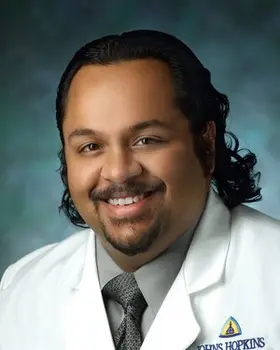
Dr. Ankur Butala specializes in the care of persons with complex neuropsychiatric conditions, including persons with advanced Parkinson Disease or other movement or neurodegenerative disorders. Upon graduating from a selective Physician-Scientist program at Albany Medical College, he joined the University of Massachusetts in an uncommon residency in both Neurology and Psychiatry. Dual-trained neuropsychiatrists such as Dr. Butala have experience with: Parkinson Disease and atypical Parkinsonism, Huntington Disease, Ataxia, Dystonia, early-onset dementia, traumatic brain injury and chronic traumatic encephalopathy, autism spectrum disorders, medication refractory mood and psychotic disorders, epilepsy and functional neurological disorders. In residency, he developed an interest in circuit models of brain function and how non-pharmacological approaches such as Neuromodulation and brain stimulation may be used to address treatment-resistant conditions. Consequently, he joined Johns Hopkins University School of Medicine as a Clinical and Research Fellow from 2015 to 2018, where he developed a skill set including deep brain stimulation, non-invasive brain stimulation (tDCS), and measurement of eye movements. Currently, Dr. Butala's clinical and research interests are in diagnosing and managing persons with advanced Parkinson's Disease, movement disorders, and neuropsychiatric conditions using neuromodulation, cannabinoids, and entheogens. He has ongoing multidisciplinary collaborations with colleagues at the Whiting School of Engineering - Center of Speech & Language Processing in using Machine-Learning Models and Artificial Intelligence to improve the detection and diagnosis of Movement and Neuropsychiatric disorders. LinkedIn https://www.linkedin.com/in/ankurbutalamd Videos Neurology: Junior Faculty Spotlight. Dr. Butala is rated as an Experienced provider by MediFind in the treatment of CACH Syndrome. He is also highly rated in 42 other conditions, according to our data. His clinical expertise encompasses Parkinson's Disease, Corticobasal Degeneration, Movement Disorders, Drug Induced Dyskinesia, and Deep Brain Stimulation. Dr. Butala is board certified in American Board Of Psychiatry And Neurology.
Johns Hopkins Outpatient Center
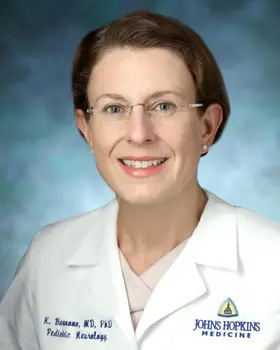
Dr. Barañano earned her M.D. and Ph.D. degrees from the Johns Hopkins University School of Medicine, where she also completed residencies in pediatrics and neurology, along with a fellowship in neurogenetics at the Kennedy Krieger Institute. Dr. Barañano is an Associate Professor of Clinical Neurology. She specializes in the diagnosis and management of rare neurogenetic disorders. She has a particular interest in the genetic control and function of the cerebellum and expertise in childhood-onset and inherited ataxias. She is a member of the multidisciplinary Fetal Management group and is available for prenatal consultations. Dr. Barañano's research includes collaborative efforts with the Johns Hopkins Department of Genetic Medicine and the Division of Neurogenetics at the Kennedy Krieger Institute. Dr. Baranano is rated as an Experienced provider by MediFind in the treatment of CACH Syndrome. She is also highly rated in 22 other conditions, according to our data. Her clinical expertise encompasses Hypotonia, Ohdo Syndrome, Say-Barber-Biesecker-Young-Simpson Variant, Focal or Multifocal Malformations in Neuronal Migration, and Spinocerebellar Ataxia Type 3. Dr. Baranano is board certified in American Board Of Psychiatry And Neurology.
The Johns Hopkins Hospital
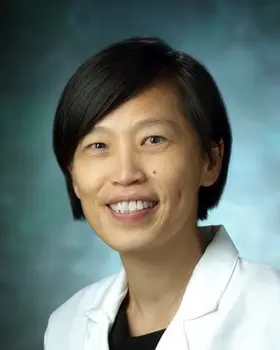
Dr. Doris Da May Lin is an Associate Professor in the Johns Hopkins Medicine Department of Radiology and Radiological Science. She specializes in neuroradiology. Dr. Lin received her B.A. in chemistry from the University of Pennsylvania, and then pursued a joint M.D./Ph.D. degree at the Yale University School of Medicine, with graduate training in the neurosciences. She completed a medical internship at the University of Pennsylvania Hospital and a diagnostic radiology residency at New York Presbyterian Hospital-Cornell. After a two-year neuroradiology fellowship, she joined the faculty at Johns Hopkins. Dr. Lin is rated as an Experienced provider by MediFind in the treatment of CACH Syndrome. She is also highly rated in 3 other conditions, according to our data. Her clinical expertise encompasses Parkes Weber Syndrome, Sturge-Weber Syndrome, Subdural Effusion, Meningioma, and Endovascular Embolization. Dr. Lin is board certified in American Board Of Radiology.

Johns Hopkins Outpatient Center
Neurologist Michelle C. Johansen specializes in prevention and treatment of stroke. She is the inaugural Guy McKhann Associate Professor of Neurology — the title was established in honor of the founder of the Johns Hopkins Department of Neurology. Dr. Johansen’s research and clinical interests focus on stroke etiology and vascular contributions to cognitive decline. She studies the intersection between the brain and the heart, specifically how changes in the heart’s structure and function point toward the cause of stroke and impact brain health, including cognition. She received the American Stroke Association’s Vascular Cognitive Impairment Award for her work showing that myocardial infarction is associated with acute and progressive decline in cognition, the American Academy of Neurology’s A.B. Baker Teacher Recognition Award and the Johns Hopkins Department of Neurology’s Clinical Faculty Brain Award for excellence in teaching. She has received multiple grants to fund her research from the National Institute of Neurological Disorders and Stroke, the National Institute on Aging and the American Heart Association. Dr. Johansen’s work has been published in many high-ranking medical journals such as The Journal of the American Medical Association, and she has been interviewed as an expert for news outlets such as CNN and Medical News Today, as well as for webinars and podcasts. She is a member of the American Neurological Association and chair of its Education Innovation Committee, and she is a fellow of the American Heart Association. She received her medical degree from the Medical College of Virginia, where she was inducted into the Alpha Omega Alpha Honor Society, and she earned a postdoctoral degree in clinical investigation from the Johns Hopkins Bloomberg School of Public Health. Dr. Johansen completed a medicine internship and neurology residency at the University of Virginia, followed by a clinical fellowship in cerebrovascular neurology at Johns Hopkins. She joined the Johns Hopkins Department of Neurology faculty in 2017. The Johansen Lab: johansenlab.org Videos Johns Hopkins Medicine A Woman's Journey Executive Women's Briefing 2021 Neurology: Junior Faculty Spotlight. Dr. Johansen is rated as an Experienced provider by MediFind in the treatment of CACH Syndrome. She is also highly rated in 2 other conditions, according to our data. Her clinical expertise encompasses Stroke, Siderosis, Cerebral Amyloid Angiopathy, Dementia, and Thrombectomy. Dr. Johansen is board certified in American Board Of Psychiatry And Neurology.
Last Updated: 04/28/2026