Metabolic SyndromeSymptoms, Doctors, Treatments, Advances & More
Learn About Metabolic Syndrome
Metabolic syndrome is a name for a group of risk factors that occur together and increase the chance of having coronary artery disease, stroke, and type 2 diabetes.
Insulin resistance syndrome; Syndrome X
Metabolic syndrome is very common in the United States. About one fourth of Americans are affected and risk increases with age and among certain ethnicities. Doctors are not sure whether the syndrome is due to one single cause. But many of the risks for the syndrome are related to obesity. Many people with metabolic syndrome used to be told they had pre-diabetes, early hypertension (high blood pressure) or mild hyperlipidemia (high fats in the blood).
The two most important risk factors for metabolic syndrome are:
- Extra weight around the middle and upper parts of the body (central obesity). This body type may be described as "apple-shaped."
- Insulin resistance -- Insulin is a hormone produced in the pancreas. Insulin is needed to help control the amount of sugar in the blood. Insulin resistance means that some cells in the body use insulin less effectively than normal. As a result, blood sugar level rises, which causes insulin production to rise. This may increase the amount of body fat.
Other risk factors include:
- Aging
- Genes that make you more likely to develop this condition
- Changes in male, female, and stress hormones
- Lack of exercise
People who have metabolic syndrome often have one or more other factors that may be linked with the condition, including:
- Increased risk for blood clotting
- Increased levels of blood substances that are a sign of inflammation throughout the body
- Small amounts of a protein called albumin in the urine
The goal of treatment is to reduce your risk for heart disease, stroke, and diabetes.
Your provider will recommend lifestyle changes or medicines:
- Lose weight. The goal is to lose between 7% and 10% of your current weight. You will probably need to eat 500 to 1,000 fewer calories per day. A variety of diet options can help people achieve this goal. There is no single ‘best’ diet to lose weight.
- Get 150 minutes a week of moderate intensity exercise such as walking. Do exercises to strengthen your muscles 2 days a week. High intensity exercise for shorter periods is another option. Check with your provider to see if you are healthy enough to start a new exercise program.
- Lower your cholesterol by eating healthier foods, losing weight, exercising, and taking cholesterol-lowering medicines, if needed.
- Lower your blood pressure by eating less salt, losing weight, exercising, and taking medicine, if needed.
Your provider may recommend daily low-dose aspirin.
If you smoke, now is the time to quit. Ask your provider for help quitting. There are medicines and programs that can help you quit.

Johns Hopkins Health Care & Surgery Center - Green Spring Station, Lutherville
Dr. Michael J. Blaha MD MPH is Professor of Cardiology and Epidemiology and presently serves as the Director of Clinical Research for the Johns Hopkins Ciccarone Center for the Prevention of Cardiovascular Disease, Director of the Cardiometabolic Clinic, and Program Director for the Preventive Cardiology Fellowship. His clinical interests include primary and secondary prevention of cardiovascular disease, with emphasis on early intervention in patients with advanced subclinical atherosclerosis detected with cardiac computed tomography. Dr. Blaha represents the 4th generation of physicians in his family. After earning a BS in pre-medical studies and classical civilization at the University of Notre Dame in 2001, Dr. Blaha went to Vanderbilt University where in 2006 he received his MD as well as an MPH. in clinical epidemiology and biostatistics. Dr. Blaha then completed his Internal Medicine residency in the Osler Medical Housestaff Training Program at Johns Hopkins in 2009 before completing a fellowship in Cardiology at Johns Hopkins in 2012. In 2018, Dr. Blaha received the Dr. Fred Brancati award at Johns Hopkins for excellence in mentoring. He has mentored over 30 trainees, many of which have gone on to hold prominent academic appointments. In 2021, Dr. Blaha was named to the Clarivate Highly Cited Researcher List, representing the top 1% of world’s researchers, and was first named to the Baltimore Magazine Best Doctors List. In 2022, he received the Arthur S. Agatston Cardiovascular Disease Prevention Award. Clinically, he practices as a preventive cardiologist specializing in cardiometabolic disease and in the interpretation of cardiac CT. His clinic specializes in patients with cardiometabolic disease and advanced subclinical atherosclerosis, and the focused use of an array of lifestyle and pharmacotherapies to mitigate that risk. Dr. Blaha is rated as an Elite provider by MediFind in the treatment of Metabolic Syndrome. He is also highly rated in 25 other conditions, according to our data. His clinical expertise encompasses Atherosclerosis, Coronary Heart Disease, High Cholesterol, Percutaneous Coronary Intervention (PCI), and Heart Bypass Surgery.
Texas Health Heart And Vascular Specialists
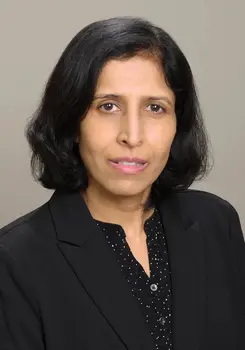
Dr. Geetha Ramaswamy was always inspired by her uncle, who practiced family medicine for more than 40 years. When she decided to attend medical school, she knew early on that she wanted to focus on cardiology because of the ever-evolving nature of the field. Dr. Ramaswamy is an interventional cardiologist with subspecialty board certification in adult echocardiology and nuclear cardiology. She is a Fellow of the American College of Cardiology and has been serving the heart and vascular needs of patients since 2006. After serving North Texas communities for several years, Dr. Ramaswamy spent more than a decade in Northern Arkansas as a trailblazer in the fields of radial interventional cardiology, women’s heart care and heart valve treatments. She returned to the DFW area in 2021 to continue her work in interventional/structural cardiology.Dr. Ramaswamy earned her Bachelor of Medicine and Surgery from Chennai Medical College in India. She completed her internal medicine residency at the University of Louisville in Kentucky. Dr. Ramaswamy completed her clinical cardiology fellowship at Barnes-Jewish Hospital-Washington University School of Medicine in St. Louis, Mo.She is also fellowship trained in advanced nuclear cardiology and interventional cardiology through Yale University School of Medicine in New Haven, Conn.Dr. Ramaswamy is fluent in the Tamil and Hindi languages. When not with her patients, she enjoys meditating and the practice of yoga to strengthen not only her physical being but also for the mental strength and emotional balance they provide. Dr. Ramaswamy is rated as a Distinguished provider by MediFind in the treatment of Metabolic Syndrome. She is also highly rated in 47 other conditions, according to our data. Her clinical expertise encompasses Unstable Angina, Angina, Coronary Heart Disease, Transcatheter Aortic Valve Replacement (TAVR), and Aortic Valve Replacement.

Texas Health Heart And Vascular Specialists
Sridevi Pitta is a Cardiologist and an Interventional Cardiologist practicing medicine in Denton, Texas. Dr. Pitta is rated as a Distinguished provider by MediFind in the treatment of Metabolic Syndrome. She is also highly rated in 55 other conditions, according to our data. Her clinical expertise encompasses Heart Attack, Apoplexy, Necrosis, Atherectomy, and Angioplasty.
People with metabolic syndrome have an increased long-term risk of developing heart disease, type 2 diabetes, stroke, kidney disease, and poor blood supply to the legs.
Contact your provider if you have signs or symptoms of this condition.
Summary: This prospective observational study investigates the association between personality traits and routine laboratory abnormalities in adults undergoing routine health assessment. Personality traits are assessed using the Five-Factor Personality Inventory (FFPI), while biochemical data are obtained from routine laboratory testing, including markers of glycemic status, liver function, lipid metabolis...
Background: The pituitary gland produces hormones. A tumor in this gland can cause it to produce too much of the hormone cortisol. Too much cortisol in the body causes Cushing disease. This disease causes many problems. Some of these problems might persist after the disease is cured.
Published Date: May 20, 2024
Published By: Sandeep K. Dhaliwal, MD, board-certified in Diabetes, Endocrinology, and Metabolism, Springfield, VA. Also reviewed by David C. Dugdale, MD, Medical Director, Brenda Conaway, Editorial Director, and the A.D.A.M. Editorial team.
American Heart Association website. About metabolic syndrome. www.heart.org/en/health-topics/metabolic-syndrome/about-metabolic-syndrome. Updated October 17, 2023. Accessed May 28, 2024.
National Heart, Lung, and Blood Institute website. Metabolic syndrome. www.nhlbi.nih.gov/health/metabolic-syndrome. Updated: May 18, 2022. Accessed May 28, 2024.
Raynor HA, Morgan-Bathke M, Baxter SD, et al. Position of the Academy of Nutrition and Dietetics: Medical nutrition therapy behavioral interventions provided by dietitians for adults with overweight or obesity, 2024. J Acad Nutr Diet. 2024 ;124(3):408-415. PMID: 38040115 pubmed.ncbi.nlm.nih.gov/38040115/.
Ruderman NB, Shulman GI. Metabolic syndrome In: Robertson RP, ed. DeGroot's Endocrinology. 8th ed. PA: Elsevier; 2023:chap 26.