Multiple Epiphyseal DysplasiaSymptoms, Doctors, Treatments, Advances & More
Learn About Multiple Epiphyseal Dysplasia
Multiple epiphyseal dysplasia is a disorder of cartilage and bone development primarily affecting the ends of the long bones in the arms and legs (epiphyses). There are two types of multiple epiphyseal dysplasia, which can be distinguished by their pattern of inheritance. Both the dominant and recessive types have relatively mild signs and symptoms, including joint pain that most commonly affects the hips and knees, early-onset arthritis, and a waddling walk. Although some people with multiple epiphyseal dysplasia have mild short stature as adults, most are of normal height. The majority of individuals are diagnosed during childhood; however, some mild cases may not be diagnosed until adulthood.
Mutations in the COMP, COL9A1, COL9A2, COL9A3, or MATN3 gene can cause dominant multiple epiphyseal dysplasia. These genes provide instructions for making proteins that are found in the spaces between cartilage-forming cells (chondrocytes). These proteins interact with each other and play an important role in cartilage and bone formation. Cartilage is a tough, flexible tissue that makes up much of the skeleton during early development. Most cartilage is later converted to bone, except for the cartilage that continues to cover and protect the ends of bones and is present in the nose and external ears.
The incidence of dominant multiple epiphyseal dysplasia is estimated to be at least 1 in 10,000 newborns. The incidence of recessive multiple epiphyseal dysplasia is unknown. Both forms of this disorder may actually be more common because some people with mild symptoms are never diagnosed.
Multiple epiphyseal dysplasia can have different inheritance patterns.

ETSU Physicians & Associates- Neonatology
Des Bharti is a Neonatologist practicing medicine in Johnson City, Tennessee. Dr. Bharti is rated as an Experienced provider by MediFind in the treatment of Multiple Epiphyseal Dysplasia. He is also highly rated in 1 other condition, according to our data. His clinical expertise encompasses Congenital Unilateral Pulmonary Hypoplasia, Patent Ductus Arteriosus, Symphalangism Distal, and Preeclampsia. Dr. Bharti is board certified in American Board Of Pediatrics.

Darshan Shah is a Neonatologist practicing medicine in Johnson City, Tennessee. Dr. Shah is rated as an Experienced provider by MediFind in the treatment of Multiple Epiphyseal Dysplasia. He is also highly rated in 3 other conditions, according to our data. His clinical expertise encompasses Neonatal Abstinence Syndrome, Congenital Unilateral Pulmonary Hypoplasia, Patent Ductus Arteriosus, and Omphalocele. Dr. Shah is board certified in American Board Of Pediatrics.
St. Christopher's Pediatric Associates Neonatology - E. Erie Avenue
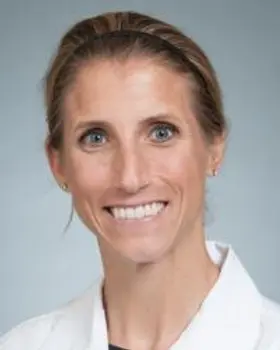
Kelley Kovatis is a Neonatologist and a Pediatrics provider practicing medicine in Philadelphia, Pennsylvania. Dr. Kovatis is rated as an Experienced provider by MediFind in the treatment of Multiple Epiphyseal Dysplasia. She is also highly rated in 1 other condition, according to our data. Her clinical expertise encompasses Premature Infant, Cerebral Hypoxia, Bronchopulmonary Dysplasia, and Polydactyly. Dr. Kovatis is board certified in American Board Of Pediatrics.
Published Date: November 01, 2014
Published By: National Institutes of Health