The 20 Best Multiple Myeloma Doctors Near Me in Flemington, NJ
Find the Top Multiple Myeloma Experts and Specialists
HMH - John Theurer Cancer Center - Hackensack
Noa Biran is an Oncologist and a Hematologist practicing medicine in Hackensack, New Jersey. Dr. Biran is rated as an Elite provider by MediFind in the treatment of Multiple Myeloma. She is also highly rated in 12 other conditions, according to our data. Her clinical expertise encompasses Multiple Myeloma, Relapsed Refractory Multiple Myeloma (RRMM), Plasmacytoma, Bone Marrow Transplant, and Bone Marrow Aspiration. Dr. Biran is board certified in American Board Of Internal Medicine , American Board Of Internal Medicine , and American Board Of Internal Medicine.
HMH - John Theurer Cancer Center - Hackensack
David Vesole is an Oncologist and a Hematologist practicing medicine in Hackensack, New Jersey. Dr. Vesole is rated as an Elite provider by MediFind in the treatment of Multiple Myeloma. He is also highly rated in 12 other conditions, according to our data. His clinical expertise encompasses Multiple Myeloma, Relapsed Refractory Multiple Myeloma (RRMM), Smoldering Multiple Myeloma, Monoclonal Gammopathy of Undetermined Significance (MGUS), and Bone Marrow Transplant. Dr. Vesole is board certified in American Board Of Internal Medicine.
HMH - John Theurer Cancer Center - Hackensack
Michele Donato is an Oncologist and a Hematologist practicing medicine in Hackensack, New Jersey. Dr. Donato is rated as an Elite provider by MediFind in the treatment of Multiple Myeloma. She is also highly rated in 37 other conditions, according to our data. Her clinical expertise encompasses Multiple Myeloma, Graft Versus Host Disease (GvHD), Acute Myeloid Leukemia (AML), Bone Marrow Transplant, and Colonoscopy. Dr. Donato is board certified in American Board Of Internal Medicine.
HMH - John Theurer Cancer Center - Hackensack
Harsh Parmar is an Oncologist and a Hematologist practicing medicine in Hackensack, New Jersey. Dr. Parmar is rated as an Elite provider by MediFind in the treatment of Multiple Myeloma. He is also highly rated in 7 other conditions, according to our data. His clinical expertise encompasses Multiple Myeloma, Relapsed Refractory Multiple Myeloma (RRMM), Smoldering Multiple Myeloma, Bone Marrow Transplant, and Bone Marrow Aspiration. Dr. Parmar is board certified in American Board Of Internal Medicine , American Board Of Internal Medicine , and American Board Of Internal Medicine.
John Theurer Cancer Center At
Scott Rowley is a Hematologist practicing medicine in Hackensack, New Jersey. Dr. Rowley is rated as an Elite provider by MediFind in the treatment of Multiple Myeloma. He is also highly rated in 15 other conditions, according to our data. His clinical expertise encompasses Multiple Myeloma, Acute Myeloid Leukemia (AML), Acute Myeloblastic Leukemia without Maturation, Bone Marrow Transplant, and Colonoscopy.
Memorial Sloan Kettering Bergen
Saad Usmani is a Hematologist and an Oncologist practicing medicine in Montvale, New Jersey. Dr. Usmani is rated as an Elite provider by MediFind in the treatment of Multiple Myeloma. He is also highly rated in 15 other conditions, according to our data. His clinical expertise encompasses Multiple Myeloma, Smoldering Multiple Myeloma, Relapsed Refractory Multiple Myeloma (RRMM), Bone Marrow Transplant, and Bone Marrow Aspiration. Dr. Usmani is currently accepting new patients.
Memorial Sloan Kettering Bergen
Neha Korde is a Hematologist and an Oncologist practicing medicine in Montvale, New Jersey. Dr. Korde is rated as an Elite provider by MediFind in the treatment of Multiple Myeloma. She is also highly rated in 13 other conditions, according to our data. Her clinical expertise encompasses Smoldering Multiple Myeloma, Multiple Myeloma, Monoclonal Gammopathy of Undetermined Significance (MGUS), Bone Marrow Transplant, and Bone Marrow Aspiration. Dr. Korde is currently accepting new patients.
Office
Gurbakhash Kaur is an Internal Medicine provider practicing medicine in Paramus, New Jersey. Dr. Kaur is rated as an Elite provider by MediFind in the treatment of Multiple Myeloma. She is also highly rated in 11 other conditions, according to our data. Her clinical expertise encompasses Multiple Myeloma, Relapsed Refractory Multiple Myeloma (RRMM), Smoldering Multiple Myeloma, Bone Marrow Transplant, and Bone Marrow Aspiration.
Sidney Kimmel Comprehensive Cancer Center — Cherry Hill
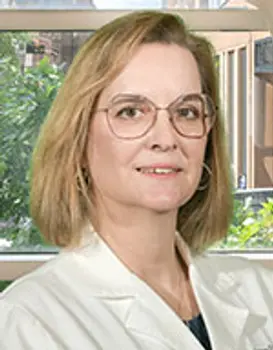
Joanne Filicko is an Oncologist and a Transplant Surgeon practicing medicine in Cherry Hill, New Jersey. Dr. Filicko is rated as a Distinguished provider by MediFind in the treatment of Multiple Myeloma. She is also highly rated in 26 other conditions, according to our data. Her clinical expertise encompasses Acute Myeloid Leukemia (AML), Chronic Lymphocytic Leukemia (CLL), Follicular Lymphoma, Multiple Myeloma, and Bone Marrow Transplant. Dr. Filicko is board certified in Medical Oncology and Hematology. Dr. Filicko is currently accepting new patients.

Atlantic Medical Group Hematology & Oncology At Summit
Dr. Dennis Lowenthal has dedicated his career to caring for cancer patients, particularly those with lung cancer. He is the medical director of Medical Diagnostics Associates Hematology and Oncology, which is part of the Atlantic Medical Group. He also serves as medical director of Atlantic Health System’s Carol G. Simon Cancer Center at Overlook Medical Center.Growing up in the Bronx, NY, Dr. Lowenthal attended the State University of New York at Buffalo where he graduated magna cum laude with a BA in biology. He earned his medical degree at Boston University School of Medicine, continued with a medical internship at the Cleveland Clinic, and returned to the Bronx to complete his medical residency and a hematology fellowship at Montefiore Hospital and Medical Center of the Albert Einstein College of Medicine. He subsequently completed a clinical Blood Bank Directors fellowship at the New York Blood Center and then went on to complete a medical oncology fellowship at Memorial Sloan-Kettering Cancer Center where he served as Chief Fellow and Special Clinical Fellow in AIDS-related malignancies.Dr. Lowenthal considers coming to Overlook Medical Center 32 years ago one of his best life decisions, working with his colleagues to help create the Carol G. Simon Cancer Center at Overlook Medical Center. He serves as chairman of the hospital’s Cancer Committee and Cancer Center Executive Committee, and has been the long-standing section chief for Hematology/Oncology. He is co-chairman of Thoracic Oncology and the Thoracic Tumor Board at Atlantic Health System and is the principal investigator for lung cancer clinical trials conducted at Overlook Medical Center – specifically, serving as the principal investigator for the first immunotherapy approved for the treatment of lung cancer. Dr. Lowenthal is a past recipient of Overlook’s Physician Excellence in Clinical Practice award and has been an associate professor of Clinical Medicine at Columbia University College of Physicians and Surgeons, Mount Sinai School of Medicine, and currently the Sidney Kimmel Medical College at Thomas Jefferson University. Dr. Lowenthal is rated as a Distinguished provider by MediFind in the treatment of Multiple Myeloma. He is also highly rated in 17 other conditions, according to our data. His clinical expertise encompasses Pleuropulmonary Blastoma, ALK-Positive Non-Small Cell Lung Cancer, Lung Adenocarcinoma, and Small Cell Lung Cancer (SCLC). Dr. Lowenthal is board certified in American Board Of Internal Medicine. Dr. Lowenthal is currently accepting new patients.
HMH - John Theurer Cancer Center - Hackensack
Pooja Phull is a Hematologist Oncology provider practicing medicine in Hackensack, New Jersey. Dr. Phull is rated as a Distinguished provider by MediFind in the treatment of Multiple Myeloma. She is also highly rated in 7 other conditions, according to our data. Her clinical expertise encompasses Multiple Myeloma, Relapsed Refractory Multiple Myeloma (RRMM), Smoldering Multiple Myeloma, Bone Marrow Transplant, and Bone Marrow Aspiration. Dr. Phull is board certified in American Board Of Internal Medicine and Hematology.
HMH - John Theurer Cancer Center - Hackensack
David Siegel is an Oncologist and a Hematologist practicing medicine in Hackensack, New Jersey. Dr. Siegel is rated as a Distinguished provider by MediFind in the treatment of Multiple Myeloma. He is also highly rated in 7 other conditions, according to our data. His clinical expertise encompasses Relapsed Refractory Multiple Myeloma (RRMM), Multiple Myeloma, Smoldering Multiple Myeloma, and Monoclonal Gammopathy of Undetermined Significance (MGUS). Dr. Siegel is board certified in American Board Of Internal Medicine.
HMH - John Theurer Cancer Center - Hackensack
Sukhdeep Kaur is an Oncologist and a Hematologist practicing medicine in Hackensack, New Jersey. Dr. Kaur is rated as a Distinguished provider by MediFind in the treatment of Multiple Myeloma. She is also highly rated in 14 other conditions, according to our data. Her clinical expertise encompasses Acute Myeloblastic Leukemia without Maturation, Acute Myeloid Leukemia (AML), Multiple Myeloma, Bone Marrow Transplant, and Colonoscopy. Dr. Kaur is board certified in American Board Of Internal Medicine and Hematology.
Meridian Medical Group - Specialty Care
Paul Chung is a Hematologist Oncology provider practicing medicine in Manahawkin, New Jersey. Dr. Chung is rated as a Distinguished provider by MediFind in the treatment of Multiple Myeloma. He is also highly rated in 59 other conditions, according to our data. His clinical expertise encompasses Thrombocytopenia, Multiple Myeloma, Lung Cancer, Familial Pancreatic Cancer, and Bone Marrow Aspiration. Dr. Chung is board certified in American Board Of Internal Medicine , American Board Of Internal Medicine , and American Board Of Internal Medicine.
HMH - Hematology Oncology - Brick
Randi Katz is a Hematologist Oncology provider practicing medicine in Brick, New Jersey. Dr. Katz is rated as a Distinguished provider by MediFind in the treatment of Multiple Myeloma. She is also highly rated in 22 other conditions, according to our data. Her clinical expertise encompasses Thrombocytopenia, Paget Disease of the Breast, Lung Cancer, Multiple Myeloma, and Bone Marrow Aspiration. Dr. Katz is board certified in American Board Of Internal Medicine and American Board Of Internal Medicine.
Advanced Cancer Care Of New Jersey, PC
Chirag Shah is a Hematologist practicing medicine in Toms River, New Jersey. Dr. Shah is rated as a Distinguished provider by MediFind in the treatment of Multiple Myeloma. He is also highly rated in 32 other conditions, according to our data. His clinical expertise encompasses Childhood Iron Deficiency Anemia, Chronic Lymphocytic Leukemia (CLL), Subacute Combined Degeneration, Familial Colorectal Cancer, and Bone Marrow Aspiration. Dr. Shah is board certified in American Board Of Internal Medicine and Internal Medicine.
Summit Medical Group
Jennifer Reeder is a Hematologist and an Oncologist practicing medicine in Berkeley Heights, New Jersey. Dr. Reeder is rated as a Distinguished provider by MediFind in the treatment of Multiple Myeloma. She is also highly rated in 6 other conditions, according to our data. Her clinical expertise encompasses Thrombocytopenia, Childhood Iron Deficiency Anemia, Multiple Myeloma, and Breast Cancer. Dr. Reeder is board certified in American Board Of Internal Medicine. Dr. Reeder is currently accepting new patients.
Meridian Medical Group - Specialty Care
Jatin Desani is a Hematologist Oncology provider practicing medicine in Manahawkin, New Jersey. Dr. Desani is rated as a Distinguished provider by MediFind in the treatment of Multiple Myeloma. He is also highly rated in 52 other conditions, according to our data. His clinical expertise encompasses Lung Cancer, Pleuropulmonary Blastoma, Paget Disease of the Breast, and Small Cell Lung Cancer (SCLC). Dr. Desani is board certified in American Board Of Internal Medicine and Medical Oncology.
Princeton Medical Group Oncology And Hematology - Plainsboro Office
Thomas Blom is a Hematologist and an Oncologist practicing medicine in Plainsboro, New Jersey. Dr. Blom is rated as a Distinguished provider by MediFind in the treatment of Multiple Myeloma. He is also highly rated in 33 other conditions, according to our data. His clinical expertise encompasses Non-Hodgkin Lymphoma, Multiple Myeloma, Inflammatory Breast Cancer, and Polycythemia Vera. Dr. Blom is board certified in Hematology, 2009 and Medical Oncology, 2009. Dr. Blom is currently accepting new patients.
HMH - John Theurer Cancer Center - Neptune
Michael Levitt is a Hematologist Oncology provider practicing medicine in Neptune, New Jersey. Dr. Levitt is rated as a Distinguished provider by MediFind in the treatment of Multiple Myeloma. He is also highly rated in 51 other conditions, according to our data. His clinical expertise encompasses Paget Disease of the Breast, Inflammatory Breast Cancer, Small Cell Lung Cancer (SCLC), Bone Marrow Aspiration, and Endoscopy. Dr. Levitt is board certified in American Board Of Internal Medicine , American Board Of Internal Medicine , and American Board Of Internal Medicine.
Last Updated: 06/30/2026