Neuralgia Treatments
Find Neuralgia Treatments
Gabapentin
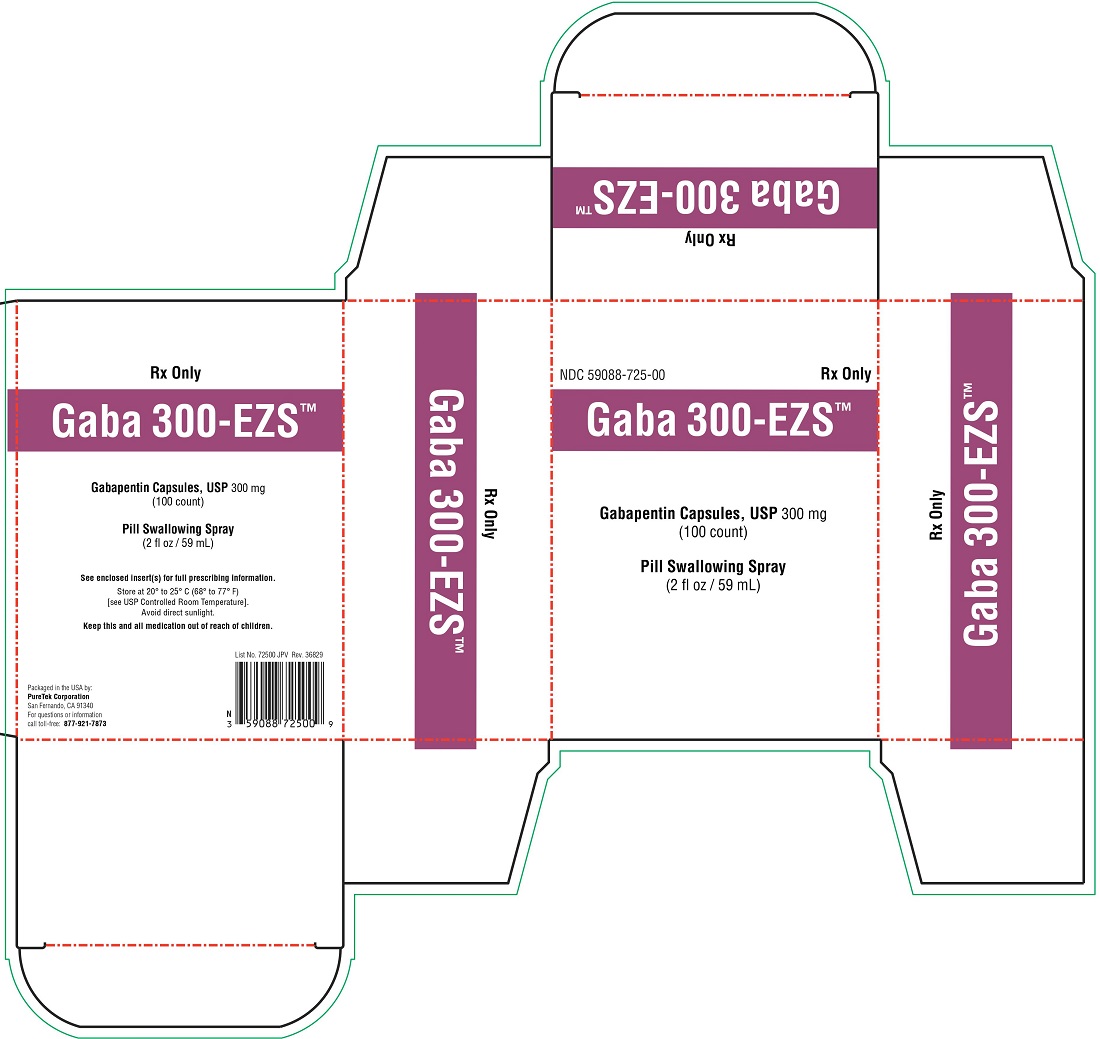
What is Gaba 300-EZS (Gabapentin)?


Related Clinical Trials
Summary: The aim of this study is to compare the safety and efficacy of theophylline, sumatriptan, and gabapentin in the treatment of post-dural puncture headache.
Summary: This phase III trial tests if gabapentin can prevent the need for opiate pain medication for mouth sores (oral mucositis) in patients undergoing treatment with chemotherapy and radiation for squamous cell carcinoma of the head and neck region. Oral mucositis is a common side effect of radiation treatment and can cause severe pain, dysphagia, and weight loss resulting in feeding tube placement, wor...
Summary: The study investigators are interested in learning more about how drugs, that are given to children by their health care provider, act in the bodies of children and young adults in hopes to find the most safe and effective dose for children. The primary objective of this study is to evaluate the PK of understudied drugs currently being administered to children per SOC as prescribed by their treati...
Related Latest Advances
Brand Information
- Management of postherpetic neuralgia in adults
- Adjunctive therapy in the treatment of partial onset seizures, with and without secondary generalization, in adults and pediatric patients 3 years and older with epilepsy
- Drug Reaction with Eosinophilia and Systemic Symptoms (DRESS)/Multiorgan Hypersensitivity
- Anaphylaxis and Angioedema
- Somnolence/Sedation and Dizziness
- Withdrawal Precipitated Seizure, Status Epilepticus
- Suicidal Behavior and Ideation
- Neuropsychiatric Adverse Reactions (Pediatric Patients 3 to 12 Years of Age)
- Sudden and Unexplained Death in Patients with Epilepsy
- thoughts about suicide or dying
- attempts to commit suicide
- new or worse depression
- new or worse anxiety
- feeling agitated or restless
- panic attacks
- trouble sleeping (insomnia)
- new or worse irritability
- acting aggressive, being angry, or violent
- acting on dangerous impulses
- an extreme increase in activity and talking (mania)
- other unusual changes in behavior or mood
- Pay attention to any changes, especially sudden changes, in mood, behaviors, thoughts, or feelings.
- Keep all follow-up visits with your healthcare provider as scheduled.
- Stopping gabapentin capsules suddenly can cause serious problems. Stopping a seizure medicine suddenly in a patient who has epilepsy can cause seizures that will not stop (status epilepticus).
- Suicidal thoughts or actions can be caused by things other than medicines. If you have suicidal thoughts or actions, your healthcare provider may check for other causes.
- skin rash
- hives
- difficulty breathing
- fever
- swollen glands that do not go away
- swelling of your face, lips, throat, or tongue
- yellowing of your skin or of the whites of the eyes
- unusual bruising or bleeding
- severe fatigue or weakness
- unexpected muscle pain
- frequent infections
- Pain from damaged nerves (postherpetic pain) that follows healing of shingles (a painful rash that comes after a herpes zoster infection) in adults.
- Partial seizures when taken together with other medicines in adults and children 3 years of age and older with seizures.
- have or have had kidney problems or are on hemodialysis
- have or have had depression, mood problems, or suicidal thoughts or behavior
- have diabetes
- are pregnant or plan to become pregnant. It is not known if gabapentin can harm your unborn baby. Tell your healthcare provider right away if you become pregnant while taking gabapentin capsules. You and your healthcare provider will decide if you should take gabapentin capsules while you are pregnant.
- are breastfeeding or plan to breastfeed. Gabapentin can pass into breast milk. You and your healthcare provider should decide how you will feed your baby while you take gabapentin capsules.
- Take gabapentin capsules exactly as prescribed. Your healthcare provider will tell you how much gabapentin capsules to take.
- Do not drink alcohol or take other medicines that make you sleepy or dizzy while taking gabapentin capsules without first talking with your healthcare provider. Taking gabapentin capsules with alcohol or drugs that cause sleepiness or dizziness may make your sleepiness or dizziness worse.
- Do not drive, operate heavy machinery, or do other dangerous activities until you know how gabapentin capsules affect you. Gabapentin can slow your thinking and motor skills.
- problems driving while using gabapentin. See “What I should avoid while taking gabapentin capsules?”
- sleepiness and dizziness, which could increase the occurrence of accidental injury, including falls
- The most common side effects of gabapentin include:
- Store gabapentin capsules between 68°F to 77°F (20°C to 25°C).