Osteitis FibrosaSymptoms, Doctors, Treatments, Advances & More
Learn About Osteitis Fibrosa
Osteitis fibrosa is a complication of hyperparathyroidism, a condition in which overactive parathyroid glands cause certain bones to become abnormally weak and deformed.
Osteitis fibrosa cystica; Hyperparathyroidism - osteitis fibrosa; Brown tumor of bone
The parathyroid glands are 4 tiny glands in the neck. These glands produce parathyroid hormone (PTH). PTH helps regulate calcium, phosphorus, and vitamin D levels in the blood and is important for healthy bones.
Too much PTH (hyperparathyroidism) can lead to increased bone breakdown, which can cause bones to become weaker and more fragile. Many people with hyperparathyroidism eventually develop osteoporosis. Not all bones respond to PTH in the same way. Some develop abnormal areas where the bone is very soft and has almost no calcium in it. This is osteitis fibrosa.
In rare cases, parathyroid cancer causes osteitis fibrosa.
Osteitis fibrosa is now very rare in people who have hyperparathyroidism and good access to medical care. It is more common in people who develop hyperparathyroidism at a young age, or have untreated hyperparathyroidism for a long time.
Osteitis fibrosa may cause bone pain or tenderness. There may be fractures (breaks) in the arms, legs, or spine, or other bone problems.
Hyperparathyroidism itself may cause any of the following:
- Nausea
- Constipation
- Fatigue
- Frequent urination
- Weakness
Most of the bone problems from osteitis fibrosa can be reversed with surgery to remove the abnormal parathyroid gland(s). Some people may choose not to have surgery, and instead be followed with blood tests and bone measurements.
If surgery is not possible, medicines can sometimes be used to lower the blood calcium level.
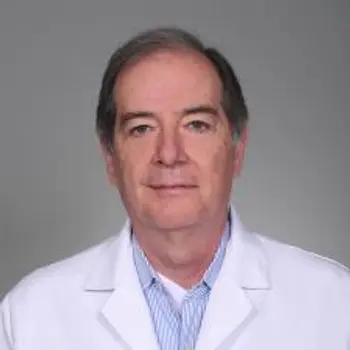
Reading Hospital Endocrinology & Diabetes Center Wyomissing
Ilan Gabriely is an Internal Medicine specialist and an Endocrinologist practicing medicine in Wyomissing, Pennsylvania. Dr. Gabriely is rated as a Distinguished provider by MediFind in the treatment of Osteitis Fibrosa. He is also highly rated in 59 other conditions, according to our data. His clinical expertise encompasses Low Blood Sugar, Hyperparathyroidism, Thyroid Cancer, and Anaplastic Thyroid Cancer. Dr. Gabriely is board certified in American Board Of Internal Medicine.

Avera Endocrinology & Diabetes — Dawley Farm
Dr. Marie Angelica A. Diaz provides expert care for endocrine issues at Avera Medical Group Endocrinology & Diabetes in Sioux Falls, SD. Dr. Diaz is rated as a Distinguished provider by MediFind in the treatment of Osteitis Fibrosa. She is also highly rated in 18 other conditions, according to our data. Her clinical expertise encompasses Neonatal Severe Hyperparathyroidism, Osteitis Fibrosa, Familial Isolated Hyperparathyroidism, and Parathyroid Hyperplasia. Dr. Diaz is board certified in American Board Of Internal Medicine - Endocrinology, Diabetes, And Metabolism BLS ACLS NIHSS.
Office
Rachel Gafni is a Pediatric Endocrinologist practicing medicine in Bethesda, Maryland. Dr. Gafni is rated as an Elite provider by MediFind in the treatment of Osteitis Fibrosa. She is also highly rated in 9 other conditions, according to our data. Her clinical expertise encompasses Autosomal Dominant Hypocalcemia, Osteomalacia, Osteitis Fibrosa, Malnutrition, and Hormone Replacement Therapy (HRT).
Complications of osteitis fibrosa include any of the following:
- Bone fractures
- Deformities of bone
- Pain
- Problems due to hyperparathyroidism, such as kidney stones and kidney failure
Contact your health care provider if you have bone pain, tenderness, or symptoms of hyperparathyroidism.
Routine blood tests done during a medical checkup or for another health problem usually detect a high calcium level before severe damage is done.
Summary: Polyostotic fibrous dysplasia (PFD) is a sporadic disorder which affects multiple sites in the skeleton. The bone at these sites is rapidly resorbed and replaced by abnormal fibrous tissue or mechanically abnormal bone. PFD may occur alone or as part of the McCune-Albright Syndrome (MAS), a syndrome originally defined by the triad of PFD, cafe-au-lait pigmentation of the skin, and precocious puber...
Summary: Fibrous dysplasia is a benign, pseudotumoral, genetic but non-hereditary condition characterized by the presence of one or more areas of abnormal bone development in which the normal structure is replaced by fibrous tissue. It is an extremely heterogeneous condition, as it can be monostotic, polyostotic, or panostotic, or it may occur within the context of more complex syndromes such as McCune-Alb...
Published Date: May 18, 2026
Published By: Sandeep K. Dhaliwal, MD, board-certified in Diabetes, Endocrinology, and Metabolism, Springfield, VA. Also reviewed by David C. Dugdale, MD, Medical Director, Brenda Conaway, Editorial Director, and the A.D.A.M. Editorial team.
Bilezikian JP, Walker MD, Binkley N, Goltzman D, Mannstadt M. Hormones and disorders of mineral metabolism. In Melmed S, Auchus RJ, Goldfine AB, Rosen CJ, Kopp PA, eds. Williams Textbook of Endocrinology. 15th ed. Philadelphia, PA: Elsevier; 2025:chap 27.
Patsch JM, Krestan CR. Metabolic and endocrine skeletal disease. In: Adam A, Dixon AK, Gillard JH, Schaefer-Prokop CM, eds. Grainger & Allison's Diagnostic Radiology. 7th ed. Philadelphia, PA: Elsevier; 2021:chap 43.
Thakker RV. The parathyroid glands, hypercalcemia and hypocalcemia. In: Goldman L, Cooney KA, eds. Goldman-Cecil Medicine. 27th ed. Philadelphia, PA: Elsevier; 2024:chap 227.