Otopalatodigital Syndrome Type 1Symptoms, Doctors, Treatments, Advances & More
Learn About Otopalatodigital Syndrome Type 1
Otopalatodigital syndrome type 1 is a disorder primarily involving abnormalities in skeletal development. It is a member of a group of related conditions called otopalatodigital spectrum disorders, which also includes otopalatodigital syndrome type 2, frontometaphyseal dysplasia, Melnick-Needles syndrome, and terminal osseous dysplasia. In general, these disorders involve hearing loss caused by malformations in the tiny bones in the ears (ossicles), problems in the development of the roof of the mouth (palate), and skeletal abnormalities involving the fingers or toes (digits).
Otopalatodigital syndrome type 1 is caused by mutations in the FLNA gene. The FLNA gene provides instructions for producing the protein filamin A, which helps build the network of protein filaments (cytoskeleton) that gives structure to cells and allows them to change shape and move. Filamin A attaches (binds) to another protein called actin, and helps the actin to form the branching network of filaments that make up the cytoskeleton. Filamin A also links actin to many other proteins to perform various functions within the cell.
Otopalatodigital syndrome type 1 is a rare disorder, affecting fewer than 1 in every 100,000 individuals. Its specific incidence is unknown.
This condition is inherited in an X-linked pattern. A condition is considered X-linked if the mutated gene that causes the disorder is located on the X chromosome, one of the two sex chromosomes in each cell. In males, who have only one X chromosome, a mutation in the only copy of the gene in each cell is sufficient to cause the condition. In females, who have two copies of the X chromosome, one altered copy of the gene in each cell can lead to less severe features of the condition or may cause no signs or symptoms at all. A characteristic of X-linked inheritance is that fathers cannot pass X-linked traits to their sons.
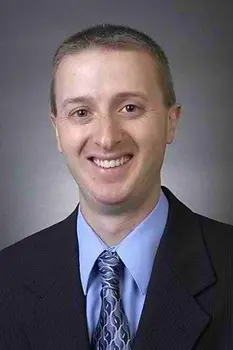
Bassett Health Center Cobleskill
John Novak is a primary care provider, practicing in Internal Medicine in Cobleskill, New York. Dr. Novak is rated as an Experienced provider by MediFind in the treatment of Otopalatodigital Syndrome Type 1. He is also highly rated in 14 other conditions, according to our data. His clinical expertise encompasses Relapsing Multiple Sclerosis (RMS), Enlarged Prostate (BPH), Type 2 Diabetes (T2D), and Lymphangitis.
ETSU Physicians & Associates- Pediatrics
Alvaro Russi is a Pediatrics provider practicing medicine in Johnson City, Tennessee. Dr. Russi is rated as an Experienced provider by MediFind in the treatment of Otopalatodigital Syndrome Type 1. He is also highly rated in 125 other conditions, according to our data. His clinical expertise encompasses Increased Head Circumference, Ehlers-Danlos Syndrome (EDS), Chromosome 8p Deletion, and Chromosome 6q Duplication. Dr. Russi is board certified in American Board Of Pediatrics and American Board Of Medical Genetics.
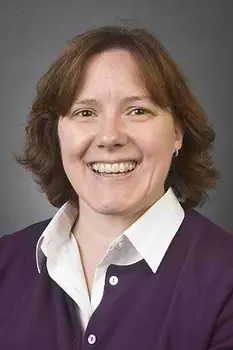
Bassett Health Center Little Falls Primary Care
Amy Grace is a primary care provider, practicing in Family Medicine in Little Falls, New York. Dr. Grace is rated as an Experienced provider by MediFind in the treatment of Otopalatodigital Syndrome Type 1. She is also highly rated in 12 other conditions, according to our data. Her clinical expertise encompasses Hypothyroidism, Obesity in Children, Enlarged Prostate (BPH), and Glucocorticoid-Remediable Aldosteronism.
Published Date: July 01, 2020
Published By: National Institutes of Health