Parathyroid CancerSymptoms, Doctors, Treatments, Advances & More
Learn About Parathyroid Cancer
Parathyroid cancer is a cancerous (malignant) growth in a parathyroid gland.
Parathyroid carcinoma
The parathyroid glands control the calcium level in the body. There are 4 parathyroid glands, 2 on top of each lobe of the thyroid gland, which is located at the base of the neck.
Parathyroid cancer is a very rare type of cancer. It affects men and women equally. The cancer often occurs in people older than 30.
The cause of parathyroid cancer is unknown. People with a genetic conditions called multiple endocrine neoplasia type I and hyperparathyroidism-jaw tumor syndrome have an increased risk for this disease. People who had head or neck radiation also may be at increased risk. But this type of radiation is more likely to cause thyroid cancer.
Symptoms of parathyroid cancer are mainly caused by a high level of calcium in the blood (hypercalcemia), and may affect different parts of the body.
Symptoms include:
- Bone pain
- Constipation
- Fatigue
- Fractures
- Frequent thirst
- Frequent urination
- Kidney stones
- Muscle weakness
- Nausea and vomiting
- Poor appetite
The following treatments may be used to correct hypercalcemia due to parathyroid cancer:
- Fluids through a vein (IV fluids)
- A natural hormone called calcitonin that helps control the blood calcium level
- Medicines that stop the breakdown and reabsorption of bones in the body
Surgery is the recommended treatment for parathyroid cancer. Sometimes, it is hard to find out if a parathyroid tumor is cancerous. Your provider may recommend surgery even without a confirmed diagnosis. Minimally invasive surgery, using smaller cuts, is becoming more common for parathyroid disease.
If tests before the surgery can find the affected gland, surgery may be done on just one side of your neck. If it isn't possible to find the problem gland before surgery, the surgeon will look at both sides of your neck.
Chemotherapy and radiation don't work well to prevent the cancer from coming back. Radiation may help reduce the spread of cancer to the bones.
Repeated surgeries for cancer that has returned may help:
- Improve the survival rate
- Reduce the severe effects of hypercalcemia

The Johns Hopkins Hospital
William Simonds is an Endocrinologist practicing medicine in Baltimore, Maryland. Dr. Simonds is rated as an Elite provider by MediFind in the treatment of Parathyroid Cancer. He is also highly rated in 10 other conditions, according to our data. His clinical expertise encompasses Multiple Endocrine Neoplasia Type 1, Multiple Endocrine Neoplasia, Parathyroid Adenoma, Parathyroidectomy, and Thymectomy. Dr. Simonds is board certified in American Board Of Internal Medicine.
Swedish Head And Neck Surgery
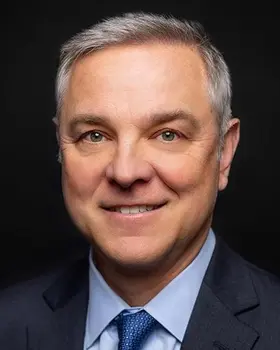
Dr. Joseph Sniezek is the Medical Director of Head & Neck Endocrine Surgery for Swedish Health Services. Dr. Sniezek graduated from West Point in 1990 and the Vanderbilt University School of Medicine in 1994. After completing an Otolaryngology residency in 1999, he performed a two-year fellowship at Vanderbilt in head and neck oncologic and reconstructive surgery. He has served as a department chief, residency program director, and subsequently as the Consultant to the Surgeon General of the Army for Otolaryngology/Head & Neck Surgery. His clinical practice focuses on the treatment of head and neck masses and tumors, with a particular interest in thyroid and parathyroid disease. In 2015, he was elected Teacher of the Year by the Swedish General Surgery Residency. He completed a Masters in Business Administration at the University of Washington in 2016. Dr. Sniezek has also been perennially recognized with Seattle Met and Seattle Magazine's Top Doctor award. Dr. Sniezek is rated as a Distinguished provider by MediFind in the treatment of Parathyroid Cancer. He is also highly rated in 16 other conditions, according to our data. His clinical expertise encompasses Parathyroid Adenoma, Parathyroid Cancer, Thyroid Cancer, Thyroidectomy, and Parathyroidectomy. Dr. Sniezek is board certified in American Board Of Otolaryngology - Head And Neck Surgery. Dr. Sniezek is currently accepting new patients.
UT MD Anderson Cancer Center
Naifa Busaidy is an Endocrinologist practicing medicine in Houston, Texas. Dr. Busaidy is rated as an Elite provider by MediFind in the treatment of Parathyroid Cancer. She is also highly rated in 20 other conditions, according to our data. Her clinical expertise encompasses Thyroid Cancer, Anaplastic Thyroid Cancer, Medullary Thyroid Carcinoma, Thyroidectomy, and Parathyroidectomy.
Parathyroid cancer is slow growing. Surgery may help extend life even when the cancer spreads.
The cancer may spread (metastasize) to other places in the body, most often the lungs and bones.
Hypercalcemia is the most serious complication. Most deaths from parathyroid cancer occur due to severe, difficult-to-control hypercalcemia, and not the cancer itself.
The cancer often comes back (recurs). Further surgeries may be needed. Complications from surgery can include:
- Hoarseness or voice changes as a result of damage to the nerve that controls the vocal cords
- Infection at the site of surgery
- Low level of calcium in the blood (hypocalcemia), a potentially life-threatening condition (presenting as twitching movements or even seizures)
- Scarring
Contact your provider if you feel a lump in your neck or experience symptoms of hypercalcemia.
Background: * Endocrine neoplasms (tumors) are among the fastest growing tumors in incidence in the United States. Furthermore, it is often difficult to distinguish between benign or malignant tumors in cancers of the thyroid, parathyroid, adrenal gland, and pancreas. More research is needed to improve detection and treatment options for patients who develop these kinds of cancer. * Researchers are interested...
Background: People have 4 parathyroid glands near the thyroid gland in the neck. Surgery is needed to remove a parathyroid gland that is too large or has a tumor. These glands can be in different places, so doctors use an imaging scan with contrast dye to help find them before surgery. Researchers want to know if a different type of scan and a new tracer can make it easier to find the tumors in the parathyroi...
Published Date: January 25, 2026
Published By: Sandeep K. Dhaliwal, MD, board-certified in Diabetes, Endocrinology, and Metabolism, Springfield, VA. Also reviewed by David C. Dugdale, MD, Medical Director, Brenda Conaway, Editorial Director, and the A.D.A.M. Editorial team.
Asban A, Patel AJ, Reddy S, Wang T, Balentine CJ, Chen H. Cancer of the endocrine system. In: Niederhuber JE, Armitage JO, Kastan MB, Doroshow JH, Tepper JE, eds. Abeloff's Clinical Oncology. 6th ed. Philadelphia, PA: Elsevier; 2020:chap 68.
Fletcher CDM. Tumors of the thyroid and parathyroid glands. In: Fletcher CDM, ed. Diagnostic Histopathology of Tumors. 5th ed. Philadelphia, PA: Elsevier; 2021:chap 18.
National Cancer Institute website. Parathyroid cancer treatment (PDQ) - health professional version. www.cancer.gov/types/parathyroid/hp/parathyroid-treatment-pdq. Updated July 5, 2024. Accessed March 2, 2026.