Paroxysmal Supraventricular Tachycardia (PSVT)Symptoms, Doctors, Treatments, Advances & More
Learn About Paroxysmal Supraventricular Tachycardia (PSVT)
Paroxysmal supraventricular tachycardia (PSVT) is an episode of a rapid heart rate that start in a part of the heart above the ventricles. "Paroxysmal" means from time to time.
PSVT; Supraventricular tachycardia; Abnormal heart rhythm - PSVT; Arrhythmia - PSVT; Rapid heart rate - PSVT; Fast heart rate - PSVT
Normally, the chambers of the heart (atria and ventricles) contract in a coordinated manner.
- The contractions are caused by an electrical signal that begins in an area of the heart called the sinoatrial node (also called the sinus node or SA node).
- The signal moves through the upper heart chambers (the atria) and tells the atria to contract.
- After this, the signal moves down in the heart and tells the lower chambers (the ventricles) to contract.
The rapid heart rate from PSVT may start with events that occur in areas of the heart above the lower chambers (ventricles).
There are a number of specific causes of PSVT. It can develop when doses of the heart medicine, digoxin, are too high. It can also occur with a condition known as Wolff-Parkinson-White syndrome, which often causes symptoms in young people and infants.
The following increase your risk for PSVT:
- Alcohol use
- Caffeine use
- Illicit stimulant drug use
- Smoking
Symptoms most often start and stop suddenly. They can last for a few minutes or several hours. Symptoms may include:
- Anxiety
- Chest tightness
- Palpitations (a sensation of feeling the heartbeat), often with an irregular or fast rate (racing)
- Rapid pulse
- Shortness of breath
Other symptoms that can occur with this condition include:
- Dizziness
- Fainting
PSVT that occurs only once in a while may not need treatment if you don't have symptoms or other heart problems.
You can try the following techniques to interrupt a fast heartbeat during an episode of PSVT:
- Valsalva maneuver. To do this, you hold your breath and strain, as if you were trying to have a bowel movement.
- Coughing while sitting with your upper body bent forward.
- Splashing ice water on your face
You should avoid smoking, caffeine, alcohol, and illicit drugs.
Emergency treatment to slow the heartbeat back to normal may include:
- Electrical cardioversion, which is the use of electric shock
- Medicines through a vein
Long-term treatment for people who have repeat episodes of PSVT, or who also have heart disease, may include:
- Cardiac ablation, a procedure used to destroy small areas in your heart that may be causing the rapid heartbeat (currently the treatment of choice for most PSVTs)
- Daily medicines to prevent repeated episodes
- Pacemakers to override the fast heartbeat (on occasion may be used in children with PSVT who have not responded to any other treatment)
- Surgery to change the pathways in the heart that send electrical signals (this may be recommended in some cases for people who need heart surgery for other reasons)

Raul Mitrani is a Cardiac Electrophysiologist and a Cardiologist practicing medicine in Miami, Florida. Dr. Mitrani is rated as an Elite provider by MediFind in the treatment of Paroxysmal Supraventricular Tachycardia (PSVT). He is also highly rated in 29 other conditions, according to our data. His clinical expertise encompasses Atrial Fibrillation, Paroxysmal Supraventricular Tachycardia (PSVT), Arrhythmias, Cardiac Ablation, and Pacemaker Implantation. Dr. Mitrani is currently accepting new patients.

Avera Dells Area Hospital
Matt Herber is a primary care provider, practicing in Family Medicine in Dell Rapids, South Dakota. Dr. Herber is rated as a Distinguished provider by MediFind in the treatment of Paroxysmal Supraventricular Tachycardia (PSVT). He is also highly rated in 18 other conditions, according to our data. His clinical expertise encompasses Atrioventricular Nodal Reentrant Tachycardia (AVNRT), Paroxysmal Supraventricular Tachycardia (PSVT), Chronic Cough, and Familial Combined Hyperlipidemia. Dr. Herber is board certified in American Board Of Family Medicine. Dr. Herber is currently accepting new patients.
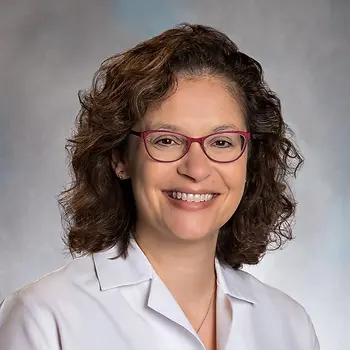
Brigham And Women's Hospital, Heart And Vascular Center
Usha Tedrow is a Cardiologist practicing medicine in Boston, Massachusetts. Dr. Tedrow is rated as an Elite provider by MediFind in the treatment of Paroxysmal Supraventricular Tachycardia (PSVT). She is also highly rated in 25 other conditions, according to our data. Her clinical expertise encompasses Ventricular Tachycardia, Arrhythmias, Paroxysmal Supraventricular Tachycardia (PSVT), Cardiac Ablation, and Pacemaker Implantation. Dr. Tedrow is board certified in Clinical Cardiac Electrophysiology. Dr. Tedrow is currently accepting new patients.
PSVT is generally not life threatening. If other heart disorders are present, it can lead to congestive heart failure or angina.
Contact your health care provider if:
- You have a sensation that your heart is beating quickly and the symptoms do not end on their own in a few minutes.
- You have a history of PSVT and an episode does not go away with the Valsalva maneuver or by coughing.
- You have other symptoms with the rapid heart rate.
- Symptoms return often.
- New symptoms develop.
It is especially important to contact your provider if you also have other heart problems.
Summary: NODE-202 is a Phase 2, multicenter, multinational, single dose, open-label, 2-part, sequential design study in pediatric patients with an established diagnosis of paroxysmal supraventricular tachycardia (PSVT) presenting with a symptomatic episode of PSVT. In Part 1, at least 30 patients aged 12 to \<18 years will be enrolled and treated with etripamil nasal spray (NS). Efficacy, safety, tolerabil...
Summary: Supraventricular tachycardia (SVT) is a common heart rhythm disorder seen in emergency departments, causing a rapid heartbeat (typically 150-250 beats per minute). The current best non-drug treatment, the modified Valsalva maneuver (mVM), successfully restores normal rhythm in about 43% of cases. When these maneuvers fail, intravenous adenosine is used, which, while effective, can cause brief but ...
Published Date: January 27, 2026
Published By: Thomas S. Metkus MD, PhD, Associate Professor of Medicine and Surgery, Johns Hopkins University School of Medicine, Baltimore, MD. Also reviewed by David C. Dugdale, MD, Medical Director, Brenda Conaway, Editorial Director, and the A.D.A.M. Editorial team.
Dalal AS, Van Hare GF. Disturbances of rate and rhythm of the heart. In: Kliegman RM, St. Geme JW, Blum NJ, et al, eds. Nelson Textbook of Pediatrics. 22nd ed. Philadelphia, PA: Elsevier; 2025:chap 484.
Kalman JM, Sanders P. Supraventricular tachycardias. In: Bonow RO, Mann DL, Tomaselli GF, et al, eds. Braunwald's Heart Disease: A Textbook of Cardiovascular Medicine. 13th ed. Philadelphia, PA: Elsevier; 2026:chap 47.
Page RL, Joglar JA, Caldwell MA, et al. 2015 ACC/AHA/ HRS guideline for the management of adult patients with supraventricular tachycardia: a report of the American College of Cardiology/American Heart Association Task Force on Clinical Practice Guidelines and the Heart Rhythm Society. Circulation. 2016;133(14);e471-e505. PMID: 26399662 pubmed.ncbi.nlm.nih.gov/26399662/.
Zimetbaum P, Goldman L. Supraventricular ectopy and tachyarrhythmias. In: Goldman L, Cooney KA, eds. Goldman-Cecil Medicine. 27th ed. Philadelphia, PA: Elsevier; 2024:chap 52.